



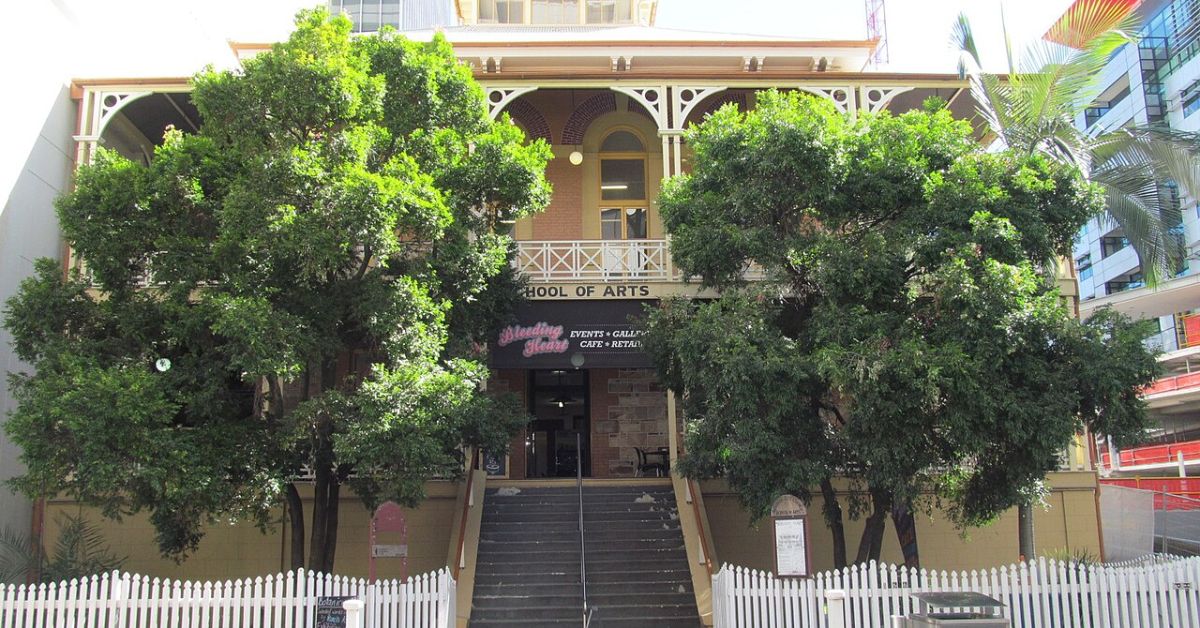
The heritage-listed Brisbane School of Arts building at 166 Ann Street in the city is set to be sold to a private buyer after an expressions of interest process, which closed in May 2026, failed to produce a feasible proposal for the building’s revitalisation.
The Ann Street building, which has sat vacant in the heart of Brisbane’s CBD for some years, is one of the oldest surviving civic buildings in the city and one of the few remaining heritage landmarks with significant untapped renewal potential. Its sale marks the end of a publicly led revitalisation process and opens the door to private sector involvement in determining what the school of arts becomes next.

The expressions of interest process, which ran through early 2026, invited cultural organisations, education providers, industry bodies and investors to collaborate on a mixed-use concept combining cultural programming, adult learning and commercial uses such as boutique food and beverage outlets, all within a framework respecting the building’s heritage significance. No feasible proposals emerged.
Brisbane’s city authority has confirmed any future owner will be required to comply with full heritage protections and planning requirements, preserving the building’s historic character regardless of what use it transitions to.

A building that has served Brisbane since 1865
The Brisbane School of Arts building at 166 Ann Street carries more than 160 years of civic history. Erected in 1865-66 with a ground floor and two upper galleries, it was originally known as a Servants Home, providing accommodation for single adult women who had migrated to Queensland and were waiting to take up employment as domestic servants.

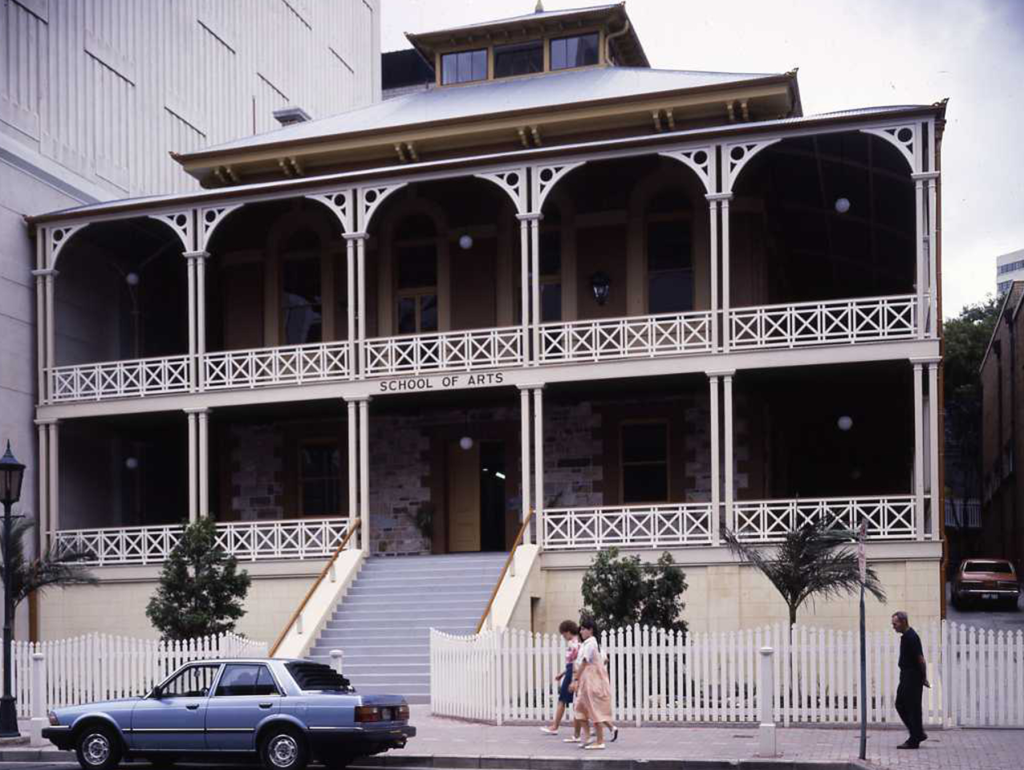
In 1873, the trustees of the North Brisbane School of Arts purchased the building for one thousand pounds. It was let to tenants before being formally converted to a school of arts in 1878.
The institution operated libraries and reading rooms oriented around “the advancement of reading and study by the delivery of lectures,” and promoted what its trustees described as “the recreation and entertainment of its members by games of skill, and generally the diffusion of knowledge and the promotion of intellectual amusement.”
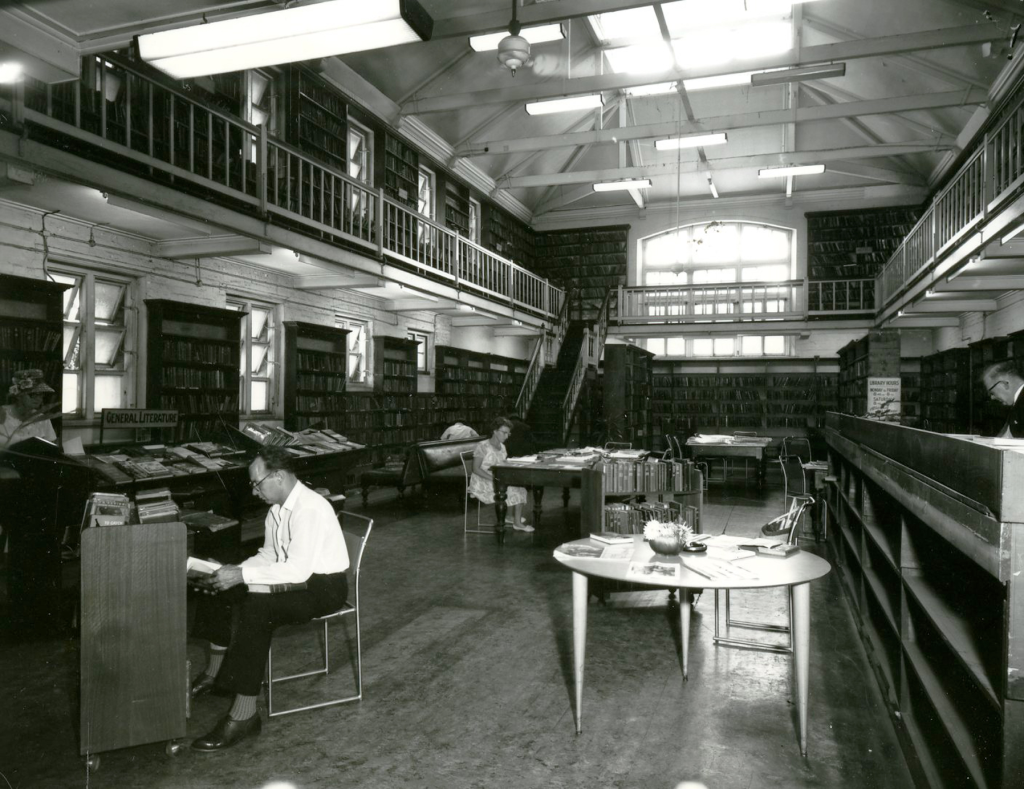
A hall was added to the rear in 1884 to accommodate the Brisbane Technical College, which used the building until 1902, when responsibility for technical education transferred to the state. Brisbane’s city authority assumed trusteeship of the building in 1965-66 and operated a public library on site until 1981. Since then, the building has been let to various community groups, and more recently has sat vacant.


A new chapter for Brisbane’s heritage buildings
The sale of the Brisbane School of Arts building will place it alongside a growing cohort of Brisbane heritage properties that have found new life through private investment.
Customs House on Queen Street, the former Brisbane Dental Hospital and the former Treasury Building — currently being converted into a university campus — have all transitioned from public to private or institutional ownership while retaining their heritage character.
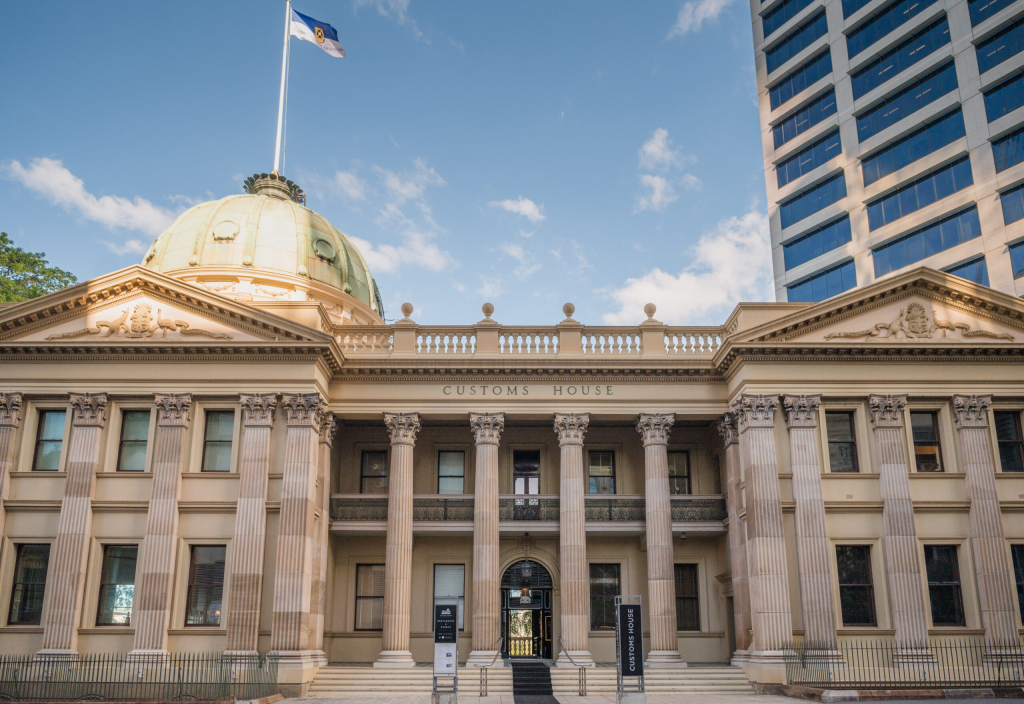
Brisbane’s city authority described opportunities like this as rare, noting its intent to “secure private sector investment to write the next chapter of this iconic Brisbane building.”
The building’s location on Ann Street places it within the CBD’s lower precinct, close to the boundary with Fortitude Valley and within easy walking distance of the Queen Street Mall, Brisbane Square and Central Station. For the inner-city community, what the building becomes matters — it is a prominent address in a part of the city that residents, workers and visitors pass through daily.
Heritage protections that bind any future owner
The Queensland Heritage Register records the building’s significance as a rare example of a purpose-built civic institution from the colonial period that retains much of its original fabric and form. Any purchaser takes on a building that cannot be substantially altered without heritage approval, a condition that tends to attract buyers with genuine interest in adaptive reuse rather than demolition and redevelopment.
The expressions of interest process had envisioned exactly that kind of outcome: a vibrant, mixed-use activation that brought people back into the building while preserving its layered history. Whether the sale process produces a buyer with that vision, or someone with a more commercial intent operating within the heritage constraints, remains to be seen.
Information on the Queensland Heritage Register listing for the Brisbane School of Arts can be found here.
Published 29-June-2026