

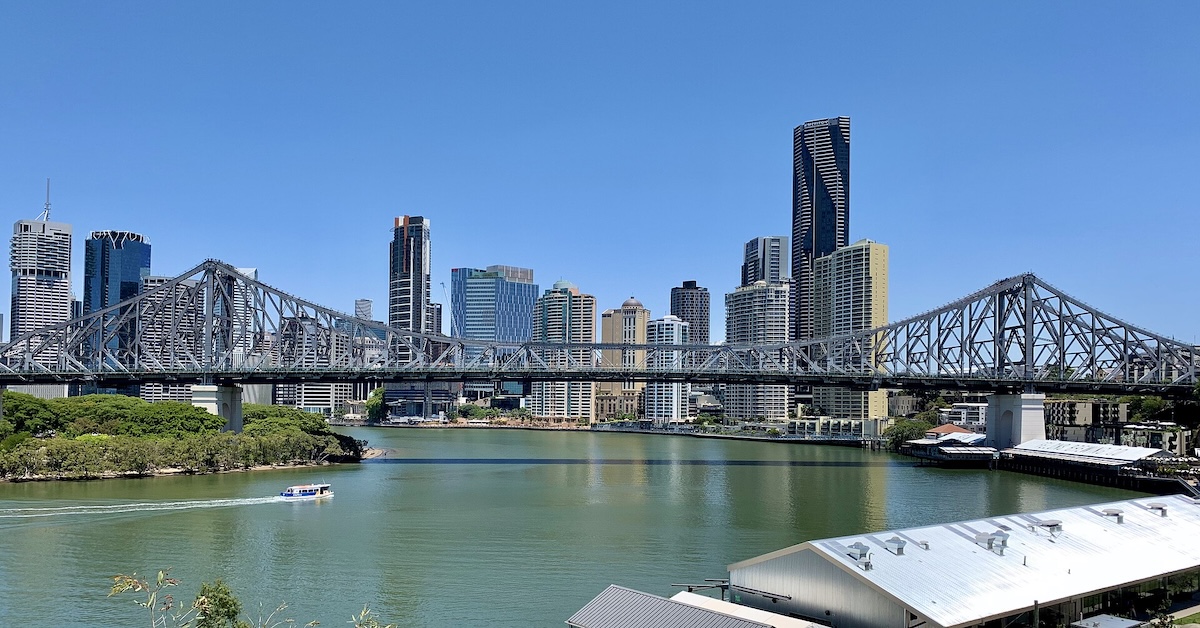
Queensland is building at speed. New estates are opening, infill projects are moving through approvals and cranes continue to reshape inner-city skylines.
But not every new home can simply be switched on.
Behind the construction surge is a quieter pressure point that directly affects housing supply: access to electricity and water. Without confirmed utility connections, dwellings cannot be completed, settled or occupied — regardless of demand.

According to Energy Queensland Annual Report 2024–25, more than 55,000 applications for new electricity connections were lodged in a single financial year. While most are delivered through existing infrastructure, around 12 per cent require major network upgrades — new transformers, substations or power lines — adding time and cost to projects already under pressure.

Why Connections Matter to Buyers and Developers
For developers, network augmentation can shift feasibility calculations. Extended connection timelines may affect staging, holding costs and settlement schedules. For smaller builders and infill projects, uncertainty around capacity can complicate construction programs and financing.

In a market grappling with housing shortages and strong subdivision activity, those delays ripple outward. If a project cannot secure timely utility access, new supply is effectively paused — even if planning approvals are in place and buyers are ready.
For purchasers, the implications are less visible but no less significant. Delayed settlements, extended build times and rising infrastructure costs ultimately feed into pricing and availability.
Compounding Pressures: Labour and Supply Chains
The challenge is not purely technical. Queensland is simultaneously managing workforce shortages across engineering, electrical and construction trades, while preparing for major infrastructure commitments in the lead-up to the 2032 Olympic and Paralympic Games.


Global supply chain disruptions add further complexity. Industry reporting has highlighted extended manufacturing lead times for large power transformers, with some equipment taking years to produce and deliver. Projects requiring network upgrades can therefore face materially longer timelines than standard connections.
Industry Response and Market Implications
Utilities have introduced improved mapping tools to help developers identify available network capacity earlier in the planning phase, alongside efforts to reduce application backlogs and streamline approvals.
Industry groups are increasingly focused on early collaboration between developers, planners and network operators to identify potential bottlenecks before projects reach construction.
The issue will be examined at the upcoming Pipes and Wires: Connecting Queensland’s Utilities event hosted by the Property Council of Australia on 25 March in Eagle Street, where infrastructure capacity and housing delivery will be central themes.
While power connections rarely attract the attention given to towers or transport corridors, they sit at the core of housing supply. Without reliable electricity and water, homes cannot settle, tenants cannot move in and new communities cannot function.
In a market defined by undersupply and population growth, Queensland’s property pipeline depends not only on approvals and construction — but on whether the lights can come on.
Published 13-Feb-2026