


Howard Smith Wharves Expansion Approved With Brisbane’s First Over-River Pool

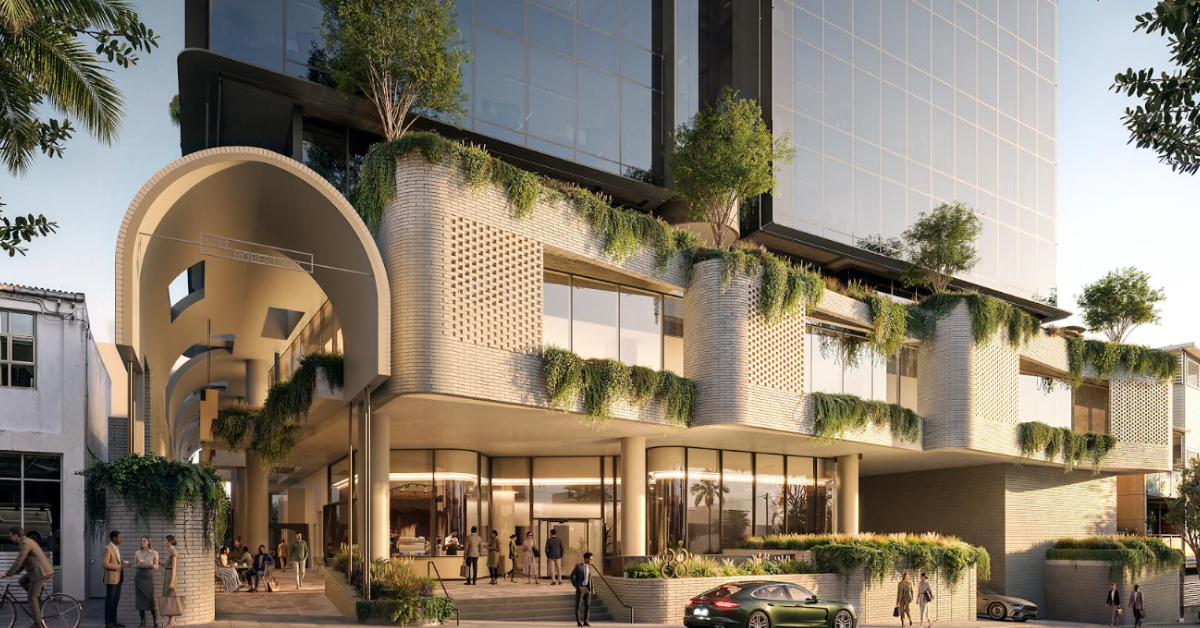
Artemus Group has received approval for a $500 million expansion of Howard Smith Wharves, bringing Brisbane’s first over-river swimming pool, a 106-room boutique hotel and 8,500 square metres of new public space to the heritage-listed precinct beneath the Story Bridge.


The development approval, granted this week, fires the starting gun on a transformation the Fortitude Valley precinct’s developers have been planning since lodging the application in September 2024.

Dubbed HSW 2.0, the expansion represents the most ambitious change to the site since the original $110 million redevelopment opened in November 2018, and it lands with a clear deadline in sight: the 2032 Olympic and Paralympic Games.

Brisbane’s first over-river pool

The standout element of the approved design is the over-river pool, the first of its kind in Brisbane. Positioned to extend out over the Brisbane River, the pool forms part of a broader bar and dining precinct that will replace the existing Rivershed venue.

Photo Credit: DA A006618899

Renderings show an open-air structure that puts swimmers directly above the river, with the Story Bridge and cliffs of Kangaroo Point as the backdrop.

No Brisbane venue has built a pool over the river before. The concept draws on precedents in cities like Paris, where floating pools on the Seine have long been part of how the city uses its waterway, and it fits the broader pattern of cities reclaiming their rivers as recreational infrastructure rather than industrial remnants or backdrop scenery.

Photo Credit: DA A006618899

Artemus Group founder Adam Flaskas framed the approval as a defining moment for both the precinct and Brisbane’s relationship with its river.

“This is a once-in-a-generation opportunity for Brisbane,” Flaskas said. “Howard Smith Wharves has always been about connecting people with this magnificent river, and with this announcement we take that vision to an entirely new level.”

A precinct built on Depression-era foundations

Howard Smith Wharves carries genuine historical weight. The wharves were built between 1939 and 1942 as part of a relief employment programme during the Great Depression, constructed in conjunction with the Story Bridge directly above them.

The site served the Howard Smith Co Ltd coastal shipping company until the 1960s, hosted World War II air-raid shelters, and then sat largely abandoned for decades before being listed on the Queensland Heritage Register in 1997.

Photo Credit: DA A006618899

Artemus Group secured the site in 2015 and spent three years transforming it into the vibrant precinct locals know today. The riverside hub features 13 restaurants, cafes, and bars, including Felons Brewing Co, Yoko, Greca, Stanley, and Ciao Papi, alongside Crystalbrook Vincent hotel and Howards Hall.

It became the first site in Brisbane to achieve Heritage Hero Status from the National Trust, recognised for its management of built, environmental and cultural heritage across the one development.

Photo Credit: Howard Smith Wharves

The 2018 version of Howard Smith Wharves gave the precinct its identity. HSW 2.0 is designed to deepen it.

Everything else the expansion includes

Beyond the over-river pool, the approved plans include a nine-storey, 106-room boutique hotel to be built atop a substantially upgraded Felons Barrel Hall. The revamped hall will be designed to attract larger music and entertainment events, addressing one of the current site’s capacity limitations.

Two new cliffside lifts will improve access to the precinct from Bowen Terrace above, addressing a long-standing friction point for visitors who find the staircase descent from the valley’s upper streets steep or difficult. Cascading riverfront stairs will create a more gradual connection between the precinct and the water’s edge.

Photo Credit: DA A006618899

The pontoon infrastructure, which will provide private boat mooring and improved river access for tourism operators, is designed to be flood-resilient, a significant engineering consideration for any structure built over the Brisbane River. The new public realm totals 8,500 square metres, a 30 per cent increase on the current site’s outdoor space.

Howard Smith Wharves chief executive Luke Fraser said every design decision had been guided by a single question.

“How do we create something that Brisbane will be proud to show the world in 2032 and for decades beyond?” he said.

What comes next

The full build is targeted for completion ahead of the 2032 Games. Construction timelines have not yet been confirmed publicly, though the development approval means the project can now move into detailed design and tender phases. The Bougainvillea House event venue will also be redeveloped from its current single storey into a two-storey building as part of the broader works.

Howard Smith Wharves is at 5 Boundary Street, Fortitude Valley. For updates on the HSW 2.0 development and precinct bookings, click here.


Published 28-May-2026

Agnes Unveils Biggest Menu Shake-Up Since Opening in Fortitude Valley

Agnes, the fire-driven restaurant tucked inside a heritage brick warehouse on Agnes Street in Fortitude Valley, has unveiled its most substantial menu overhaul to date, introducing 25 new dishes inspired by Spanish and Mediterranean flavours.


Agnes feels almost like it was meant to be there all along — a street with the same name, a stripped-back warehouse of brick and concrete, and a kitchen that runs entirely without gas or electricity.

Nearly six years on, Agnes has become one of the most recognised restaurants in Brisbane not by reinventing itself each season but by staying firmly committed to a single idea: fire as the only means of cooking, and produce as the only point of difference.

The new menu, unveiled in May 2026 by co-owner and culinary director Ben Williamson, does not abandon that idea. It sharpens it.

A change in the kitchen that prompted a rethink

The menu shift follows the departure of group chef Adam Wolfers, who stepped away earlier this year to take on a similar creative role at Sydney restaurant group Esca. Wolfers had been a significant part of Agnes’s culinary identity, and his exit gave Williamson both the reason and the space to approach the menu from scratch.

Photo Credit: Adam Wolfers/Facebook

The result is 25 new dishes that Williamson describes as a return to the restaurant’s original instincts: fewer elements, better produce, and the fire left to do most of the talking.

“Working with fire is the art of managing a primal element, compelling our team to cook with intuition,” Williamson says. “Our new menu reflects this philosophy, stripping back unnecessary elements and focusing on quality produce, allowing the ingredients and fire to speak for themselves. I wrote this menu from the ground up to take Agnes back to its roots.”

The Spanish and Mediterranean lean is a notable shift in emphasis, though not entirely a surprise for a kitchen that has always drawn on a broad palette of influences. Williamson’s background includes time cooking in the Middle East and years at Gerard’s Bistro before Agnes opened, and that restlessness with any single culinary tradition has always fed into what ends up on the plate.

The new dishes

The new menu reads like a list of things that shouldn’t work together until they do. Scorched Mallorquin toast arrives with honeycomb, fennel seeds and guindillas, the sweet and the sharp and the pickled finding their alignment. Chistorra, a Catalan-style chorizo, is roasted in cider.

Coral trout comes in pil pil sauce with burnt lemon, the Basque technique of emulsifying fish collagen into a silky, almost gelatinous sauce lending the dish a texture that few other cooking methods could achieve.

The kitchen at Agnes burns ironbark, applewood, cherrywood and olivewood, each chosen for how differently it interacts with whatever is being cooked. That level of specificity is what separates the fire-cooking here from a novelty act, and it is that same specificity that underpins the new dishes.

Not everything changes. The smoked tomato toast remains, a dish that has become close to non-negotiable for regulars. The sourdough crumpet with yellowfin tuna and crème fraîche also stays on, a combination that has been quietly perfecting itself since the restaurant opened.

Two set menus and a new cocktail list

Alongside the food, Agnes has introduced two set menus for groups of two or more. One sits at $89 per person, the other at $139, each combining dishes from the new menu with a selection of the restaurant’s classics. The format suits the way Agnes is best experienced: not as a series of individual choices, but as a meal that builds across the table.

The cocktail list has also been overhauled, this time with a Once Upon a Time in Hollywood theme. Two of the new drinks are the Did I Say Something Funny, Stuntman, combining kalamansi, chamomile, gin, apricot and peated rice, and the Spahn Ranch, made with tequila, bee pollen, raspberry and lime.

Whether the film reference is a wink or a genuine structural conceit barely matters when the drinks are that specific about their ingredients.

Sunday bookings carry a 10 per cent surcharge and public holidays a 15 per cent surcharge. Duck dishes are available to preorder at least 24 hours before a booking by emailing seatme@agnesrestaurant.com.au.

Agnes is at 22 Agnes Street, Fortitude Valley, and opens Tuesday to Thursday from 5.30pm, Friday and Saturday from 11.30am, and Sunday from 5.30pm. Phone (07) 3067 9087. Bookings are available here.


Published 27-May-2026

Brisbane CBD Set to Become a Massive Transport Hub for New Sports Venues

Everyday commuters in the Brisbane CBD will soon share their streets with massive waves of sports fans as the city centre transforms into the main transport link for a new aquatic hub.


The Big Connection

highway
Photo Credit: GIICA

When the global sporting spotlight turns to Brisbane in 2032, the inner-city geography will change dramatically. Because Fortitude Valley sits directly between the future athletes’ village in Bowen Hills and the new sports hubs in Spring Hill, it will become the main route for people walking to the events. 

Spectators arriving from the Brisbane central business district will also move heavily through these local streets as they are guided north toward the newly designed Victoria Park precinct.

Building the Water Sports Hub

highway
Photo Credit: GIICA

A major piece of this urban puzzle is the brand new National Aquatic Centre. This massive facility will be built right next to the historic Centenary Pool on Gregory Terrace in Spring Hill. 

During the peak of the games, the centre will hold 25,000 cheering fans watching elite swimming, artistic swimming, diving, and water polo. When the major events finish, the building will be downsized to an 8,000-seat community legacy centre. This will leave a high-quality training space for locals, supported by further upgrades at the existing Chandler Sports Precinct.

Tackling the Parking Squeeze

highway
Photo Credit: GIICA

With heavy construction planned at the RNA Showgrounds and Victoria Park, local leaders want to prevent traffic chaos before the massive crowds arrive. Central Ward representative Vicki Howard stated that managing the impact on local neighbourhoods is a top priority as the area transforms into a global sports hub. To help clear up street space and manage the influx of visitors, the local council is looking at changing the two-hour general parking limit that has managed the Brisbane Central Traffic Area since 1961.


Seeking Community Thoughts

Officials are currently suggesting a strict one-hour parking limit to keep cars moving and improve parking turnover. Howard noted that this change could make it easier for residents and shoppers to find parking during both the heavy construction years and the main sporting events themselves. Before making any official changes, the council is asking locals to share their thoughts and feedback online so the final traffic plan works for the people who actually live and work in the area.

Published Date 25-May-2026

Fortitude Valley Gets a Taste of the Viral Dirty Soda Craze

Local entrepreneurs Madi and Will have transformed a quirky American beverage trend into Australia’s first permanent dirty soda shop, bringing customisable soft drinks to the vibrant streets of Fortitude Valley.


A Fresh Take on Soft Drinks

Originating in the United States over a decade ago, dirty soda is a unique twist on standard carbonated drinks. The concept involves taking a basic soft drink, such as cola or sparkling water, and mixing it with flavoured syrups, fresh fruit purées, and a splash of cream. Originally created as a sweet substitute for coffee and alcoholic beverages, the drinks recently gained global attention through American reality television. 

Seeing the trend grow overseas, business owner Madeline Holthe wanted to bring the experience to her local community. After a successful run operating out of a brightly coloured pop-up trailer at various Brisbane markets in early 2024, she and co-founder Will expanded the operation into a permanent storefront.

Retro Vibes and Custom Flavours

Located in California Lane, the new shop called What’s Poppin’ offers a highly visual and nostalgic experience. The founders designed the space themselves, decorating it with pink splash walls, bright blue tiles, and neon signs. While there is not much seating inside, the scenic laneway provides a great place for visitors to walk and enjoy their drinks. The menu features 30 signature options using bases like Coke Zero, Mountain Dew, and energy drinks. 

A crowd favourite is the signature drink called Sodies, which blends Coca-Cola with fresh lime, coconut, and coconut cream. Another popular choice is the Ocean soda, made with Blue Curacao, passionfruit, and coconut creamer. Customers can also completely customise their orders, a feature Holthe believes allows adults to feel the childhood excitement of visiting a lolly shop. Alongside the drinks, the store serves cookies in flavours like Nutella and Biscoff, with plans to add hot toasted sandwiches soon.

A Nationwide Beverage Shift

Starting the business was not completely smooth at first. Holthe noted that Australian consumers are sometimes slow to adopt new trends, initially making the early months of the business challenging. However, she observed that once locals tasted the unique flavour combinations, they quickly became regular customers. The success of What’s Poppin’ has sparked a wider movement across the country. 

Similar independent shops are now appearing in Sydney and Melbourne. Even major fast-food chains are taking notice, with McDonald’s testing a range of iced dirty sodas in Queensland and Victoria, while Hungry Jack’s recently introduced a dirty cola mixed with coffee-style creamer and coconut syrup.


Planning a Visit

For those wanting to try the dessert-style drinks, the shop is located at 22 McLachlan Street in Fortitude Valley. The store operates Tuesday through Sunday, offering daytime service throughout the week along with extended late-night hours until 10 p.m. on Fridays and Saturdays to cater to the busy weekend laneway crowd.

Published Date 25-May-2026

Waterfront Brisbane 2026 Update: North Tower Rising as $2.5 Billion Eagle Street Pier Overhaul Takes Shape

After several years of deconstruction and major groundworks behind hoarding, Waterfront Brisbane, the $2.5 billion redevelopment of the former Eagle Street Pier precinct, has moved into a new phase, with vertical construction now underway.


Read: New Vision for Waterfront Pavilion, A Key Element of Waterfront Brisbane


Vertical construction on the North Tower is now underway, according to the project’s official Instagram. A jump form and additional tower crane are to be installed in the coming months to allow the core structure to continue its ascent.

Basement excavation is also set to commence alongside the tower’s rise. The project’s LinkedIn page described the construction methodology as “intelligent and efficient,” and noted that 2026 is “a defining year as this city-shaping precinct continues to take form.”

What Waterfront Brisbane Will Include

Photo credit: waterfrontbrisbane.com.au

The redeveloped precinct, now operating under the name Waterfront Brisbane, will comprise two new office towers, a riverfront retail precinct, and upgraded public spaces. Key public infrastructure improvements include a widened Riverwalk, an upgraded river jetty, increased mooring for river taxis, and a new CityCat terminal.

Photo credit: waterfrontbrisbane.com.au

The Riverwalk, now 15 metres wider than its previous iteration, is already open to the public. The retail and dining offering is intended to include casual cafes and convenience retail alongside existing dining options, with the project positioning the precinct as an everyday destination rather than one reserved for special occasions, according to The Urban List.

A building within the precinct, Naldham House, opened in 2024 and now houses three venues: Naldham House Brasserie and Terrace, Club Felix, and The Fifty Six.


Read: Mass Closure at Eagle St Pier As Waterfront Brisbane Redevelopment Looms


Timeline

Full completion of the project is targeted for 2028, when the Riverwalk retail pavilions, North Tower and Market Hall are projected to open.

Published 23-May-2026

Brisbane CBD To Welcome The Red Dress, A Global Story Stitched By Hundreds Of Hands

A burgundy silk dress stitched across continents will soon take its place inside Museum of Brisbane, carrying with it the work, memory and imagination of 380 embroiderers from 51 countries.


A Dress That Travelled Before It Was Complete

The Red Dress began as an idea by British artist Kirstie Macleod: a single garment that could give people, particularly women and communities facing vulnerability or poverty, a way to tell their stories through embroidery.

Over 14 years, from 2009 to 2023, pieces of the dress travelled around the world. They were passed between experienced textile artists, community groups, first-time embroiderers and people using stitch to express personal histories, cultural traditions and lived experiences.

By the time the garment reached its final form, it had become far more than a dress. It had become a record of hundreds of hands working across distance, language and circumstance.

The completed work is constructed from 87 panels of burgundy silk dupion and weighs 6.8 kg. Across its surface are an estimated 1 to 1.5 billion stitches, forming a dense and intricate textile map of the people who helped create it.

The project now holds a Guinness World Record for the largest collaborative embroidery project.

The Red Dress Comes To Brisbane CBD

The Red Dress will be exhibited at Museum of Brisbane from 25 July to 13 September 2026, in the Fairfax Gallery. The exhibition will be free to enter and open daily from 10:00am to 5:00pm.

Its Brisbane CBD showing forms part of the dress’s first Australian tour, which also includes Warwick Art Gallery.

For Queensland audiences, the exhibition offers a chance to stand close to a work that is built on detail. The dress is not designed to be understood at a glance. Its meaning sits in the panels, in the threads, in the contrast between highly skilled embroidery and simple stitches used to carry difficult memories.

Its contributors include 367 women and girls, 11 men and boys, and two non-binary artists. Among them are refugees, asylum seekers, survivors of war, disadvantaged women and artisans from embroidery studios and community groups.

All 141 commissioned embroiderers were paid for their work and receive a share of ongoing exhibition fees and merchandise sales.

Brisbane’s Own Stitch In The Dress

The Australian contribution gives the global artwork a local connection. Created by 24 members of Brisbane’s Allthreads community, the panel captures elements of the Australian landscape, flora and fauna.

That Brisbane-made contribution sits alongside embroidery traditions and personal symbols from across the world, adding another layer to a garment already shaped by many places and experiences.

The dress also includes Lambani embroidery gathered by Macleod during travels in southern India in 2002. That experience of stitching alongside Lambani women, despite not sharing a common language, later helped inspire the project.

A Garment Built From Memory, Culture And Survival

The Red Dress was first intended to create dialogue around identity. Over time, it developed into a wider platform for self-expression, allowing contributors to record culture, memory, trauma, recovery and resilience through stitch.

Some embroiderers used techniques passed down through families, villages or communities. Others used simple stitches to express painful events or personal transformation. For some, embroidery was already a profession. For others, it became part of rebuilding a life, earning income or supporting a community.

Now complete, the dress continues to travel with the aim of reaching broad audiences, including people who may not usually have access to textile exhibitions.


At Museum of Brisbane, The Red Dress will bring hundreds of individual stories into one room. Its arrival in Brisbane CBD is not just an exhibition of a world record-holding artwork, but an invitation to look closely at how fabric, thread and time can hold lives from across the world.

Published 21-May-2026

Brisbane CBD Traffic Disrupted As Teen E-Bike Riders Swarm Streets

A large group of teenagers on modified e-bikes disrupted Brisbane CBD traffic after riders moved through inner-city streets, tunnels and major roads while police tried to respond to the fast-moving group.


Large Group Moves Through Brisbane CBD

Traffic was disrupted across Brisbane’s inner city after hundreds of teenagers on modified e-bikes rode through the CBD, blocking roads, weaving around vehicles and drawing concern from motorists and workers.

The riders gathered at Victoria Park on Sunday, 17 May before travelling through the park, through tunnels, across the Story Bridge and around The Star Hotel and Casino. As the group moved through the city, riders performed wheelies, filled intersections and rode around cars and police vehicles.

The ride caused traffic to bank up across parts of the CBD as vehicles were forced to slow or stop while the group passed through. Footage posted online showed riders moving in large numbers through traffic as police vehicles attempted to intercept them.

Police were outnumbered as the group scattered around patrol cars and continued through the streets. Officers indicated riders would only be intercepted when it was safe to do so.

e-bike riders
Photo Credit: Pexels

Brisbane CBD Ride Raises Road Safety Concerns

The incident has renewed concern about large e-bike gatherings in Brisbane, particularly when riders move through busy traffic corridors and restricted areas.

Electric bikes and scooters are not permitted in tunnels or on multi-lane roads under Queensland road rules. The riders’ route included tunnels and major inner-city roads, creating concern among motorists who were caught in the disruption.

One motorist reported damage to a vehicle mirror during the incident. A bus driver caught among the group described the riders as taking over the road and holding up traffic, while a nearby worker said staff became concerned about customers as the group moved through the area.

No arrests or charges had been announced as investigations continued on Monday.

Brisbane CBD e-bikes
Photo Credit: Pexels

Public Frustration Grows Over Modified E-Bikes

The Brisbane CBD incident has added to wider frustration about repeated mass e-bike rides through inner-city streets. The gatherings have been described as becoming a regular occurrence, with locals concerned about riders using busy roads for stunts and group rides.

Online reaction also raised questions about whether some of the vehicles should be described as e-bikes. Some commenters claimed the bikes appeared closer to motorised two-wheelers because of hand throttles and limited visible pedalling, although that has not been confirmed.


For motorists and workers in the CBD, the latest ride was not just a passing disruption. It became another example of the tension between large groups of modified e-bike riders and the everyday flow of traffic through Brisbane’s busiest streets.

Published 20-May-2026

End of An Era for Brisbane CBD Nightlife as Riverfront Institution Finishes Forty-Year Run

The loss of a forty-year-old riverfront institution is set to reshape the nightlife landscape of the Brisbane CBD as a major precinct redevelopment forces a local icon to pack up its bars and dance floors.


End Of A Nightlife Era

The long-running venue Fridays Riverside will finish its operations at the Eagle Street location this coming Sunday, May 24. For four decades, the massive multi-bar establishment served as a central hub for corporate workers looking for end-of-week drinks, weekend partygoers, and community celebrations. 

The venue outlasted several other nearby riverside establishments over the decades, making it a familiar constant for generations of local residents who gathered by the water for music and socialising.

Development Shifts The CBD

The closure comes as the property lease reaches its natural conclusion, alongside widespread structural changes throughout the waterfront area. Property owners are currently moving forward with extensive redevelopments in the immediate neighbourhood, including the newly finished Kangaroo Point Bridge, an updated Riverwalk system, and billions of dollars in upgrades slated for the nearby Waterfront Place precinct. 

Management from the nightclub noted that while the landlord has different plans for the physical site, the identity of the venue might return to the city in a different format or location if the right property becomes available in the future.


A Final Local Sendoff

Local residents are planning to gather at the heritage-listed building, which was originally crafted by award-winning architect Harry Seidler in the mid-1980s, for one last weekend of live music. The venue management team has organised a full lineup of local musicians and disc jockeys to play through Friday and Saturday nights to give the community a proper chance to say goodbye to the space. 

Staff members expressed that the final weekend is designed to celebrate decades of local memories before the current iteration of the venue finishes its historic run.

Published Date 20-May-2026

Brisbane Central Station Overhaul Proposed as Olympic Legacy Project

A London-based architecture firm with a strong global portfolio has released a bold concept to overhaul the Brisbane Central Station, stripping back its ageing metal canopy to create a light-filled, open-air gateway to the city, with the aim of completing a first stage before the 2032 Olympic Games.


Read: 2032 Olympics: Brisbane’s National Aquatic Centre Budget Jumps to $1.2B


John McAslan + Partners, the practice behind the transformation of King’s Cross and Bond Street stations in London, Belfast Central Station in Ireland, and the redevelopment of New York’s Penn Station, has put forward a vision to transform Brisbane’s Central Station ahead of the 2032 Games.

Concept image for Brisbane Central Station (Photo credit: John McAslan + Partners)

Concept imagery shows a sweeping open concourse crowned by a soaring transparent canopy supported by curved timber-look beams, flanked by lush greenery and opening up views toward Anzac Square. It is a far cry from the current station, which the firm’s founder and executive chairman John McAslan described publicly as drab, dated and ill-suited to a city on the verge of hosting the world.

Mr McAslan visited Brisbane to inspect the station in person and attend a roundtable with representatives from state and local officials alongside private developers, all gathered to discuss how the proposal might be advanced within the Olympic timeframe.

The firm’s position is that the work required is less about wholesale demolition and more about stripping away decades of accumulated clutter. The existing concourse structure would largely remain, with the current metal roof removed and replaced with a far more appealing atrium-style covering. The goal, as McAslan has outlined it, is to create a space where people actually want to spend time rather than rush through.

Photo credit: Google Maps/Vlady Peters

The firm has flagged a staged approach. The first phase, which it believes is achievable before the 2032 Games, would focus on that decluttering and re-roofing of the concourse, with the firm noting that around a million visitors are expected to come through Central Station during the Games. A second stage would then look at breathing new life into the station’s heritage fabric.

The proposal arrives at a busy moment in Brisbane’s infrastructure conversation. Roma Street has been widely promoted as the city’s future grand central station once Cross River Rail comes online, and Albert Street Station will add another CBD stop to the network once Cross River Rail is completed. But John McAslan + Partners director Troy Uleman argued that Central Station cannot be left behind in all of this, given it will remain the primary city stop for the Airport train link.

Mr Uleman suggested Brisbane has an opportunity to use the Olympic moment to catalyse lasting change to its urban fabric, and described the level of interest from government and private sector representatives at the roundtable as encouraging.


Read: Brisbane’s Own Greg Norman Takes on a New Challenge—Shaping the 2032 Olympics


The proposal remains at concept stage, with no formal commitments from Queensland or Brisbane officials reported at this stage.

For commuters who have long navigated the station’s concourse, the prospect of sunlight, greenery and open views toward Anzac Square, as the firm’s concept envisions, may be reason enough to pay attention.

Published 13-May-2026

Hidden Convict Secrets Found Under Brisbane CBD Streets

Did you know that people walk across the site of Brisbane’s once-feared penal colony every day — the very place where forced labour helped build the foundations of the city?


This and other interesting historical tidbits form part of a new 90-minute walking tour by the Museum of Brisbane, designed to show the public little known or hidden layers of history.

The guided experience focuses on the years between 1823 and 1842. During this time, the area changed from a remote prison camp for repeat offenders into the beginnings of a permanent town. 

The Architecture of Forced Labour

The walk is designed for people with average fitness levels who want to see the city from a different perspective. It starts at the Old Windmill Tower and travels through the city streets to finish at Queen’s Wharf.

Brisbane CBD
Photo Credit: Museum of Brisbane

The 1.75-km tour looks at how the city’s oldest buildings serve as physical reminders of the convict era. Many people walk past the Old Windmill Tower or the Commissariat Store without knowing they were built by hand using prisoner labour. 

The Commissariat Store is the second-oldest colonial building in the state, and it still stands as a reminder of how the settlement was managed. By looking at these stone structures, visitors can better understand the difficult living conditions and the heavy workload that defined daily life for those living under British authority in the early 1800s.

Intersects of Two Worlds

Brisbane CBD
Photo Credit: Museum of Brisbane

While the tour follows the physical path of the British colony, it also highlights the experiences of the First Peoples. The settlement of the Brisbane CBD did not happen in a vacuum, and the arrival of the penal colony led to the Frontier Wars. Guides explain how the local Indigenous groups responded to the sudden changes in their Country. 

By looking at these two different experiences side-by-side, the tour gives a more complete picture of the complex events that occurred as the township grew. Landmarks like Miller Park and the Petrie Tableau help tell these intersecting stories.


A New Way to See the City

Museum of Brisbane officials believe that moving at a slower pace allows residents to see small details that are usually missed in the rush of daily life.

CEO Zoe Graham noted that this walk builds on a series of themed tours that have been popular since 2020. She stated that the goal is to help people notice the deeper cultural history that exists right at street level.

Lord Mayor Adrian Schrinner also mentioned that these tours are an important way for the community to connect with the events and people that helped turn Brisbane into a major capital city.

Published Date 12-May-2026