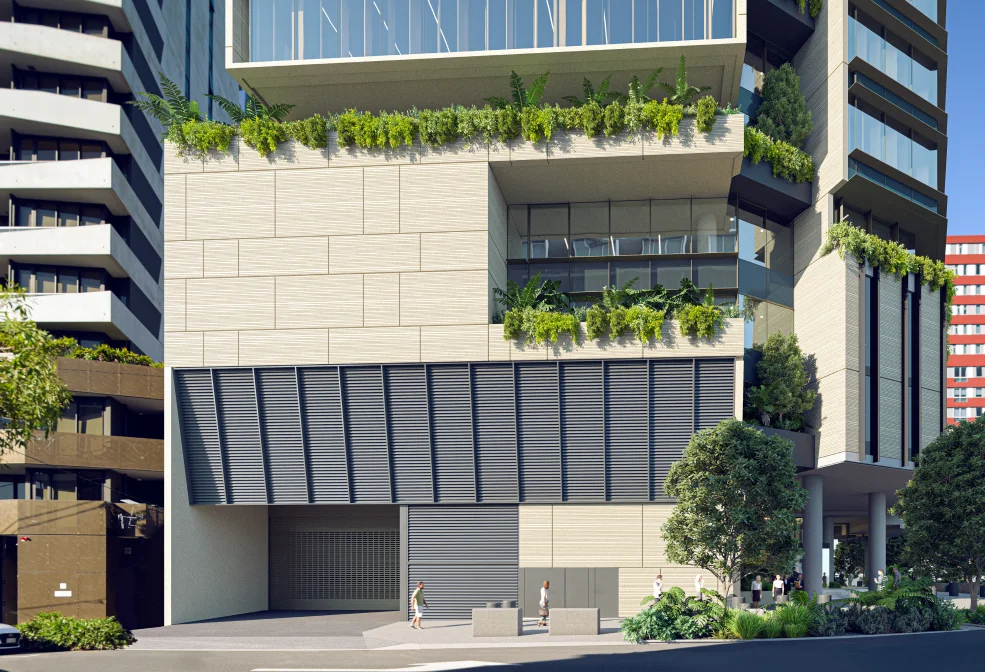
The loss of a forty-year-old riverfront institution is set to reshape the nightlife landscape of the Brisbane CBD as a major precinct redevelopment forces a local icon to pack up its bars and dance floors.
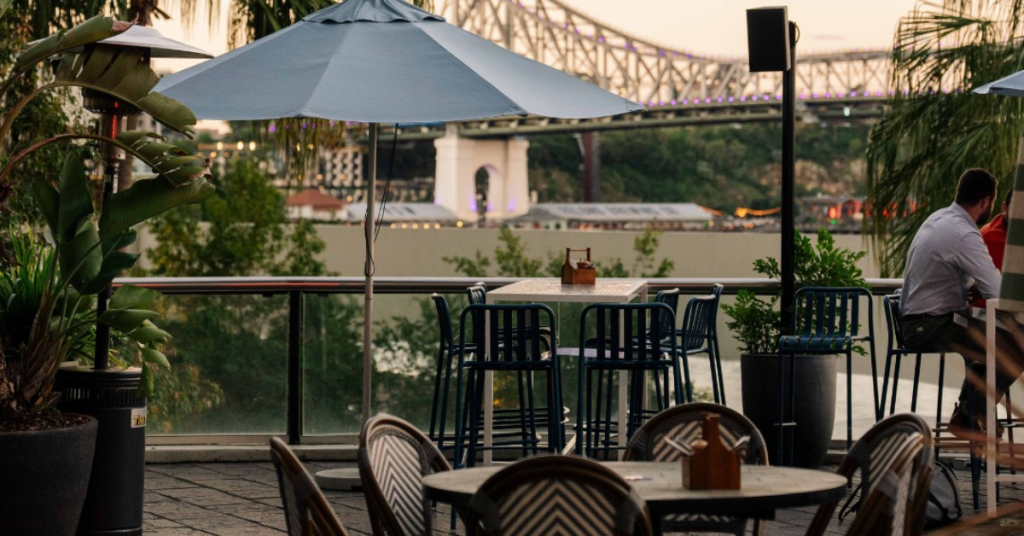
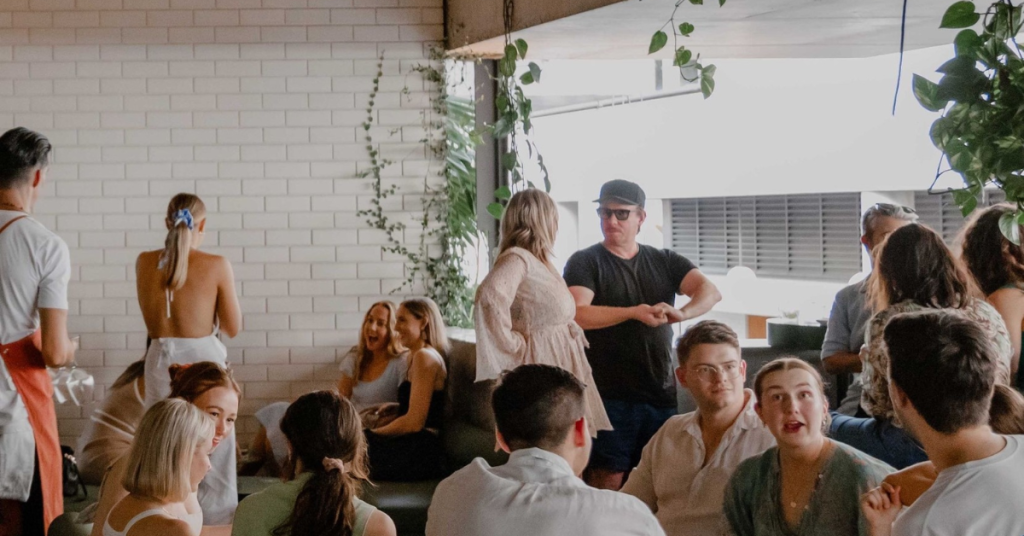
The long-running venue Fridays Riverside will finish its operations at the Eagle Street location this coming Sunday, May 24. For four decades, the massive multi-bar establishment served as a central hub for corporate workers looking for end-of-week drinks, weekend partygoers, and community celebrations.
The venue outlasted several other nearby riverside establishments over the decades, making it a familiar constant for generations of local residents who gathered by the water for music and socialising.
The closure comes as the property lease reaches its natural conclusion, alongside widespread structural changes throughout the waterfront area. Property owners are currently moving forward with extensive redevelopments in the immediate neighbourhood, including the newly finished Kangaroo Point Bridge, an updated Riverwalk system, and billions of dollars in upgrades slated for the nearby Waterfront Place precinct.
Management from the nightclub noted that while the landlord has different plans for the physical site, the identity of the venue might return to the city in a different format or location if the right property becomes available in the future.
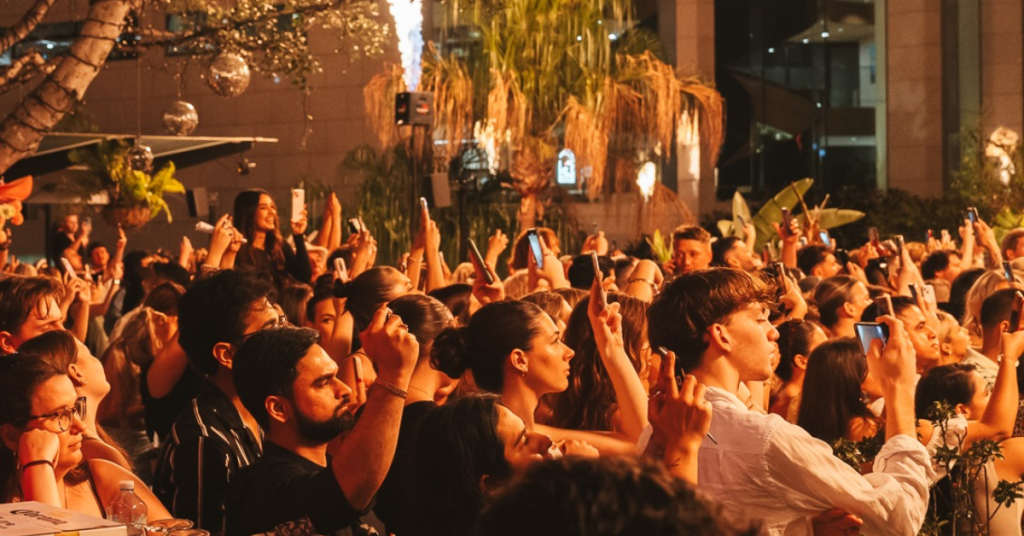
Local residents are planning to gather at the heritage-listed building, which was originally crafted by award-winning architect Harry Seidler in the mid-1980s, for one last weekend of live music. The venue management team has organised a full lineup of local musicians and disc jockeys to play through Friday and Saturday nights to give the community a proper chance to say goodbye to the space.
Staff members expressed that the final weekend is designed to celebrate decades of local memories before the current iteration of the venue finishes its historic run.
A London-based architecture firm with a strong global portfolio has released a bold concept to overhaul the Brisbane Central Station, stripping back its ageing metal canopy to create a light-filled, open-air gateway to the city, with the aim of completing a first stage before the 2032 Olympic Games.
John McAslan + Partners, the practice behind the transformation of King’s Cross and Bond Street stations in London, Belfast Central Station in Ireland, and the redevelopment of New York’s Penn Station, has put forward a vision to transform Brisbane’s Central Station ahead of the 2032 Games.
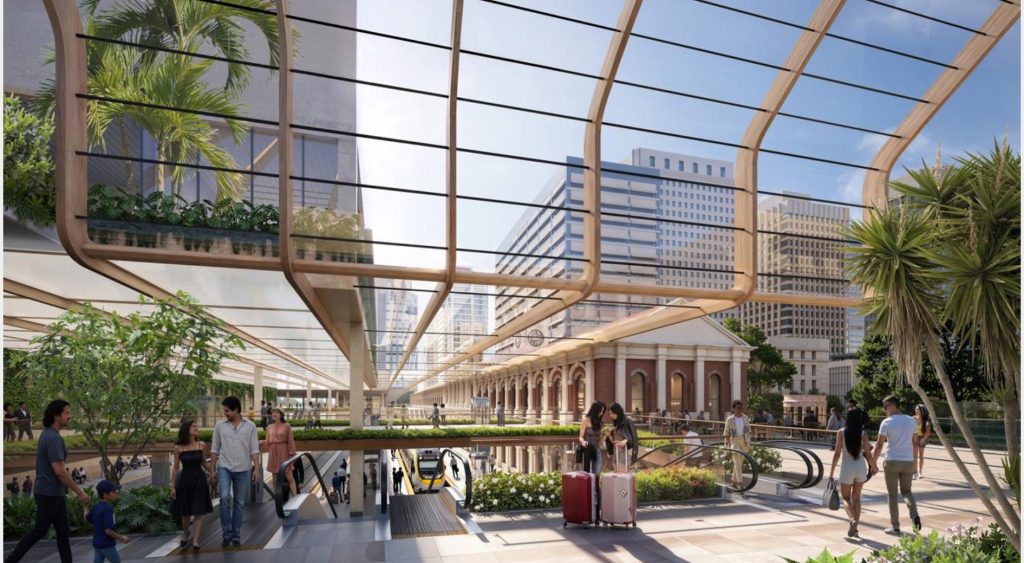
Concept image for Brisbane Central Station (Photo credit: John McAslan + Partners)
Concept imagery shows a sweeping open concourse crowned by a soaring transparent canopy supported by curved timber-look beams, flanked by lush greenery and opening up views toward Anzac Square. It is a far cry from the current station, which the firm’s founder and executive chairman John McAslan described publicly as drab, dated and ill-suited to a city on the verge of hosting the world.
Mr McAslan visited Brisbane to inspect the station in person and attend a roundtable with representatives from state and local officials alongside private developers, all gathered to discuss how the proposal might be advanced within the Olympic timeframe.
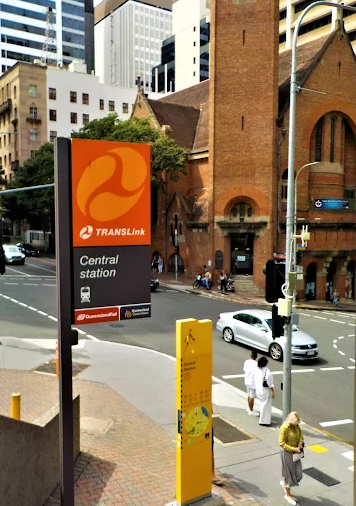
The firm’s position is that the work required is less about wholesale demolition and more about stripping away decades of accumulated clutter. The existing concourse structure would largely remain, with the current metal roof removed and replaced with a far more appealing atrium-style covering. The goal, as McAslan has outlined it, is to create a space where people actually want to spend time rather than rush through.
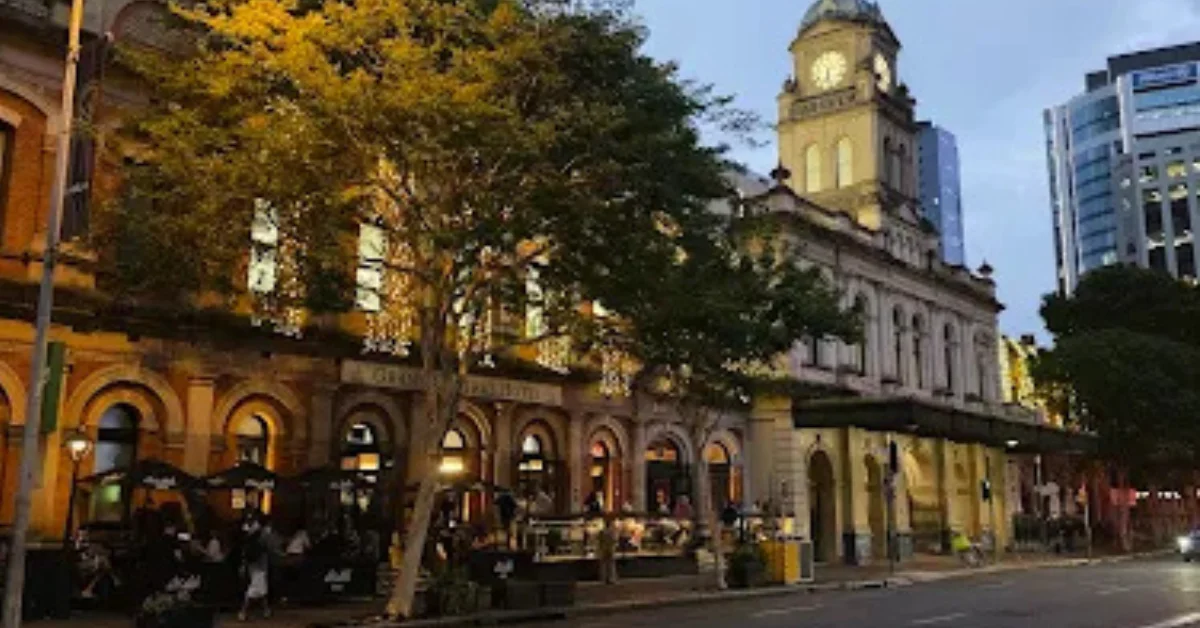
Photo credit: Google Maps/Vlady Peters
The firm has flagged a staged approach. The first phase, which it believes is achievable before the 2032 Games, would focus on that decluttering and re-roofing of the concourse, with the firm noting that around a million visitors are expected to come through Central Station during the Games. A second stage would then look at breathing new life into the station’s heritage fabric.
The proposal arrives at a busy moment in Brisbane’s infrastructure conversation. Roma Street has been widely promoted as the city’s future grand central station once Cross River Rail comes online, and Albert Street Station will add another CBD stop to the network once Cross River Rail is completed. But John McAslan + Partners director Troy Uleman argued that Central Station cannot be left behind in all of this, given it will remain the primary city stop for the Airport train link.
Mr Uleman suggested Brisbane has an opportunity to use the Olympic moment to catalyse lasting change to its urban fabric, and described the level of interest from government and private sector representatives at the roundtable as encouraging.
The proposal remains at concept stage, with no formal commitments from Queensland or Brisbane officials reported at this stage.
For commuters who have long navigated the station’s concourse, the prospect of sunlight, greenery and open views toward Anzac Square, as the firm’s concept envisions, may be reason enough to pay attention.
Did you know that people walk across the site of Brisbane’s once-feared penal colony every day — the very place where forced labour helped build the foundations of the city?
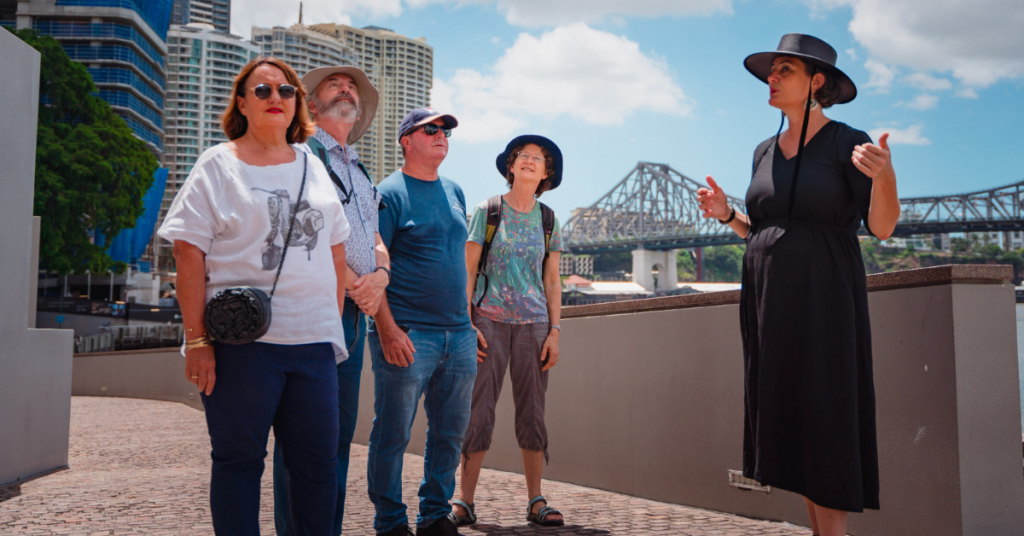
This and other interesting historical tidbits form part of a new 90-minute walking tour by the Museum of Brisbane, designed to show the public little known or hidden layers of history.
The guided experience focuses on the years between 1823 and 1842. During this time, the area changed from a remote prison camp for repeat offenders into the beginnings of a permanent town.
The Architecture of Forced Labour
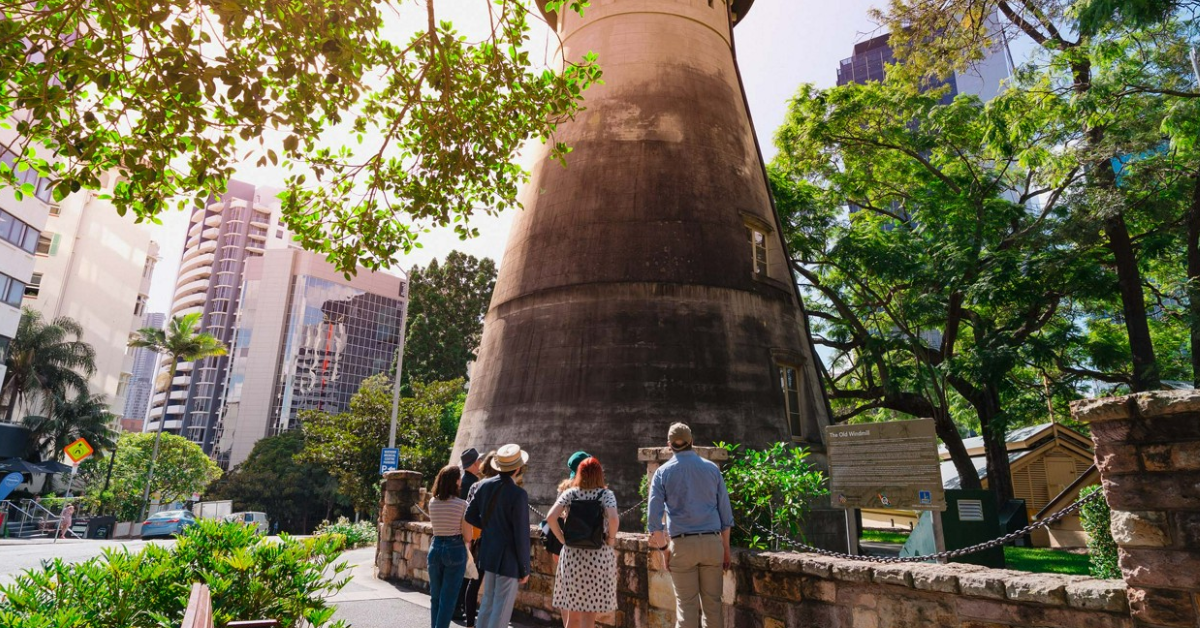
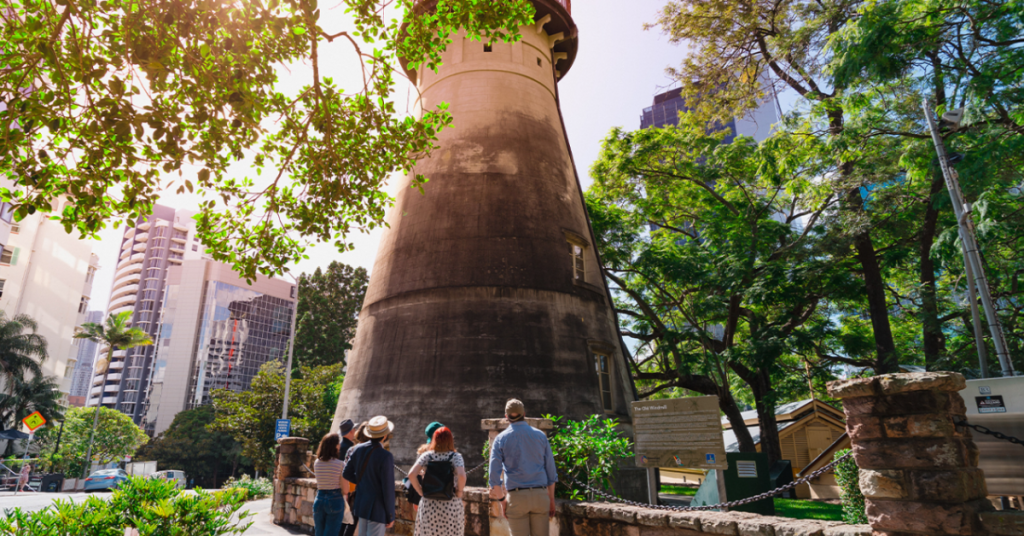
The walk is designed for people with average fitness levels who want to see the city from a different perspective. It starts at the Old Windmill Tower and travels through the city streets to finish at Queen’s Wharf.
The 1.75-km tour looks at how the city’s oldest buildings serve as physical reminders of the convict era. Many people walk past the Old Windmill Tower or the Commissariat Store without knowing they were built by hand using prisoner labour.
The Commissariat Store is the second-oldest colonial building in the state, and it still stands as a reminder of how the settlement was managed. By looking at these stone structures, visitors can better understand the difficult living conditions and the heavy workload that defined daily life for those living under British authority in the early 1800s.
While the tour follows the physical path of the British colony, it also highlights the experiences of the First Peoples. The settlement of the Brisbane CBD did not happen in a vacuum, and the arrival of the penal colony led to the Frontier Wars. Guides explain how the local Indigenous groups responded to the sudden changes in their Country.
By looking at these two different experiences side-by-side, the tour gives a more complete picture of the complex events that occurred as the township grew. Landmarks like Miller Park and the Petrie Tableau help tell these intersecting stories.
Museum of Brisbane officials believe that moving at a slower pace allows residents to see small details that are usually missed in the rush of daily life.
CEO Zoe Graham noted that this walk builds on a series of themed tours that have been popular since 2020. She stated that the goal is to help people notice the deeper cultural history that exists right at street level.
Lord Mayor Adrian Schrinner also mentioned that these tours are an important way for the community to connect with the events and people that helped turn Brisbane into a major capital city.
A Fortitude Valley car park on a long-unused inner-city block could be transformed into a nine-storey commercial office tower, with plans lodged for the corner of Ann and Chester streets.
Consolidated Properties Group has lodged plans for a commercial-led mixed-use development at 925 to 927 and 949 Ann Street, covering a gateway corner site in Fortitude Valley.
The block was formerly used as a service station and has operated most recently as a Wilsons car park. It has stood nearly empty for about two decades, with earlier proposals for the site not progressing to construction.
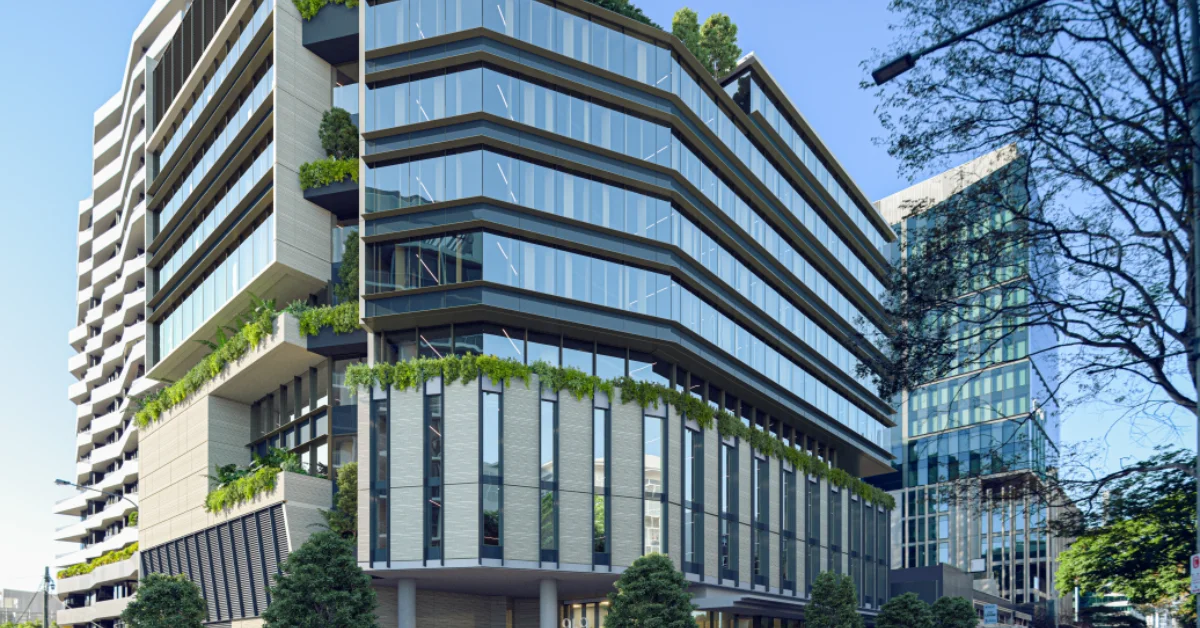
The latest plan would deliver a nine-storey office tower with ground-level retail, landscaped areas and a publicly accessible entry plaza. Designed by Blight Rayner Architecture, with landscape design by Urbis, the proposal includes about 11,856 square metres of gross floor area on a 2,335-square-metre site.
The building would sit above two basement levels and reach about 46.65 metres to roof level.
Photo Credit: DA/A007011538
Earlier Fortitude Valley Plans Reworked
The Ann Street site has been the subject of several previous development ideas.
A 2017 proposal by Kenlynn Projects involved a 15-storey office tower with 13,630 square metres of gross floor area. Before that, a hotel proposal was put forward in November 2013, followed by a mixed residential and hotel scheme in February 2015 that included 42 apartments and 70 hotel rooms.
The current proposal takes a lower form than the earlier 15-storey office plan, while increasing floor plate sizes and adding larger terrace areas. Part of the existing warehouse at 925 Ann Street would also be retained as part of the development.
Terraces, Greenery And Flexible Office Space
The tower has been designed around flexible commercial floor space, outdoor areas and subtropical landscaping.
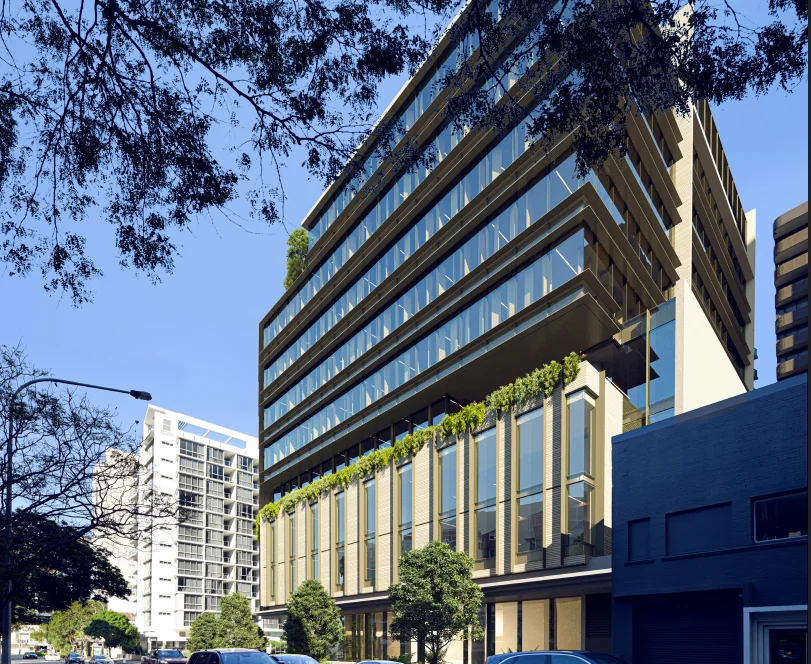
Plans show a five-level podium with four levels of commercial office space above. The structural and services core would be positioned along the eastern boundary, allowing open-plan work areas with natural light and views to the north, west and south.
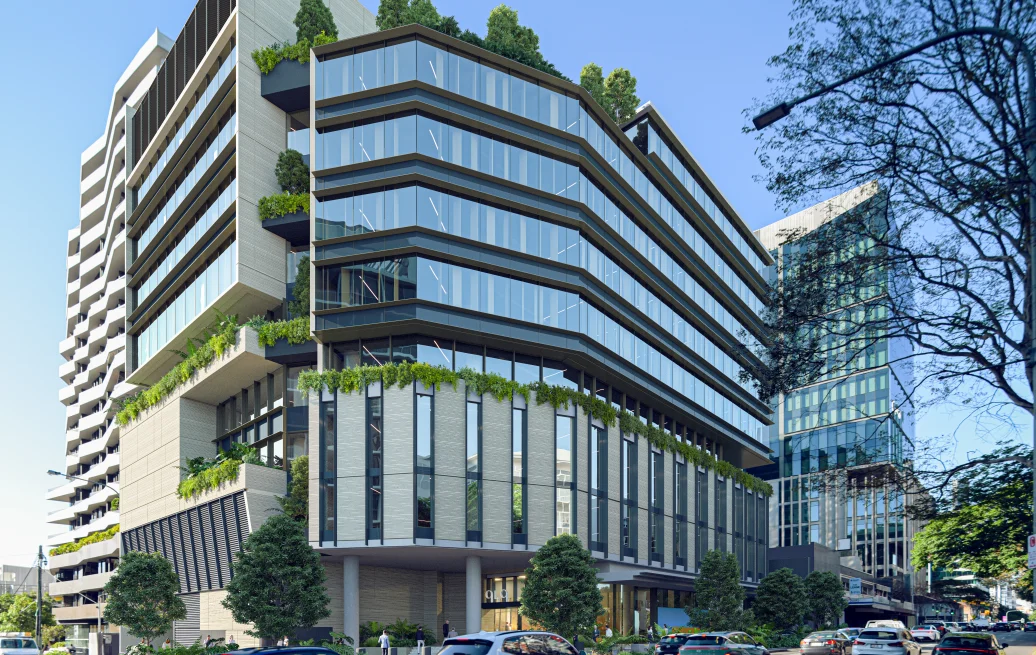
The design includes landscaped terraces, outdoor city rooms, a rooftop sky garden and cascading planting across parts of the building. The facade would feature horizontal aluminium sun-shading fins and high-performance double-glazed units.
At ground level, the project would include landscaped seating, exposed aggregate paving, garden beds, a recessed foyer and a continuous awning along Ann Street.
Photo Credit: DA/A007011538
Parking And Access From Chester Street
The proposal includes 72 car parking spaces across two basement levels, with two accessible spaces, five visitor spaces and four motorcycle bays. It also provides 77 bicycle parking spaces and end-of-trip facilities on basement level one.
Vehicle access would be from Chester Street through a single driveway. The service area is planned to accommodate one medium rigid vehicle, one small rigid vehicle and two vans.
The development also includes hostile vehicle mitigation elements along parts of Ann and Chester streets, with barriers and bollards incorporated into the streetscape design.
Photo Credit: DA/A007011538
Application Remains Under Assessment
The project is targeting a 5 Star Green Star Buildings v1.1 rating and a minimum 5 Star NABERS Energy rating. Listed design measures include high-efficiency HVAC systems, facade optimisation studies, water management initiatives, operable windows, natural ventilation and daylight access.
The proposal would sit near two previous Consolidated Properties Group office projects along the Fortitude Valley city-fringe strip.
If approved, the development would shift the long-running car park site towards commercial office and retail use, with larger workplace floor plates, landscaped terraces and public plaza space planned for one of Ann Street’s key corner blocks.
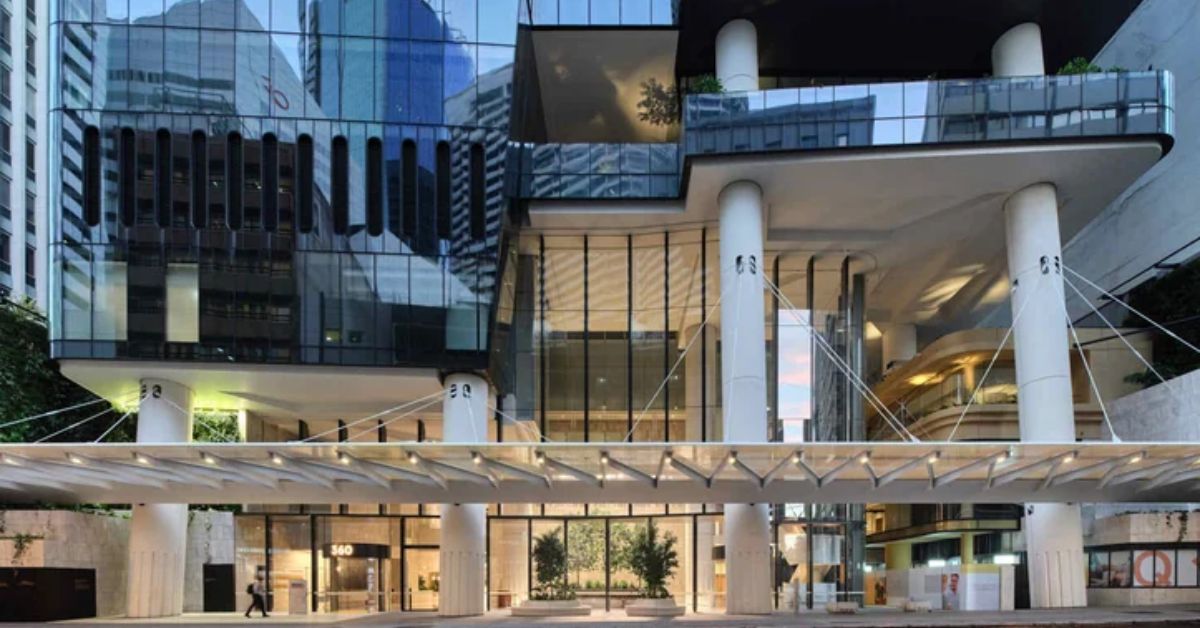
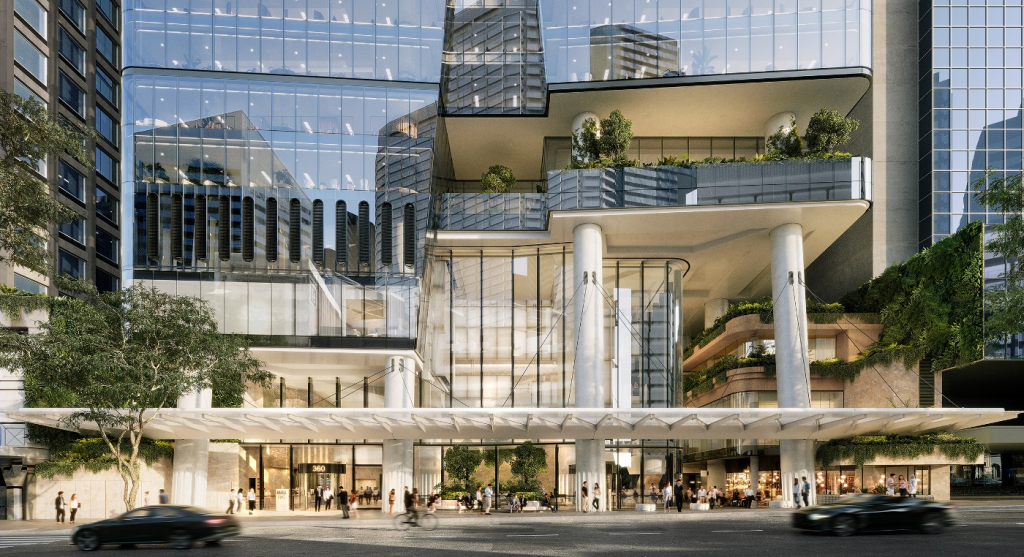
The $700 million 360 Queen Street tower has officially opened in Brisbane’s Golden Triangle, bringing a 33-storey premium office building to the CBD that will hold the title of the city’s newest commercial tower until Dexus’ North Tower at Waterfront Brisbane completes in late 2028, a gap of more than two and a half years.
The joint venture between Charter Hall and Investa, developed through the Charter Hall Prime Office Fund and Investa Commercial Property Fund, marked the official opening on 1 May 2026 after a build that ran approximately 12 months beyond its original schedule, navigated through a period Carmel Hourigan, Charter Hall’s Office CEO, describes simply as “one of the hardest periods working in office.”
“Going through the Covid pandemic, cyclones, flooding, a massive cost escalation and productivity issues was challenging for the joint venture partners,” Hourigan said.
The building is 95 per cent pre-committed and currently half full, with tenants progressively completing fit-outs and relocating across the coming months.
From a 40-storey plan to a 33-storey building
The tower that opened bears only a partial resemblance to what was first proposed. The original concept was a 40-storey building, and scaling it back to 33 storeys was, by Investa CEO Pete Menegazzo’s own account, not a smooth internal process.
Photo Credit: 360 Queen Street
“When decisions were made we were just coming out of Covid and so there were still a lot of questions about what was going on in the office market in the longer term and higher levels for precommitments were a risk,” Menegazzo said. “It was a healthy debate we needed to have.”
The decision proved well-calibrated. By the time the building reached completion, the Brisbane office market had moved firmly in its favour, with the newest tenants paying a net effective rent approximately 40 per cent higher than HopgoodGanim Lawyers and BDO, who both signed in early 2022 as the first tenants committed to the building.
Photo Credit: 360 Queen Street
Hourigan acknowledged the early commitment to those businesses: “The early birds certainly got the worm.”
Inside 360 Queen Street
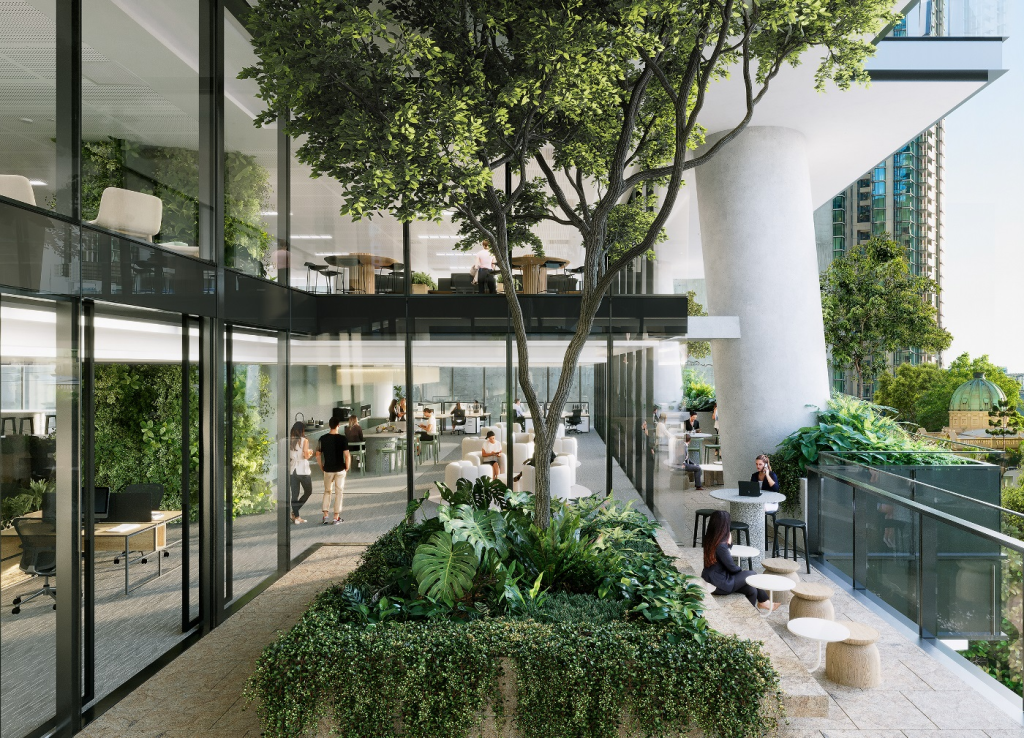
Designed by Blight Rayner Architecture and built by Hutchinson Builders, 360 Queen Street delivers premium office floors alongside a suite of amenities built around the direction that workplace design has been moving.
Photo Credit: 360 Queen Street
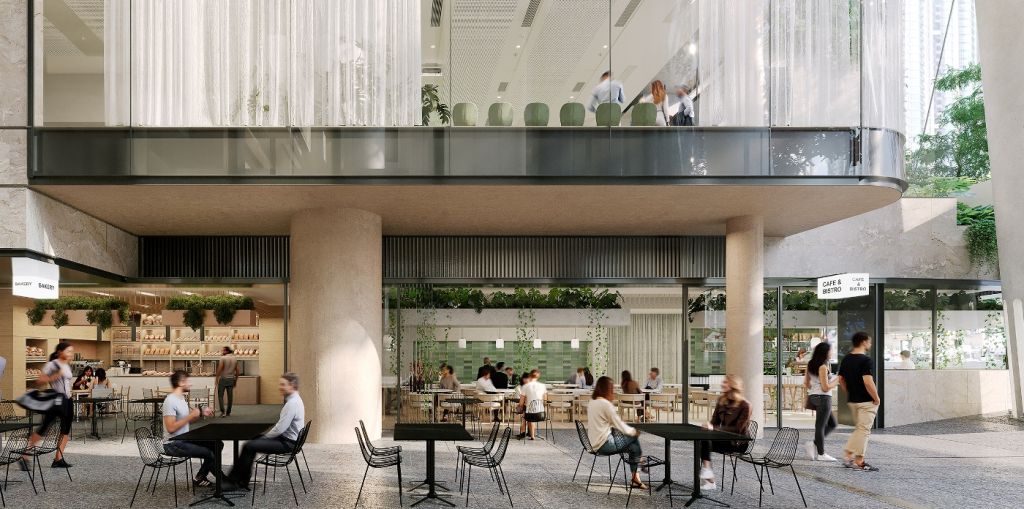
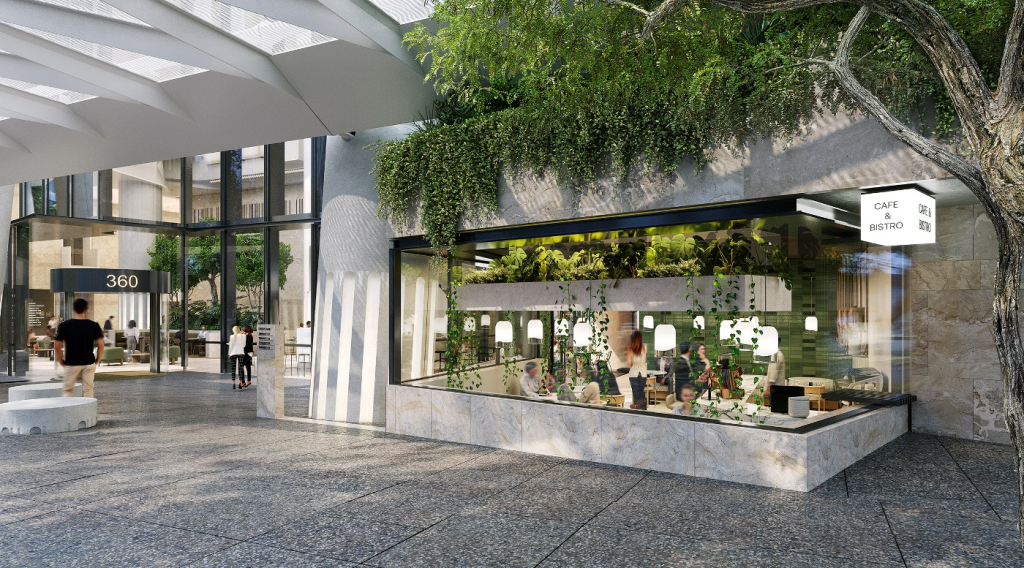
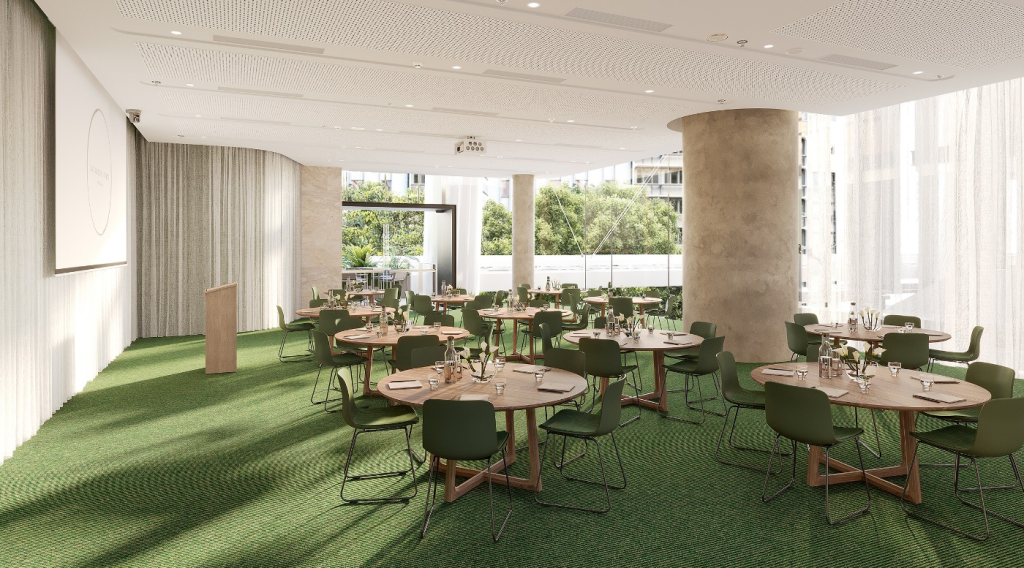
A dedicated wellness centre, a multi-functional conference and business hub, a curated retail laneway, cafes and an activated ground plane bring a mix of uses to the building that reflects the contemporary expectation that premium offices need to be destinations rather than simply places to sit at a desk.
Photo Credit: 360 Queen Street
Positioned within the Golden Triangle, the 360 Queen Street tower sits right on the CBD’s northern gate, putting both Fortitude Valley and the major law and finance hubs within arm’s reach.
The joint venture intends to hold the asset long-term.
“I think we’ll just enjoy it,” Hourigan said.
Brisbane’s premium pipeline is thin from here
The significance of 360 Queen Street for Brisbane’s office market extends beyond the building itself. With its completion, Brisbane effectively exits its current pipeline of premium office supply for more than two years.
The next major addition will be Dexus’ North Tower, the taller of the two towers in the $2.5 billion Waterfront Brisbane development on the northern edge of the CBD, which is due for completion at the end of 2028.
For tenants seeking large-floor-plate premium space in Brisbane between now and late 2028, the choices are effectively fixed. That supply constraint, combined with the continued migration of tenants from older-stock buildings to premium assets, underpins the rental growth trajectory that has already made 360 Queen Street’s newest leases substantially more expensive than its founding ones.
For leasing enquiries at 360 Queen Street, click here.
Business and community leaders from across Brisbane — including Fortitude Valley — are being called to take part in the 2026 Vinnies CEO Sleepout, with the city’s flagship event locked in for this winter.
The Brisbane sleepout will be held on Thursday 18 June at Roma Street Parklands, just minutes from the Valley, where participants will spend the night outdoors to raise funds and awareness for people experiencing homelessness.
One night on the ground, thousands without a home
The Sleepout has become one of Australia’s most high-profile charity events, asking leaders to swap comfort for a single night to better understand the realities of homelessness.
More than 122,000 Australians are currently without stable housing, according to the latest Census — a figure that has risen in recent years and is expected to remain under pressure.
Organisers say the goal is not just fundraising, but keeping homelessness firmly in the public conversation.
A crisis that doesn’t stop at the CBD fringe
Inner-city areas like Fortitude Valley often sit close to the frontline of the issue, where demand for support services is constant and highly visible.
But charities say the pressure extends well beyond the CBD, with more people than ever — including those in work — seeking help with essentials like food, rent and bills.
Services connected to St Vincent de Paul Society National Council are among those responding, providing emergency accommodation, meals and ongoing support as demand continues to climb.
More than $100 million raised — and counting
Since launching in 2006, the Vinnies CEO Sleepout has raised close to $110 million nationally, supporting thousands of Australians with housing, food and critical services.
In 2025 alone, more than 1,500 leaders took part, raising over $9.4 million.
This year’s event comes as housing affordability and cost-of-living pressures continue to drive more people into financial stress.
A visible show of support in the city
With Roma Street Parklands set to host the Brisbane event again, organisers say participation from inner-city business hubs like Fortitude Valley plays a key role — both in fundraising and in raising awareness where the issue is most visible.
Registrations are now open for the 18 June sleepout, with donations also encouraged to support frontline services.
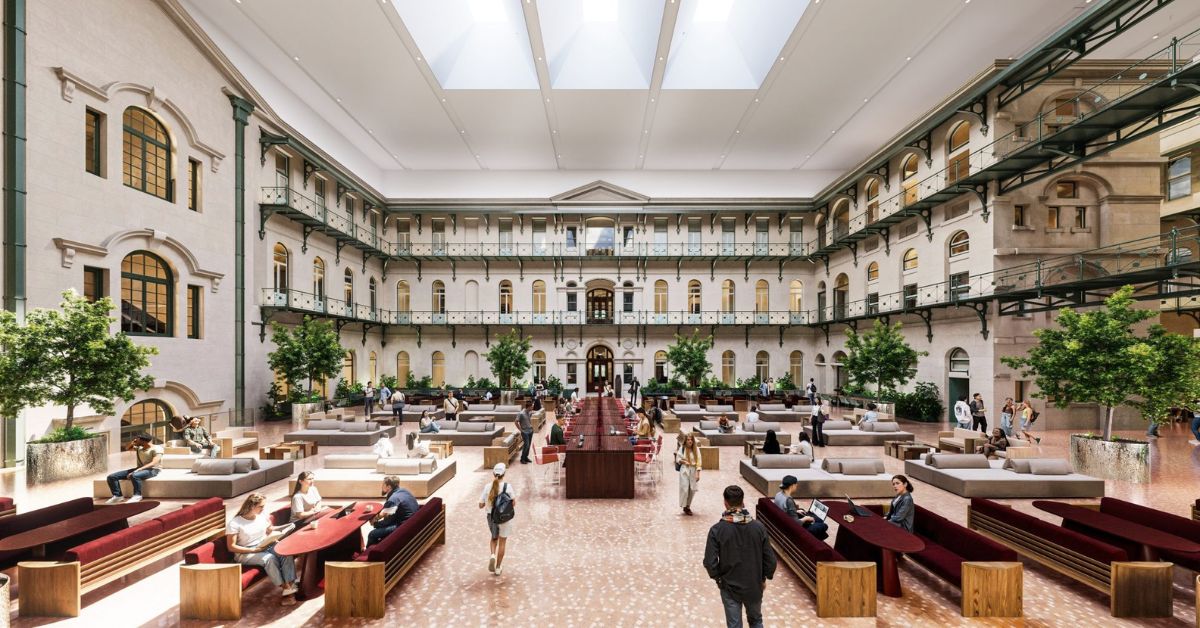
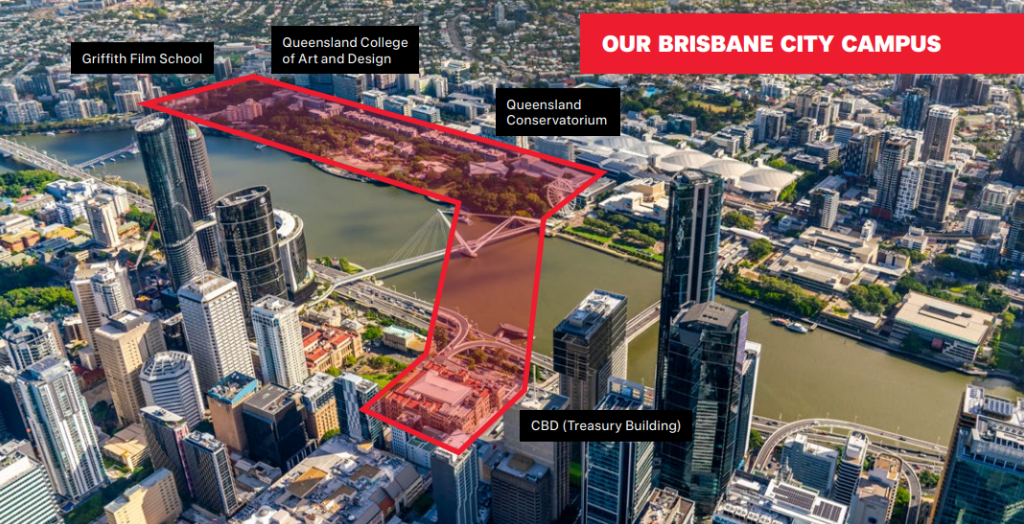
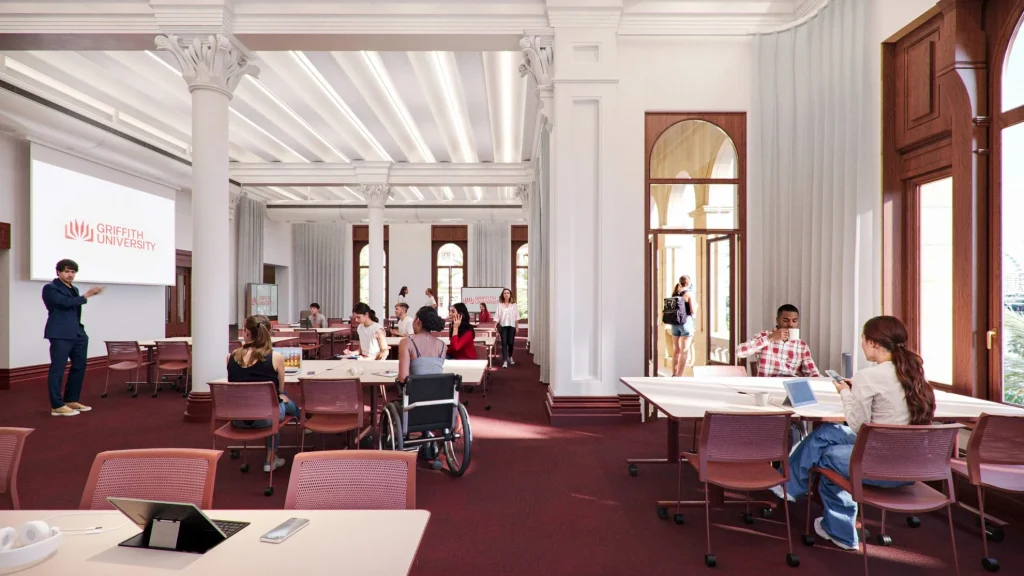
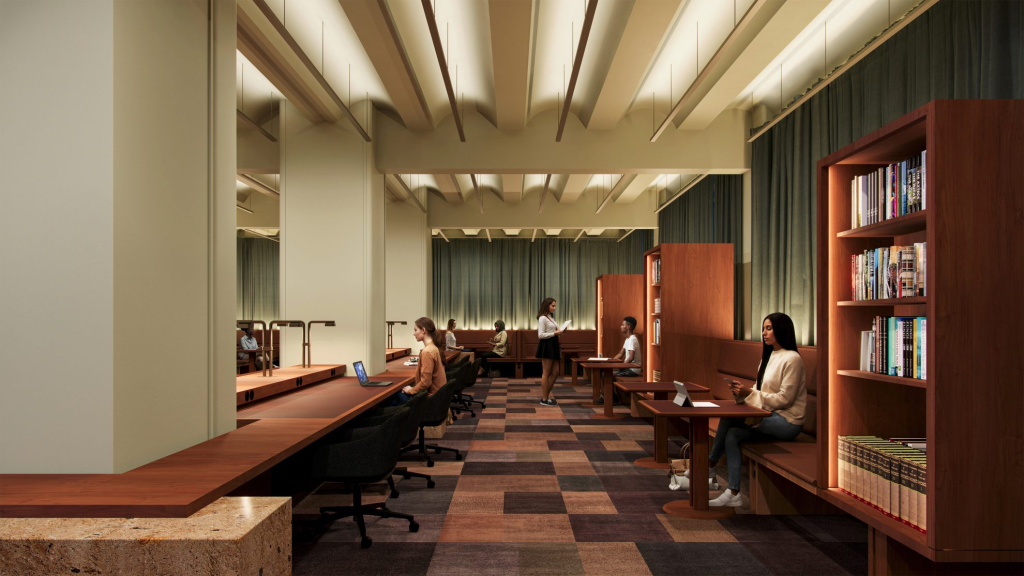
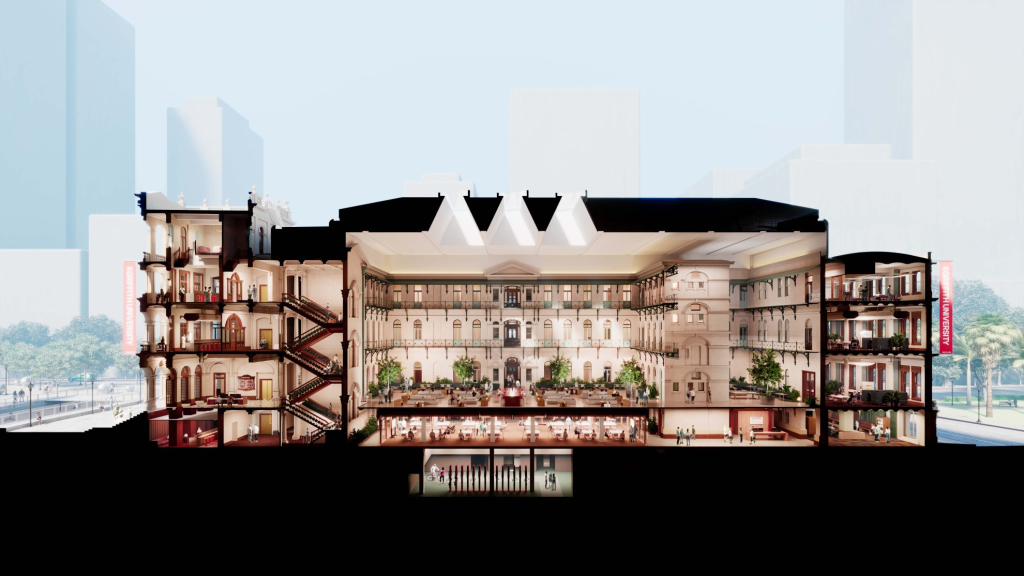
Griffith University’s School of Information and Communications Technology, home to Queensland’s top-ranked artificial intelligence programme, will move from its Nathan campus into the heart of Brisbane’s CBD from 2027. The move establishes the heritage-listed Treasury Building as the state’s most significant urban technology and AI learning hub.
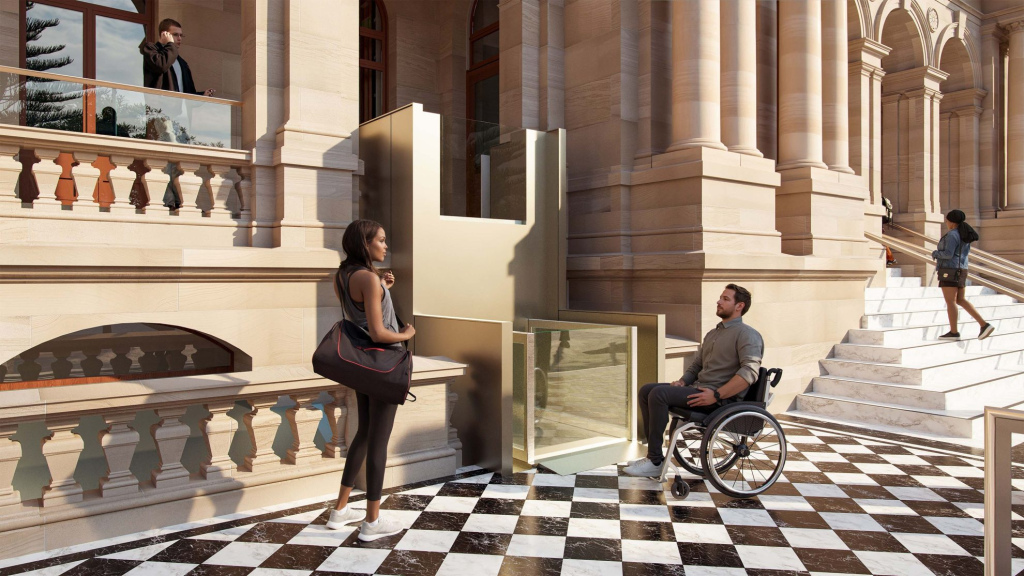
The transformation of the Treasury Building—formerly operated as a casino by The Star Entertainment Group and acquired by Griffith for $67.5 million—marks a major milestone in the adaptive reuse of Queensland’s heritage architecture. COX Architecture is leading the design and fitout of the iconic landmark.
The campus will welcome its first intake of students in 2027, eventually accommodating roughly 6,000 students and 200 staff members at full operation.
A building that has always shaped Queensland’s story
The Treasury Building on Queen Street is one of Brisbane’s most significant heritage-listed structures, its ornate Baroque Revival sandstone façade remaining a fixture of the CBD skyline for more than a century. It began life as Queensland’s colonial treasury, transitioned through phases as a public service building, and most recently served as a casino.
Now, it begins its next chapter as a purpose-built learning environment.
The decision to bring Griffith’s ICT school into this central space is a deliberate strategy to bridge academia and industry. Professor Ernest Foo, who leads the school, noted that the central location offers unmatched opportunities for collaboration.
“Bringing ICT students together in the Treasury Building will offer so many opportunities to build connections that they’ll take into their future careers,” Professor Foo said. “The Treasury Building will allow us to build on the work we currently do to connect students from across disciplines to collaborate and work with industry partners in real-world scenarios.”
AI and cyber security at the centre of the vision
The ICT school’s relocation anchors the Treasury’s identity as a technology hub focused on two critical disciplines: artificial intelligence and cyber security. Professor Foo explained that AI sits at the core of the school’s teaching and research initiatives.
“Artificial intelligence is one of those big disruptors in the modern world,” Professor Foo said. “It’s changing the way we work. And it’s not one of those things to be feared so much, but it’s one of those things that we can take advantage of.”
Griffith was the first university in Queensland to offer a dedicated Bachelor of Cyber Security degree, alongside its master’s programme. Professor Foo highlighted that industry demand for specialist cyber security professionals continues to outpace the supply of graduates.
“From listening to industry, we’ve found that there’s a big need for more people with that specialist knowledge. Being located in the Treasury Building in Brisbane will help us to meet that need.”
The university will run its signature industry simulation events and tech hackathons directly from the CBD campus. These practical intensives bring together students from IT, business, law, and criminology to tackle real-world digital threats, delivering the exact cross-disciplinary experience modern employers demand.
Students who are already thinking about what it means
Master of Cyber Security student Henry Ng said the Treasury Building’s combination of heritage and technology makes the move unique.
“I think it’s really interesting to see a historic building like the Treasury Building being used for a future-focused field like IT,” Ng said. “That contrast between heritage and technology makes it quite unique.”
For Ng, the CBD location changes the texture of student life by lowering the barrier to professional networking.
“Being in the CBD also means we’re closer to industry, so it creates more opportunities to connect what we learn with what’s happening in the real world,” he said. “Being in the city also means more people will see and interact with Griffith students, which builds a stronger presence and makes the experience feel more dynamic.”
This perspective reflects how modern universities are integrating directly into city infrastructure. Griffith’s teaching framework is guided by an Industry Advisory Board—a panel of sector experts who align curriculum with current industry needs to ensure graduates possess highly targeted, hirable skills.
The Treasury Building will not function exclusively as an AI and technology hub. The campus will also house undergraduate and postgraduate business and law degrees, alongside postgraduate and executive education programmes.
By drawing thousands of local and international students directly into the heart of the city, the central hub will inject significant economic activity into the Brisbane CBD.
Fortitude Valley’s Ada Lane has become the home of a surprising new culinary mash-up as LOS Bar fuses the fiery flavours of Mexico with the fragrant spices of Thailand in a single, high-energy space.
The shift in direction marks a deliberate move to connect the bar more closely with its well-known downstairs neighbour, sAme sAme. While the venue has been a part of the local scene for seven years, the team behind the space decided it was time to bridge the gap between their love for Thai ingredients and their massive collection of spirits.
The change officially took effect in early May 2026, transforming the unassuming spiral staircase entrance into a gateway for a “Mexi-Thai” experience. The goal was to create an atmosphere that feels like a party in the back of a Thai taxi, blending energy with unexpected flavours.
The kitchen has moved away from traditional boundaries by finding the common ground between two distinct cultures. Culinary leaders Ben Williamson and Arte Assavakavinvong looked at how both Mexican and Thai cooking rely on charcoal grills and bold punches of heat.
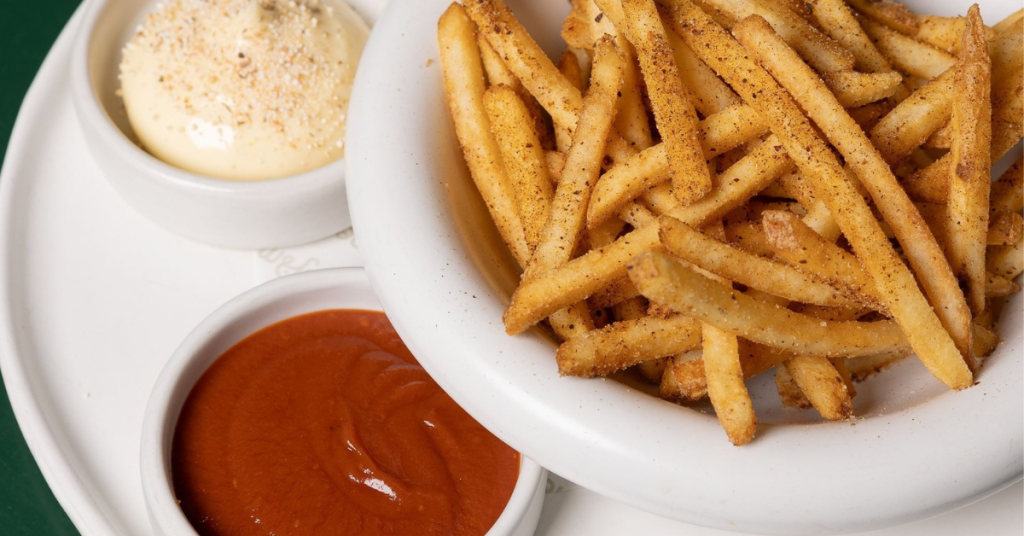
This led to the creation of dishes like the pork jowl taco, which swaps out standard fillings for a Thai-style cut of meat. Other additions include corn ribs seasoned with a spicy butter made from Thai chillies and lime. The staff noted that the idea for these pairings came from seeing how well Mexican street food could be improved by adding classic South East Asian elements.
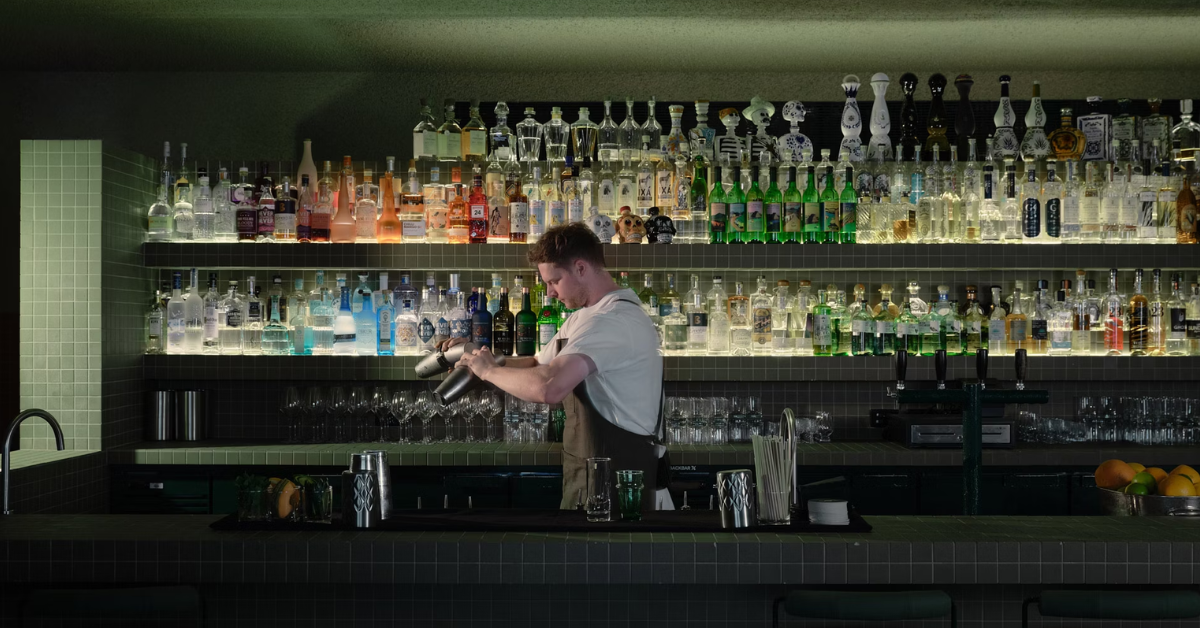
The drink selection remains a major draw for the area, featuring one of the largest collections of agave-based spirits in the country. With over 360 bottles of tequila and mezcal on the shelves, the bar serves as a specialist hub for enthusiasts. One of the most talked-after items is a cocktail called the Holy Mole, which uses a sauce usually reserved for beef tacos and mixes it with chocolate and hibiscus.
General manager Monte Mouat explained that the aim is to offer a high-quality collection of drinks that remains approachable and fun for the community rather than feeling stiff or intimidating.
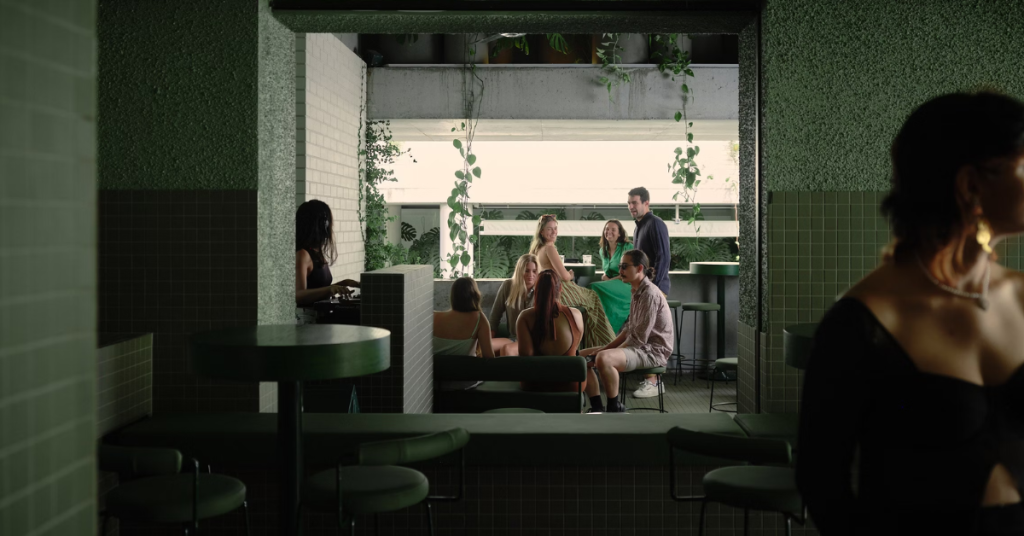
The interior of the bar has been designed to reflect its moody and vibrant personality, using green walls and dim lighting to set the tone. On the weekends, the energy picks up with a music program that brings in sounds from Mexico City and Europe, transitioning the space from a quiet spot for afternoon drinks into a lively late-night destination. To keep things simple for locals, the venue operates without bookings. It is open on Wednesdays and Thursdays starting at 5pm, and from Friday through Sunday starting at 1pm, welcoming anyone looking for a seat after dinner or a quick drink in the heart of the Valley.
Brisbane artist Dublin Rose will bring her long-awaited debut album to Fortitude Valley, headlining a launch show at one of the precinct’s intimate live music venues.
The self-titled nine-track record is set for release on 8 May, blending pop, indie rock and folk influences. It includes her latest single They Say, continuing the instinctive, emotionally driven songwriting that has shaped her rise across Brisbane’s live scene.
Many of the tracks were written years earlier, with the final album reflecting both their original form and her development through the recording process. The project captures a period of creative growth, with earlier material reworked and refined in the studio.
Her songwriting remains grounded in spontaneity, with ideas often forming quickly and evolving into fully realised songs in a short space of time. That immediacy carries through the record, giving it a consistent, authentic tone across genres.
Valley launch set for May 23
The album will be officially launched with an 18+ show at Black Bear Lodge on 23 May, adding to the venue’s run of emerging and established acts within the Valley’s live music circuit.
Known for its close-up setting and strong focus on independent artists, Black Bear Lodge provides a fitting backdrop for the release, with a mix of local supporters and wider Brisbane audiences expected to attend.
The launch marks a key moment in Dublin Rose’s live trajectory, following years performing across Brisbane venues and building a steady following.
Following the show, she is set to head overseas for a three-month European run, with performances planned in London, Paris and Ireland, focusing on smaller, intimate shows.
Dublin Rose is a 21-year-old Brisbane-based singer-songwriter and guitarist whose sound blends indie pop-rock and folk, driven by sharp storytelling and a clear soprano vocal style.
She began busking at 12 and has since developed into a regular performer across Brisbane, both solo and with her three-piece band. Her live résumé includes venues such as The Tivoli, The Regatta, Felons Barrel Hall, The Brightside and Black Bear Lodge.
In 2024, she graduated with a Bachelor of Fine Arts in Music from Queensland University of Technology, where she was selected for the student-run label Vermilion and formed her current band. She went on to win the QUT Battle of the Bands.
Her recent highlights include winning the People’s Choice Award at Brisbane City Council’s QUBE Effect program, supporting touring acts, selling out headline shows at The Brightside and The Junk Bar, and receiving airplay across ABC Radio Brisbane and community radio.
With a growing live presence and upcoming international performances, Dublin Rose is continuing to build momentum within Brisbane’s music scene and beyond.
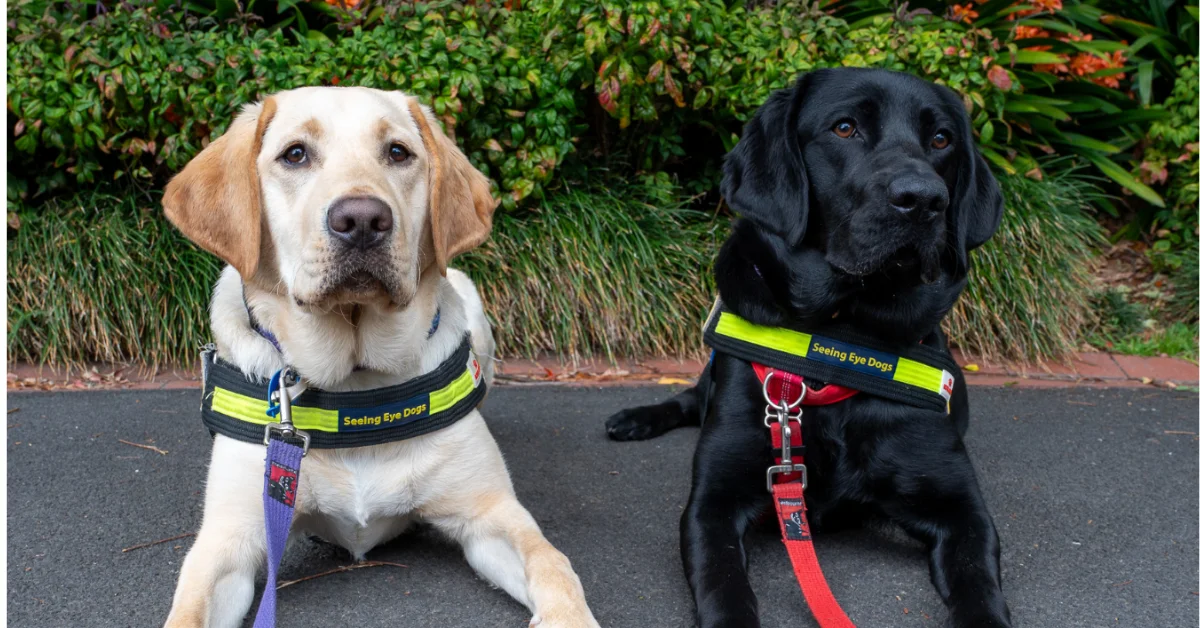
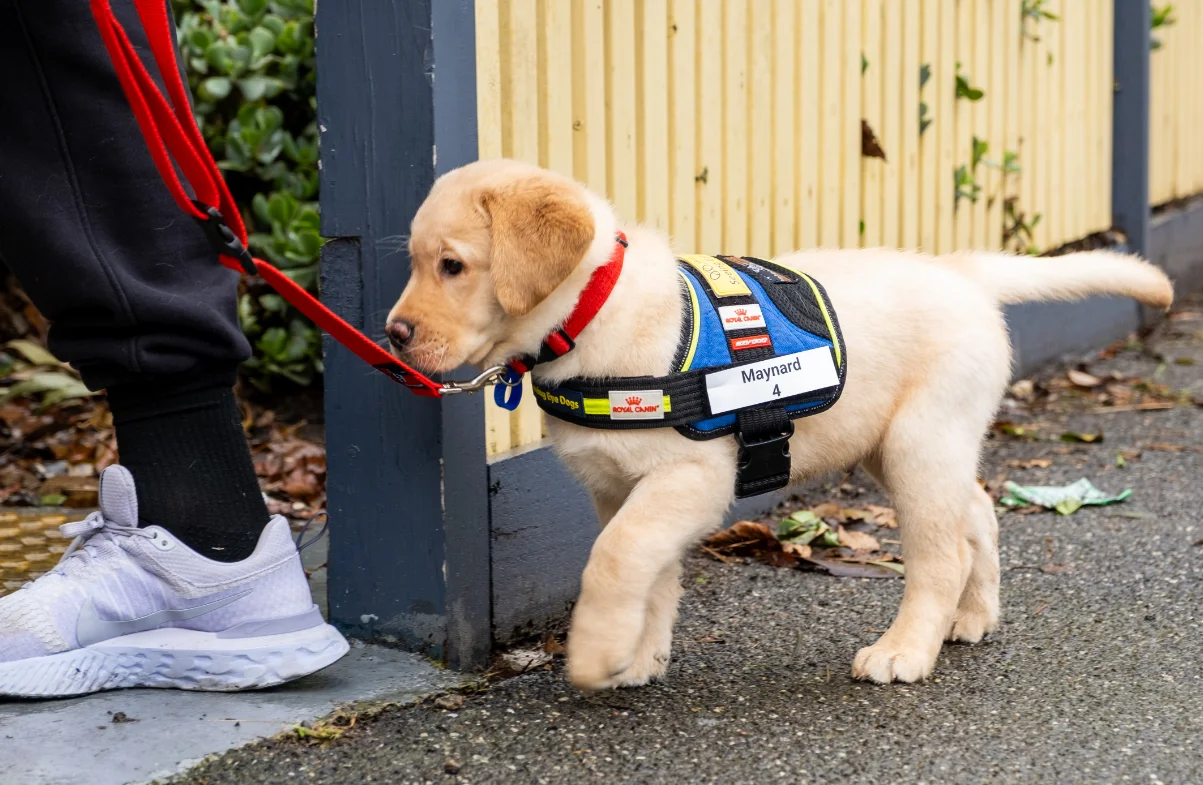
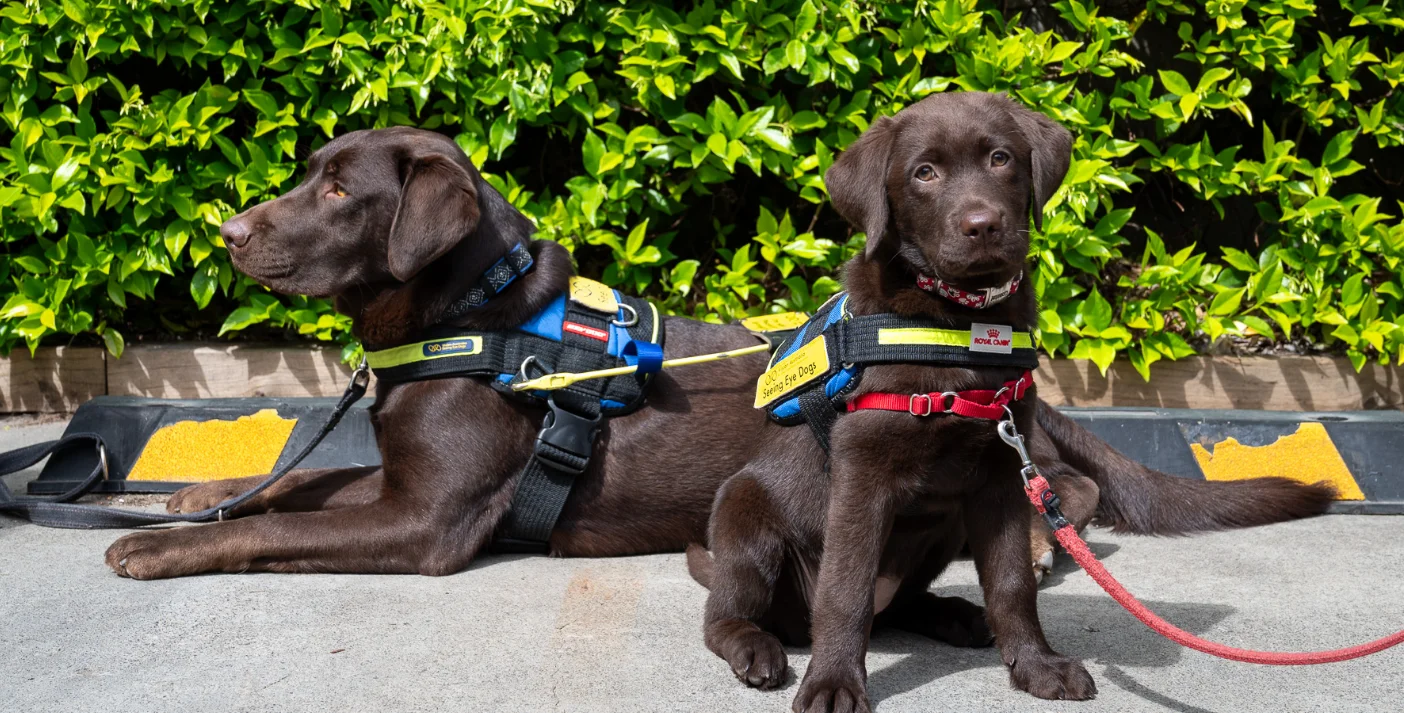
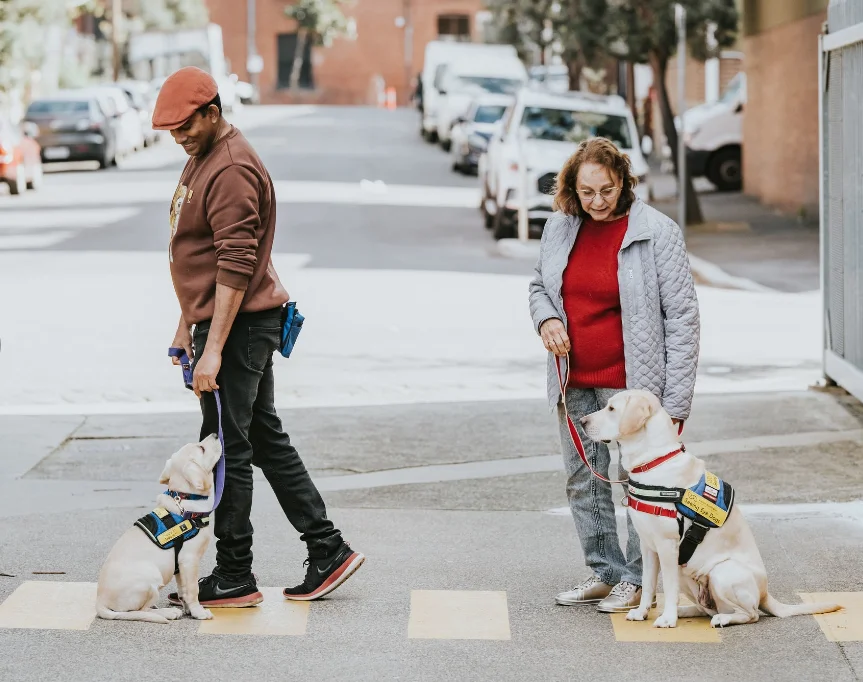
A group of Seeing Eye Dog puppies will make their way through Brisbane CBD, drawing attention and curiosity as they walk from Central Station to the Botanic Gardens for International Guide Dog Day.
The walk will see puppies-in-training, alongside volunteers and trainers, make their way through the city before arriving at The Gardens Club café on Gardens Point Road. Running from 10:30 am to 11:30 am on 29 April, the Brisbane CBD event brings together those involved in the development of Seeing Eye Dogs, from early training through to placement.
It marks a day dedicated to recognising the work behind each dog, including the role of trainers, veterinary staff, volunteers, donors and the people who rely on them.
Photo Credit: Vision Australia
Opening the Program to the Public
What begins as a walk through the city settles into a more relaxed gathering at the gardens. At The Gardens Club, members of the public are encouraged to come down, enjoy a coffee and spend time with the puppies while learning more about Seeing Eye Dogs and the services available.
The event offers an opportunity to ask questions, explore volunteer roles and understand how the program supports people who are blind or have low vision. Informal moments, including time spent with the puppies, sit alongside conversations about how each dog is prepared for its future role.
Photo Credit: Vision Australia
The Journey Behind Each Dog
While the interaction may be brief, the path behind each puppy is extensive. It takes around two years of training and care before a Seeing Eye Dog becomes fully qualified, with the cost of raising and preparing a single dog in excess of $50,000.
Across Australia, more than 260 active handlers are currently supported by working Seeing Eye Dogs. Their role is to assist people who are blind or have low vision to move through daily life with greater mobility and independence.
As the only national provider, trainer and breeder of Seeing Eye Dogs in Australia, Vision Australia Seeing Eye Dogs supports people across the country through every stage of this process.
Photo Credit: Vision Australia
Part of a Wider Day of Recognition
The Brisbane CBD walk takes place as part of International Guide Dog Day, held each year on the last Wednesday in April. The day recognises the broader journey of Seeing Eye Dogs and the people involved in their development.
Similar activities are taking place across Queensland, Victoria and New South Wales, bringing together clients, volunteers and dogs in coordinated walks and community events.