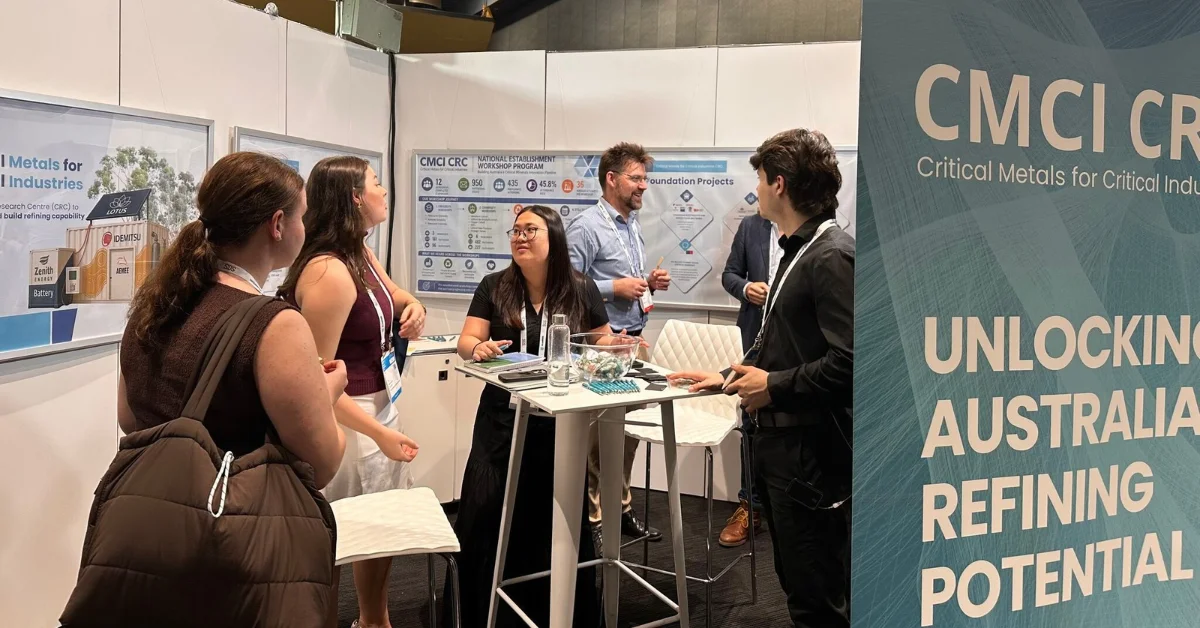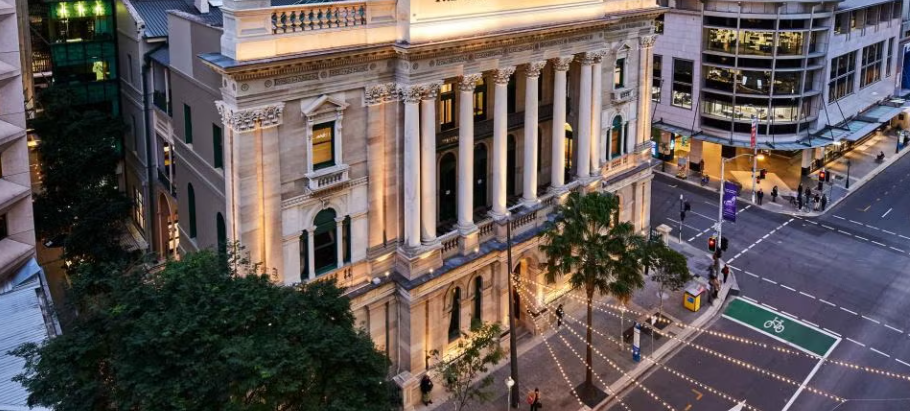



The Fortitude Valley Science Week summit will bring Queensland’s advanced technology sector into focus at The Precinct on Tuesday, 18 August. Qx Summit is part of Science Week, and it comes with a clear brief: show how quantum and other advanced technologies are already taking shape in Queensland.
This year’s theme is “Make it in Queensland”. The day will centre on local capability, real-world applications and the partnerships helping shape the state’s quantum ecosystem.
The summit will run as a hybrid event, with people able to attend in person or join via livestream. That should open the door to a wider audience across Queensland and beyond.
A full day of practical science
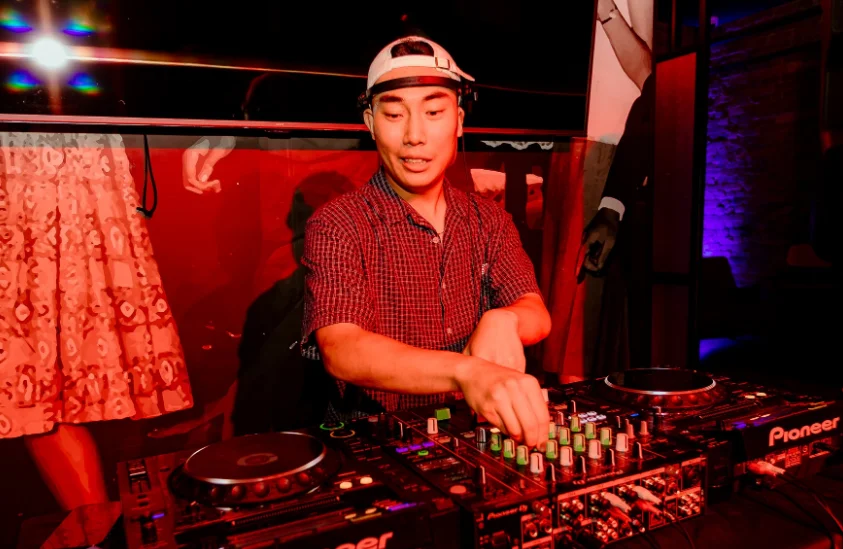
The program will be led by master of ceremonies Dr Joel Gilmore. It will open with a Welcome to Country, followed by remarks from Dr Grant Woollett and a virtual welcome from Minister Andrew Powell.
Photo Credit: Humanitix events
From there, the focus shifts to the Quantum 2032 Challenge, with projects linked to the Brisbane 2032 Olympic and Paralympic Games. The sessions will look at how quantum research is being applied to athlete health, concussion diagnostics and hydration monitoring.
The summit will also feature Queensland Stories, with local startups and innovators outlining work in quantum and advanced technologies. It is a strong reminder that this is not just theory. It is about work already happening here.
Skills, industry and the next step
The Fortitude Valley Science Week summit will also turn to the workforce question. Sessions across the day will cover training, education and pathways into quantum and advanced technology careers.
That matters for a sector that is growing quickly. The summit will look at how Queensland is building the talent pipeline needed to support future industry growth.
Other sessions will cover Quantum for Health, the national outlook through Quantum Australia, and Queensland’s ability to prototype, test and manufacture emerging technologies. The day will also hear from major names including PsiQuantum and Cicada Innovations.
A local venue with a national conversation
The Precinct will host the summit from 8.45am to 5.45pm. Arrival networking begins at 8.30am, with coffee available. Lunch, morning tea and afternoon tea are also part of the program.
The day will wrap up with networking drinks at Pig ’N’ Whistle on Brunswick Street.
For Fortitude Valley, it is another example of the suburb hosting a big ideas event with local relevance. The Fortitude Valley Science Week summit brings science, industry and investment into one room, with Queensland’s quantum future firmly in view.
The 2026 Breast Cancer Trials (BCT) Annual Scientific Meeting is underway in Brisbane, bringing together hundreds of researchers, clinicians, and consumer advocates to discuss the latest advances in breast cancer treatment, including findings from a landmark international study that is changing surgical care for patients worldwide.
Held at Sofitel Brisbane Central from 29 to 31 July, the annual meeting has brought together more than 400 scientists, clinicians, researchers, international specialists and advocates from Australia, New Zealand and overseas. The three-day program features scientific sessions on early breast cancer, surgery, radiotherapy, supportive care, metastatic breast cancer and emerging clinical trials, alongside discussions aimed at shaping the next generation of research.
One of the event’s headline presenters is Swedish breast surgeon Adjunct Professor Jana de Boniface, whose internationally recognised SENOMAC clinical trial is changing surgical care for some people with breast cancer.
Trial challenges traditional surgical practice
Patients whose cancer had spread to nearby lymph nodes have traditionally undergone completion axillary lymph node dissection, a procedure involving the removal of additional lymph nodes from the armpit. While effective in treating cancer, the operation has long been associated with lasting side effects, including lymphoedema, pain and reduced arm movement.
The SENOMAC trial found that for breast cancer patients with limited lymph node involvement, omitting the more extensive surgery did not compromise survival after five years.
According to Dr Nicholas Zdenkowski, Medical Advisor at Breast Cancer Trials, the findings represent an important shift towards more personalised care.
“The SENOMAC trial showed that a less invasive surgical approach reduced post-operative complications, like pain, lymphoedema, and impaired arm function, significantly improving quality of life for those patients, whilst maintaining excellent survival. This individualised approach is now becoming standard of care,” Dr Zdenkowski said.
He added that the research reflects Breast Cancer Trials’ broader focus on improving patients’ quality of life without compromising survival outcomes and said the organisation looked forward to learning more from Adjunct Professor de Boniface during the Brisbane meeting.
Research with a personal impact
The discussion around reducing the extent of surgery also resonates with people who have experienced its long-term effects.
Merryn Carter, Chair of the Breast Cancer Trials Consumer Advisory Panel, said she continues to live with lymphoedema following axillary clearance surgery.
“I had an axillary clearance and now suffer lymphedema,” she said.
“I have daytime compression sleeves, a nighttime compression sleeve, and have had several episodes of cellulitis as a result of my lymphedema. It would be great if more people could be spared this risk of lymphedema in the future.”
Her experience highlights why researchers are increasingly exploring treatment approaches that can maintain excellent cancer outcomes while reducing the physical burden of care.
Brisbane meeting showcases future directions
Photo credit: YouTube/Breast Cancer Trials
Beyond the SENOMAC trial, the Annual Scientific Meeting provides a forum for specialists to examine the latest clinical evidence and identify future research priorities.
The program includes presentations on clinical and translational research, supportive care, surgery, radiotherapy, metastatic breast cancer, reviews of recent clinical trials and future clinical trials research. Researchers from across Australia and New Zealand are also pitching new concepts for future clinical trials during dedicated concept development sessions.
Karen Price, Chief Executive Officer of Breast Cancer Trials, said the annual conference plays an important role in bringing together the region’s breast cancer research community.
“As Australia and New Zealand’s largest independent, not-for-profit organisation dedicated solely to breast cancer clinical trials research, our event is the highlight of the calendar for the breast cancer research and care community,” Ms Price said.
“This conference attracts leading medical practitioners, clinicians, and clinical trials management personnel from across Australia and New Zealand, all dedicated to improving the quality of life and outcomes for the 56 Australians who are diagnosed with breast cancer every day.”
As the meeting continues in Brisbane, attendees will share the latest evidence, exchange ideas for future studies and explore new approaches designed to improve both survival and quality of life. For patients, the research presented this week reflects a continuing shift towards treatments that are effective, less invasive and more tailored to individual needs.
Brisbane sprinter Lachlan Kennedy has claimed Commonwealth Games silver and broken the Australian men’s 100-metre record in a rain-soaked final in Glasgow. The 22-year-old ran 9.85 seconds at Scotstoun Stadium, becoming the first Australian to legally break 9.90. Cameroon’s Emmanuel Eseme won gold in a Games record of 9.83, finishing two-hundredths of a second ahead.
Kennedy’s performance also ended Australia’s 64-year wait for a Commonwealth medal in the men’s short sprints. The last had come in 1962, when Michael Cleary won bronze over 100 yards.
Kennedy had travelled to Glasgow aiming for gold. Although he fell narrowly short, he left with a national record, a major personal best and a silver medal from his Commonwealth Games debut.
He later credited his support team for helping him produce the race in difficult conditions. The result, he said, reflected both his faith in their work and his confidence in performing under pressure.
The achievement resonated back in Brisbane at St Joseph’s College, Gregory Terrace, where Kennedy completed Year 12 in 2021. The school congratulated its former student on social media after the final.
Before becoming Australia’s fastest 100m runner, Kennedy spent much of his childhood and adolescence playing rugby. He continued with the sport while attending Gregory Terrace, one of Queensland’s established GPS schools.
Athletics initially sat alongside rugby rather than replacing it. However, his sprinting improved sharply during his final school years, and by September 2021 he had lowered his 100m best to 10.51 seconds.
This achievement carried him beyond school competition and into national junior ranks.
A decisive run through Glasgow
Kennedy arrived in Scotland as the Australian champion and one of the leading sprinters in the Commonwealth field.
His ranking earned him a bye through the opening round, meaning his first competitive run on the Scotstoun track came in the semi-finals. He responded with 9.94 seconds, then the fastest legal 100m of his career.
The run also improved on the 9.96 he had recorded during the Australian championships earlier in 2026. Heavy rain soaked the track for the final, but Kennedy found another level. He improved by nine-hundredths of a second to set the new Australian and Oceanian record.
Australian teammate Eddie Osei-Nketia also reached the final, finishing sixth in 10.06. It was the first time since 1982 that two Australian men had contested the Commonwealth 100m final.
A record 23 years in the making
Kennedy’s 9.85 replaced Patrick Johnson’s Australian record of 9.93, set in 2003. He had already become only the second Australian man to legally break 10 seconds when he ran 9.98 in Nairobi in May 2025.
A stress fracture in his lower back then interrupted his progress and ruled him out of the World Athletics Championships later that year.
Kennedy returned to racing in 2026 and quickly rebuilt momentum. At the Maurie Plant Meet in Melbourne, he won the 100m in 10.03 before defeating Gout Gout over 200m in heavy rain.
Weeks later, he ran 9.96 on his way to his first Australian 100m title, having already met the Commonwealth Games qualifying standard.
Coach Andrew Iselin has guided Kennedy through his rise from school athletics to international sprinting.
Within a short period, Kennedy progressed from school competition to the 2022 World Under-20 Championships. He later joined Australia’s 4x100m relay squad for the Paris 2024 Olympic Games.
His first major senior individual medal came at the 2025 World Indoor Championships in Nanjing, where he won 60m silver in 6.50 seconds. Earlier that year, he had set the Australian 60m record of 6.43 at the national short-track championships in Canberra.
Kennedy has also remained closely connected to Queensland athletics. He represents the University of Queensland Athletics Club and competes under the Queensland banner at national events.
Now, the former Gregory Terrace rugby player holds the Australian men’s 100m record.
Design concepts for the new National Aquatic Centre have been released, offering the first detailed look at the venue that will become the centrepiece of aquatic competition at the Brisbane 2032 Olympic and Paralympic Games.
Leading national firms ARM Architecture and NH Architecture, in partnership with Queensland-based Arkhefield, have been selected to design the facility at the heritage-listed Centenary Pool site in Spring Hill. Planned as a high-performance aquatic hub with year-round community access, the venue will combine new sporting infrastructure with the heritage-listed Centenary Pool.
Blending Heritage with Modern Design
Photo credit: Games Independent Infrastructure and Coordination Authority
The concept retains and incorporates the heritage-listed Centenary Pool while introducing facilities designed for elite competition and training. Plans include a main competition arena and a secondary arena, each featuring large pools for major events and high-performance programs, alongside new pools, a gym, office accommodation and dedicated high-performance spaces that complement the existing outdoor pools and amenities.
The architectural partnership draws on experience from some of Australia’s most recognisable sporting and civic projects. ARM Architecture is behind Perth’s RAC Arena and the redevelopment of the Sydney Opera House Concert Hall, while NH Architecture led the transformation of Melbourne Park. Brisbane practice Arkhefield has delivered projects including South Bank’s River Quay precinct and the Waterfront Brisbane redevelopment. Aquatic specialist Liquid Blu also forms part of the team, bringing experience from projects including Yeppoon Lagoon and Pavilion, Palm Beach Aquatic and Community Centre, and the Gympie Aquatic Recreation Centre.
ARM Architecture Director Andrew Hayne said the design was shaped by Queensland’s close relationship with water.
“Queenslanders have a real connection to the water. The rippling plinth and floating roof reflect the movement of water, but the design is ultimately about place and is shaped by Brisbane’s landscape, subtropical climate and natural environment,” Mr Hayne said.
NH Architecture Director Emily Kilvington said the venue balances contemporary design with respect for the site’s history.
“New state-of-the-art facilities shows real respect for the site’s history while positioning Queensland at the forefront of aquatic sport infrastructure,” Ms Kilvington said.
Built for Beyond 2032
Photo credit: Games Independent Infrastructure and Coordination Authority
While the National Aquatic Centre will host swimming and other aquatic events during the Brisbane 2032 Olympic and Paralympic Games, it has also been planned as a long-term venue for high-performance sport and year-round community use.
Swimming Australia Chief Executive Officer Rob Woodhouse described the appointment of the design team as an important milestone, saying the venue would deliver long-term benefits for aquatic sports and the wider community by supporting major events, high-performance training and year-round public access.
For Arkhefield Founding Director Andrew Gutteridge, the project also has a personal connection, having grown up swimming at Centenary Pool.
“Hosting the Olympics and Paralympics gives us the chance to build something truly extraordinary, a place where Queenslanders can swim, train and connect with each other for decades to come,” Mr Gutteridge said.
Next Steps
The Games Independent Infrastructure Construction Authority (GIICA) is continuing the procurement process, with four construction companies shortlisted to submit proposals. The field will be reduced to two before a final builder is selected in early 2027.
GIICA will take possession of the Centenary Pool site on 1 September, allowing early works to begin ahead of construction.
Once complete, the National Aquatic Centre is expected to serve as the main venue for aquatic competition during the Brisbane 2032 Olympic and Paralympic Games before transitioning into a world-class facility for high-performance training and year-round community use. By retaining the character of Centenary Pool while introducing contemporary facilities, the project aims to create a venue that will continue to benefit Queenslanders well beyond the Games.
Proudly representing the Rackley Centenary Swim Club, Australian powerhouse swimmers Sam Short and Meg Harris delivered record-breaking gold medal victories at the Glasgow pool to secure an extraordinary podium sweep and a massive championship milestone for the nation.
Taking absolute control after his second turn, 22-year-old Queenslander Sam Short launched into a solo swim that left the rest of the field behind. Clocking a blistering 3:41.25 in his 400m freestyle final on Saturday, Short proved completely untouchable, maintaining his composure and dominant pacing from start to finish.
This commanding effort secured Australia’s 17th victory in the event and marked the nation’s fourth podium sweep since 1970. Defending champion Elijah Winnington fought hard to claim silver in 3:45.56, highlighting his continuing impressive run on the international stage. Winnington shared that his coach urged him to focus entirely on battling through the race rather than chasing a fast time. Rookie Ben Goedemans secured the bronze just a fingernail behind at 3:45.57, describing the one-two-three finish with his teammates as an absolute dream come true.
Did anyone doubt the 23-year-old’s composure under pressure? Taking absolute control after his second turn, the Queenslander launched into a solo swim that left the rest of the field behind. This commanding effort secured Australia’s 17th victory in the event and marked the nation’s fourth podium sweep since 1970. Defending champion Elijah Winnington claimed silver in 3:45.56, an astonishing feat considering he climbed straight out of a sickbed to compete.
Winnington shared that his coach urged him to fight hard, focusing entirely on battling through adversity rather than chasing a fast time. Rookie Ben Goedemans secured the bronze just a fingernail behind, describing the one-two-three finish with his teammates as an absolute dream come true.
The momentum only surged from there. Australia brought an imperious energy to the mixed 4x100m freestyle relay, completely blowing the field out of the water. The powerhouse team of Flynn Southam, Kyle Chalmers, Shayna Jack, and Harris touched the wall in 3:19.36. This performance chopped nearly two seconds off the previous record established in 2022.
Southam set the tone with an aggressive lead-off, while Chalmers stretched the gap to over a second and a half. By the time Harris hit the water for the anchor leg, the race was practically decided. She stormed home to finish more than four and a half seconds ahead of the English team, with Wales happily taking third place.
Brisbane has been turning up for the Ekka since 1876, and the show is marking its 150th year with all the noise, colour and country spirit people expect. From champion cattle and packed entertainment stages to new rides, showbags and fireworks over Bowen Hills, the 2026 program brings old traditions and fresh attractions together for one very big birthday.
From Saturday, 8 August to Sunday, 16 August, the Brisbane Showgrounds will once again fill with cattle calls, carnival music, woodchop cheers and the smell of food that is rarely eaten with a knife and fork. More than 400,000 people are expected to pass through the gates during the nine-day show.
There will be rides that turn stomachs, showbags that test budgets and strawberry sundaes that melt faster than anyone can eat them. However, Ekka 2026 is more than another bright and busy August tradition. It marks 150 years since Queensland’s biggest annual event first brought city residents, farmers, makers and performers together.
The show has changed many times since 1876. The crowds are larger, the rides are taller, and the modern showbag pavilion bears little resemblance to the early exhibition. Still, the cattle sheds, competition ribbons and family rituals have held their ground.
From a colonial exhibition to a Brisbane ritual
The first show opened under the name Intercolonial Exhibition. It gave farmers, manufacturers and craftspeople a place to present their finest animals, produce and work to the public.
In those early years, the event attracted about 20,000 people, a striking turnout for a young Queensland. Today, the Ekka welcomes more than 21,000 competition entries and around 10,000 animals each year. More than 35 million visitors have attended across its history.
Some early attractions would puzzle a modern crowd. The first version of a showbag reportedly contained coal, rather than chocolates, toys or football merchandise. These days, visitors walk into a pavilion packed with hundreds of colourful choices and suddenly forget every promise they made about sticking to a budget.
Yet the agricultural heart of the show remains easy to find. It is there in the patient work of cattle breeders, the nervous concentration of young handlers and the hush before a judge announces a champion. It is also present in the cookery halls, garden displays and woodchop arena, where people still bring their best work to Brisbane and wait to see how it measures up.
Beef Week puts Queensland agriculture in the spotlight
The public gates open on 8 August, but some of the show’s most serious business begins five days earlier.
Ekka Beef Week starts on Monday, 3 August, bringing cattle producers, breeders and industry leaders to the showgrounds before the main crowds arrive. Ekka describes it as the largest and most prestigious annual beef event of its kind in the Southern Hemisphere.
The week will feature 28 beef breeds, from familiar favourites to cattle that many city visitors may never have seen. The program covers Stud Beef, Led Steer, Prime Beef and Paddock to Palate competitions.
Stud Beef judging focuses on the qualities breeders want to carry into future generations. Judges study each animal’s structure, movement, condition and breed characteristics, while exhibitors watch every glance and note with close attention.
Led Steer classes bring a different energy. Young competitors often take centre stage, guiding animals much heavier than themselves around the ring with impressive calm. Months of feeding, grooming and training can come down to a few tense minutes before a judge.
Paddock to Palate follows the story further. It examines how cattle perform through the production chain, including carcase results and eating quality. The competition connects the animal in the paddock with the steak that eventually reaches a Queensland table.
Visitors do not need a farming background to appreciate the skill involved. Spend a little time near the judging ring and the details begin to appear: the way an animal walks, the balance of its frame and the confidence of the handler beside it.
Beef Week also anchors the anniversary program in the purpose that started the Ekka. Long before fireworks lit the Main Arena, the show existed to celebrate agricultural knowledge and give Queensland producers a place to learn from one another.
5 entertainment events worth planning around
The 2026 entertainment program ranges from large arena spectacles to music, horses and events steeped in Ekka tradition, and these are FREE!
1. EkkaNITES: 150 Years of Celebration
EkkaNITES will be the centrepiece of the anniversary program, taking over the Main Arena from 6:30 p.m. each night. The show will use music, storytelling and arena action to trace Queensland’s rural history, including the growth of the cotton, sheep and beef industries.
Expect the evening to grow steadily bigger as the lights come on. Horses, performers and large-scale effects will lead into the fireworks, giving families a proper finale after a long day on their feet.
Photo Credit: Ekka
The 150-year theme also gives the night show more substance than the usual parade of stunts. It offers a chance to celebrate the people who built Queensland’s agricultural industries without turning the evening into a history lesson.
2. The Grand Parade
The Grand Parade is one of the few Ekka events where the entire show seems to gather in one place. Champion cattle, horses, exhibitors and rural representatives make their way into the Main Arena in a sweep of polished coats, bright ribbons and proud handlers.
Photo Credit: Ekka
It is colourful enough to keep children interested, yet rich in history for visitors who have attended the show for decades. The parade also gives competitors a moment beyond the judging ring, allowing the wider crowd to see the animals and people behind the prizes.
3. Fashions on the Field
The Ekka’s traditional fashion parade is getting a theatrical makeover for the 150th anniversary. Threads of Time Celebrating 150 Years of Fashion will take audiences through more than a century of changing styles, from corsets and top hats to miniskirts, neon and modern sustainable design.
The show follows a playful time-travel story, with each era brought to life through fashion, dance and live singing. Iconic Ekka settings, including livestock displays, Sideshow Alley and EkkaNITES, will also appear along the way.
The production will be staged three times a day across all nine days of the show, giving visitors plenty of chances to catch it. Fashion lovers will enjoy the changing looks, while the music, movement and storytelling should keep children and casual visitors entertained too.
4. Country music and live performance
Country music feels right at home at the Ekka, and the live program stretches well beyond a single headline act. Venues such as XXXX Stockmen’s Bar & Grill and the Plaza Music Stage host a steady line-up of shows and performers throughout each day.
Photo Credit: Ekka
Visitors can drop in for a song or stay for a full set, with the program offering an easy break between animal displays, rides and competition halls. The changing line-up also gives teenagers, families and older visitors plenty of chances to find something they enjoy.
Check the daily showguide before arriving, as performers and set times vary. A well-timed stop can provide live music, a seat and a welcome chance to rest tired feet.
Horse events offer grace, speed and the occasional moment of chaos, sometimes within the same few minutes. Even visitors who know little about equestrian competition can appreciate the control between rider and animal.
Daytime horse displays are especially useful for families who may not stay until EkkaNITES. They bring plenty of action without the late finish, and the Main Arena gives everyone a good view.
For many long-time visitors, horses are also part of the visual language of the Ekka. The gleaming tack, plaited manes and careful preparation belong to a tradition that has survived generations.
Photo Credit: Ekka
5 competitions and displays that show what Ekka is really about
The rides may dominate the skyline, but the competitions give the Ekka its character. Across 46 categories, more than 21,000 entries cover livestock, woodchop, flowers, food, art and much more.
The best approach is to mix the famous events with a few quieter halls. Visitors who only race between Sideshow Alley and the showbag pavilion miss some of the show’s strangest, warmest and most impressive corners.
Beyond the cattle sheds, the sheep and wool competitions offer another close look at the work behind Queensland agriculture. Breeders present animals for judging, while wool entries reveal the care involved in producing a clean, strong and consistent fleece.
The finer details may be easy to miss at first. Spend a little time near the judging area, however, and differences in build, fleece quality and presentation begin to stand out. Exhibitors are often happy to explain what the judges are looking for.
For families, the sheep provide an approachable introduction to livestock competition. For visitors with rural knowledge, the judging offers a deeper look at breeding, animal care and one of Australia’s best-known agricultural industries.
2. Woodchop and sawing
You do not need to know the rules before watching woodchop. Once the axes begin to fall and the chips start flying, the contest explains itself.
The competition has been part of the Ekka for more than a century and remains one of its largest. Axemen and women travel from across Australia to compete in events including underhand chopping, standing block, treefelling and single-handed sawing.
Photo Credit: Ekka
The crowd tends to find a favourite quickly. By the final swings, people are counting the strikes, shouting at the log and wondering how anyone still has feeling in their arms.
3. Canine and cat competitions
The Sushi Hub Dog Pavilion is one of those Ekka stops where a quick visit can easily turn into an hour. Dogs from a wide range of breeds compete throughout the show, with handlers presenting them for conformation, working dog and group judging. The Queensland Classic also returns in 2026 as part of the Ekka’s 150th anniversary celebrations.
However, the canine program is not confined to one pavilion. Stockman’s Rest also hosts dog events, including obedience competitions, where dogs and handlers work through a series of controlled exercises. Visitors should check the daily program, as events move between Stockman’s Rest and the Sushi Hub Dog Pavilion.
The Main Stage will also have competitive dog and cat shows. Different breeds take their turn before the judges, giving dog and cat lovers their own corner of the showgrounds.
Photo Credit: Ekka
4. Giant pumpkins and horticulture displays
A giant pumpkin sounds like a niche attraction until one appears in front of you looking large enough to require its own seat on the train.
The horticulture displays offer more than oversized vegetables. Queensland growers, gardeners, clubs and community groups create detailed presentations featuring healthy plants, unusual specimens and carefully arranged displays. Horticulture has formed part of the show since 1876.
The pavilion also provides welcome relief from the noise outside. After an hour of music, machinery and excited children, a quiet walk among flowers can feel surprisingly luxurious.
5. Cookery, fashion and creative arts
Some of the fiercest competition takes place far from the animal rings. Cakes, preserves, quilts, clothing and handmade pieces arrive at Ekka after hours of careful work, hopeful adjustments and last-minute worry.
Photo Credit: Ekka
These halls feel personal because many entries began on kitchen tables or in home studios. Visitors can spot tiny details, compare techniques and wonder how judges choose between two cakes that both look far better than anything made at home.
The creative categories also prove that the Ekka’s idea of excellence has always stretched beyond farming. A perfect sponge, a clever garment or a detailed quilt can earn its place beside a champion bull.
5 rides and games for every level of bravery
The Ekka has major thrill rides, family favourites, children’s attractions and classic carnival games across B105 Sideshow Alley and the Kids Carnival. The music grows louder, the lights become brighter and someone nearby begins screaming in either joy or immediate regret.
1. The biggest thrill ride you can find
Follow the flashing lights and the queue of suddenly nervous teenagers. The thrill rides like Rockstar or The Joker will not be difficult to locate.
Photo Credit: Ekka
These machines are built for visitors who consider being lifted, spun and dropped an appropriate form of entertainment. Check the height restrictions first, secure loose belongings and consider eating the Dagwood dog afterwards.
The exact ride line-up can change, so use the 2026 showguide or Ekka Fun Pass app to see what is operating on the day.
2. Australia’s newest Ferris Wheel
The Ferris wheel offers a rare chance to sit still at the Ekka while insisting that the group is still doing an activity. In 2026, Australia’s newest Ferris wheel will light up B105 Sideshow Alley with an enormous display valued at half a million dollars.
Photo Credit: Ekka
Lights cover both sides of the wheel, the towers and even the spaces in and beneath the gondolas. Once the sun goes down, it should become one of the brightest landmarks on the showgrounds.
The ride has 26 fully panoramic gondolas, giving passengers 360-degree views across the Ekka and surrounding Brisbane. It is also designed to be more accessible. With no central pole inside the gondolas, it is the only travelling wheelchair-friendly Ferris wheel of its kind.
3. Dodgem cars
Dodgems work because everyone understands the assignment: hit your family, blame the steering and laugh about it afterwards.
They suit older children, teenagers and adults, especially groups that cannot agree on one of the larger rides. Even the ride-shy member of the family can often be persuaded once revenge becomes part of the plan.
The only real strategy is to keep moving. Someone will still trap the car against the wall.
Photo Credit: Ekka
4. A Kids Carnival favourite
Younger children do not need the tallest ride to have the biggest story of the day. The Kids Carnival offers gentler attractions, bright characters and rides designed for smaller visitors.
Allowing a child to choose their own favourite can be part of the fun. Adults may see a slowly turning car or miniature train, while a four-year-old sees the adventure of a lifetime.
The Kids Carnival operates from 9:00 a.m. until late during the show.
Photo Credit: Ekka
5. A classic sideshow game
Carnival games have been separating visitors from loose change for generations, yet the appeal survives. Laughing clowns, shooting games and prize stalls offer a break from the rides and a chance for the whole group to compete.
Photo Credit: Ekka
Set a budget before the first attempt. Confidence tends to rise much faster than skill when a large stuffed animal is hanging overhead.
The Ekka Fun Pass can be used across rides and games in 2026. Credits can be loaded through the app or placed on a physical card at the showgrounds.
Showbags for everyone
Choosing a showbag can involve more negotiation than some major household purchases. Children inspect the toys, parents calculate the value and everyone quietly judges the amount of sugar involved.
The 2026 range covers sporting merchandise, sweets, toys, beauty products and familiar entertainment brands. The final contents can vary, so visitors should compare the official listings before making a decision.
A Brisbane Lions showbag belongs near the top of a local guide. It gives footy fans something more lasting than a bag filled with snacks and adds a strong Brisbane connection to the list.
Photo Credit: Ekka
2. Bertie Beetle
Bertie Beetle is less a showbag than a piece of Ekka furniture. Generations of Queensland children have carried one through the grounds, usually while asking when they can open it.The bag remains popular because it is familiar, cheerful and generally more affordable than large merchandise packs. Adults often buy it for nostalgia, then claim they are giving it to the children. In a 150th-anniversary year, that cross-generational appeal feels especially fitting.
Photo Credit: Ekka
3. Bluey
A Bluey showbag brings one of Brisbane’s best-known characters into one of Brisbane’s best-known events. Young children will recognise the theme immediately, while parents may appreciate items that last beyond the sugar rush.
Photo Credit: Ekka
4. A beauty or lifestyle showbag
Not every visitor wants chocolate or cartoon characters. A beauty or lifestyle bag gives teenagers and adults a practical option, with products that may include cosmetics, skincare, accessories or magazines.
These bags can offer good value, but only when the contents suit the buyer. A collection of discounted products is not a bargain if half of them end up untouched in a bathroom drawer.
Photo Credit: Ekka
5. A classic chocolate bag
A chocolate showbag is hard to beat when several people plan to share it, although “sharing” can become a flexible concept on the trip home.
Choose a familiar brand and compare the quantity, variety and price. Larger packaging can look impressive while hiding a surprisingly modest amount of chocolate.
This option suits teenagers, adults and families, provided the bag survives the August sun and the train ride home.
Photo Credit: Ekka
Strawberry sundaes, farm animals and the art of pacing yourself
The Ekka rewards a little planning. Trying to see every animal, ride every ride and inspect every showbag before lunch usually ends with sore feet and a family debate beside the nearest map.
Choose two or three priorities, then leave room for surprises. Some of the best Ekka moments begin with an unexpected noise, smell or giant vegetable.
For a smoother day:
Visit the Animal Nursery early, before younger children run out of energy.
Leave time for a strawberry sundae, Dagwood dog and a few unplanned food stops.
Take a quieter afternoon break before staying for EkkaNITES and the fireworks.
Carry water and avoid hauling every showbag purchase around all day.
Use public transport, as it is the easiest way to reach the Brisbane Showgrounds.
Gates open at 9:00 a.m. each day, although closing times vary across the grounds.
The Brisbane Ekka public holiday falls on Wednesday, 12 August 2026. Brisbane City Council observes the holiday on that date, while some neighbouring councils hold their local show holiday on a different day.
After 150 years, Queensland still turns up
The Ekka has never relied on one attraction. The rides change, popular showbags come and go, and each generation finds a new food to queue for.
What remains is the pleasure of seeing Queensland gathered in one place. Farmers stand beside city families, young competitors follow experienced breeders and children meet animals they have only seen in books.
The show also gives ordinary skills a grand stage. A well-raised steer, a perfectly baked cake, a clean swing of an axe or a carefully grown flower can all earn applause and a ribbon. That spirit has carried the Ekka from a colonial exhibition to one of Queensland’s largest annual events.
In 2026, the fireworks will be brighter and the anniversary speeches will be longer, but the heart of the show will still be found in the same places. It will be in the cattle sheds before the crowds arrive. It will be in the nervous smile of a young competitor waiting for a result. It will be in families repeating traditions they first learned from parents and grandparents.
For 150 years, Queenslanders have come to Bowen Hills to see what the state can grow, raise, make and perform. This August, they will do it all again, only with a much bigger birthday to celebrate.
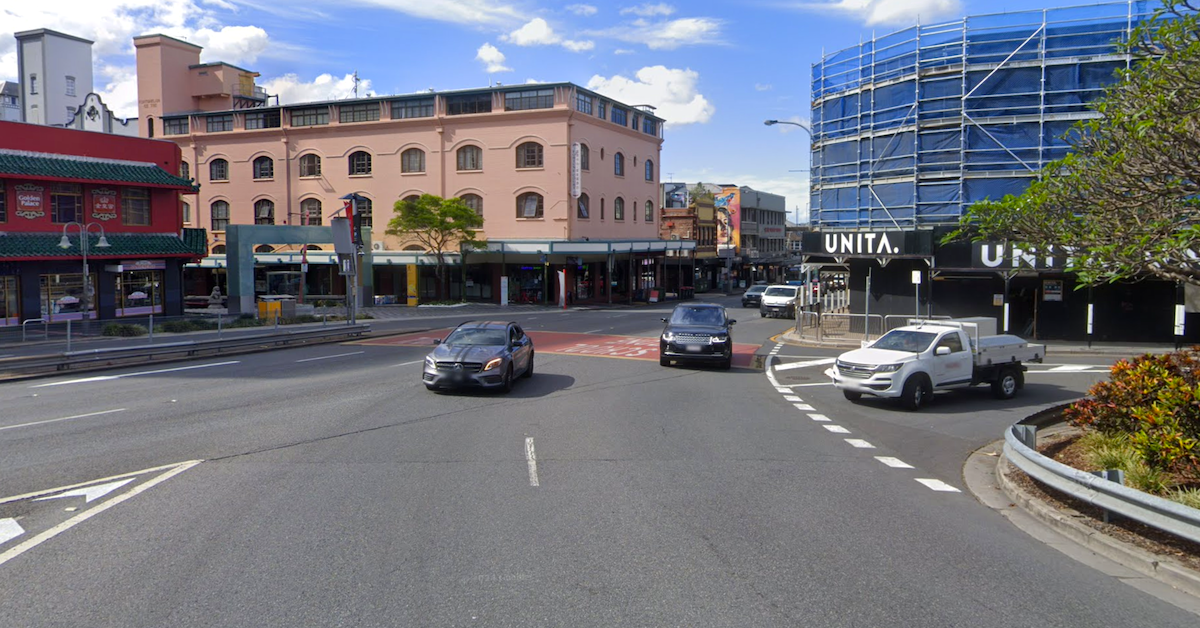
A long-vacant 2,206sqm block in central Fortitude Valley—currently used as a paid open-air car park and concert advertising venue—could soon be transformed into a 22-storey residential tower.
Developer W & R Property Pty Ltd has lodged a development application (DA A007062453) for 186 Wickham Street and 23 Ranwell Lane. Prepared by planning firm Urbis, the proposal replaces the car park with 181 apartments, ground-floor dining, podium parking, and extensive rooftop amenities.
Photo Credit: Google Maps screengrab
Key Project Details
Residential Layout: 180 two-bedroom apartments and a single penthouse. Every unit features a private balcony or terrace ranging from 8.1sqm to 99.3sqm.
Street-Level Activation: A 247sqm food and drink tenancy facing Wickham Street, flanked by landscaped forecourts to boost pedestrian activity.
Parking & Access: 194 car spaces (186 residential, 8 visitor) housed within a screened podium, plus 228 bicycle spaces. Vehicle access is routed through Mead Lane and Ranwell Lane to avoid traffic conflicts on Wickham Street.
Rooftop Amenities: A 370sqm communal space featuring a swimming pool, gym, sauna, steam room, shared kitchen, outdoor lounges, and a rooftop bar.
Landscaping: About 458sqm of total greenery across the ground floor, podium, and rooftop to provide shade and soften the building’s visual impact.
Photo Credit: DA A007062453/BCC
Site Constraints and Urban Context
Bounded by the railway corridor to the west and low-rise heritage buildings along Wickham Street, the site sits in a high-density entertainment hub near Fortitude Valley Station, Chinatown Mall, and the Soapbox Beer brewery.
The tower features site coverage of 92.8% at the podium level and 60% for the upper tower, with boundary setbacks ranging from 3m to 6.8m. Laneway access plans utilize Mead Lane via state consent (under a permanent road closure and volumetric lease with the Department of Natural Resources and Mines). While listed on Queensland’s Environmental Management Register, the site contains no significant vegetation.
Photo Credit: DA A007062453/BCC
A traffic impact assessment estimates the project will generate 27 morning and 35 afternoon peak-hour vehicle trips, concluding it will have minimal impact on the local road network given the site’s close proximity to public transport and cycling routes.
A Second Attempt at Redevelopment
This is not the first major vision for the block. In 2023, Brisbane City Council approved plans for a 30-storey office tower and a five-storey commercial building on the site, but the project was never constructed.
The new residential proposal aligns with the Fortitude Valley Neighbourhood Plan and the suburb’s broader trend toward high-density housing. However, as the previous approval demonstrated, a council decision alone does not guarantee construction; the project must first navigate the assessment process and secure formal approval.
The Madison Tower Mill Hotel at 239 Wickham Terrace in Spring Hill has sold for a reported $28.6 million to Samdoo Corporation, the Kim family-owned group behind two Hotel Diana properties in Brisbane.
HTL Property handled the sale on behalf of Madison Hotel Group, with Andrew Jackson, Nic Simarro and Glenn Price managing the campaign.
More than 175 enquiries were received before nine formal offers were submitted. Interest came from local and interstate investors, offshore-backed groups and established pub operators.
Samdoo Corporation owns Hotel Diana properties in Woolloongabba and South Brisbane. The acquisition was supported by private family investment originating from South Korea.
Photo Credit: HTL Property
Circular Spring Hill Hotel Has 70 Rooms
Built in 1966, the nine-storey circular building operates as a 3.5-star hotel and contains 70 guest rooms with private balconies.
The accommodation has recently been refurbished. A hospitality venue on the ground floor includes a sports bar and 14 gaming machines.
The hotel occupies a 1,462 sqm freehold site beside Wickham Park, near the edge of the Brisbane CBD. It is also within walking distance of the Golden Triangle, Suncorp Stadium and Roma Street Parkland.
The site has mixed-use zoning, with the sale listing identifying potential for high-density redevelopment subject to approval. No redevelopment proposal or change of use was confirmed as part of the transaction.
Photo Credit: HTL Property
Madison Tower Mill Hotel Faces Old Windmill
The Madison Tower Mill Hotel stands opposite the Old Windmill, which was built in 1828 and is Brisbane’s oldest surviving building.
When the hotel opened, it included one of Brisbane’s early elevated or rooftop restaurants. Its circular design and rooftop level remain distinguishing features of the Wickham Terrace building.
Photo Credit: HTL Property
The hotel later became associated with the 1971 Tower Mill protests during the South African Springboks rugby union tour.
The all-white Springboks team stayed at the hotel during the tour, prompting protests outside the property. The events ultimately led to a state of emergency being declared in Queensland.
Did you know that St John’s Cathedral on Ann Street was built over three separate stages spanning two centuries? From the laying of its foundation stone in 1901 to the completion of its western towers and spires in 2009, the city’s Anglican cathedral took 108 years to realise its original vision and is one of the few Gothic cathedrals in the world completed using traditional hand-cut stone.
Standing at 405 Ann Street in Brisbane City, on the edge of Fortitude Valley, the cathedral tells a story that extends well beyond its architecture. It reflects more than a century of public support and the commitment of generations of architects, stonemasons, clergy and supporters who worked to complete a design first conceived during the Victorian era.
A Vision That Spanned Generations
Back view of St John’s Cathedral taken from the cutting in Adelaide Street, ca 1910 (Photo credit: Agriculture and Stock Department, Publicity Branch/Queensland State Archives)
The cathedral project began in the 1880s when William Webber, Brisbane’s third Anglican bishop, commissioned English architect John Loughborough Pearson to prepare plans for a new cathedral. The proposal formed part of celebrations marking Queen Victoria’s Golden Jubilee in 1887 and was intended to be funded through public subscriptions.
Financial constraints meant the cathedral could not be completed in a single campaign. Instead, construction unfolded across three major stages over more than a century.
The foundation stone was laid in 1901 by the Duke of Cornwall and York, who later became King George V. The first stage of construction began in 1906 and was completed in 1910, delivering the sanctuary, transepts, choir, Lady Chapel and the first section of the nave.
The apse and crossing in 1927 (Photo credit: Agriculture and Stock Department, Publicity Branch/Queensland State Archives)
Following the Second World War, efforts resumed to complete the cathedral as a war memorial. A new foundation stone was laid in 1947 by Field Marshal Viscount Montgomery of Alamein, although construction did not recommence until 1965. The second stage continued until 1969, extending the nave and laying the groundwork for the final phase.
The third and final stage began in 1989. Supported by public donations, bequests and funding from the Australian, Queensland and Brisbane governments, work continued for two decades before the western towers and copper-clad spires were completed in 2009, bringing Pearson’s original vision to completion 108 years after the foundation stone was laid.
Built Using Traditional Craftsmanship
Photo credit: Google Maps/Alex Hu
What makes St John’s Cathedral distinctive is not only how long it took to build, but also the methods used during its construction.
The cathedral was built using traditional medieval construction techniques with load-bearing stone throughout the structure. Skilled stonemasons shaped and laid much of the stone by hand, preserving the original design and construction methods throughout each stage of the project.
The exterior walls feature Brisbane tuff quarried from the former O’Connelltown quarry at Windsor, giving the cathedral its distinctive brown, pink and mauve appearance. Inside, visitors can find columns carved from Frosterley limestone imported from England, a stone estimated to be around 350 million years old and known for its visible fossilised coral.
The building is also home to the only fully stone-vaulted ceiling in the Southern Hemisphere. Its acoustics produce an echo of around five seconds, complementing the cathedral’s pipe organ, recognised as the largest cathedral organ in Australia.
Beyond its role as a place of worship, St John’s Cathedral is recognised as one of Brisbane’s important heritage landmarks. Its stained-glass windows incorporate Australian wildlife, while carvings throughout the building include details such as whales and a rainbow serpent woven into the Gothic stonework.
The cathedral continues to host regular services, concerts, guided tours and bell tower tours, welcoming visitors throughout the year.
Its completion in 2009 coincided with Queensland’s Q150 celebrations, during which St John’s Cathedral was recognised as one of the state’s Q150 Icons for its role as a structure and engineering feat.
More than a century after construction first began, the cathedral stands as a lasting example of the vision and persistence behind one of Brisbane’s most distinctive historic buildings.
Biang Biang Fresh Noodle has landed in a new Wickham Street address, giving Fortitude Valley’s most dedicated noodle destination more room to breathe — and more room to cook.
The hand-pulled noodle eatery, which has built a loyal following across Brisbane since founder Kieran Zou first opened its doors in Toowong in 2018, is now operating from 6/115 Wickham Street — a noticeably larger space compared to its previous Brunswick Street location, which Zou was forced to vacate earlier this year due to incoming development.
The move is, in many ways, a welcome upgrade. The new venue offers more seating both inside and out, and a significantly bigger kitchen — something Zou says has made a meaningful difference to how he works day-to-day. Where the old kitchen left him cramped, the Wickham Street site gives him an entirely separate prep room, along with the kind of equipment that takes the edge off a busy service.
For the uninitiated, Biang Biang Fresh Noodle specialises in the hand-pulled belt-width noodles of Shaanxi province in northwestern China. The dough is stretched and slapped against the countertop — a process that gives the noodles their distinctive chew and, if you believe the popular explanation, their name. Zou is one of the few operators in Brisbane who has long centred his entire offering around this regional style.
It has taken him the better part of eight years to dial in what he considers the right balance of flavours — a process that has involved gradually weaving together traditional techniques with influences from other culinary traditions. That willingness to adapt, rather than stick rigidly to convention, is what he credits for the restaurant’s staying power.
The menu at Wickham Street carries over everything from Brunswick Street without change. Ten noodle dishes anchor the offering, ranging from the signature biang biang noodle served with pork mince, soy sauce, scrambled egg, tomato and corn, through to tom yum beef, spicy Sichuan dan dan, Xinjiang chilli chicken and Old Beijing Style noodle. Sides include pickled vegetables, vegetable spring rolls, pork wontons with chilli oil and roujiamo — a Shaanxi street food that draws comparisons to a hamburger in its construction.
Looking further down the track, Zou has flagged plans to introduce new dishes — possibilities include black bean beef, black pepper chicken, black pepper beef, satay chicken and a slow-cooked lamb biang biang noodle. For now, though, the focus is on settling into the rhythm of a new space.
Biang Biang Fresh Noodle is located at 6/115 Wickham Street, Fortitude Valley, across from Les Bubbles Steakhouse. Phone: 0422 756 802. Find them on Instagram and Facebook.