
More Mates, Less Waste: How Rubbish Club is Redefining the Weekend Hangout in Brisbane

After establishing a strong community in Fortitude Valley, local clean-up crew Rubbish Club is taking its simple but effective formula for human connection to suburbs across Brisbane and beyond.


Read: How Mary St Pub Owner Andrew Lewis Went From Cleaning Out Ashtrays to Becoming a Global Entrepreneur


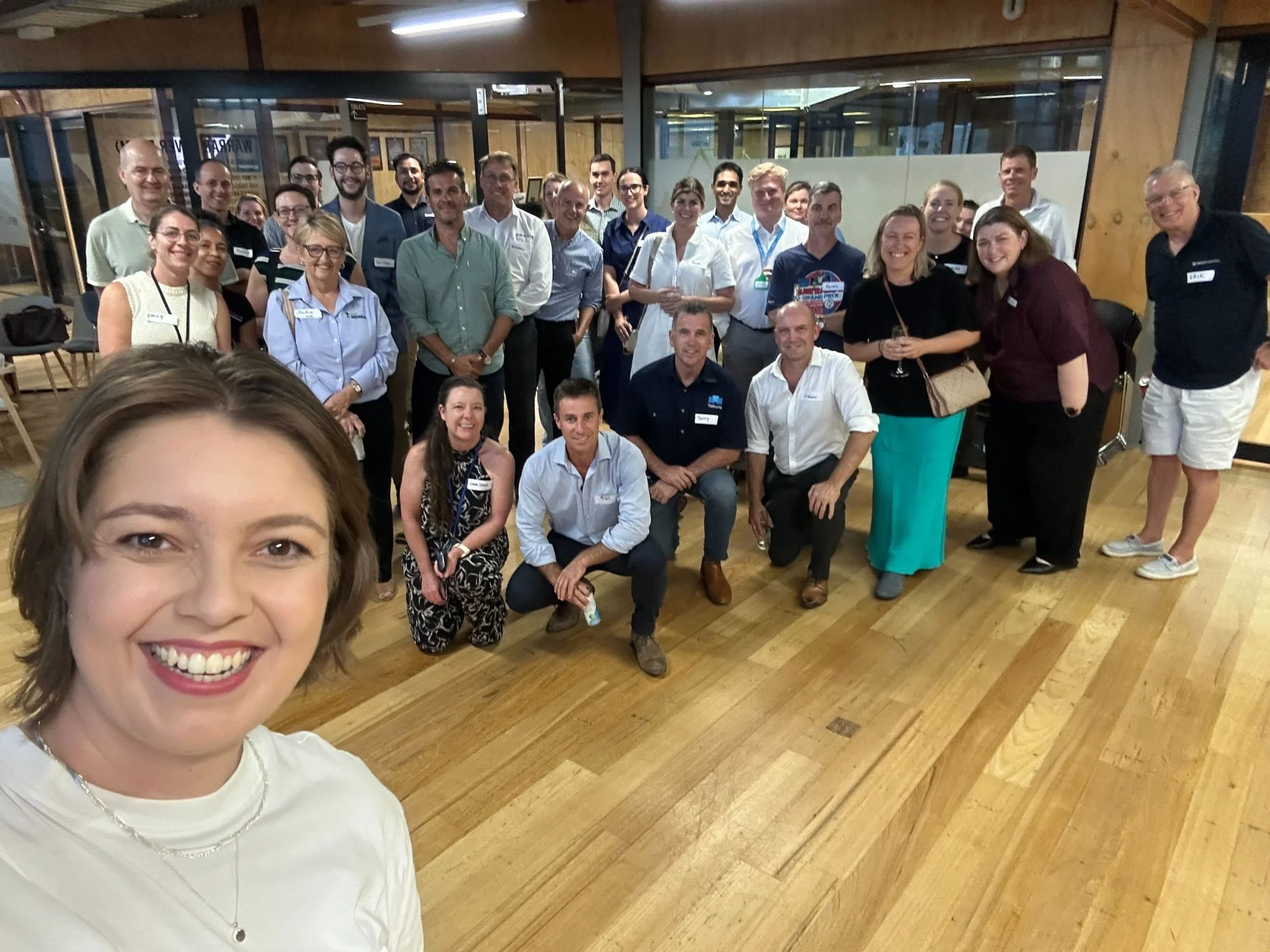
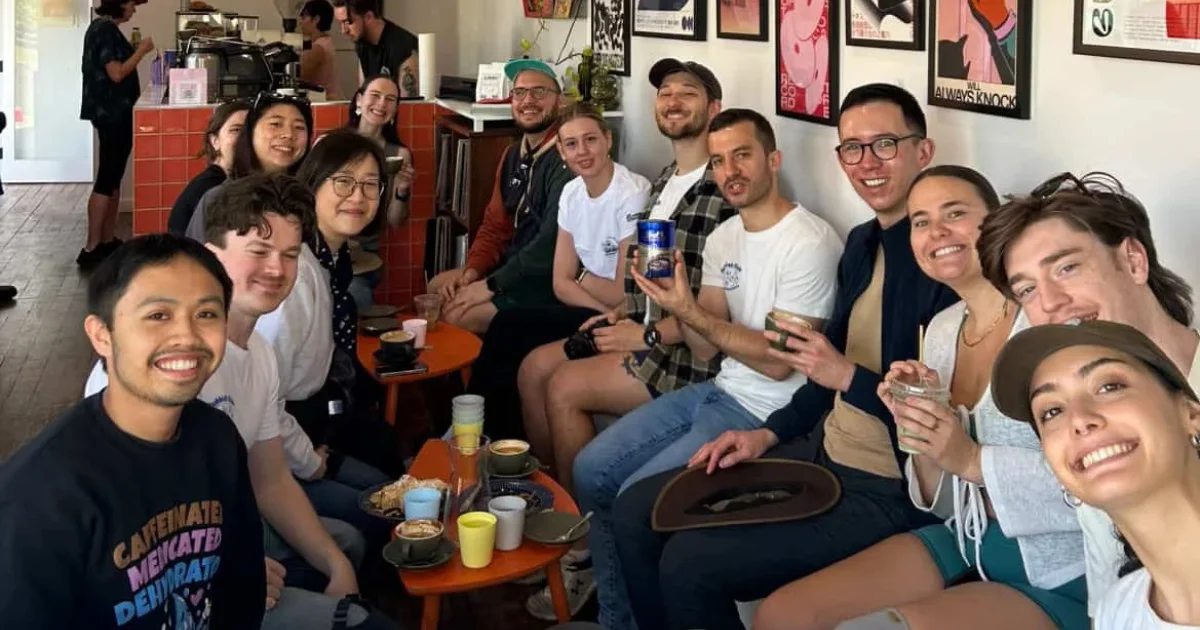
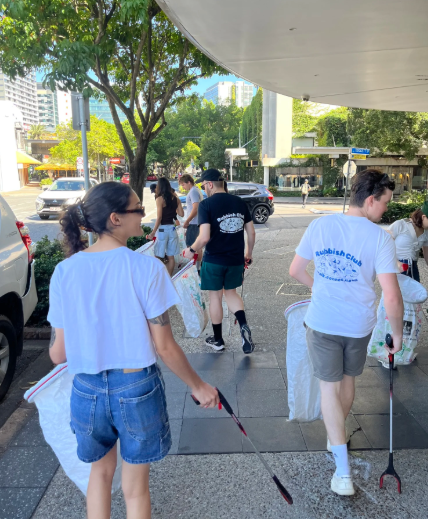
Rubbish Club, the social initiative founded by Magnus Murray-Douglass as an initiative of his recyclables business Boe Design, has grown into a promising success story. Every Saturday, members meet up for a coffee and a chat before grabbing a pair of grippers and spending an hour walking a couple of blocks, picking up litter along the way. No experience required. No ongoing commitment. Just people, pavement, and a pair of grippers.
Rubbish Club
Photo credit: rubbishclub.com.au

What began as a desire to make new friends and clean up the streets has since expanded well beyond Fortitude Valley’s footpaths. Having built a loyal following in the suburb, Rubbish Club has rolled out to Bayside and continues to grow across the city, with Murray-Douglass eyeing further expansion around Australia.

The timing is not accidental. Rubbish Club arrived at a moment when many young Australians were quietly souring on the social lives their screens had promised them. A 2025 poll conducted for the Foundation for Social Health found that around 91 per cent of Gen Z respondents felt social media was undermining their real-world relationships, with more than half reporting that time spent on platforms left them feeling distressed and distracted. Murray-Douglass had felt that tension himself — and Rubbish Club was his answer to it.

The inspiration, he has said, came partly from watching the rise of running clubs and recognising that young people were actively searching for more connection in their communities. As someone who didn’t identify as a runner, he saw an opportunity to create something with a lower barrier to entry, a way to meet people, get outside, and do something useful at the same time.

Why join the Rubbish Club?

Rubbish Club
Photo credit: rubbishclub.com.au

The club’s format strips away everything that makes modern socialising feel high-stakes. Attendance is free. Comfortable clothes and enclosed shoes are all you need. Eligible containers collected during walks are deposited through the Container Deposit Scheme, helping to fund the club’s operations, and any plastics gathered are recycled through Boe Design, which manufactures furniture from recyclable materials.

Murray-Douglass has noted that cigarette butts are by far the most common item collected — frequently found right next to a bin. It’s a small frustration, but one that hasn’t dampened the club’s spirit. The social dimension, he has emphasised, is at the heart of what makes it work. Without the ability to bring strangers together and build a group of like-minded people, he has said, the whole thing would fall apart.

The commitment asked of members is deliberately modest — meetups run for about an hour, equipment is provided on the day, and participants can come weekly or drop in whenever life allows.


Read: Visible Ink Fortitude Valley: A Central Hub for Creative Young Minds


Rubbish Club sits within a broader wave of in-person social initiatives taking hold across Brisbane, with young people increasingly seeking out spaces where connection happens face-to-face. Those interested can follow @rubbishclub.aus on Instagram or sign up at rubbishclub.com.au.

Published 26-February-2026
New Cancer Rehabilitation Centre Opens in Fortitude Valley

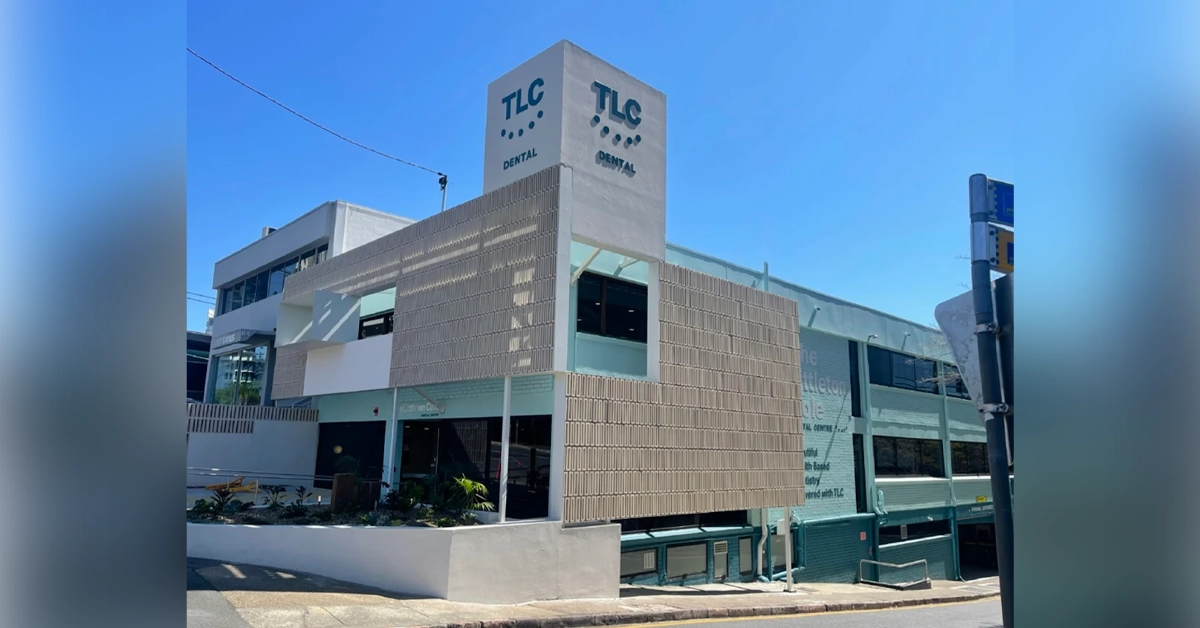
A new cancer rehabilitation centre opening in Fortitude Valley this Thursday aims to offer Queensland patients access to an Australian-developed therapy designed to ease the side effects of conventional cancer treatment.


The Leading Light Rehab Clinic will provide OncoLaser therapy, a low-level laser treatment developed by the clinic’s co-directors Kate Perkins and Dr Catherine Norton.

The therapy uses photobiomodulation—a process that stimulates cellular energy production—to help manage complications that can arise from chemotherapy, radiation, surgery and immunotherapy. According to Dr Norton, who serves as the clinic’s CEO, the treatment is intended to work alongside standard cancer care rather than replace it.

“It uses low-level laser therapy to support healthy tissue before, during and after chemotherapy, radiation and surgery,” Dr Norton said. The approach focuses on reducing painful side effects rather than treating cancer cells directly.

Ms Perkins, who co-developed the OncoLaser system, said the technology aims to fill gaps in supportive oncological care. “Opening at Leading Light Rehab Clinic allows us to extend these services to more patients in Brisbane in a collaborative healthcare environment,” she said.

The treatment is described as non-invasive and opioid-free, targeting issues such as oral mucositis, radiation dermatitis, delayed wound healing, pain and certain neuropathy symptoms that can result from cancer treatment.

The clinic’s opening event will feature a panel discussion with oncology and integrative health specialists. Dr David Schlecht, a radiation oncologist at The Wesley Hospital, will discuss recent developments in radiation oncology.

“Equally important is ensuring patients have access to supportive therapies that help manage side effects, support healing and maintain quality of life throughout their treatment journey,” Dr Schlecht said.


The clinic plans to work with cancer treatment centres, GPs, surgeons and allied health professionals across the region. OncoLaser has indicated plans to expand its network across regional Australia through partnerships with local health providers.

Published 25-February-2026
Alcotraz and Moonshine Saloon Bring Immersive Cocktail Experiences to Fortitude Valley

Two back-to-back immersive cocktail bars are set to open in Fortitude Valley next month, with Alcotraz launching on March 20 followed by the Australian debut of Moonshine Saloon on April 10, both operating from the new Fever Hub venue at 123 Gotha Street.


The two experiences arrive from UK immersive hospitality group Inventive Productions, which has built a devoted following for Alcotraz since its London debut in 2017 before expanding to Sydney and Melbourne. Brisbane becomes the latest city to join that roster, and unusually, it gets both experiences at once. For Fortitude Valley residents and inner-Brisbane night-lifers, the double opening adds a genuinely new entertainment format to a precinct already known for its dining and bar scene.

A Prison Bar and a Wild West Saloon Walk Into the Same Building

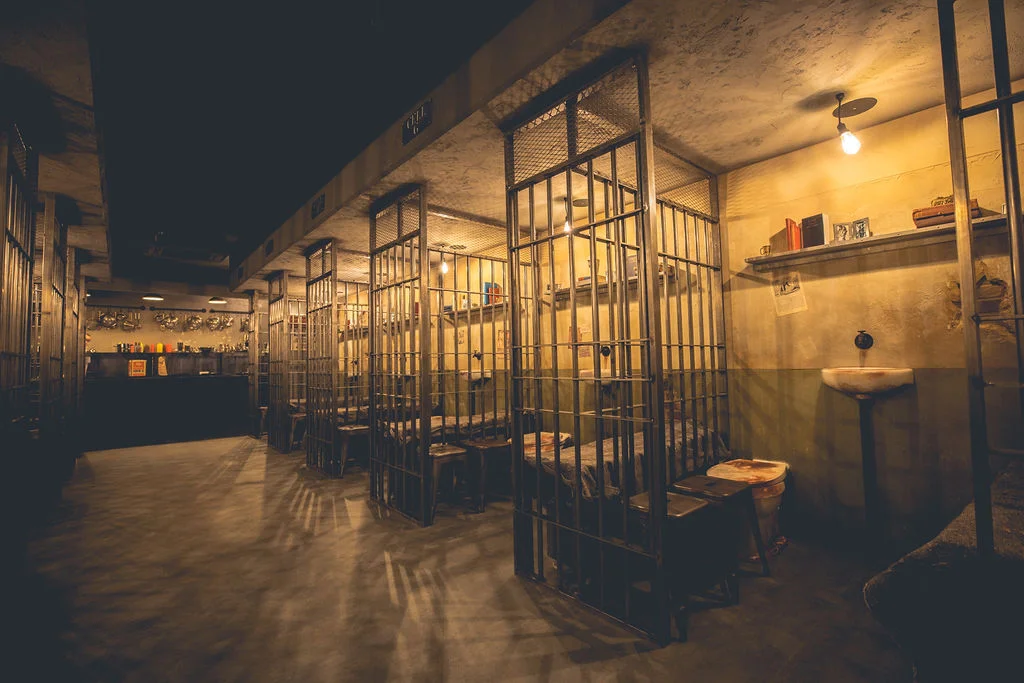
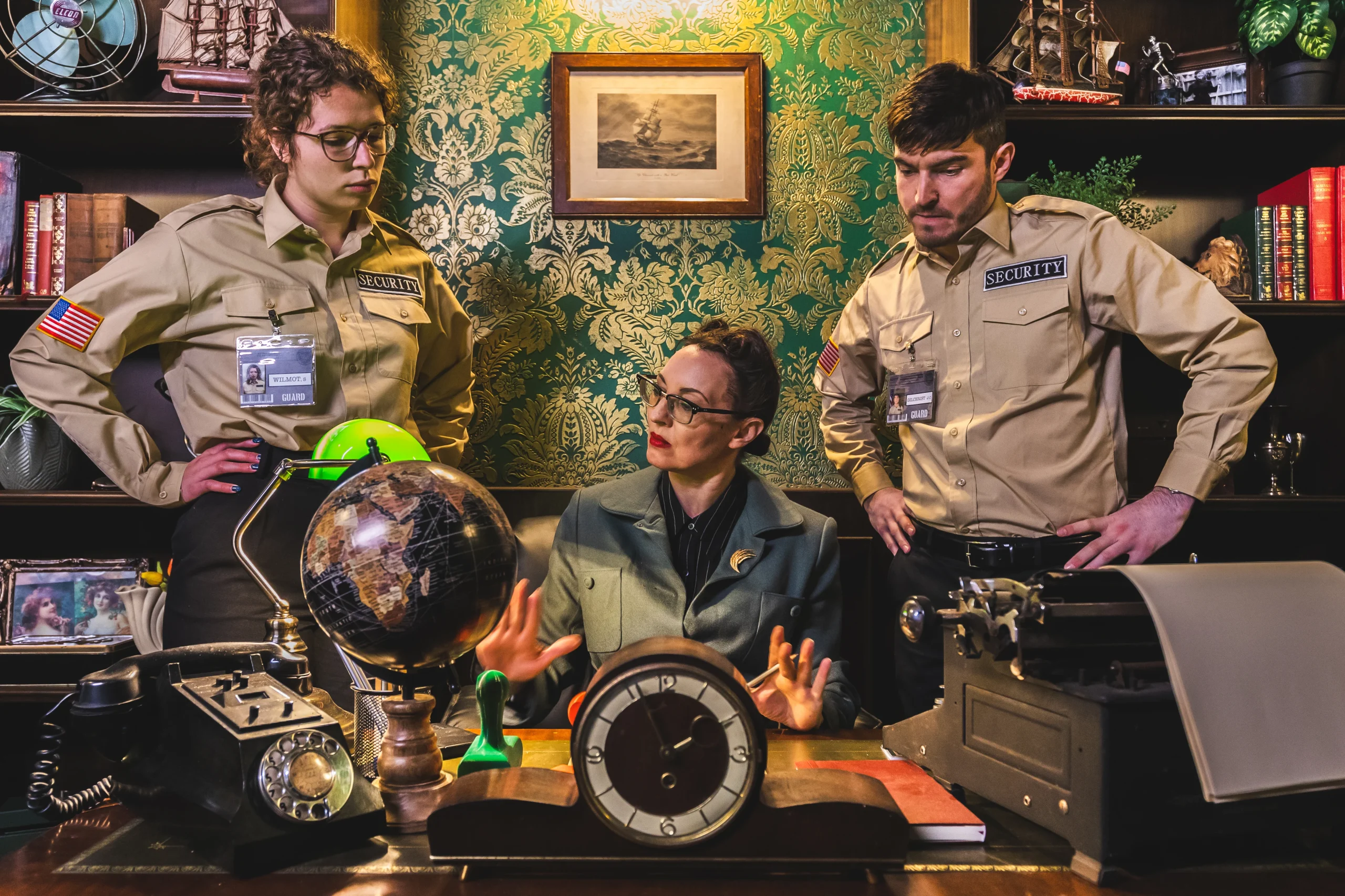
Alcotraz puts guests behind bars, literally. On arrival, each guest is issued an inmate number and orange jumpsuit before being processed into a speakeasy-style cell block where actors playing guards, fellow inmates and bootlegging accomplices drive a rolling narrative around them. Four cocktails are included in the ticket price, among them the Crime of Passion, a vodka-based drink with passionfruit liqueur, strawberry purée, lime, cranberry and orange, and the Conspiracy, built around mezcal, burnt coconut tequila, chocolate butter and pineapple. Mocktails, beer and wine are also available. The experience draws loosely on the cultural world of Prison Break, Orange Is the New Black and The Shawshank Redemption, though the tone is firmly playful rather than grim.

Photo Credit: Supplied

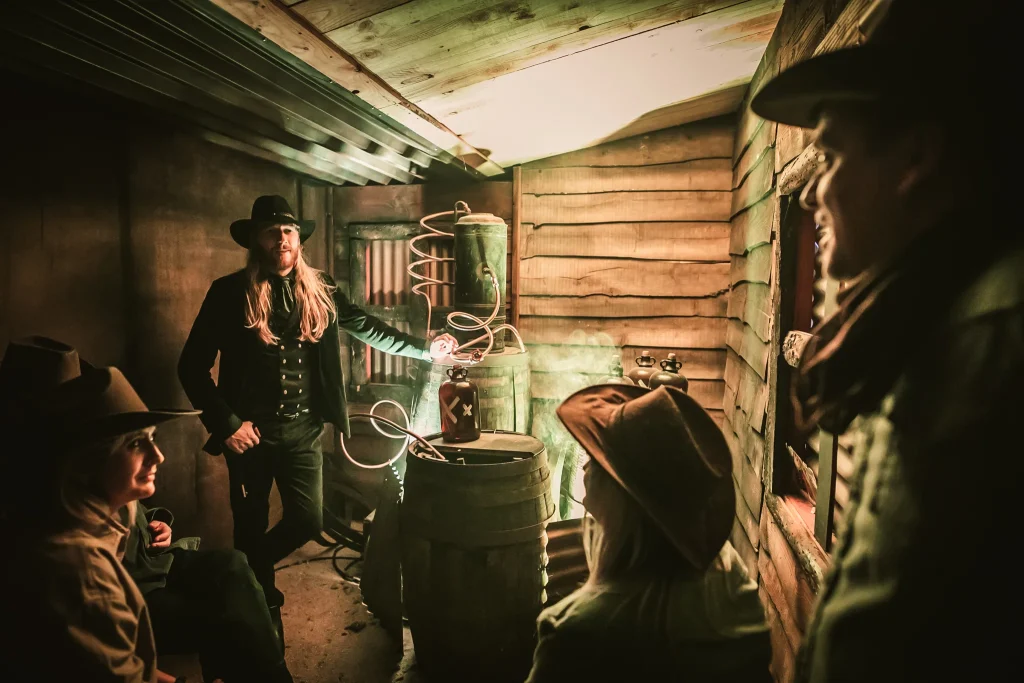
Moonshine Saloon arrives three weeks later with a different setting but a connected story. Set during American Prohibition in the Wild West, the experience centres on a character called Clyde Cassidy, described as the king of the Moonshiners, whose story intersects with the Alcotraz narrative. The two experiences are designed to be taken as a series, rewarding guests who do both with a fuller picture of the shared fictional underworld. Moonshine Saloon is the first iteration of the concept outside London and its first appearance in Australia.

Moonshine Saloon
Photo Credit: Supplied

Both venues operate at the Fever Hub at 123 Gotha Street, Fortitude Valley, where they run side by side.

A Growing Taste for Immersive Entertainment

The arrival of both concepts in Brisbane reflects a broader shift in how people approach a night out. Immersive dining and drinking experiences have grown steadily across Australia’s major cities over the past decade, from escape rooms to theatrical dining, and Inventive Productions sits at the more polished end of that spectrum. The company entertains hundreds of thousands of guests annually across its productions and positions its venues explicitly as theatre sets you drink inside, with professional casts and original narratives rather than simply themed décor.

Alcotraz
Photo Credit: Supplied

The format suits occasions that benefit from a shared story and a built-in structure: birthday celebrations, hens and bucks nights, corporate outings and date nights all feature in the suggested uses, and the option to cast one guest as an undercover mole or a hapless character adds an element of surprise that traditional bar formats cannot replicate.

Moonshine Saloon
Photo Credit: Supplied

Tickets and What to Expect

Sessions at both venues run with limited capacity and are ticketed, with walk-ins accommodated where possible. Tickets start at $65 and include the performance and four drinks. Both experiences are strictly 18 and over.

Alcotraz tickets are on sale now at alcotraz.com/brisbane, with sessions beginning March 20, 2026. Moonshine Saloon tickets go on general sale Wednesday March 11; a waitlist for exclusive pre-sale access is live now at moonshinesaloon.com/brisbane. Both venues are located at Fever Hub, 123 Gotha Street, Fortitude Valley.


Published 23-February-2026.

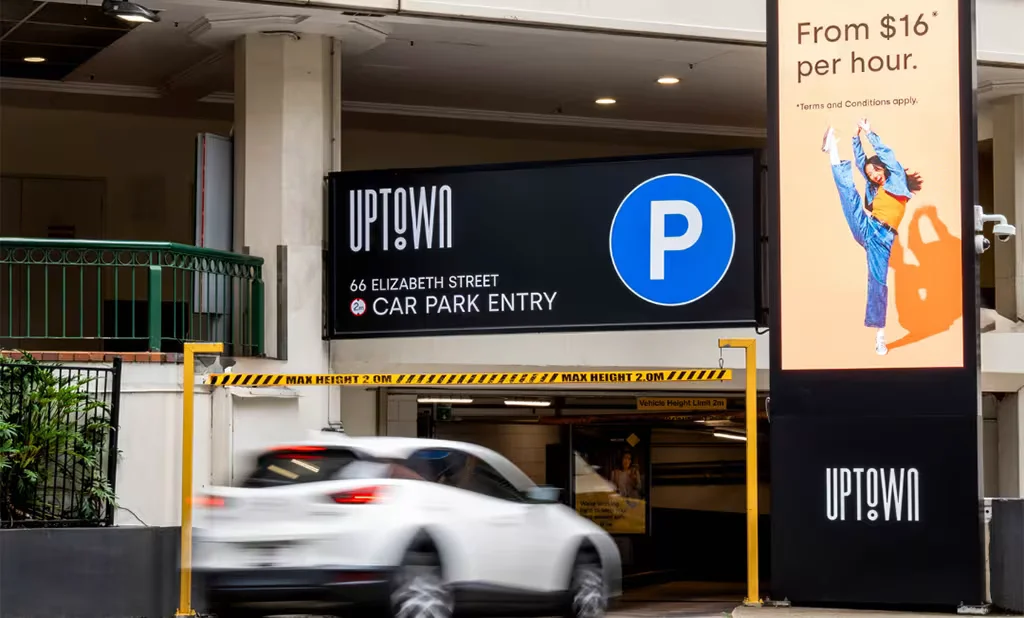
Vicinity Centres Takes Full Ownership of Uptown, Paving the Way for a $300 Million Brisbane CBD Revamp

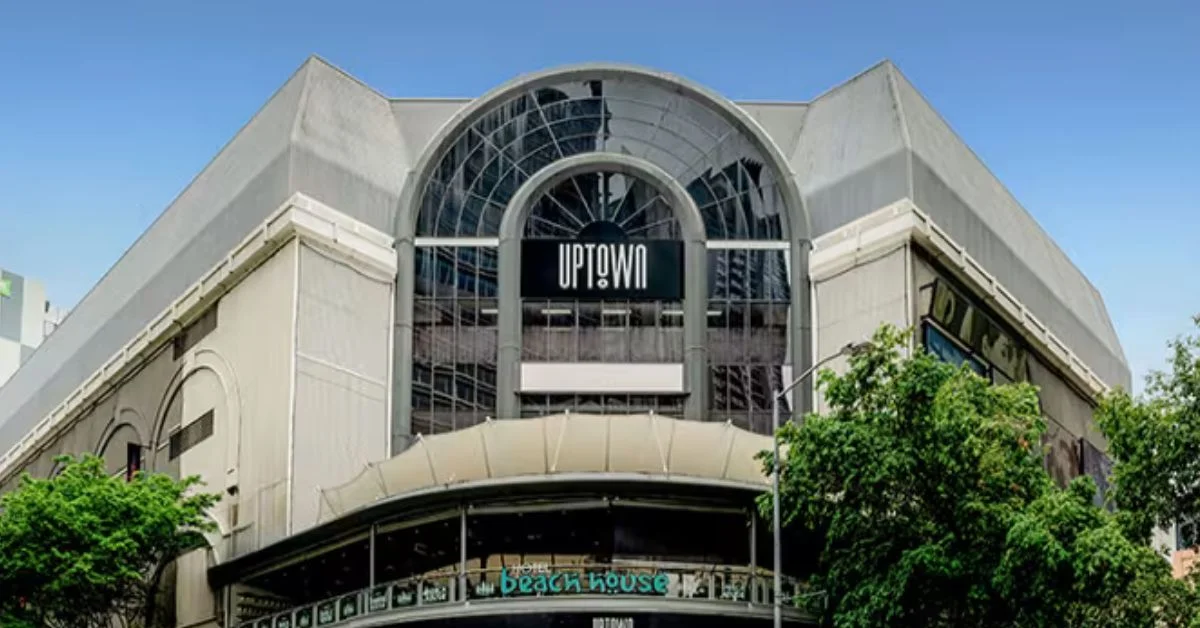
Vicinity Centres is set to transform the George Street end of Queen Street Mall after moving to secure full ownership of Uptown in a $212 million deal.


Contracts are expected to be exchanged with co-owner IFM Investors by April, with settlement anticipated in June 2026, pending consent in relation to certain ancillary land rights. Vicinity, which has managed the site and held a 25 per cent stake since 2012, will then own the full 1.27-hectare site outright, spanning 63,025 square metres across six levels at the George Street end of Queen Street Mall.

The deal ends years of partial ownership and stalled planning that have left the centre hollowed out since its anchor tenant, Myer, closed its five-level flagship store in July 2023 after 35 years in the building. With sole ownership now within reach, Vicinity has laid out the most detailed vision yet for Uptown’s future, and Brisbane CBD residents and shoppers will be watching closely.

From the Myer Centre to Uptown: A Long Road

The centre opened on 28 March 1988, just ahead of Brisbane’s World Expo ’88, built on a block previously occupied by Hotel Carlton, Newspaper House and the Barry and Roberts department store. At its peak it housed 180 stores and a five-level Myer department store, the largest in Queensland, and also featured a Hoyts cinema complex and multiple food courts.

For many Brisbanites, the building also holds a particular memory: the Dragon Coaster, an indoor rollercoaster that sat at the upper levels of what was then known simply as the Tops theme park, before it closed in the late 1990s. The building has been renamed, reconfigured and partly redeveloped several times since, but it has never fully replaced what it lost when Myer departed.

The centre has been struggling since Myer closed, which the retailer attributed to failed lease negotiations. In the wake of that departure, early plans floated by Vicinity and its then co-owner included an aquarium, escape room, arcade, laser tag arena and indoor ski-field as possible components of a $400 million to $500 million redevelopment.

Those plans were never formalised, and the building has traded in a state of uncertainty ever since. Listed investment manager HMC Capital entered due diligence to purchase the property but ultimately did not make an offer, leaving Vicinity to exercise its right to acquire the remaining stake outright.

An Emporium-Style Vision for Brisbane

Vicinity’s blueprint for the redeveloped Uptown draws directly on its experience transforming Emporium Melbourne, the Lonsdale Street centre that has become one of the most successful CBD retail destinations in the country, home to premium Australian and international fashion brands including Zimmermann, Camilla and Marc, Oroton and Ralph Lauren.

Vicinity CEO Peter Huddle has described the vision as curating an Emporium-style destination in Brisbane’s CBD, combining fashion, dining, entertainment, leisure and technology in a highly productive multi-level format. This move goes beyond adding floor space; it aims to give Brisbane residents a more accessible, high-quality social hub that makes shopping and dining in the city centre simpler and more convenient.

The redevelopment is expected to cost between $300 million and $350 million, funded through a combination of debt and the sale of other assets within Vicinity’s portfolio. Completion is targeted for 2029. Vicinity notes the CBD currently lacks a large-scale, full-price retail offer of the kind the revitalised Uptown would provide, a gap that has become more acute as surrounding areas, particularly Fortitude Valley’s James Street precinct, have captured much of Brisbane’s premium spending.

Some industry observers have noted that Emporium Melbourne’s transformation involved significantly larger capital investment, and have suggested Brisbane temper expectations of a billion-dollar-style rebirth, with a more curated and refreshed Uptown the more likely outcome. The comparison is worth keeping in mind, though Vicinity’s track record in repositioning CBD retail assets gives the project genuine credibility.

What It Means for Queen Street Mall

For residents and workers in Brisbane’s inner city, the Vicinity acquisition represents the clearest signal yet that Uptown’s long period of drift is ending. The Queen Street Mall precinct as a whole has faced growing pressure from online retail and from inner-city dining and entertainment destinations, and a revitalised Uptown anchoring the George Street end of the mall would materially change the experience of Brisbane’s most trafficked retail corridor.

Upcoming transport upgrades ahead of the 2032 Games will further boost accessibility, linking locals more seamlessly to the site’s 1,450 underground car park spaces.

Vicinity expects to exchange contracts by the end of April 2026, with settlement in June. The company’s website at vicinity.com.au carries further information about the Uptown redevelopment plans as they are released.


Published 23-February-2026.

Plans to Revitalise Fortitude Valley Take Shape Ahead of Brisbane 2032

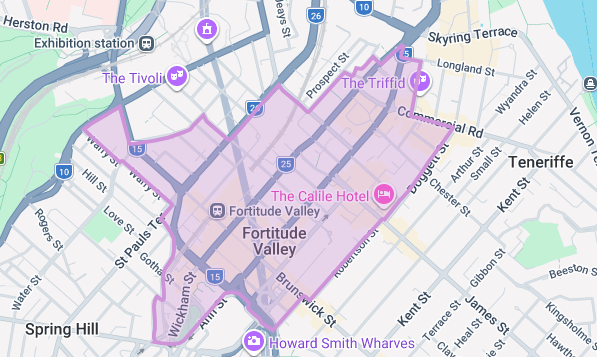
Fortitude Valley is the subject of a new long-term precinct plan that aims to boost housing, improve public spaces, strengthen transport connections and grow the local economy before the Brisbane 2032 Olympic and Paralympic Games, while protecting the suburb’s existing heritage and character.


Read: Prime Fortitude Valley Development Site Hits Market With 40-Storey Potential Near Olympic Precinct


The Fortitude Valley Sustainable Growth Precinct Plan, developed by Brisbane with input from state officials, will be adopted into Brisbane City Plan 2014 to guide and assess development across the precinct.

The first round of community consultation ran from December 2025 through to 15 February 2026, inviting residents and stakeholders to share their ideas for revitalising the precinct. That feedback, alongside technical investigations and input from state officials, will be used to shape the draft plan. Residents who missed the first round can still view ideas submitted during the engagement period via the Your City Your Say interactive mapping platform.

What the plan covers

Precinct map (Photo credit: BCC)

According to Brisbane’s local officials, the plan will aim to:

  • facilitate housing choice and diversity
  • improve connections to places and destinations
  • leverage opportunities in the lead up to Brisbane 2032 and beyond
  • enhance cultural and creative experiences
  • support Fortitude Valley’s rich character and heritage
  • support vibrant streets, laneways and public spaces
  • boost the 24/7 economy
  • create thriving precincts and mixed-use communities.

What residents raised

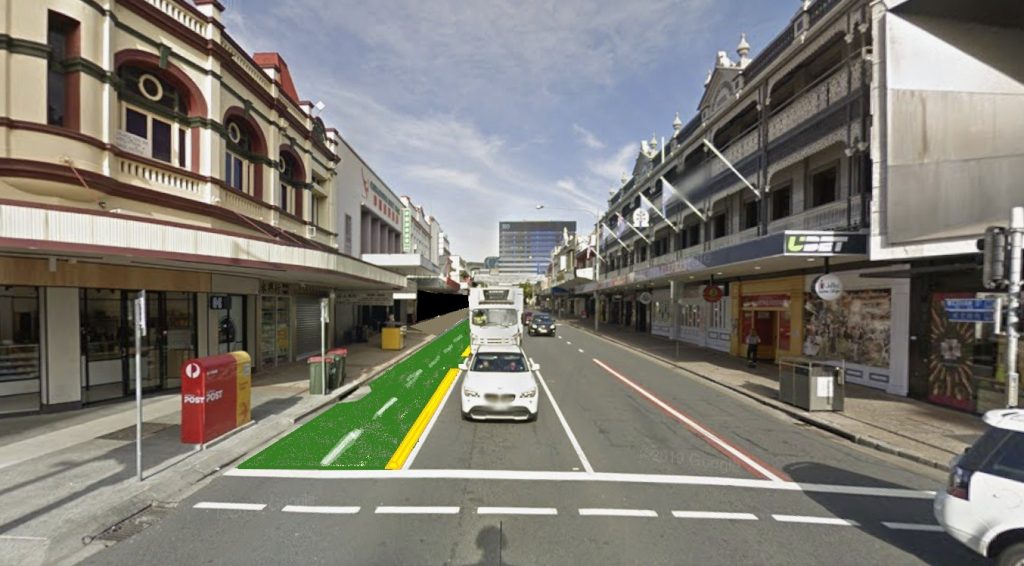
Photo credit: Google Street View

Among the feedback gathered during the initial consultation period, cycling infrastructure and laneway connectivity featured as notable concerns.

One resident raised concerns about northbound cycling access from Brunswick Street, noting the absence of a safe and comfortable route for cyclists continuing north. The resident indicated that while Wickham Street serves as an alternative, it is neither safe nor comfortable for cyclists or for pedestrians sharing the footpath.

McLachlan Lane was flagged by some respondents. One resident called for the lane to be reactivated and for improved connectivity to Ivory Street Park. A separate submission described walkability in the McLachlan Lane vicinity as poor, citing limited shade, high motor vehicle traffic and proximity to an emergency services station. The same respondent noted that connections to the Howard Smith Wharves precinct could be improved.

Cycling group proposes Valley bikeway

Photo credit: Facebook/Brisbane CBD BUG

The cycling advocacy group Brisbane CBD BUG (Bicycle User Group) has put forward a proposal for a physically separated bi-directional bikeway through Fortitude Valley, connecting the Breakfast Creek pedestrian and cyclist bridge in Newstead with the CityLink Cycleway on Elizabeth Street. The group has identified two possible corridors — Wickham Street, which it considers the preferred route due to its less steep gradient, or Ann Street as an alternative.

The group argues the infrastructure would have direct economic benefits for the precinct. “We know that bike lanes boost business and it is hard to think of a more sustainable way to grow a precinct than with people riding in, out and through it,” the group posted on Facebook.

Brisbane CBD BUG also pointed to safety concerns as a key driver of the proposal. “Currently the Valley is very much a no go zone for many people on bikes as they fear for their safety, due to the hostile road environment. It is time this changed for the better!”

The proposal received support in the comments, with some respondents noting it would be an opportunity to better connect Brisbane’s high-density districts by bike. However, not all were in agreement on priorities, with one commenter expressing a preference for dedicated bus lanes along the full length of Ann and Wickham streets before bikeway investment, while also acknowledging the need for improved cross-valley cycling access, suggesting the southern side of Gipps Street as a potential route to the Story Bridge.


Read: Behind Queensland’s Growth: The Infrastructure Race to Keep the Lights On


What comes next

A draft precinct plan is expected to be released for a further round of public consultation in late 2026, at which point local officials will also engage with businesses and state officials on the draft plan. 

Feedback from that round will be reviewed and incorporated before the plan is finalised. Approval from both local and state officials is expected in 2027, after which the plan will be formally gazetted into Brisbane City Plan 2014.

Published 20-February-2026
Final Salute for Steve Gollschewski After Decades of Service to Queensland

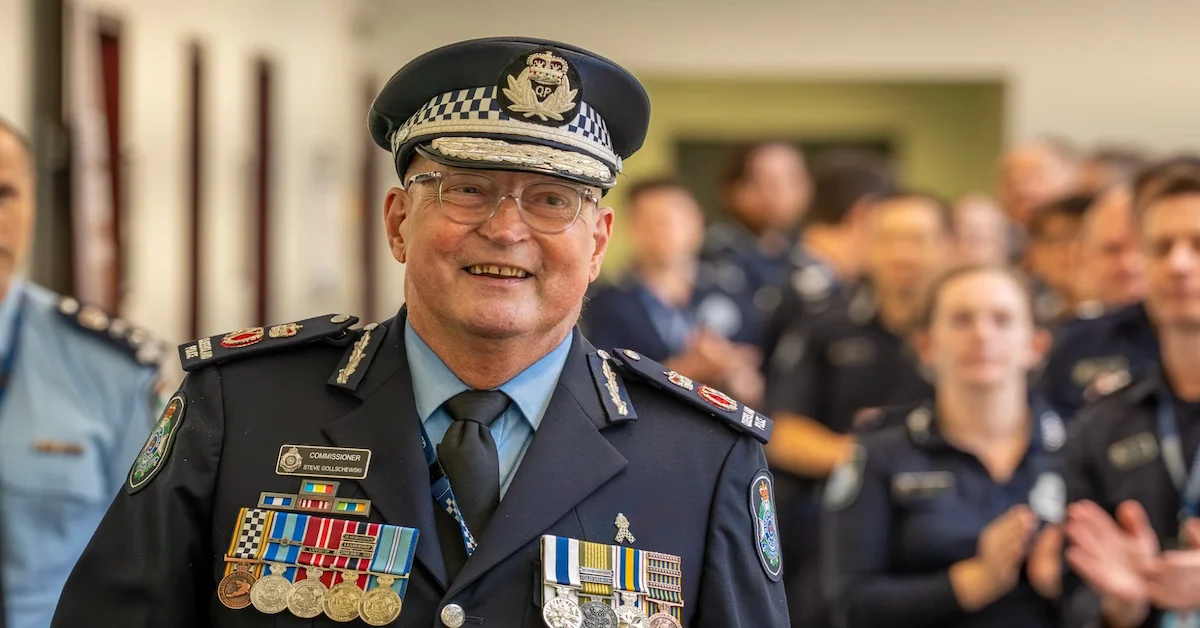
Queensland Police Service Commissioner Steve Gollschewski formally retired on 20 February 2026, marking the end of a career that began in 1980 and saw him rise from a fresh-faced recruit with modest ambitions to become the state’s 21st police commissioner. His departure from Brisbane’s police headquarters was marked by a guard of honour, applause from colleagues and loved ones, and a final salute.


The 66-year-old said he is stepping away to focus on his health and family after a stage-four lung cancer diagnosis that he has described as lifelong and manageable. Despite the personal challenge, he continued to serve, returning to the job after treatment to help position the organisation for the future.

Reflecting on his long career, Gollschewski said the people he worked alongside remained his greatest source of pride.

What began as an ambition to become a detective sergeant evolved into a lifetime of service spanning organised crime, intelligence, anti-corruption, counterterrorism and disaster management.

He joined the then Queensland Police Force in 1980, following in the footsteps of his father and brother.

Over the decades, he gained wider recognition for his role in Queensland’s COVID-19 response. As commissioner, he focused on organisational improvement after the 100-day review and during a period of heightened public concern about youth crime, domestic violence, recruitment pressures and unrest within the ranks.

Gollschewski took on the role of commissioner in 2024 following the retirement of his predecessor, Katarina Carroll, first taking the reins in the interim before being officially appointed as the state’s 21st top cop. He said his mission was to make the community safer and to properly equip, lead and support the workforce.

During his time as commissioner, he pointed to progress including an 11 per cent reduction in complaints against police and a drop in staff attrition as signs the service was heading in the right direction.

His final walk out of police headquarters was described as a heavy tread, more of a shuffle, as he farewelled colleagues and supporters and performed his last official duty — a final salute with Deputy Cheryl Scanlon.

Queensland Police Minister Dan Purdie said Queensland owed him a debt “we could probably never repay”, noting his decades of frontline service and leadership roles over many years.

His retirement closes a 46-year career marked by leadership roles and organisational reform that, as colleagues have said, leaves an enduring legacy for the service and the community.

Photo Credit: QPS

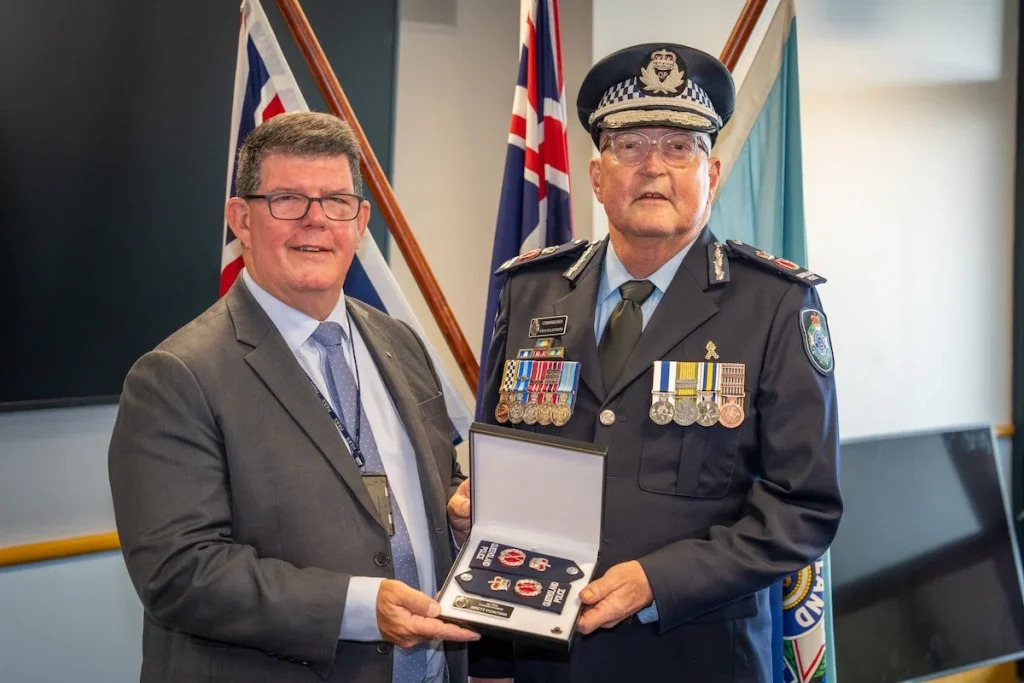
Following Commissioner Gollschewski’s retirement, Brett Pointing has been appointed Queensland Police Commissioner, taking over the role from 21 February 2026 for a 12-month term.


With more than 40 years of policing experience, including senior leadership roles within the Queensland Police Service and the Australian Federal Police, Mr Pointing has previously served as Deputy Commissioner, Gold Coast District Officer and disaster recovery coordinator, and contributed to major reforms including domestic and family violence responses and efforts to combat criminal motorcycle gangs. The Queensland Government said his appointment aims to strengthen frontline policing and continue efforts to reduce crime across the state. 

Published 20-Feb-2026

Japanese Metal Sensation BABYMETAL Brings Arena Tour to Fortitude Valley’s Riverstage in March

BABYMETAL will conclude their 2026 Australian arena tour at Riverstage in Fortitude Valley on Sunday, March 22, bringing their fusion of heavy metal and Japanese idol culture to Brisbane alongside Indian metal band Bloodywood.


The Tokyo-based trio will perform at the riverside venue on Gardens Point Road after shows in Perth, Adelaide, Melbourne and Sydney, marking their largest Australian headline run to date. Since making their Australian debut at Good Things Festival in 2018, BABYMETAL have built a devoted following through subsequent appearances at Knotfest earlier this year and a 2023 headline tour.

The Riverstage performance follows the release of METAL FORTH in 2025, which saw BABYMETAL become the first all-Japanese act to reach the top 10 of the Billboard 200. The album features collaborations with artists including Bloodywood on the track “Kon! Kon!” and showcases the band’s genre-defying approach that has earned them millions of global followers since forming in 2010.

Indian Metal Force Bloodywood Makes Australian Debut

New Delhi band Bloodywood will make their long-awaited Australian debut on the tour after years of visa issues prevented previous visits. The group balances guttural metal, Indian folk elements and hip-hop influences with lyrics sung in Hindi, Punjabi and English, creating a sound unlike any other act in heavy music.

Bloodywood released their album Nu Delhi earlier this year, which included a collaboration with BABYMETAL on the track “Bekhauf.” The band has sold out tours and performed at major European festivals including Hellfest and Download Festival, becoming India’s first metal act to chart on Billboard.

High-Octane Performance Expected

Previous BABYMETAL performances in Brisbane have drawn praise for their meticulous choreography, infectious energy and ability to blend explosive metal with precision Japanese idol traditions. Everblack Media described their Brisbane headlining show as a meticulously crafted spectacle that captivated audiences throughout.

The combination of BABYMETAL’s theatrical stage presence and Bloodywood’s ferocious live set promises a unique evening of heavy music at Riverstage. Both bands have collaborated before, raising the possibility of joint performances of songs like “Bekhauf” or “Kon! Kon!” during the Australian tour.

Five-City Australian Run

The tour kicks off on Thursday, March 12, at HPC Perth before heading to the AEC Theatre in Adelaide on Saturday, March 14, and Melbourne’s John Cain Arena on Tuesday, March 17. The East Coast leg hits a fever pitch at Sydney’s Hordern Pavilion where a second show has been added for Thursday, March 19, to keep up with the demand for the original Friday night slot. Everything then culminates in a massive tour finale at Brisbane’s Riverstage on Sunday, March 22, marking the end of the band’s most ambitious Australian run yet.

BABYMETAL's tour schedule
Photo Credit: BABYMETAL

BABYMETAL have spent much of 2025 on the road, performing in Europe, the UK, North America and Mexico, with their relentless global touring schedule establishing them as one of the most unique forces in modern metal. Their five studio albums, countless awards and collaborations with artists including Tom Morello, Spiritbox and Electric Callboy have cemented their reputation for reinventing what it means to be a heavy band.

Tickets for the Riverstage show are available through Ticketmaster, with the 5:30pm doors promising an evening of genre-bending metal that showcases both Japanese and Indian influences on the heavy music landscape.


Published 16-February-2026.

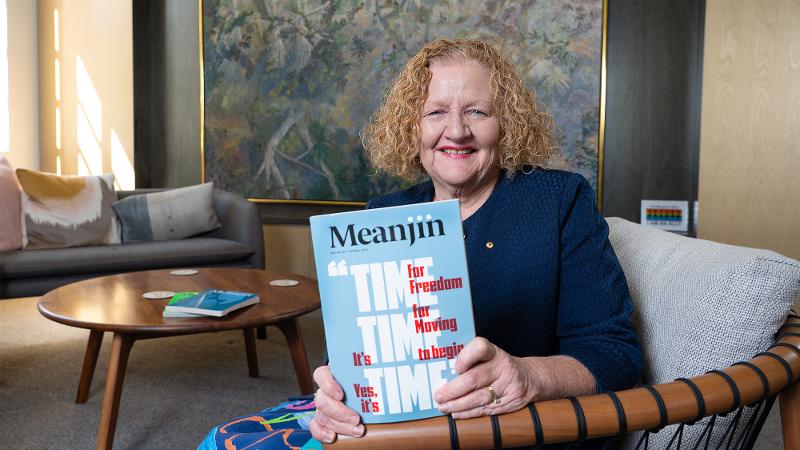
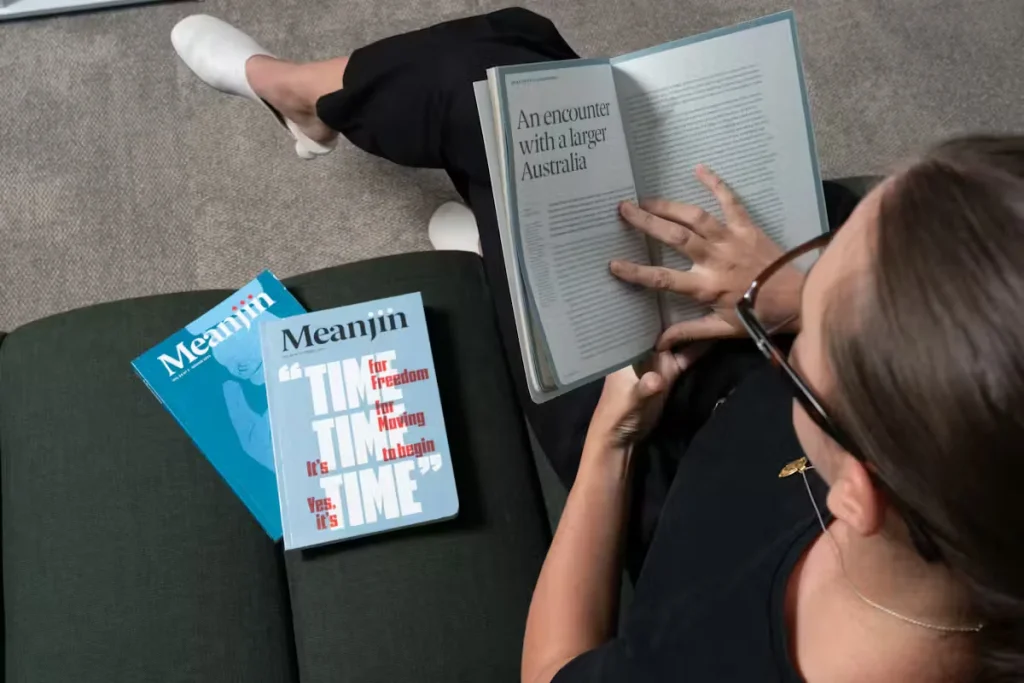
Literary Magazine Meanjin Returns to Brisbane After 80 Years Under QUT Custodianship

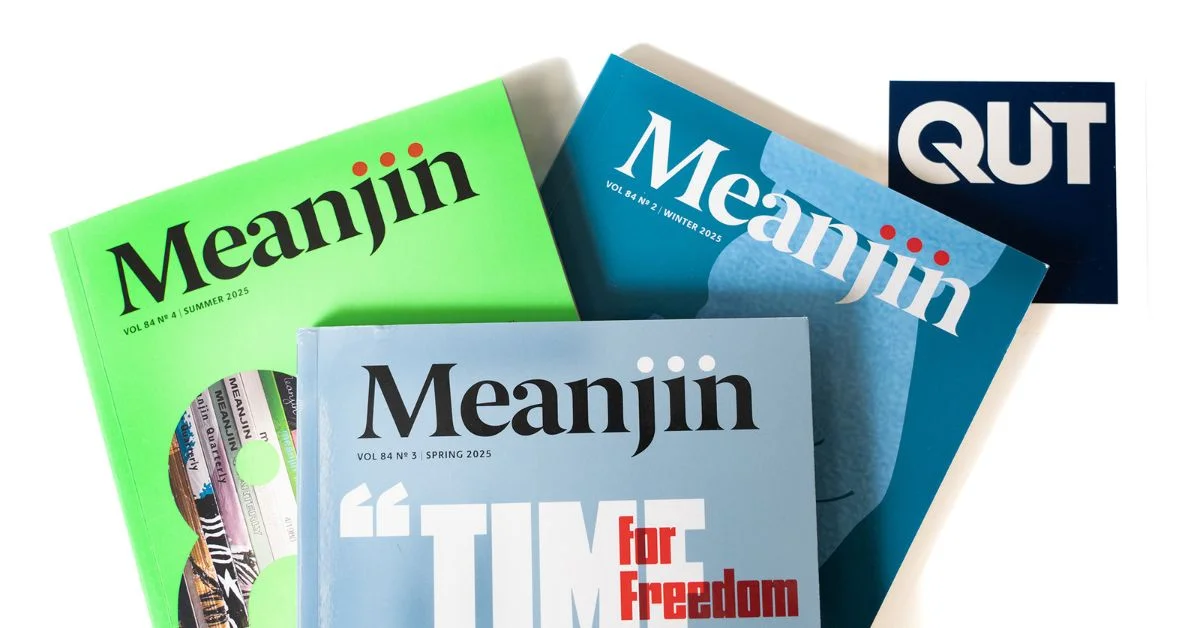
Queensland University of Technology at Gardens Point will become the new custodian of Meanjin, bringing Australia’s second-oldest literary magazine back to Brisbane 80 years after it relocated to Melbourne.


The 85-year-old journal is heading back to the city that gave it its name. While Clem Christesen first pulled the inaugural Meanjin Papers together in suburban Greenslopes in 1940, bringing the masthead to QUT’s Gardens Point campus marks a massive symbolic return to the heart of the river city. After 80 years in Melbourne, the journal is finally back on the Turrbal and Yugara lands where its story began.

Melbourne University Press announced in September 2025 that Meanjin would close due to financial pressures, with editor Esther Anatolitis and deputy editor Eli McLean made redundant and the final issue released in December. The announcement triggered immediate backlash from Australia’s literary community, including authors Jennifer Mills, Anna Krien, Claire G Coleman and former editors Sophie Cunningham and Jonathan Green.

Gardens Point Campus to Host National Literary Icon

QUT Vice-Chancellor Professor Margaret Sheil said the university is delighted to bring Meanjin home to Meanjin/Magandjin, the Turrbal and Yugara word for the lands where Gardens Point campus now stands. Since its foundation, the literary magazine has been instrumental in shaping Australian literary and intellectual culture, providing a vital platform for critical discussion and a showcase for emerging writers.

Professor Margaret Sheil
Photo Credit: QUT

The university will appoint an editorial board to ensure the journal’s independence, values and standards are maintained, and will recruit an editor through a national competitive search. QUT will take time to thoughtfully re-establish the journal in Queensland and consider how to most effectively reinvigorate Meanjin while respecting its founding vision and literary legacy.

Complementing Creative Writing Programs

Professor of Creative Writing Kári Gíslason said QUT has a distinguished group of alumni writers who have gone on to become renowned Australian authors. The partnership affirms how creativity, literature and excellence in writing allow people to think deeply and connect ideas in imaginative ways to the world around them.

The journal will complement the focused, high-quality creative writing program within the QUT School of Creative Arts at Gardens Point. Meanjin’s move to QUT sends a message to students that this connection between creative excellence and intellectual engagement remains as true now as it ever was.

Literary magazine Meanjin
Photo Credit: QUT

Timeline for Revival Remains Open

Principal policy adviser John Byron, a published author and former executive director of the Australian Academy of the Humanities, said rehoming the journal will take considerable work and QUT will take the time to do it properly. The university is a long way off releasing the next issue, as it has no editor, production staff or editorial board yet, but will get there.

The transfer is already underway and work now begins in earnest. QUT understands the scale of the privilege it has been afforded and will take good care of Meanjin, Byron said.

Literary Community Response

Former Meanjin editor Jonathan Green said the news of the journal’s return was a delightful surprise and it is lovely to think the literary magazine will be journeying back to Brisbane where its adventure began. Academic Ben Eltham, a long-running contributor, called the return a victory for everyone who fought to save this vital masthead for the future of Australian literature.

The timing aligns with Queensland’s plans to elevate the creative economy, support local talent and showcase the state’s unique stories and culture to a global audience ahead of the Brisbane 2032 Olympic and Paralympic Games. Melbourne University Press Chair Warren Bebbington said QUT’s understanding of the journal’s legacy surpassed those of other expressions of interest received from organizations wanting to take over the publication.


Published 16-February-2026.

Prime Fortitude Valley Development Site Hits Market With 40-Storey Potential Near Olympic Precinct

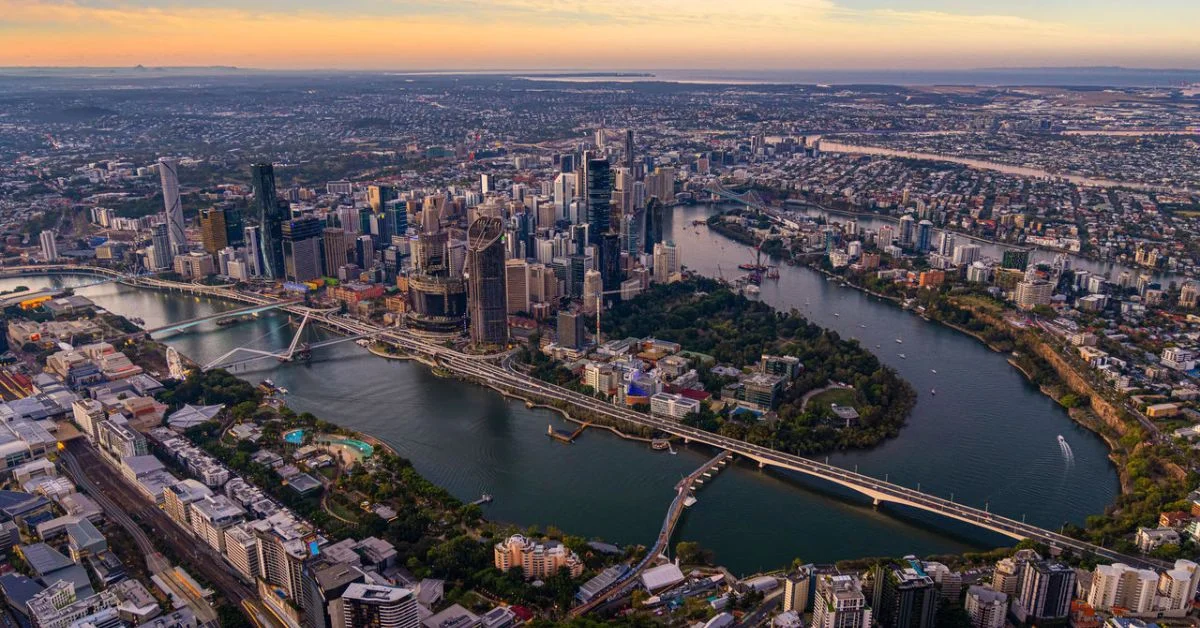
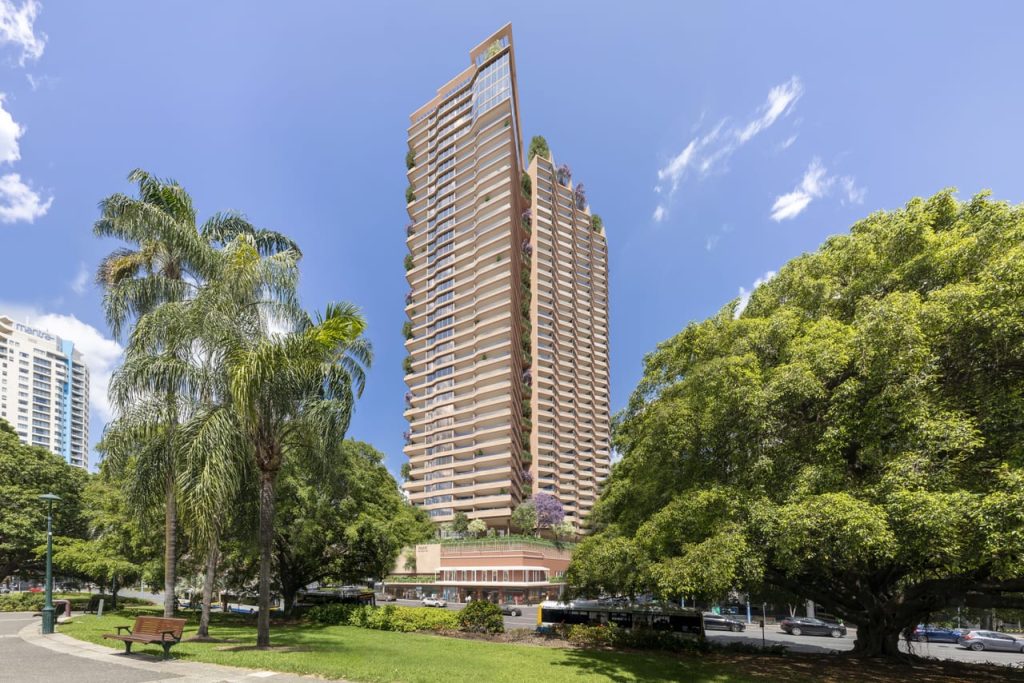
A prominent development site at 70-82 Wickham Street in Fortitude Valley has launched to market with concept plans for towers up to 40 storeys, positioning developers to meet Brisbane’s growing need for apartments ahead of the 2032 Olympic and Paralympic Games.


Colliers Queensland‘s Brendan Hogan and Troy Linnane have been appointed to sell the site known as Landmark Brisbane, spanning 2,416 square metres across three street frontages. The property sits at the convergence of Brisbane CBD, Fortitude Valley and New Farm, placing it at the heart of the city’s most dynamic lifestyle, employment and growth corridors.

Concept plans prepared by architects Cottee Parker outline development scenarios of 25 and 40 storeys, delivering more than 350 apartments under both build-to-sell and build-to-rent scenarios, subject to approval. The site currently hosts a two-storey retail and commercial complex.

Gateway Location Near Howard Smith Wharves

Hogan said the development site is positioned close to Howard Smith Wharves, Brisbane’s premier riverfront dining and entertainment precinct, and only a 15-minute walk to the Victoria Park Olympic precinct. This proximity to Olympic infrastructure adds appeal for developers looking to capitalise on the Games-driven demand for accommodation.

Brisbane's development site
Photo Credit: Louise Fitzgerald-Baker / Instagram

Inner-city Brisbane is experiencing acute undersupply of apartments, with vacancy rates below one percent and prestige developments in the inner-city are setting new benchmarks, with some luxury projects now commanding upwards of $20,000 per square metre. Market analysts currently rank Brisbane’s growth fundamentals as the strongest among eastern seaboard capitals, driven by persistent undersupply and interstate migration.

360-Degree Views and Strategic Position

The proposed tower heights unlock potential for 360-degree views, offering future residents uninterrupted outlooks over the CBD, Story Bridge, and Brisbane River. The surrounding Fortitude Valley precinct is undergoing rapid gentrification, underpinned by premium residential developments, lifestyle-driven demand and strong population growth.

Linnane said South East Queensland’s population growth is driving unprecedented demand for inner-city apartments, making high-quality development sites in prime locations increasingly scarce. The site’s gateway positioning, river and skyline views, and proximity to the Olympic precinct create a once-in-a-generation opportunity to develop a world-class project.

Strong Market Interest Expected

Colliers has already seen strong market interest from a range of local, interstate and offshore developers, as well as institutional investors and high net worth individuals. The expressions of interest campaign for the Fortitude Valley development site closes March 19, with multiple parties expected to compete for the opportunity.

The site joins other major Fortitude Valley development sites currently on the market, including a Barry Parade property with approval for dual towers of 27 and 37 storeys comprising 490 apartments. The cluster of development opportunities reflects Fortitude Valley’s position as a key growth area for Brisbane’s residential market ahead of the 2032 Games.


Published 16-February-2026.

AgTech Leadership Bursary Awarded To Associate At Fortitude Valley Firm

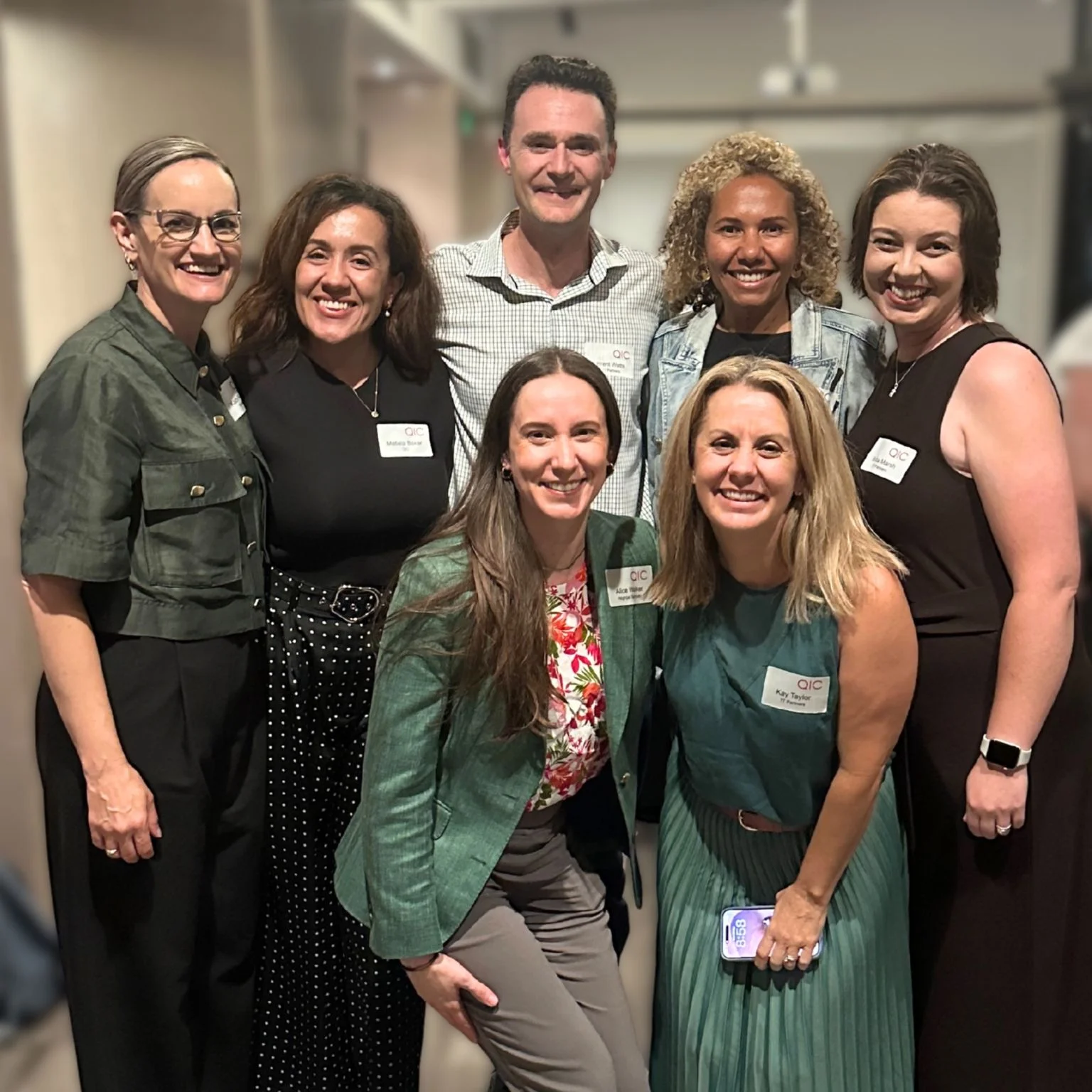
Brisbane-based AgTech consultant Britta Marsh, an associate at Fortitude Valley venture capital firm 77 Partners, has been awarded the Liz Alexander Bursary for Leadership in AgTech and Innovation.


Professional Background In AgTech And Investment

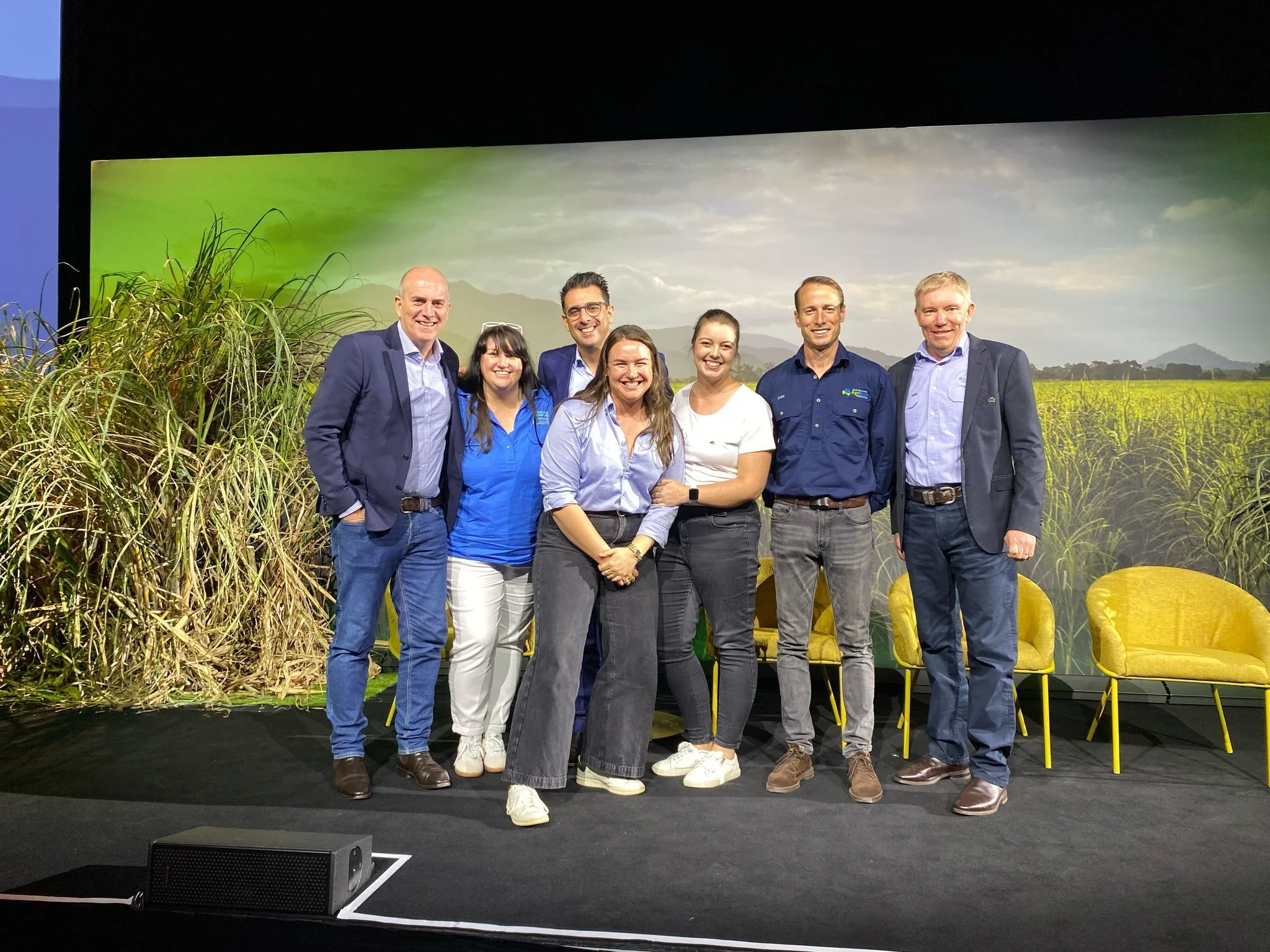
Britta Marsh secured the bursary, which provides $3,000 to support her attendance at evokeAG 2026 in Melbourne as part of Team Queensland. The event is recognised as a leading agrifood innovation gathering in the Asia Pacific region.

Ms Marsh is an associate at 77 Partners. The firm is described as Queensland-based and focused on venture capital investment.

Fortitude Valley AgTech
Photo Credit: Britta Marsh/LinkedIn

She has worked with more than 200 AgTech startups nationally, including more than 50 based in Queensland. Her work supports founders in validating markets, connecting with producers and progressing towards commercialisation and early-stage investment readiness.

In addition to her investment role, Ms Marsh serves on the Australian Agritech Association’s National Committee and is involved in program design and ecosystem development across Queensland’s agricultural sector.

Britta Marsh
Photo Credit: Britta Marsh/LinkedIn

Recognition Of Industry Contribution

The Liz Alexander Bursary recognises emerging leaders contributing to AgTech innovation in Queensland. Managed by the Department of Primary Industries, it is delivered annually and provides funding for attendance at evokeAG to facilitate industry engagement and knowledge exchange.

Ms Marsh was recognised for her contribution to strengthening regional, producer-led innovation pathways within the state’s AgTech landscape.

Liz Alexander bursary
Photo Credit: Britta Marsh/LinkedIn

Legacy Of Liz Alexander

The bursary honours the legacy of Liz Alexander, an AgTech advocate from Emerald in Central Queensland who played a key role in shaping the state’s agricultural innovation ecosystem. Her work included involvement in initiatives such as AgFrontier and i4Connect, along with board roles including Cotton Australia, Plant Health Australia and QRIDA.

Liz Alexander passed away in July 2024 at age 51 following complications related to cancer treatment.


The bursary continues her focus on collaboration, leadership and innovation within Queensland’s primary industries, with broader industry goals including lifting primary production output to $30 billion by 2030.

Published 13-Feb-2026