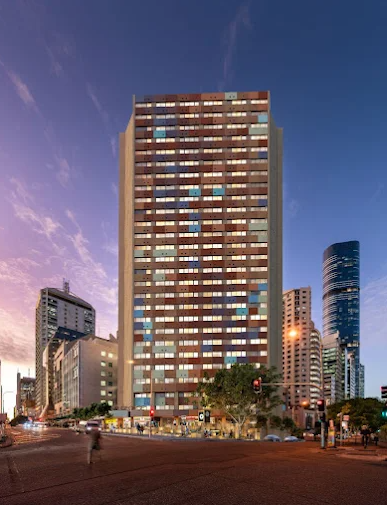



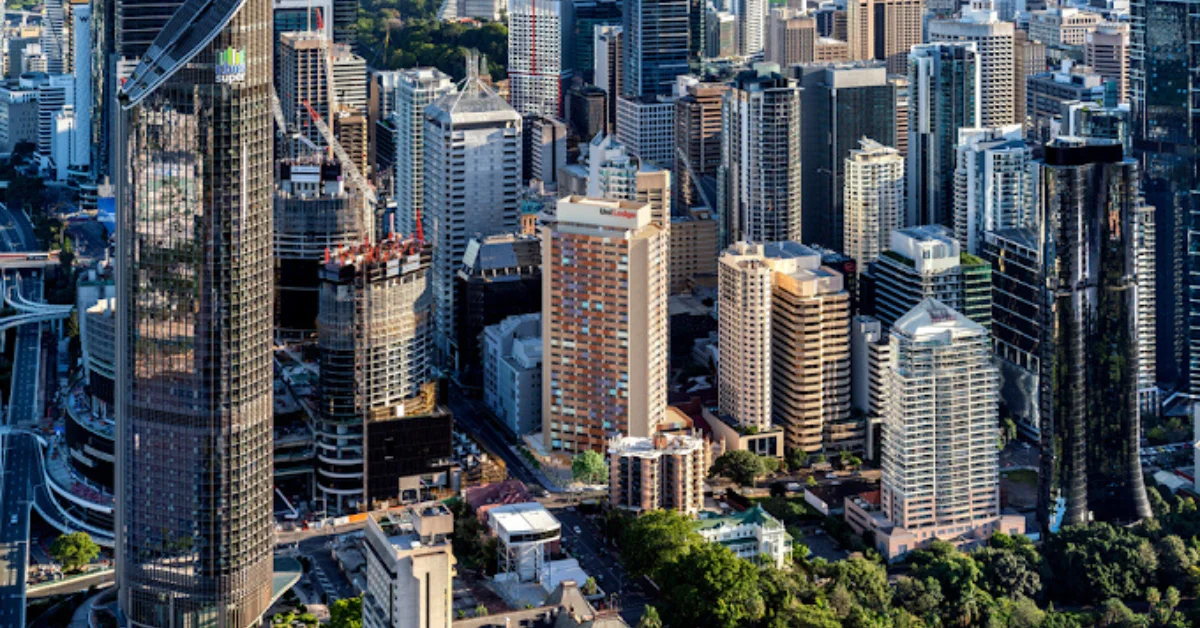
A prominent development site at 70-82 Wickham Street in Fortitude Valley has launched to market with concept plans for towers up to 40 storeys, positioning developers to meet Brisbane’s growing need for apartments ahead of the 2032 Olympic and Paralympic Games.
Colliers Queensland‘s Brendan Hogan and Troy Linnane have been appointed to sell the site known as Landmark Brisbane, spanning 2,416 square metres across three street frontages. The property sits at the convergence of Brisbane CBD, Fortitude Valley and New Farm, placing it at the heart of the city’s most dynamic lifestyle, employment and growth corridors.
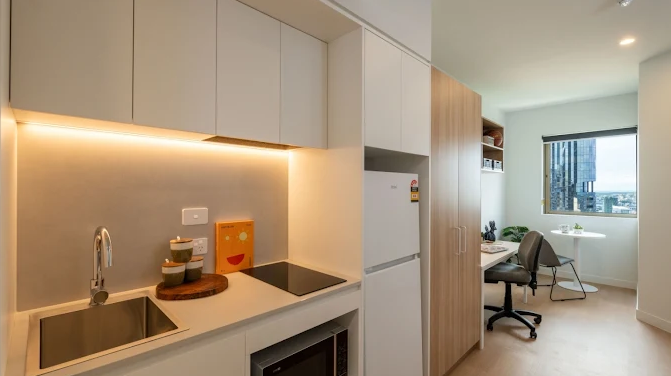
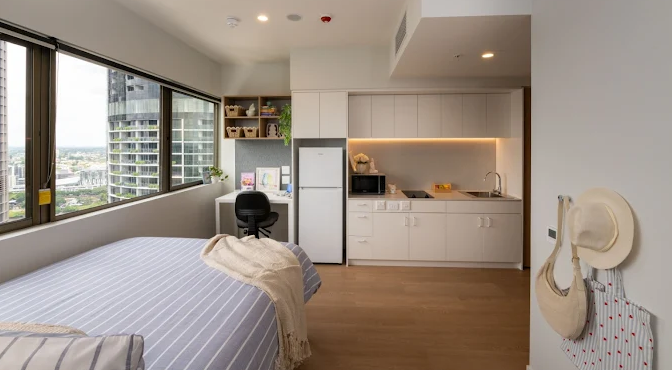
Concept plans prepared by architects Cottee Parker outline development scenarios of 25 and 40 storeys, delivering more than 350 apartments under both build-to-sell and build-to-rent scenarios, subject to approval. The site currently hosts a two-storey retail and commercial complex.
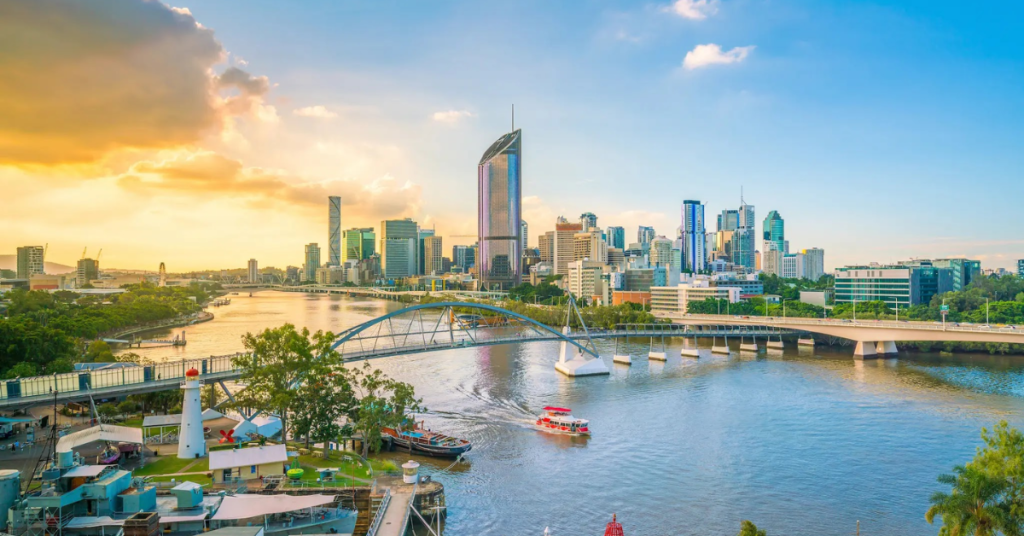
Gateway Location Near Howard Smith Wharves
Hogan said the development site is positioned close to Howard Smith Wharves, Brisbane’s premier riverfront dining and entertainment precinct, and only a 15-minute walk to the Victoria Park Olympic precinct. This proximity to Olympic infrastructure adds appeal for developers looking to capitalise on the Games-driven demand for accommodation.
Inner-city Brisbane is experiencing acute undersupply of apartments, with vacancy rates below one percent and prestige developments in the inner-city are setting new benchmarks, with some luxury projects now commanding upwards of $20,000 per square metre. Market analysts currently rank Brisbane’s growth fundamentals as the strongest among eastern seaboard capitals, driven by persistent undersupply and interstate migration.
360-Degree Views and Strategic Position
The proposed tower heights unlock potential for 360-degree views, offering future residents uninterrupted outlooks over the CBD, Story Bridge, and Brisbane River. The surrounding Fortitude Valley precinct is undergoing rapid gentrification, underpinned by premium residential developments, lifestyle-driven demand and strong population growth.
Linnane said South East Queensland’s population growth is driving unprecedented demand for inner-city apartments, making high-quality development sites in prime locations increasingly scarce. The site’s gateway positioning, river and skyline views, and proximity to the Olympic precinct create a once-in-a-generation opportunity to develop a world-class project.
Strong Market Interest Expected
Colliers has already seen strong market interest from a range of local, interstate and offshore developers, as well as institutional investors and high net worth individuals. The expressions of interest campaign for the Fortitude Valley development site closes March 19, with multiple parties expected to compete for the opportunity.
The site joins other major Fortitude Valley development sites currently on the market, including a Barry Parade property with approval for dual towers of 27 and 37 storeys comprising 490 apartments. The cluster of development opportunities reflects Fortitude Valley’s position as a key growth area for Brisbane’s residential market ahead of the 2032 Games.
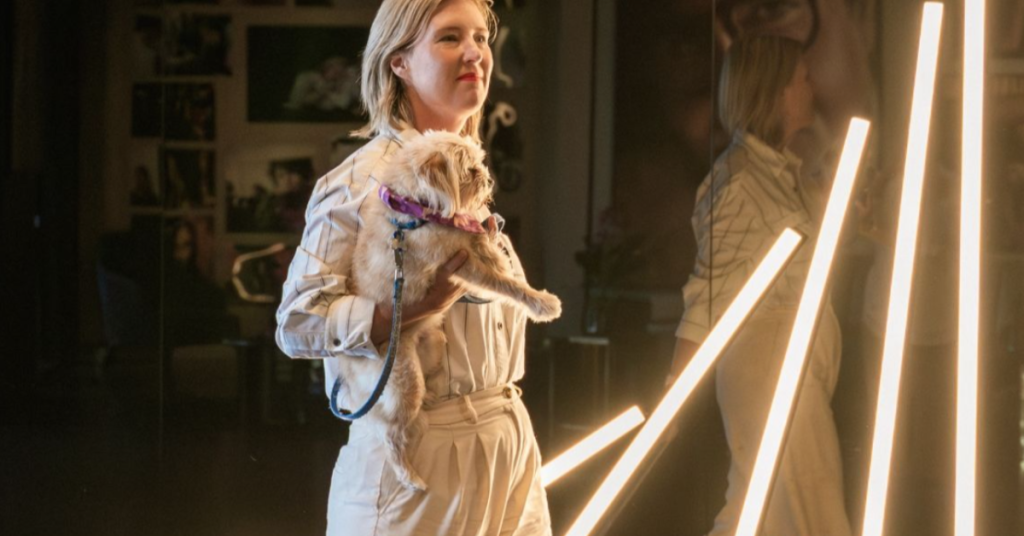
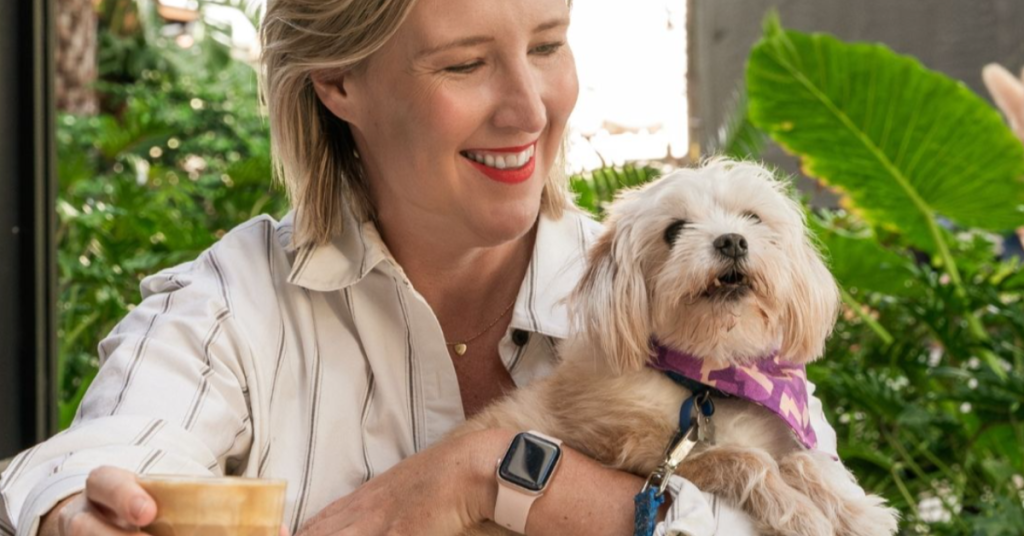
Brisbane-based AgTech consultant Britta Marsh, an associate at Fortitude Valley venture capital firm 77 Partners, has been awarded the Liz Alexander Bursary for Leadership in AgTech and Innovation.
Britta Marsh secured the bursary, which provides $3,000 to support her attendance at evokeAG 2026 in Melbourne as part of Team Queensland. The event is recognised as a leading agrifood innovation gathering in the Asia Pacific region.
Ms Marsh is an associate at 77 Partners. The firm is described as Queensland-based and focused on venture capital investment.
She has worked with more than 200 AgTech startups nationally, including more than 50 based in Queensland. Her work supports founders in validating markets, connecting with producers and progressing towards commercialisation and early-stage investment readiness.
In addition to her investment role, Ms Marsh serves on the Australian Agritech Association’s National Committee and is involved in program design and ecosystem development across Queensland’s agricultural sector.
The Liz Alexander Bursary recognises emerging leaders contributing to AgTech innovation in Queensland. Managed by the Department of Primary Industries, it is delivered annually and provides funding for attendance at evokeAG to facilitate industry engagement and knowledge exchange.
Ms Marsh was recognised for her contribution to strengthening regional, producer-led innovation pathways within the state’s AgTech landscape.
The bursary honours the legacy of Liz Alexander, an AgTech advocate from Emerald in Central Queensland who played a key role in shaping the state’s agricultural innovation ecosystem. Her work included involvement in initiatives such as AgFrontier and i4Connect, along with board roles including Cotton Australia, Plant Health Australia and QRIDA.
Liz Alexander passed away in July 2024 at age 51 following complications related to cancer treatment.
The bursary continues her focus on collaboration, leadership and innovation within Queensland’s primary industries, with broader industry goals including lifting primary production output to $30 billion by 2030.
Queensland is building at speed. New estates are opening, infill projects are moving through approvals and cranes continue to reshape inner-city skylines.
But not every new home can simply be switched on.
Behind the construction surge is a quieter pressure point that directly affects housing supply: access to electricity and water. Without confirmed utility connections, dwellings cannot be completed, settled or occupied — regardless of demand.
According to Energy Queensland Annual Report 2024–25, more than 55,000 applications for new electricity connections were lodged in a single financial year. While most are delivered through existing infrastructure, around 12 per cent require major network upgrades — new transformers, substations or power lines — adding time and cost to projects already under pressure.
For developers, network augmentation can shift feasibility calculations. Extended connection timelines may affect staging, holding costs and settlement schedules. For smaller builders and infill projects, uncertainty around capacity can complicate construction programs and financing.
In a market grappling with housing shortages and strong subdivision activity, those delays ripple outward. If a project cannot secure timely utility access, new supply is effectively paused — even if planning approvals are in place and buyers are ready.
For purchasers, the implications are less visible but no less significant. Delayed settlements, extended build times and rising infrastructure costs ultimately feed into pricing and availability.
Compounding Pressures: Labour and Supply Chains
The challenge is not purely technical. Queensland is simultaneously managing workforce shortages across engineering, electrical and construction trades, while preparing for major infrastructure commitments in the lead-up to the 2032 Olympic and Paralympic Games.
Global supply chain disruptions add further complexity. Industry reporting has highlighted extended manufacturing lead times for large power transformers, with some equipment taking years to produce and deliver. Projects requiring network upgrades can therefore face materially longer timelines than standard connections.
Utilities have introduced improved mapping tools to help developers identify available network capacity earlier in the planning phase, alongside efforts to reduce application backlogs and streamline approvals.
Industry groups are increasingly focused on early collaboration between developers, planners and network operators to identify potential bottlenecks before projects reach construction.
The issue will be examined at the upcoming Pipes and Wires: Connecting Queensland’s Utilities event hosted by the Property Council of Australia on 25 March in Eagle Street, where infrastructure capacity and housing delivery will be central themes.
While power connections rarely attract the attention given to towers or transport corridors, they sit at the core of housing supply. Without reliable electricity and water, homes cannot settle, tenants cannot move in and new communities cannot function.
In a market defined by undersupply and population growth, Queensland’s property pipeline depends not only on approvals and construction — but on whether the lights can come on.
Valentine’s Day doesn’t have to follow one script. In 2026, plenty of locals are treating February 14 as a choose-your-own night out, whether that’s a proper date, a Galentine’s catch-up with an activity built in, a mixed-group dinner that can turn into a singalong, or a full-send party where singles can actually have fun.
To keep it simple, pick the vibe first and then pick the venue that matches it.
Vibe 1: Low-key romance with a view
If your ideal Valentine’s involves good food, a little scenery, and minimal effort (the best kind), go for a waterside setting or a backdrop that does the heavy lifting.
A cosy choice for couples who want a relaxed lunch or dinner overlooking the river — intimate without being overly formal, and perfect for a proper chat that isn’t competing with a dancefloor.
If you’re after “special occasion” energy, this one leans into the setting, with the Brisbane River and Story Bridge as your backdrop. Expect cocktails, shared chef’s specials, and live music from 6:00 p.m. — ideal for a date night that feels like a night out, not just a booking.
Best for: couples, first dates, and anyone who wants something classic without feeling locked into clichés.
Vibe 2: Galentine’s with an activity built in
If your group chat loves a plan that’s more than “we should catch up soon,” choose something hands-on. An activity gives the night momentum, keeps conversation flowing, and (bonus) you leave with a memento.
A friendship-forward session with candle-making, bubbly and charcuterie. It’s equal parts wholesome and fun — the kind of afternoon that feels like a treat without requiring anyone to dress up like it’s a formal.
Paint-and-sip is a proven recipe: wine, laughs, and an art result that’s either surprisingly good or proudly chaotic. This one’s a great pick for friends, low-pressure dates, or anyone who wants a social plan that isn’t “sit and stare at each other across a table.” Dinner-only bookings are also available if you’d rather keep it simple.
Best for: besties, workmates, small groups, and people who prefer doing something over “just going out.”
Vibe 3: Dates or mates — the flexible night out
This is the category for mixed groups (couples plus singles), double dates, or anyone who wants a night that can shift gears as it goes — from dinner to entertainment without having to relocate three times.
A full-night format that starts with shared plates, rolls into live jazz from 5:30 p.m., then turns playful with Valentine’s karaoke from 8:00 p.m. It’s the easiest option if you want something that can be romantic, friendly, or both — depending on who turns up and how the night unfolds.
Best for: mixed crews, “let’s keep it open-ended” plans, and anyone who wants dinner and a story afterwards.
Vibe 4: Singles and after-dark energy
If you’re not doing dinner-and-dessert, lean into venues that are unapologetically built for meeting people, dancing, and staying out late. Themes help. Loud music helps. A crowd that’s in on it helps most.
A Traffic Light Party (plus DJs and glow sticks) makes the whole night feel more social and less awkward — especially if you’re heading out with single friends and want an excuse to talk to strangers without pretending it’s accidental.
For anyone chasing late-night, dress-up, “main character” energy, Cupid’s Playground is the kind of party where committing to the bit is half the fun. Think bold outfits, big beats, and a dancefloor-first plan.
Best for: singles, party crews, and anyone whose Valentine’s vibe is “no small talk, just music.”
A quick way to choose
Want calm + scenic? Pick Vibe 1.
Want something cute + social? Pick Vibe 2.
Want flexibility for a mixed crew? Pick Vibe 3.
Want loud + late? Pick Vibe 4.
Whatever you’re celebrating on February 14 — romance, friendship, or simply having a great night — the best plan is the one that matches your mood (and your group chat’s energy).
After 13 months of repairs, QUT Art Museum is ready to welcome back visitors on Monday, 16 February, with an exhibition that showcases three decades of work by Australian artist and Palawa woman Jemima Wyman.
The basement-level gallery at Queensland University of Technology’s Gardens Point campus has been closed since late 2024, leaving Brisbane without access to one of the state’s premier visual arts institutions. Now, the museum is launching its return with Jemima Wyman: Deep Surface, a major survey exhibition by the Los Angeles-based artist.
The extended closure came after flash flooding struck south-east Queensland during wild storms in November and December 2024. The George Street building was flooded, damaging the gallery’s flooring at basement level.
A QUT spokesperson confirmed that no artworks were damaged during the flooding. The university has been working with insurers on the recovery.
The closure affected the institution significantly. QUT had already cancelled its 2025 exhibition program due to funding shortfalls before the flood damage occurred. The combination of financial constraints and storm damage affected several planned exhibitions, including a show by Bigambul artist Leah King-Smith that had been scheduled to run until March, as well as exhibitions featuring ceramicists Vipoo Srivilasa and the late Gwyn Hanssen Pigott.
A powerful return
For its reopening, the museum has chosen an exhibition that matches the significance of the moment. Jemima Wyman: Deep Surface brings together an extensive body of work spanning from the mid-1990s to today, offering visitors a comprehensive look at the artist’s evolution and ongoing investigations.
The exhibition pulls together diverse media including installation, video, performance, photography, collage and painting. According to information from QUT Galleries and Museums, Wyman’s practice explores politically charged themes including protest, camouflage, identity and collective action.
Visitors can expect explosive colour and intricate patterning throughout the show, with recurring motifs of smoke, masks and protest imagery woven through the works. These elements reflect Wyman’s ongoing investigations into collective organising, democracy and dissent.
The exhibition is accompanied by a newly released 200-page hardcover monograph, providing deeper context for Wyman’s practice. The publication features essays by curator Katherine Dionysius, Dr Chari Larsson and Dr Hanna Rose Shell, as well as a conversation between Wyman and Dr Yuval Etgar.
To complement the exhibition, an artist talk has been scheduled where Wyman will appear in conversation with curator Katherine Dionysius. The discussion will delve into the themes explored in Deep Surface, tracing how Wyman’s investigations into camouflage, democracy and dissent have developed over three decades.
Broader context
Photo credit: Facebook/QUT Galleries and Museums
The museum’s struggles reflect wider challenges facing arts programs at QUT. The university is currently undertaking a broad review of its performing arts courses, citing ongoing declines in enrolments. This review has already resulted in QUT halting its dance student intake for 2025 as it determines the future of the well-regarded degree program.
Despite these institutional pressures, QUT Art Museum is reopening with a major exhibition surveying Wyman’s three-decade career. The timing also coincides with other QUT venues returning after the summer break, including Old Government House Museum and the William Robinson Gallery, both located in the grounds of the Gardens Point campus adjacent to the Brisbane City Botanic Gardens.
The free-to-visit museum has been closed for over a year, but its return offers Brisbane’s arts community and the broader public renewed access to one of Queensland’s premier cultural institutions.
Jemima Wyman: Deep Surface opens Monday, 16 February at QUT Art Museum, U Block basement level, 2 George Street, Brisbane.
The Swedish pop powerhouse Zara Larsson will officially end her decade-long absence from Australian stages by launching her massive new world tour under the stars at Brisbane’s Riverstage.
The upcoming visit marks the first time the singer has performed her own headline shows in the country in eleven years. While she was originally meant to visit as a supporting act earlier this year, she had to cancel those plans at the last minute. To make it up to her local fans, she shared a video online of herself singing a classic Delta Goodrem song and promised to come back with a show of her own.
True to her word, the Midnight Sun Tour 2026 kicks off at the Riverstage in Brisbane on October 14. From there, she travels to Sydney’s Hordern Pavilion on October 15 and Melbourne’s Margaret Court Arena on 17 October. The final legs of the trip include the Entertainment Centre Theatre in Adelaide on 18 October and a closing night at Perth HPC on 20 October.
Larsson has undergone a massive transformation since she last visited Australian shores. She first found fame in Sweden as a ten-year-old talent show winner before evolving into a global chart-topper with billions of streams. Her career reached new heights with the massive success of her song Lush Life and her work with groups like Clean Bandit.
Recently, she has taken more control over her music by starting her own record label called Sommer House. Her latest music draws inspiration from the high-energy sounds of the early 2000s and her own Swedish roots. She recently told reporters that Australia was one of the first places to ever support her music and she felt that a return visit was long overdue.
Local fans have already begun sharing their excitement online following the official announcement from promoters. Many people noted that they have been waiting since their primary school years to see the singer perform live.
Because of the high demand, several early ticket windows will open before the general public can buy them. The first chances to grab a seat start with artist and partner presales on Wednesday, 11 February, at 9 am local time. Another chance follows on Thursday, 12 February, for Live Nation members. Anything remaining will go on sale to everyone else on Friday, 13 February, at 10 am.
El Vilsito, a Michelin Guide-recommended taqueria from Mexico City, is coming to Howard Smith Wharves, bringing its chefs to cook tacos the way they do at home for a limited-time takeover.
The visiting cooks are coming as part of La Mexicana, a short-run add-on to Margarita Week that expands the precinct’s cocktail calendar into a broader food-and-culture program.
The dates are split over two bursts: La Mexicana runs 5–8 March and 12–15 March, while Margarita Week continues across the full 5–15 March stretch.
Photo Credit: Supplied
For locals, the interesting part isn’t the branding. It’s the idea of a tight, street-food style operation built around one of Mexico’s most recognisable taco formats. It’s landing in a polished waterfront precinct and trying to keep its identity intact.
Two El Vilsito chefs will work alongside local teams to cook the tacos “as they’re served in Mexico City”, with the visiting group including Sandra Blanco, whose father, Juan Carlos Blanc,o owns the taqueria. The family connection matters because these aren’t “inspired-by” tacos; they’re recipes tied to a particular place and routine.
Photo Credit: Supplied
If you’ve seen Taco Chronicles on Netflix, you’ll recognise the al pastor theatre: marinated pork stacked on a vertical spit (the trompo), cooked, shaved, and tucked into tortillas with the kind of speed that looks like muscle memory. The taqueria also appears in the Michelin Guide, which frames it as approachable rather than precious—busy, fast, and built for repeat visits.
So why bring it to Brisbane at all? The idea originated after Katie Moubarak, Howard Smith Wharves’ brand director, visited Mexico City on a research trip, ate there, and stayed in contact with Blanco. It’s the sort of origin story that sounds neat on paper, but it reflects something real in the way venues now “travel” without moving: chefs swap places for a week, menus arrive like pop-up postcards, and locals get a new reference point for what a dish can taste like when it’s cooked by the people who grew up around it.
Photo Credit: Supplied
The other layer is Margarita Week itself. In a city where festival weekends are often tied to sport or school holidays, a precinct-wide drinks programme fills a gap: it gives venues a common reason to collaborate, and it gives residents a clear window to visit without feeling like they’ve missed the moment. This year’s pitch includes a spread of margarita styles—sweet, smoky, spicy, savoury—plus Tommy’s-style riffs and venue-specific twists, in partnership with Patrón.
Photo Credit: Supplied
You don’t have to be a cocktail person to appreciate what that does for a neighbourhood. A concentrated run of events changes the rhythm of a precinct: more early bookings, more groups arriving together, and more “let’s make a night of it” energy. It can also mean queues.
If La Mexicana lands the way the organisers hope, expect peak periods around Friday and Saturday evenings, with the most interest likely in the al pastor service because it’s both the headline and the thing you can’t easily reproduce at home.
The practical advice is simple: treat it like a short-season show. Pick a less hectic time if you want a relaxed visit; go later if you want the buzz. If you’re curious about the difference between a local taco interpretation and a Mexico City original, this is one of the rare chances to compare them without leaving the river.
Brisbane-based artist Renee Kire is transforming the Museum of Brisbane entryway with bold vinyl graphics and sculptural timber elements as the institution’s first Artist in Residence for 2026.
From March 6, visitors entering the Level 3 City Hall space will encounter Kire’s large-scale installation splashing colour, rhythm and movement across walls and ceilings in the museum’s main thoroughfare. The project marks ten years since the artist moved from the Sunshine Coast to Brisbane to pursue her creative career.
The installation responds directly to the architecture of City Hall and the surrounding cityscape visible from the museum. Kire describes being initially overwhelmed by the amount of space available but came to appreciate the character of the historic building, noting no two walls are the same with numerous different planes and angles shaping her approach to forms, colours and interactions.
Working within a heritage-listed building presented challenges including restrictions on what could and couldn’t be done to the space. Kire notes the most difficult aspect became developing the works digitally and translating scale from screen to real life, requiring adjustments to how forms, colours and interactions would exist in the physical space.
Approach and Philosophy
Renee Kire approaches Minimalism from a contemporary feminist perspective, themes that she says remain central to why she creates. These influences shape each project she undertakes, whether explicitly stated or operating beneath the surface. For this installation, thinking through Minimalist and feminist lenses guided the forms, colours and interactions she developed, encouraging repetition and inclusivity for all visitors.
The artist creates work intended to be accessible across ages and backgrounds rather than targeting specific audiences. Her two-year-old niece responds to colours while her grandmother appreciates composition and how different shapes interact. Kire hopes her work sparks curiosity for anyone who encounters it, whoever they are.
Her practice often encourages people to slow down and look closely at their surroundings. In the busy transitional space of the museum entrance, she hopes the forms and colours will catch attention and invite people to pause momentarily to notice details they might otherwise miss in a heritage building space many pass through without close observation.
Community Participation Element
Part of the installation will be co-created with the community through hands-on workshops during the residency period. Renee Kire says she looks forward to stepping back and seeing how people interpret the shapes and colours she has been immersed in over several months of development, noting the different ways people think and create when interacting with the work.
The workshops allow Brisbane residents to contribute directly to an artwork in one of the city’s most prominent cultural institutions, creating an element of shared ownership in the finished installation.
Museum of Brisbane Context
Museum of Brisbane occupies Level 3 of Brisbane City Hall at King George Square, serving as the city’s leading history and art museum. The institution presents exhibitions, events, workshops and tours exploring Brisbane’s art, culture and social history. The museum is open 10am to 5pm during weekdays and weekends with free general admission.
The Artist in Residency program, supported by Tim Fairfax AC, provides opportunities for artists to create site-specific works within the museum environment. The program demonstrates the museum’s commitment to supporting contemporary Brisbane artists while enhancing the visitor experience through temporary installations in museum spaces.
City Hall itself holds significance as one of Brisbane’s most recognisable heritage buildings in the CBD. The building’s distinctive clock tower and classical architecture make it a landmark for both visitors and residents navigating central Brisbane. The museum’s location within City Hall adds layers of historical context to contemporary art installations like Kire’s project.
Previous Work and Recognition
Renee Kire works from her East Brisbane studio creating sculptural forms that explore playful curves and interactions. Reviews of her previous exhibition at Rockhampton Museum of Art noted her consistent employment of large-scale aesthetics and soft pastel colour palettes.
Photo Credit: Rockchampton Museum of Art / Facebook
Her work has been compared to feminist minimalist sculpture, presenting what critics describe as a positive approach to domestic spaces through curves that invite interaction.
The curved prisms in her work require higher woodworking skills to create. Apart from some computer numerical control cutting, Kire painstakingly fashions the forms herself. Her constructions feature bends singular in direction and plane, with aspects twisted across additional axes by aligning consecutive sections at right angles, creating what observers describe as squiggle-like forms that could transport viewers back to childhood memories.
The Museum of Brisbane residency represents Kire’s largest and most public commission to date, positioning her work where thousands of visitors will encounter it as they access exhibitions and programs throughout the six-month installation period.
Repeat Visitor Experience
Because the work forms part of the museum’s everyday environment rather than a discrete exhibition, visitors may encounter it multiple times. Renee Kire hopes people experience the space the way she did while developing the work, discovering new details each visit in what might otherwise be an overlooked transitional area.
She notes that each time she spent time in the entrance during development, new details emerged including subtle shifts in light, repetitive nature of shapes, and small architectural features she had not noticed before. Repeat visits should allow people to discover these layers and notice something new each time they pass through.
The installation runs from March 6 through September 6, 2026, providing a substantial timeframe for both regular museum visitors and Brisbane CBD workers to engage with the work multiple times across changing seasons and light conditions.
Accessibility and Public Engagement
The entrance location ensures maximum visibility and accessibility for the installation. Unlike gallery-based exhibitions that require deliberate visits, Kire’s work will be encountered by everyone accessing Museum of Brisbane programs including school groups, tourists, families and regular visitors to City Hall.
This positioning aligns with broader movements in contemporary art practice toward engaging public audiences in everyday spaces rather than exclusively within traditional gallery contexts. The installation demonstrates how temporary public art can activate heritage buildings and enhance visitor experiences in cultural institutions.
For Fortitude Valley and Brisbane CBD residents who regularly visit City Hall for various civic purposes beyond museum attendance, the installation adds an element of visual interest and creative energy to a familiar heritage building. The work contributes to Brisbane’s identity as a city supporting contemporary artistic practice alongside preservation of historic architecture.
More information about the workshop is available here.
Fortitude Valley has welcomed a unique literary hub called Cursive Knives that trades mainstream bestsellers for a community-focused space dedicated to underrepresented authors and local creativity.
The shop began as a popular online community for readers and writers before moving into a physical storefront on Ann Street in late December. Unlike typical retail outlets, the shop specialises in “weird girl” literature and works from independent publishers that often struggle to find space on larger shelves.
The collection prioritises books by women, queer authors, and people of colour, offering a range of fiction, poetry, and art books that reflect a diverse range of voices.
Beyond its role as a bookstore, the space functions as a gathering point for the Brisbane creative scene. It hosts regular activities such as craft sessions, book clubs, and writing workshops to encourage locals to connect in person.
Specific programmes include a twelve-week course focused on the creative process and hands-on weekend workshops where participants can learn skills like making leather journals. This approach moves away from quick shopping and instead focuses on building a slow-paced, supportive environment for the neighbourhood.
The establishment of the shop marks a shift in the local area towards a more boutique and arts-focused district. Located on the traditional lands of the Turrbal and Yuggera peoples, the shop acknowledges the deep history of the region.
Fortitude Valley itself has changed significantly over the years, moving from its roots as a 19th-century settlement for immigrants into a busy nightlife area, and now into a centre for independent businesses.
While some industry experts suggest that only certain popular genres sell well, this local shop has seen a different result. The first batch of over one thousand books sold out much faster than expected, with many residents returning multiple times to support the venture. The shop’s name, which often confuses people looking for cutlery, is actually a nod to poetry and music. It joins several other independent bookstores that have recently appeared in the city, suggesting a growing local interest in physical books and shared creative experiences.
When Super Bowl LX kicks off on Monday, 9 February (Feb 8 US time), Fortitude Valley will be home to one of Brisbane’s most ambitious viewing events. Finn McCool’s is pulling out all the stops, transforming Brunswick Street Mall into an outdoor Super Bowl festival that’s set to redefine how Brisbane watches the big game.
This isn’t your typical pub sports broadcast. Finn McCool’s is taking the action outside, with temporary bars popping up alongside massive screens throughout the mall. The street party atmosphere sets this event apart from traditional indoor venues, creating a festival vibe that’s unique among Brisbane’s Super Bowl offerings. It’s the kind of setup that turns casual viewers into part of something bigger—a proper American-style tailgate party, Valley edition.
Photo credit: Facebook/Finn McCool’s Fortitude Valley
The venue is offering both basic and premium all-inclusive packages starting from $109 per person, with everything sorted in one booking—food, drinks, and entertainment throughout the broadcast. Games and giveaways will run alongside the on-field action, keeping the energy high during breaks in play. The American-themed menu keeps the stateside vibe flowing, ensuring you won’t be reaching for a meat pie when you’re in the mood for proper game day fare.
For those who’ve been to Finn McCool’s for major sporting events before, the venue’s reputation for creating an atmosphere speaks for itself. The outdoor setup takes that experience and amplifies it, giving punters room to move, multiple viewing angles, and the kind of open-air environment that turns a Monday morning sports broadcast into a genuine event. Whether you’re a die-hard NFL supporter or just someone who enjoys the spectacle and the excuse for a Monday session, the Brunswick Street setup has been designed to accommodate everyone.
Other Brisbane Venues Worth Considering
Photo credit: Markus Ravik
While Fortitude Valley claims Finn McCool’s as the Super Bowl destination, several other Brisbane pubs are creating their own game day experiences for those based elsewhere in the city.
Out in Toowong, Regatta Hotel on Coronation Drive is running a week-long celebration of American cuisine from 1-9 February. The riverside venue will broadcast the game across multiple screens, with a dedicated menu featuring foot-long baguette toasties, loaded nachos, a full kilogram of wings, classic po’boy sandwiches, and their popular dawg basket. The sprawling venue offers plenty of viewing areas for those who prefer a more traditional pub setting.
Photo supplied
The Lord Alfred at Petrie Terrace is taking a competitive approach with games and giveaways running throughout the broadcast. Their kitchen has prepared special game day items including breakfast burritos, chicken and waffles, and loaded dogs. The wall-to-wall coverage and chef specials create an atmosphere focused on both the food and the sport.
In the CBD, Port Office Hotel on Edward Street has organised two package options for advance bookings. The Game Day Package runs $55 per person with curated American-style food, whilst an optional four-hour beverage upgrade is available for those wanting to make a proper session of it. Screens throughout the venue will broadcast every moment of the action.
Planning Your Game Day
With venues across Brisbane, and particularly Finn McCool’s street party setup gearing up for the big day, anyone planning to attend should contact their chosen venue sooner rather than later. Package bookings are available, and advance booking is recommended to secure your spot.
The beauty of Finn McCool’s outdoor approach is that it scales to accommodate the crowd whilst maintaining the festival atmosphere. Combined with the all-inclusive packages that sort your food, drinks, and entertainment in advance, it’s designed to be the kind of event where you can just show up and enjoy without worrying about the logistics.
Whether you’re deeply invested in the outcome or just appreciate a good excuse for American comfort food and a Monday morning beer, Fortitude Valley’s Super Bowl offering has created something that goes beyond a simple pub broadcast. It’s a street party, a sports event, and a cultural moment all rolled into one.