Heaps of colourful installations are popping up at the Eagle Street Pier until the end of January 2021 to celebrate the joys of summer amidst a dreary global crisis. If you’re raring to chill out and have a change of scenery after staying indoors for the last months, then spend a few minutes at the spacious pop-up porch of the riverfront dining precinct.
The pop-up porch will feature live performances of Brisbane’s most talented, soon-to-be discovered artists. The colourful section with a whimsical and Instagrammable design has been set up in support of Brisbane City Sounds live music program.
Apart from the custom-built swing, stage and outdoor seating sections, a slew of interactive games have been installed throughout this vibrant precinct. It’s easy to spot these corners at night as the pop-ups will dazzle with neon lights.
Photo Credit: Facebook
While you’re already there, try out the new restaurants offering a smorgasbord of tantalising food, such as Naga Thai, Rico Bar & Dining and Sake. A few more eateries will open during the holiday rush so swing by with your friends or family for a delectable treat.
A stunning new function room, aptly named the Rose Room for its splash of pink and blush-coloured hues, has opened this December in Fortitude Valley.
Located on the ground floor of The Constance Hotel, the Rose Room is just as gorgeous as its sister venue, the Dirty Sultan bar and restaurant found on the building’s rooftop.
You’ll gawk at the sight of this space the moment you’ll see the row of rose gold champagne bottles by the entryway. Once you step into the room, the vision before you could take your breath away.
Every design element has a “sharable” character to it — from the rose mural on one part of the walls to the tables and seats, the curtains, and the Turkish-style lighting fixtures.
The restaurant’s food selection even matches the decor with choices like the pink-coloured smoothie bowl, signature thick shake and the Baklava berry pancakes.
Photo Credit: Dirty Sultan/Facebook
The Rose Room is a cafe by the day and a party venue for cocktail parties and intimate gatherings at night, if you’re looking for a venue for a hen’s party or a themed-birthday celebration.
The cafe opens from Wednesday to Sunday for breakfast until noontime. On the other hand, function packages are detailed at the Dirty Sultan official site.
Exciting changes are coming to the Eagle Street Pier this December as the iconic riverfront dining destination welcomes the return of two of Brisbane’s most favoured restaurants: COPPA and Cha Cha Char Steak and Lobster.
COPPA, which temporarily closed in March, will move into the Il Centro site at the Eagle Street Pier and provide casual indoor and alfresco dining. Diners who missed the rich Italian cuisine the restaurant is known for may now start counting the days till COPPA’s re-opening.
“Myself and The Happy Fat Group could not be more excited to relocate COPPA to such an iconic dining destination and offer the COPPA experience with river views at Eagle Street Pier,” COPPA’s Tom Sanceau, Australia’s premier restaurateur, said.
Photo Credit: COPPA/Facebook
Cha Cha Char Steak and Lobster, on the other hand, will say goodbye to John Kilroy after his two decades of service in the hospitality industry. He will leave Cha Cha Char Steak and Lobster in good hands with Michael Tassis and Ciao Rossetto.
The new owners of Cha Cha Char will introduce a new concept by mid-December with the freshest lobsters from the waters of Tasmania and Western Australia. Guests may also unwind at the new Whisky and Wine Bar, which has over 150 wine selections.
“We’re looking forward to what is to come with Cha Cha Char Steak and Lobster and particularly excited for what this new concept will bring, and we’re sure Brisbane will love it,” Mr Tassis said.
Christmas summers at The Pier will also feature live music and family entertainment as guests enjoy these two new dining venues.
Kid Curry launched at the height of the pandemic lockdown in April as an online restaurant serving only flavourful packed meals for a limited pick up window at its sister site, Happy Boy. Six months since its launch and the eatery will soon open its very own brick and mortar venue in Fortitude Valley.
Cameron and Jordie Votan opened Kid Curry as a way to keep their Happy Boy (Chinese cuisine) and Snack Man (Asian fusion) workers employed during a global health crisis. Now, they have an opportunity to expand and create a mini-dining precinct under the fairylit trees in East Street.
Kid Curry will take over the former site of Project Store, next door to Happy Boy and Snack Man. The pair plans to revitalise this section by setting up an outdoor area where their regulars can comfortably dine al fresco.
With the debut of the permanent eatery, targeted for January 2021, Kid Curry will bring new dishes featuring the flavours of Indonesia, India, Malaysia, Sri Lanka and Thailand, as curated by chef Tom Swapp.
If you haven’t tried Kid Curry’s selection, their pick up system is still in place for dine-in orders from Wednesday to Sunday between 4:45 p.m. to 8:00 p.m. Phone 0421981882 for enquiries or check out the menu and orders via its online site.
“Every Friday to Sunday the chef is dishing up new menu items, testing out for Kid Curry in a new space 2021! Come check out what’s coming for our full launch next year.”
Do you struggle with deciding what to order from a menu? A newly-opened restaurant in Fortitude Valley is doing away with such a task by serving just one dish every night. Lloyd’s General Store came up with this quirky idea to take the farm-to-plate concept up a notch.
Lloyd’s General Store owners Elizabeth and James Lloyd also limit the number of plates they prepare each night. Taking on a more organic approach, Liz said that she wants the diners to know where the food comes from. Most of the ingredients used in the kitchen are from the farm of Liz’s parents in Ipswich.
Everything is cooked and prepared in front of the customers, within the eatery’s 40-square metre space. Liz said that dining at Lloyd’s General Store feels like you’re just in your mum’s kitchen and waiting for her to finish cooking.
The ambience is as cosy as a home kitchen with brick walls and large glass windows, wooden ceiling beams, vintage and recycled furniture and hand-painted decorations.
Photo Credit: Lloyd’s General Store/Instagram
But the eatery is also a providore with deli items, artisanal food items, pre-packaged terrines and pate, tinned sardines, as well as oil and vinegar for cooking.
Salads, croissants and coffee from Allpress are available during the daytime. At night, the restaurant serves wine and charcuterie, craft beers and hops.
Photo Credit: Instagram
Whilst there’s one main meal on the menu, guests coming in may either construct their own meals from the assorted pantry stuff or have Lloyd’s crew prepare the food. The Lloyds are also considering vegan options and a special dessert available for just one night.
Photo Credit: Instagram
Lloyd’s General Store, at 1 Brunswick Street and the corner of Gregory Terrace, used to be a hairdresser studio, a graphic design office and a florist shop.
For the store’s trading hours, follow @lloydsgeneralstore on Instagram.
Take pleasure in the beauty of springtime and catch up with good friends, whilst enjoying bramble-inspired food and drinks, at the Bramble in Bloom gin garden. This pop-up at Riverbar and Kitchen on Eagle Street will only be around until 29 Nov 2020.
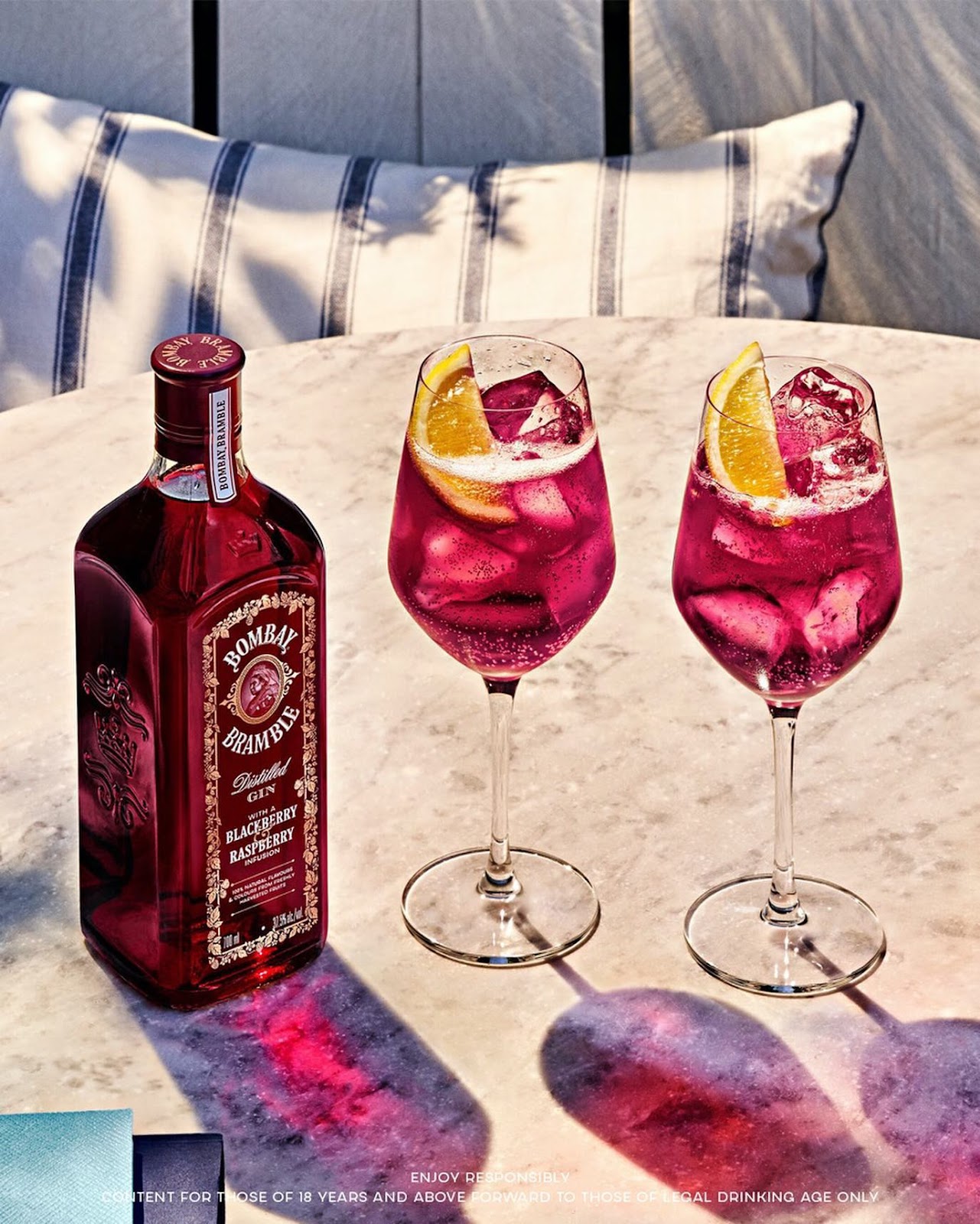
Bramble in Bloom is a collaboration between Riverbar and Kitchen and Bombay Sapphire‘s newest drink, Bombay Bramble, a 100% natural fruit infusion of blackberry, raspberry and gin.
Photo Credit: Bombay Sapphire/Facebook
Partake in a special seasonal menu featuring savory snacks like beef skewers marinated in herb seasoning, beetroot-cured salmon with cream cheese and blackberries, and buffalo curd paired with soft and warm flatbread. These bites will go well with exceptionally concocted Bombay Bramble cocktails.
Bookings aren’t necessary at Bramble in Bloom but you can secure seats in advance to avoid disappointment.
Enjoy the sunshine and the riverside breeze with the best view of the city. For a glorious nightcap, Riverbar and Kitchen is also open until midnight every Friday and Saturday.
Felons Brewing Co at Howard Smith Wharves recently expanded and opened a new Felons Barrel Hall by taking over Howards Hall, the massive space for functions and events next door.
Since the pandemic struck, Howards Hall has been an idle space, unused and in need of a bailout. The transformation to Felons Barrel Hall has been a step in the right direction to revitalise this restaurant and bar precinct.
Howards Hall, before the pandemic crisis Photo Credit: Howard Smith Wharves/Facebook
Pre-pandemic, Felons Brewing Co was always packed with patrons, especially on weekends. With the new venue, guests have more spaces to drink and dine at guaranteed tables and seats.
To distinguish the two venues, Felons Barrel Hall plans to take it up a notch and bring a fresh selection of food, crafted drinks and cultural performances.
The new bar and restaurant will take inspiration from popular beer halls in Europe. Inside, barrels of wine are lined behind the bar with four different beer tanks churning 6,000 litres of beers regularly. But since a really good drink needs to age, the newly-crafted flavours at the new site won’t be ready by 2021.
Photo Credit: Felons Brewing Co/Facebook
However, visitors eager to check out the new drinking spot as soon as possible could still be able to enjoy their fill as Felons’ range of drinks, including the seasonal and limited flavours, are all on the drink list.
Food choices paired with a stein of beer include classic beer hall choices like BBQ chicken and pork chops or lemony buttered prawns, crabs and oysters. The menu consists of modern dishes with an Australian twist.
Photo Credit: Felons Brewing Co/Facebook
“After 2 years of brewing beer for the good people of Brisbane we’re excited to embark on a new adventure that redefines beer and the brewery experience,” the company announced on Facebook. “Felons Barrel Hall is a modern Australian take on a German beer hall. Come enjoy a space which masterfully blends punchy flavours and bold sounds, all washed down with the refreshing range of Felons beer.”
Rationale, a leading Australian luxury skincare brand, has moved to a bigger flagship store from Ann Street to James Street in Fortitude Valley. The new space has more treatment rooms to provide a variety of dermatological services to its patrons.
As new store opens, Rationale also introduces its expanded Essential Six Collections. As with the previous sets, these collections offer a personalised product line-up for different and ever-changing skincare needs.
Named for the “six pillars of lifelong skin vivacity and luminosity,” the Essential Six Collections comprises colour-coded cleansers, moisturisers and serums that bring the following benefits:
BRILLIANCE
The Brilliance Collection is the finishing facet of your morning.
CLARITY
The Clarity Collection offers a nightly ritual for skin refinement and radiance; equilibrium is elegantly restored, crystal clarity is cultivated.
INTEGRITY
The Integrity Collection offers inspired creations for the evening, designed to strengthen skin’s most precious, yet elusive, qualities.
RENEWAL
The Renewal Collection ushers skin through a most profound journey of overnight rejuvenation and repair.
RESILIENCE
The Resilience Collection restores skin’s inherent fortitude, enhances clarity and reanimates luminosity with a suite of nurturing and protective formulations.
VITALITY
The Vitality Collection simultaneously delivers superlative skin rejuvenation and intensive antioxidant nourishment.
Richard Parker launched Rationale in 1992 using Australian botanicals as the main ingredients. Before establishing its own retail stores, Rationale was only available at dermatology offices and skincare clinics.
His creations have given rise to a cult following among beauty bloggers, celebrities and make-up artists. The beauty brand has an online shop as well.
The Elephant Hotel, a 132-year-old heritage-listed site in Fortitude Valley, is changing back to its original name as The Prince Consort. Under the new management of the owners of Tilley & Wills Hotels, this old site is also getting a massive makeover.
New spaces for drinking and dining, apart from the hotel’s own kitchen, will soon make up the refurbished site as The Prince Consort enlivens Wickham Street with some “friends.”
Once completed before the end of October, the bar and dining spot will feature 400 Rabbits Tequila & Taco Cantina, The Garden Bar (open-air oasis with stadium screen) and Parlour Bar (with state-of-the-art TAB facilities) on the ground floor.
These venues will carry 89 beer taps ranging from international and Aussie brands, contemporary and modern brews, and a creative cocktail selection that packs the punch.
Photo Credit: Facebook
An ornate staircase to the second floor will lead to the La La Land luxe supper nightclub, whilst the antler-suspended hallway will direct visitors to The Bowie Rooms — inspired by icon David Bowie — for functions and events.
These event spaces are prepared to deal with COVID-19 restrictions using 2020 technology to a century-old hotel. For instance, La La Land has a livestream facility, where it may beam the parties to other parts of the world.
The third level will have The Yorke Suite, a music district rental space for Brisbane creatives. The hotel will also have its Naughty Corner — you’ll need to visit to find out what it has to offer!
Head Chef Jack Powlay will debut the new menus when the gastro-pub site opens and he’ll take charge of at least three kitchens — the main hotel, 400 Rabbits and La La Land.
Whilst The Prince Consort spruces up, the music bar, Greaser, will keep trading and feature its popular Comedy and Karaoke Night every Thursday and live music night every Friday and Saturday. The gaming lounge, Footy Tipping, is still up and running, as well as the Valley Wine Shop.
Photo Credit: Facebook
“We are delighted to announce that we’ll be returning as The Prince Consort! That’s right, our stunning 132-year-old heritage-listed site will be reclaiming its original name in all its former glory,” the hotel management posted on Facebook. “We’ll be taking a little downtime to spruce up the old gal, and returning as an entertainment destination with something for everyone including live music, DJs, pub trivia and everything in-between.”
“Now, a new era beckons under the ownership of Tilley & Wills, and we are so excited to see the next chapter for this beautiful hotel!”
The recent purchase of The Fantauzzo Hotel by Syrian billionaire investor Ghassan Aboud has taken Brisbane’s hotel market out of the doldrums and injected a healthy dose of confidence in the resilience of the local hospitality industry.
It has been announced that Mr Aboud bought The Fantauzzo Hotel from the Art Series Hotels (ACCOR) for a reported $70 to $75 million. The handover will take place in early 2021 and the site’s new name will be unveiled in the coming months.
The transaction is only the second major hotel acquisition in Australia since the pandemic after Gold Coast’s Guok family purchased Byron Bay’s The Bower Hotel in August. It will also mark Crystalbrook Collection’s entry in Brisbane.
Photo Credit: Facebook
Upon the completion of the handover, The Fantauzzo Hotel will join Mr Aboud’s hotel chain portfolio – Byron in northern New South Wales, Little Albion in Sydney, Kingsley in Newcastle, Superyacht Marina in Port Douglas, and Bailey, Flynn and Riley in Cairns.
According to Crystalbrook Collection chief executive Geoff York, a well-located hotel that attracts specific consumers and has fantastic facilities will always win in the market over other hotels. Thus, they expressed interest in The Fantauzzo Hotel in August.
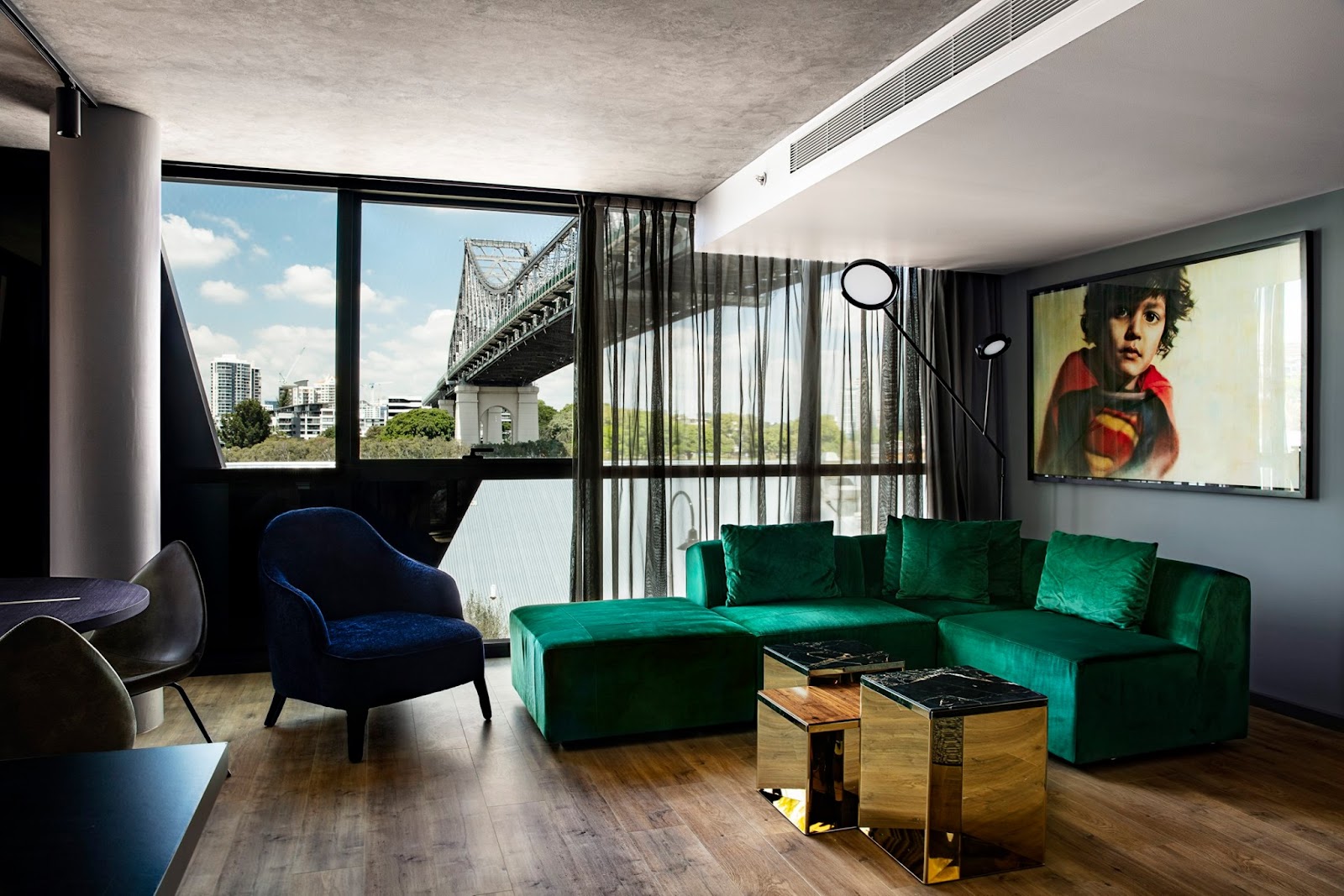
Overlooking Howard Smith Wharves and located below the city’s iconic Story Bridge, ACCOR opened The Fantauzzo Hotel with 166 rooms in mid-2019.
Named for portrait artist Vincent Fantauzzo, ACCOR purchased the hotel from the Manta Group in 2018 and revitalised the property with its rooftop pool next to the Fiume bar, the renowned Italian Polpetta kitchen and bar, its business and meeting facilities, and its fitness centre. Some 300 artworks and digital displays of Mr Fantauzzo are also placed all over the interior.
Photo Credit: Facebook
In June, the hotel received the Gold Award at the Brisbane Design Awards 2020! Hibernating from the COVID-19 for several months, the hotel restarted business by 31 July and it has been gaining strong weekend bookings.