


Tucked away on the eighth floor of heritage-listed MacArthur Chambers at 201 Edward Street, the MacArthur Museum Brisbane preserves the city’s wartime role during the Second World War.
Read: Shimmer Exhibition Brings Creativity And Community To Museum Of Brisbane
The museum’s stated purpose is to tell the story of Brisbane from 1939 to 1945 through artefacts, documents and the restored office used by General Douglas MacArthur while he commanded Allied operations in the South-West Pacific Area.

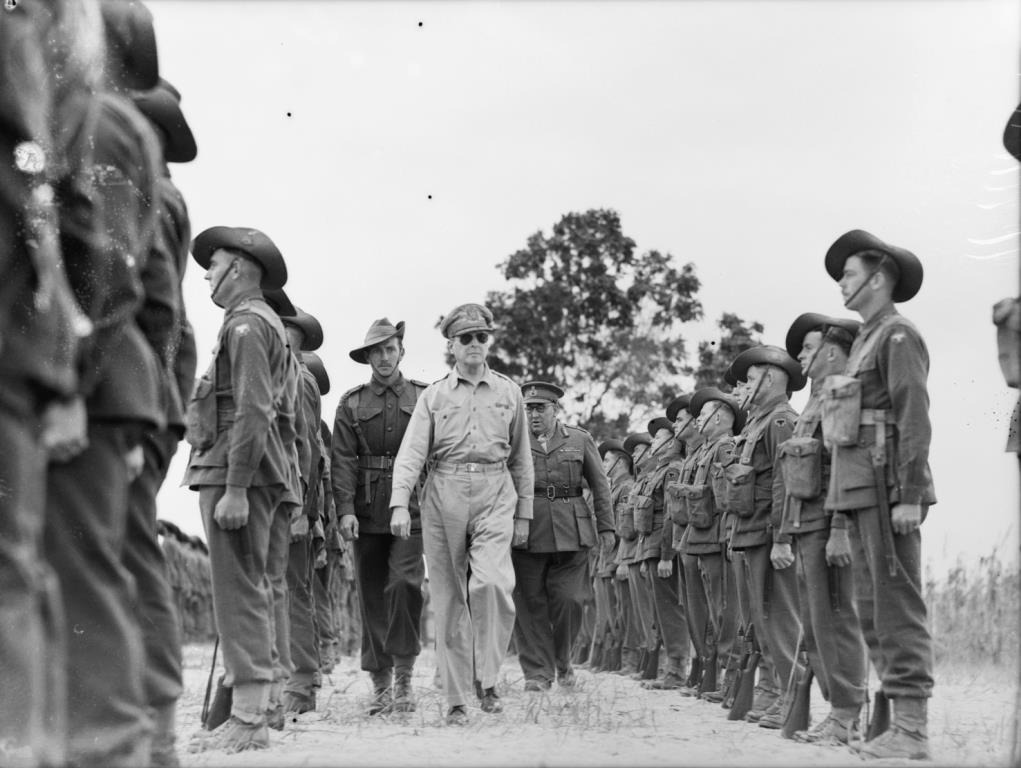
The museum opened on 15 August 2004, the 59th anniversary of the end of fighting in the Pacific. It operates as a not-for-profit organisation and presents exhibitions that cover both the military campaign in the South-West Pacific and the wartime experience of Brisbane’s residents. The displays include original wartime documents, photographs, newspapers, clothing and personal objects that record life on the home front as well as the conduct of operations.

The building itself was originally the Queensland headquarters of the Australian Mutual Provident Society, constructed between 1931 and 1934. Prior to requisitioning by the Commonwealth Government, the space that became MacArthur’s office had served as the AMP boardroom.

In July 1942, General Douglas MacArthur established his headquarters on the eighth floor and commanded Allied operations from there until November 1944. Other Allied headquarters and formations also occupied much of the building during that period.

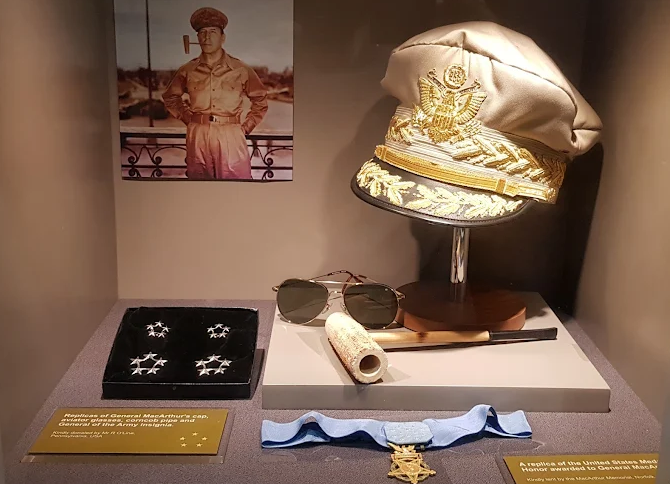
Inside the museum, visitors encounter MacArthur’s restored office alongside galleries that examine the city’s wartime transformation. One gallery focuses on Brisbane at war—civil defence measures, rationing and social life—while other galleries address cooperation between Australian and United States forces in the South-West Pacific. The museum’s interpretation relies on primary materials and personal items to show how global strategy and local life intersected during the war years.
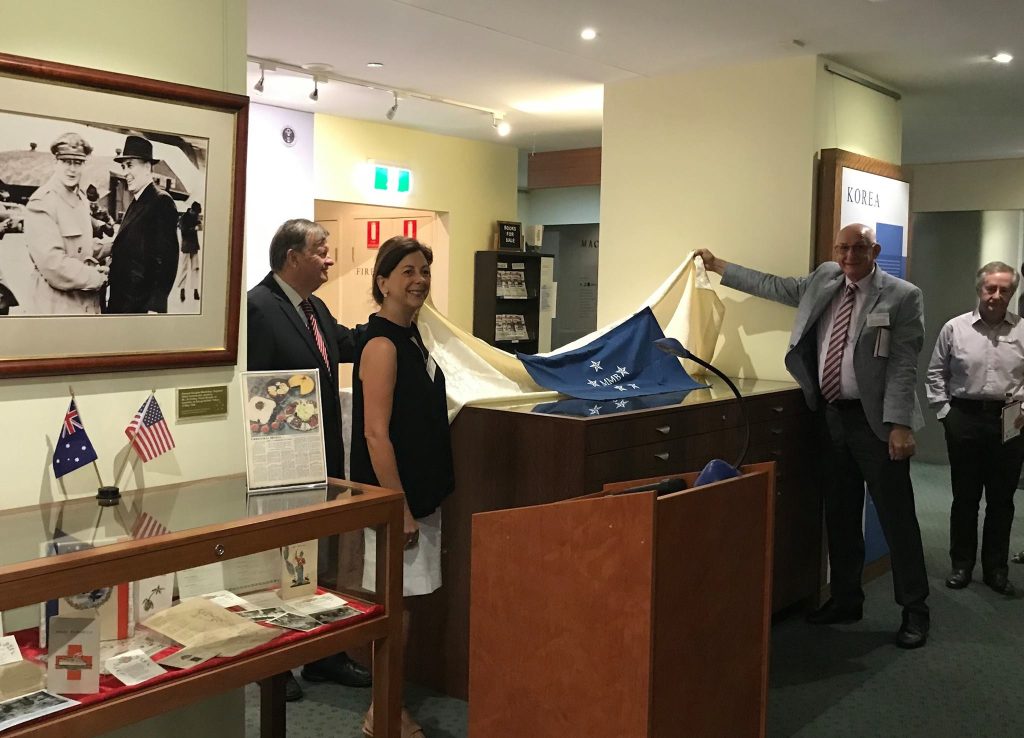
Education is a core part of the museum’s work. It receives school groups and arranges guided visits that give students direct access to the spaces and materials connected to wartime Brisbane. The site’s layout and the museum’s small-group approach also accommodate group bookings and school tours by arrangement.
The museum invites community participation. It calls for volunteers with knowledge of Brisbane’s history and for donations of Second World War artefacts to support future exhibitions. These appeals are presented as part of the museum’s ongoing effort to document and preserve local wartime history.


Practical information for visitors is straightforward. The museum is open to the public on Tuesdays, Thursdays and Sundays, and is available by appointment for groups at other times. Ticket prices are listed on the museum’s website, with concessions for seniors, students and groups. Accessibility and group logistics are noted on the museum’s visitor pages, including limitations on lift capacity and last entry times.
The MacArthur Museum is not a large national gallery; it occupies a discrete space within a city block that also contains retail and commercial premises. That context is part of its purpose: to preserve a specific chapter of Brisbane’s past in the place where decisions were made. As the CBD changes, the museum provides a recorded link to a time when Brisbane briefly hosted the headquarters of a multinational alliance and when the daily lives of residents were affected by wartime demands.
Read: QLD’s First Holocaust Museum and Education Centre Opens
Note: the museum has posted a holiday closure for the 2025–26 season; it will be closed from 12 December 2025 and reopen on 15 January 2026 at 10:00 am. Visitors should check out the museum’s website before planning a visit.
Published 8-December-2025