

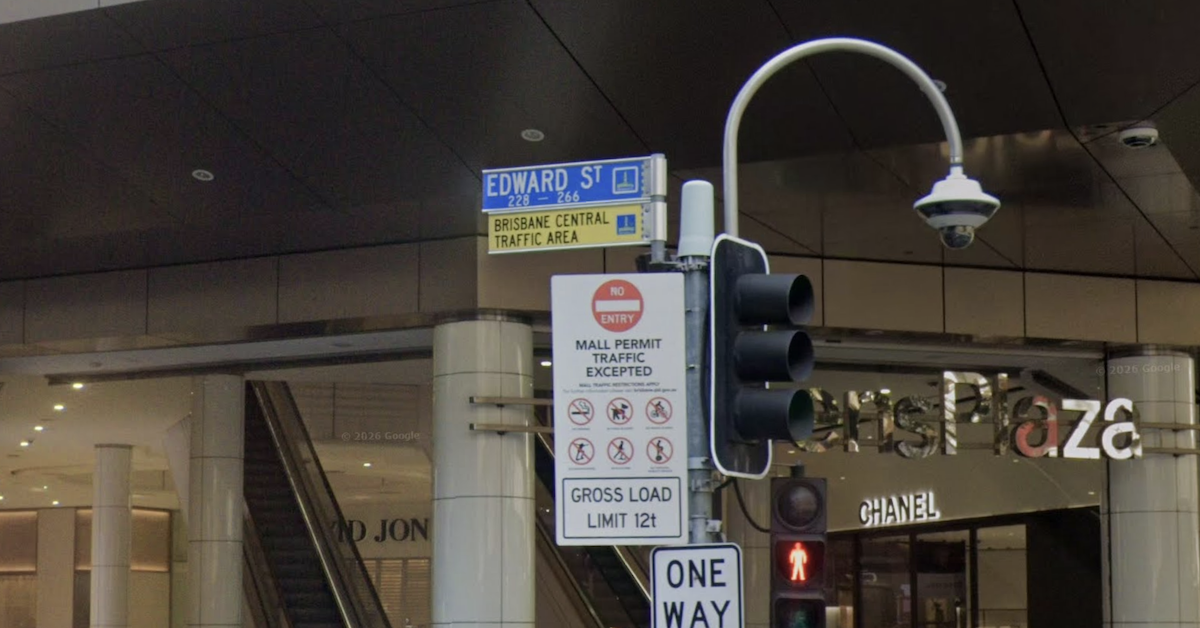
In the heart of Brisbane CBD, where commuters pass the corner of Adelaide and Edward streets, a man is choosing to sleep rough with his German Shepherd. He could have left the streets and enter temporary housing, but the offer came with a condition he would not accept: he has to leave his dog behind.
A hard choice on a city footpath
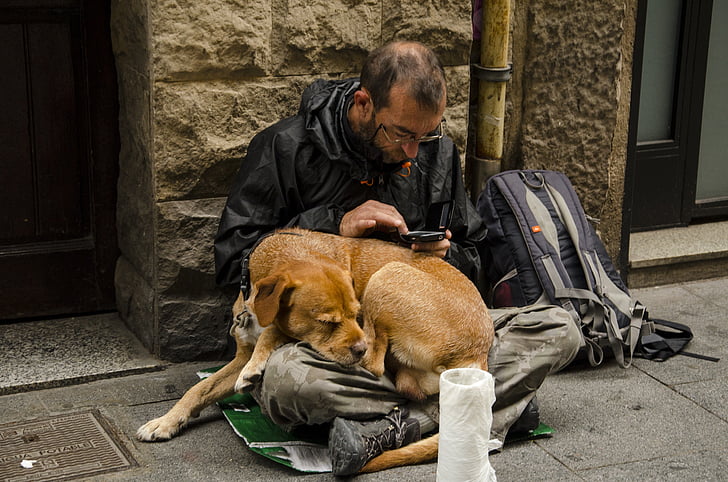
Reports cited that Steve James was offered temporary accommodation through Queensland’s housing system, but he did not take it after being told his dog could not stay with him. He has treated the animal as family and was not prepared to surrender the one companion that has stayed with him, living on the street. His case has drawn attention because it shows how a housing offer can still leave someone with no real option.

Mr James’s situation is visible on a busy city corner. Animal welfare and housing groups say pets are often a source of safety, routine and emotional support for people sleeping rough. Losing a pet can mean losing the one stable relationship they still have.

Queensland pet rules do not reach every housing setting
Queensland renters have stronger protections than they once did. The state’s rules on renting with pets say tenants can ask to keep an animal, and property owners must respond within a set time frame. The Queensland Government’s rental law changes have applied since October 2022 and cover many private rentals and social housing tenancies.

But the same protections do not always apply to short-term accommodation used for people who are homeless. Advice from Tenants Queensland shows that pet rules can vary depending on the type of housing agreement. Mr James’s temporary accommodation is often not a normal rental home. It may be a motel room or other short-term placement arranged during a crisis.

Motels are part of the housing response
Queensland’s Enhanced Outreach Guidelines show that short-term accommodation, including hotels and motels, can be used when people need immediate shelter and no long-term home is ready.
Those placements can help people leave unsafe conditions quickly. But because they are often run by commercial operators, pet policies can be different. A person may be offered a bed but still be unable to bring an animal with them.
Research from the Australian Housing and Urban Research Institute has found that companion animals can affect access to private rentals, social housing, emergency housing and homelessness services. The research also notes that restrictions on pets can stop people from accepting accommodation.


Queensland’s housing shortage has made these decisions harder, with tens of thousands of people waiting for long-term housing. The QCOSS social housing evidence brief also points to high demand across the state. When long-term housing is not available, temporary rooms become a larger part of the system.
Nationally, the Australian Institute of Health and Welfare tracks the large number of people who seek help from specialist homelessness services each year. Many need crisis support, short-term accommodation, or help to stay housed.
Animal groups help people keep their pets
Larger dogs can also be harder to place, making the problem more difficult for owners who cannot easily find temporary care. The Animal Welfare League Queensland has supported people experiencing homelessness by providing pet food, veterinary help and other care through community outreach. The group has worked with people whose animals are part of their support system.
National charity Pets of the Homeless Australia also helps people care for pets during hardship. Its work centres on keeping people and animals together where possible, rather than forcing owners to give up pets because they cannot afford care.
On a Brisbane CBD footpath, Mr James’ situation shows how this crisis is also about finding a place that fits a person’s real life, including the animal that may be helping them get through each day.
Published 24-April-2026