
Queensland University of Technology (QUT) is aligning both its Gardens Point and Kelvin Grove campuses with Brisbane’s preparations for the 2032 Olympic and Paralympic Games, with a focus on campus upgrades, sport research and industry partnerships.
Campuses tied to growing Olympic precinct
QUT’s Kelvin Grove campus sits next to the planned Victoria Park Olympic stadium and National Aquatic Centre, placing it within what is expected to become a major sporting hub.

The university has indicated the wider Olympic and Paralympic precinct will link with the nearby Herston Health Precinct, forming a connected corridor for sport, health and biomedical research in Brisbane’s inner north.
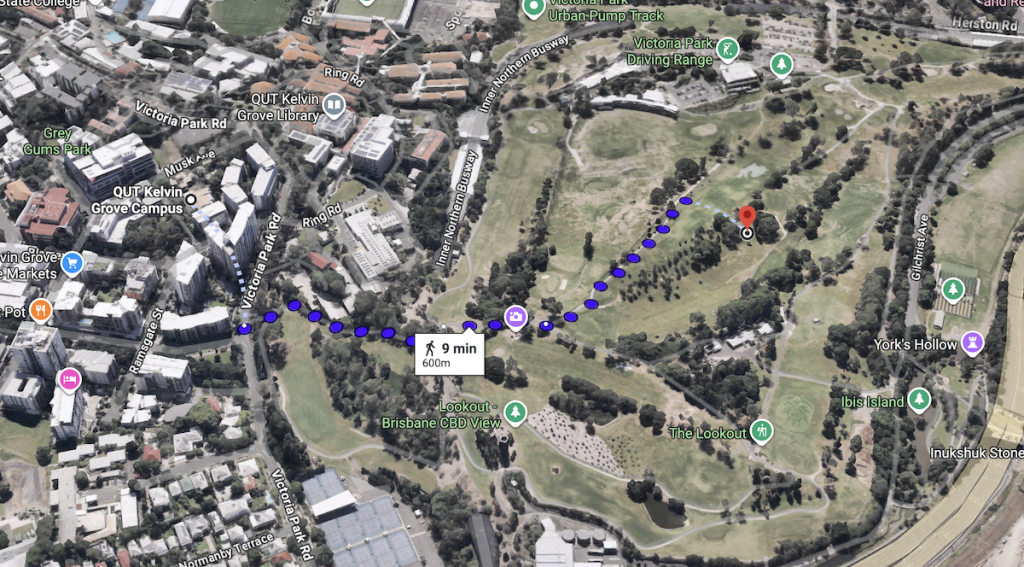
At the same time, its Gardens Point campus near the CBD and Fortitude Valley is positioned within the broader inner-city zone expected to see increased activity as the Games approach.

Campus changes planned over next decade
QUT has outlined a long-term master plan covering both campuses, designed to respond to growth linked to Brisbane 2032 and wider city development. The plan includes improving accessibility and safety, making campuses easier to navigate, and creating more flexible teaching and learning spaces. It also focuses on making research and innovation work more visible, allowing stronger links between students, industry and the community.

These changes are being planned alongside major developments such as the Victoria Park redevelopment and the expansion of surrounding health and knowledge precincts.
Facilities support sport and health focus
QUT already has a wide range of sport and health facilities across its campuses, including gyms, aquatic centres, indoor and outdoor courts, a FIFA-accredited field with a running track, and dedicated spaces such as an esports arena and virtual sport studio.
The university also operates health clinics in areas including exercise physiology, podiatry, nutrition, optometry and psychology, which support both student learning and community services.


These facilities are expected to play a role in supporting athlete preparation, research and participation in the lead-up to 2032.
Student programs and innovation projects underway
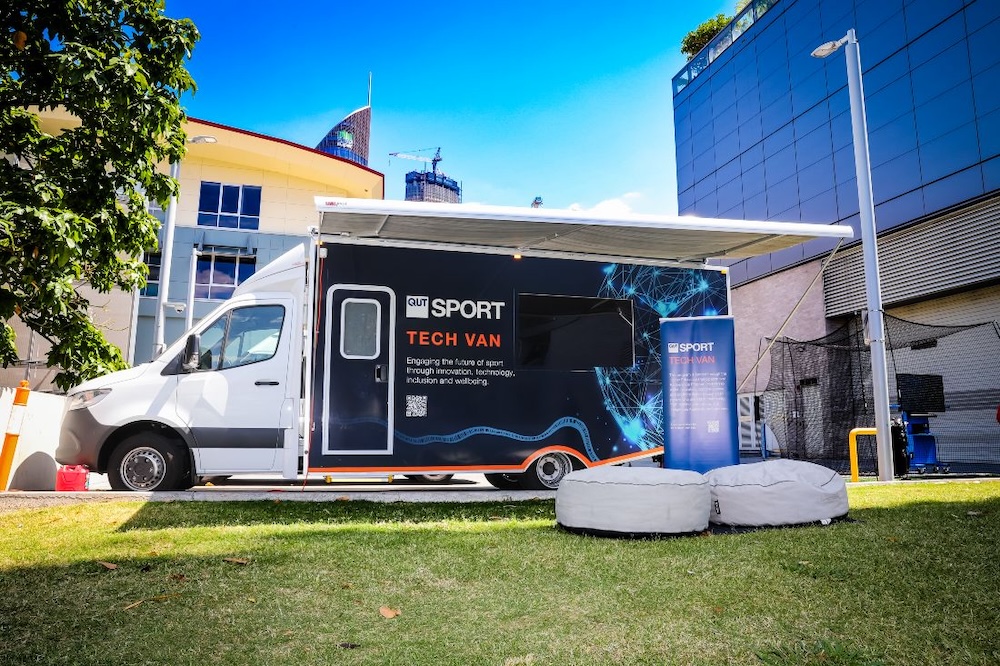
QUT is running several programs that link students directly to sport and event-related work. Through its Sport Innovation ProtoComp, students work with industry mentors to develop solutions for real-world challenges in sport, including digital tools and performance systems.
The university has also developed projects focused on inclusive sport, including a virtual reality sports wheelchair simulator and an adaptive handcycle trainer that allows wheelchair users to take part in virtual cycling programs.
These initiatives bring together design, engineering, health and technology, reflecting the range of skills needed for large events like the Olympics.
Global sport conference brings focus to Brisbane
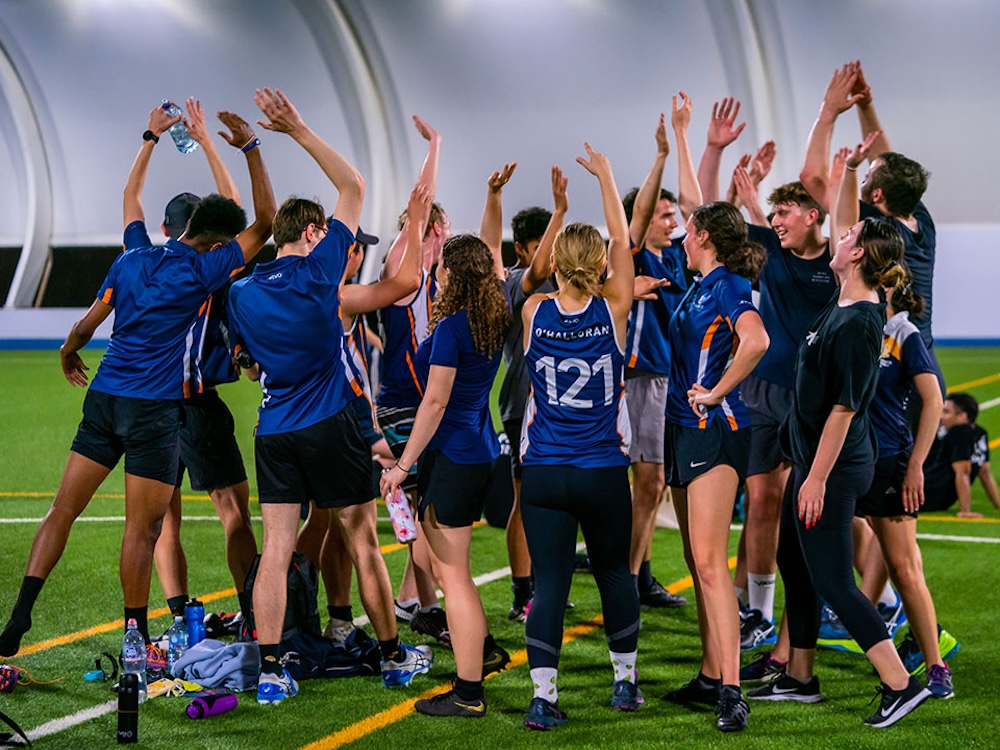
QUT has already brought international expertise to Brisbane through its Future of Sport Conference, held at the Gardens Point campus in March. The event brought together leaders in sport, technology and research to examine how data, innovation and partnerships are shaping the future of sport ahead of the 2032 Games.
The university has indicated the conference reflects its role in linking research with practical outcomes as Queensland prepares for a series of major sporting events. Discussions covered areas such as performance analytics, athlete wellbeing, emerging technologies and the long-term sustainability of sport.
Researchers involved highlighted how data is increasingly used to improve training, reduce injury risk and support athlete wellbeing, with these approaches expected to expand in the lead-up to 2032.
Published 13-April-2026