


QUT Eyes 2032 Role as Campuses Near Olympic Action


Queensland University of Technology (QUT) is aligning both its Gardens Point and Kelvin Grove campuses with Brisbane’s preparations for the 2032 Olympic and Paralympic Games, with a focus on campus upgrades, sport research and industry partnerships.


Campuses tied to growing Olympic precinct

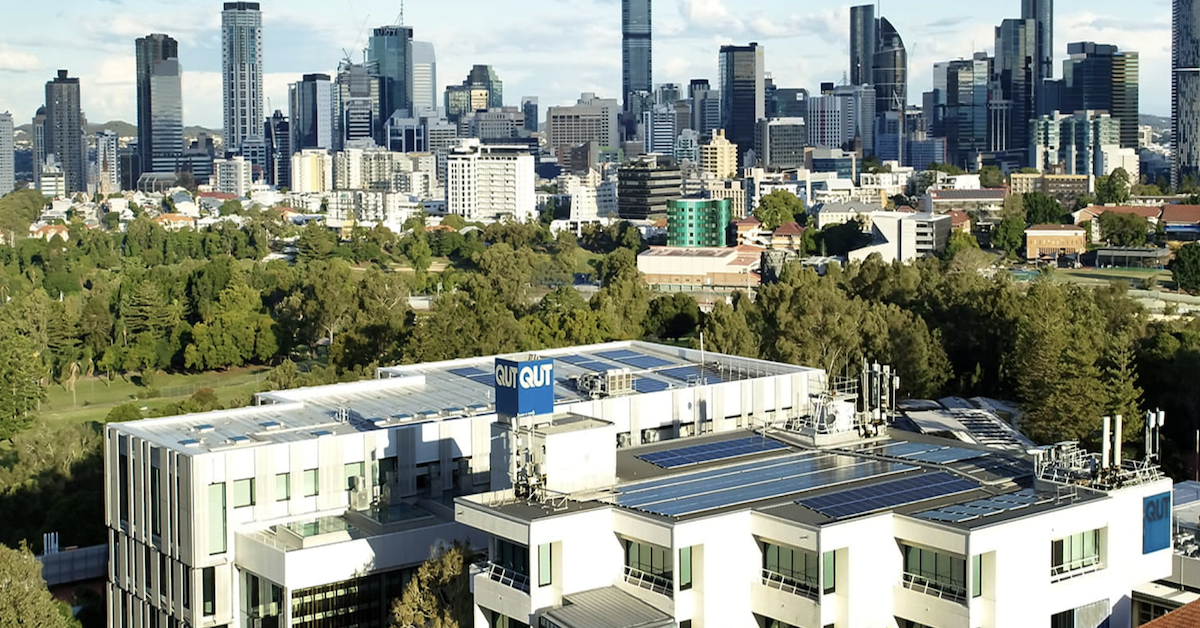
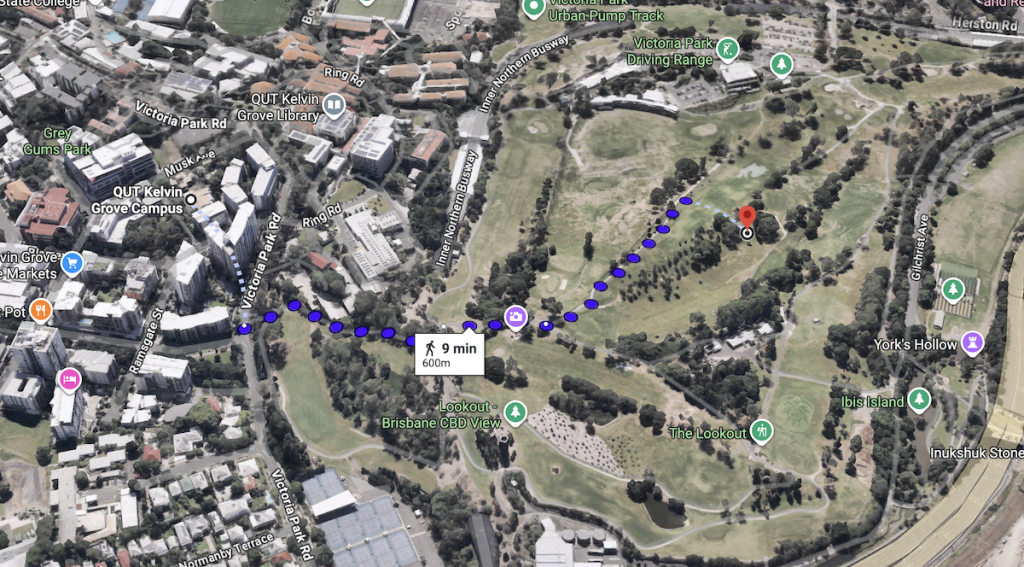
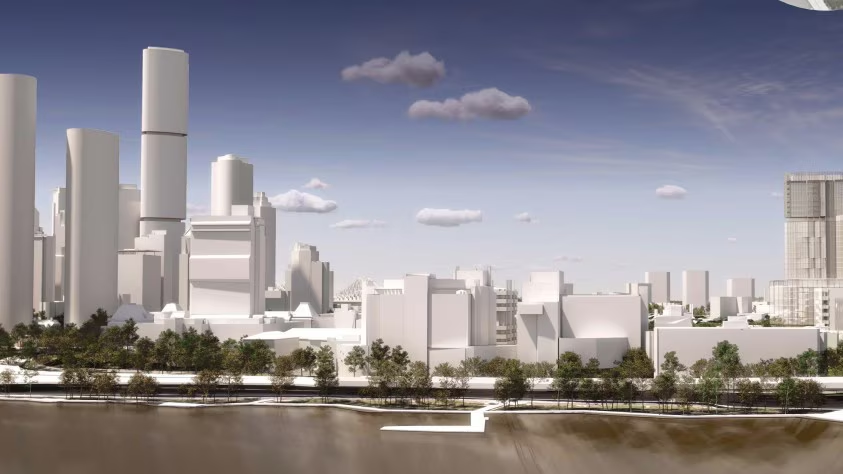
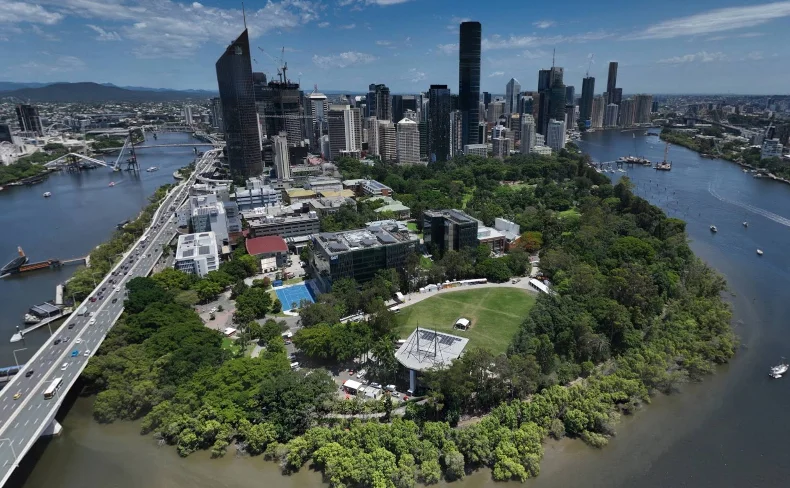
QUT’s Kelvin Grove campus sits next to the planned Victoria Park Olympic stadium and National Aquatic Centre, placing it within what is expected to become a major sporting hub.

The university has indicated the wider Olympic and Paralympic precinct will link with the nearby Herston Health Precinct, forming a connected corridor for sport, health and biomedical research in Brisbane’s inner north.

Photo Credit: Google Maps


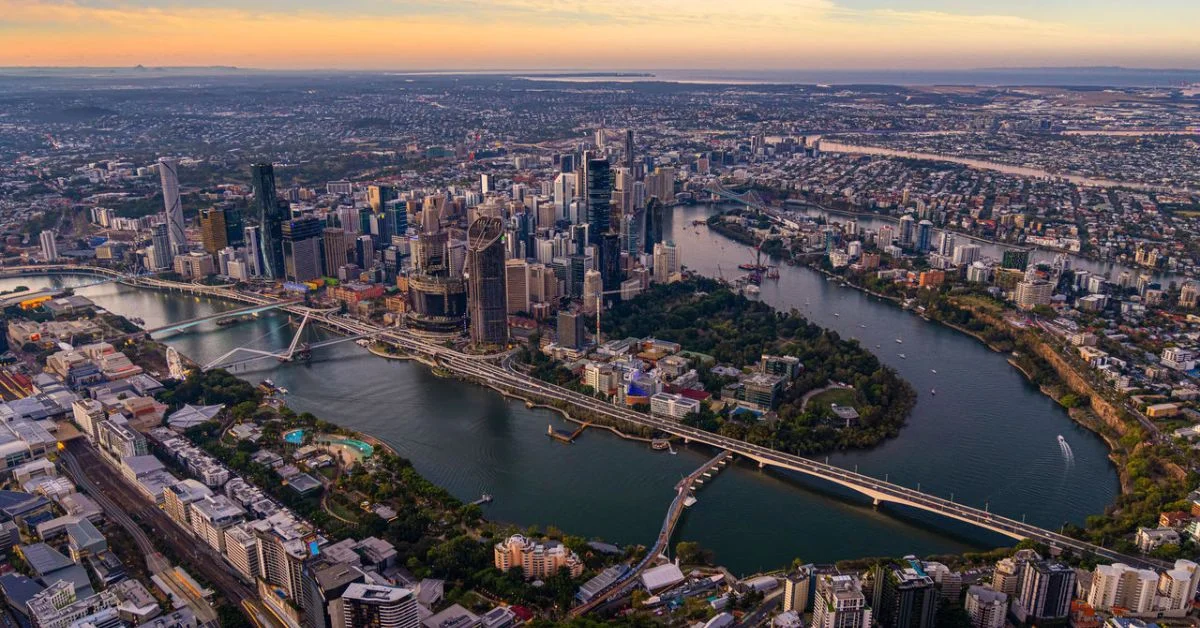
At the same time, its Gardens Point campus near the CBD and Fortitude Valley is positioned within the broader inner-city zone expected to see increased activity as the Games approach.

Campus changes planned over next decade

QUT has outlined a long-term master plan covering both campuses, designed to respond to growth linked to Brisbane 2032 and wider city development. The plan includes improving accessibility and safety, making campuses easier to navigate, and creating more flexible teaching and learning spaces. It also focuses on making research and innovation work more visible, allowing stronger links between students, industry and the community.

These changes are being planned alongside major developments such as the Victoria Park redevelopment and the expansion of surrounding health and knowledge precincts.

Facilities support sport and health focus

QUT already has a wide range of sport and health facilities across its campuses, including gyms, aquatic centres, indoor and outdoor courts, a FIFA-accredited field with a running track, and dedicated spaces such as an esports arena and virtual sport studio.

The university also operates health clinics in areas including exercise physiology, podiatry, nutrition, optometry and psychology, which support both student learning and community services.

These facilities are expected to play a role in supporting athlete preparation, research and participation in the lead-up to 2032.

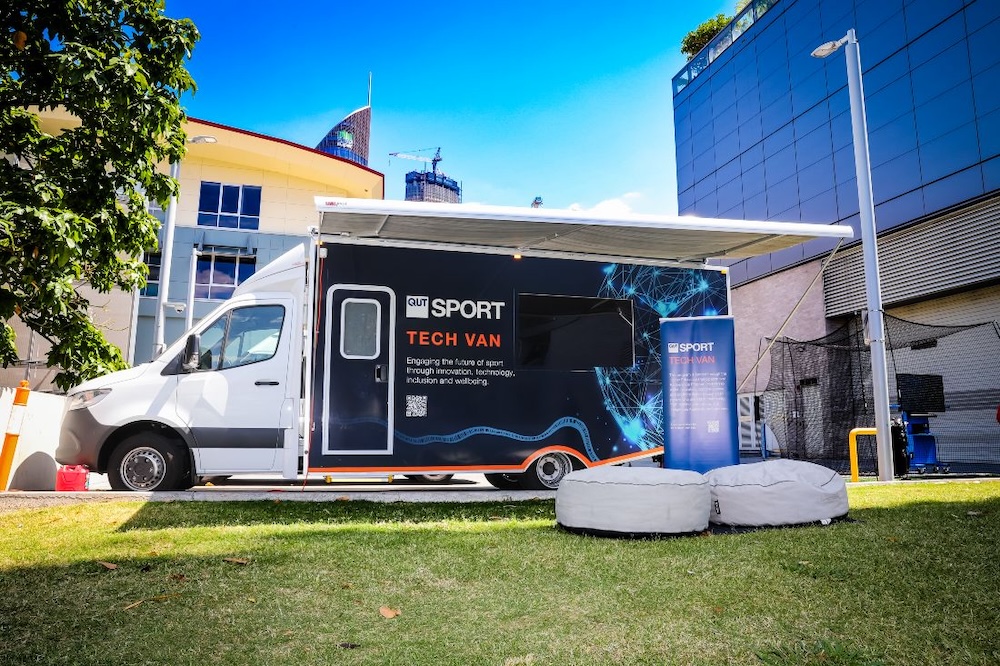
QUT Sport tech van
Photo Credit: QUT

Student programs and innovation projects underway

QUT is running several programs that link students directly to sport and event-related work. Through its Sport Innovation ProtoComp, students work with industry mentors to develop solutions for real-world challenges in sport, including digital tools and performance systems.

The university has also developed projects focused on inclusive sport, including a virtual reality sports wheelchair simulator and an adaptive handcycle trainer that allows wheelchair users to take part in virtual cycling programs.

These initiatives bring together design, engineering, health and technology, reflecting the range of skills needed for large events like the Olympics.

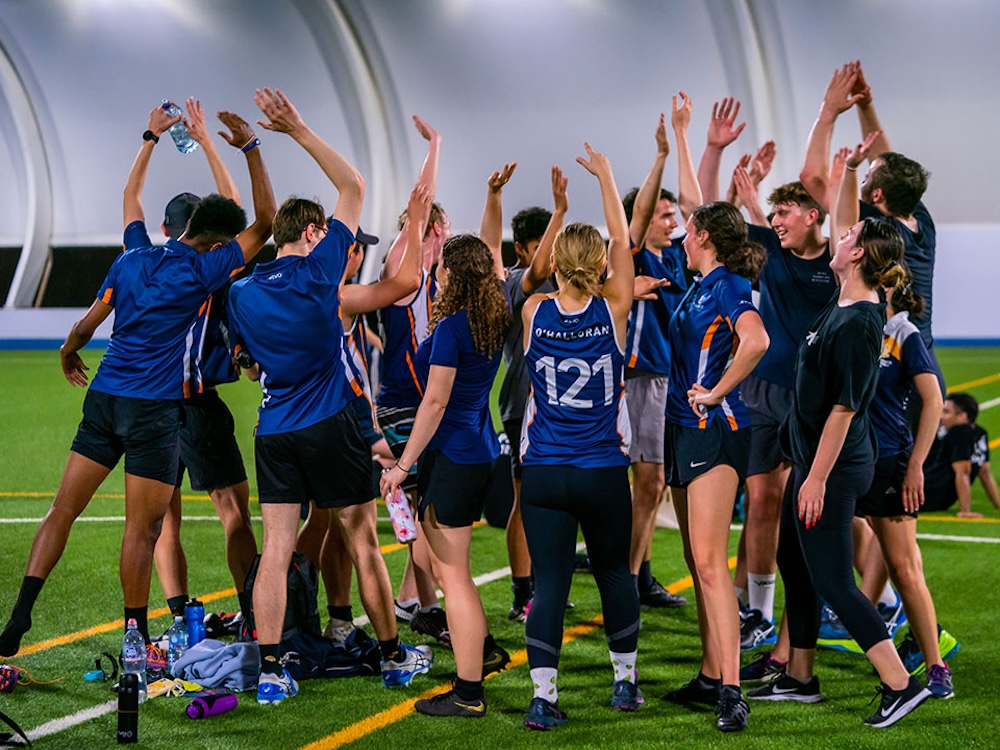
QUT student athletes
Photo Credit: QUT

Global sport conference brings focus to Brisbane

QUT has already brought international expertise to Brisbane through its Future of Sport Conference, held at the Gardens Point campus in March. The event brought together leaders in sport, technology and research to examine how data, innovation and partnerships are shaping the future of sport ahead of the 2032 Games.

The university has indicated the conference reflects its role in linking research with practical outcomes as Queensland prepares for a series of major sporting events. Discussions covered areas such as performance analytics, athlete wellbeing, emerging technologies and the long-term sustainability of sport.

Researchers involved highlighted how data is increasingly used to improve training, reduce injury risk and support athlete wellbeing, with these approaches expected to expand in the lead-up to 2032.


Published 13-April-2026

What QUT’s CBD Campus Could Look Like by 2050

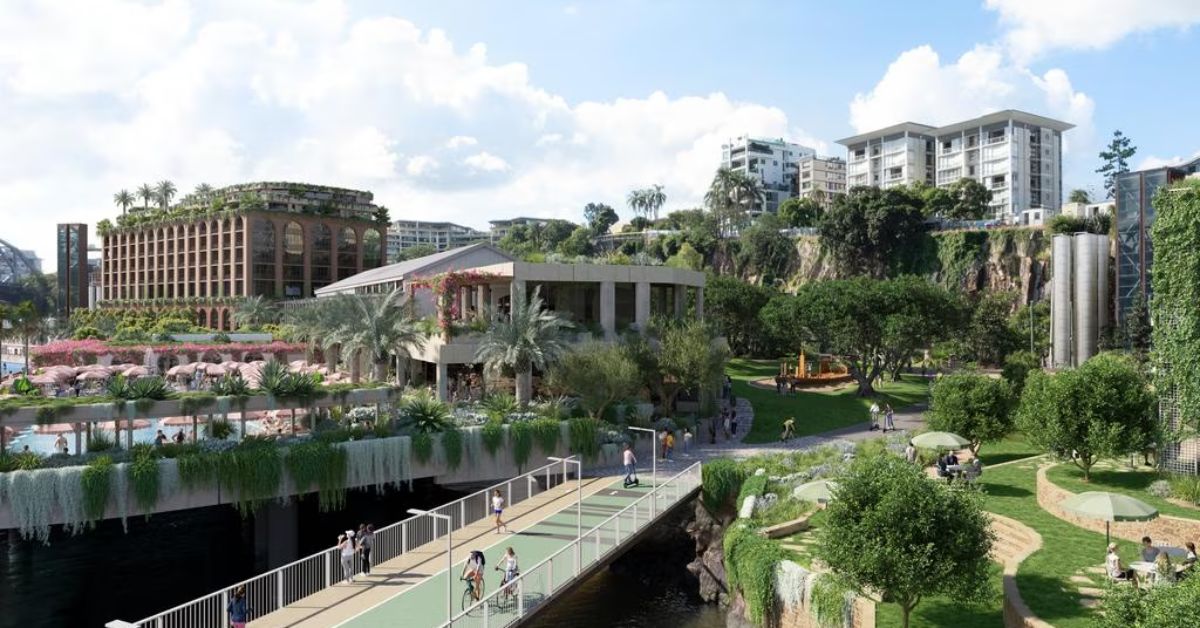
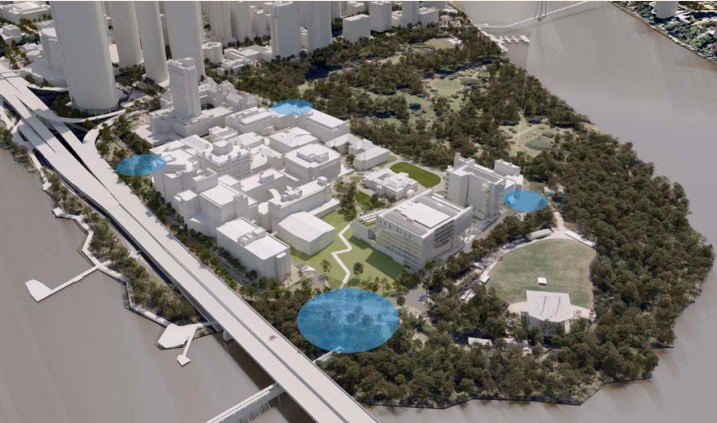
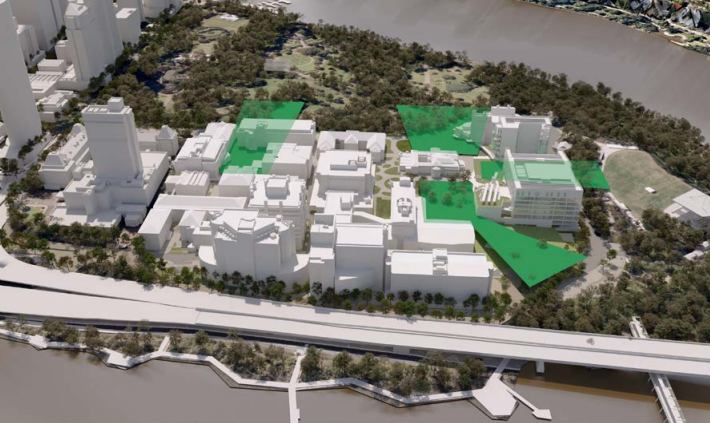
A 25-year vision for Queensland University of Technology‘s riverside Gardens Point campus in Brisbane’s CBD proposes purpose-built science and engineering precincts, a new business and law faculty building co-located with a conference centre, hotel and student accommodation, and dramatically improved connections to the City Botanic Gardens and the Brisbane River.


Released in March, the 2026 to 2050 Campus Master Plan outlines the most ambitious redevelopment of the Gardens Point campus since QUT’s establishment as a university in 1989, positioning the site as a genuine city-shaping precinct in the lead-up to Brisbane 2032 and beyond.

Gardens Point campus sits in Brisbane’s city centre beside the river and the City Botanic Gardens. At its centre stands a heritage building dating to 1862. The masterplan leverages this riverside setting to better connect the campus with the surrounding city.

Science, Engineering and a Whole New Precinct for Business and Law

The most structurally significant proposals for Gardens Point involve the creation of dedicated, purpose-built precincts for science and engineering. These proposals consolidate and upgrade facilities currently spread across the campus, giving the university’s technical and research disciplines a more coherent physical home.

Photo Credit: QUT

The plan also delivers a new building for QUT’s business and law faculties, co-located with a conference centre, hotel and student accommodation in a mixed-use development that activates the campus beyond typical university hours. QUT’s architecture and built environment, business, engineering, information technology, law, mathematics and science students are based at Gardens Point, right in the centre of Brisbane, and the new building would serve as a landmark focal point for that community.

Getting the River Connection Right

One of the consistent themes to emerge from five years of community and staff engagement that shaped the masterplan was the sense that Gardens Point has never fully capitalised on its extraordinary location beside the Brisbane River and the City Botanic Gardens.

Arrival points will be reimagined as clear, welcoming gateways that strengthen QUT’s presence and invite the community and public in. Photo Credit: QUT

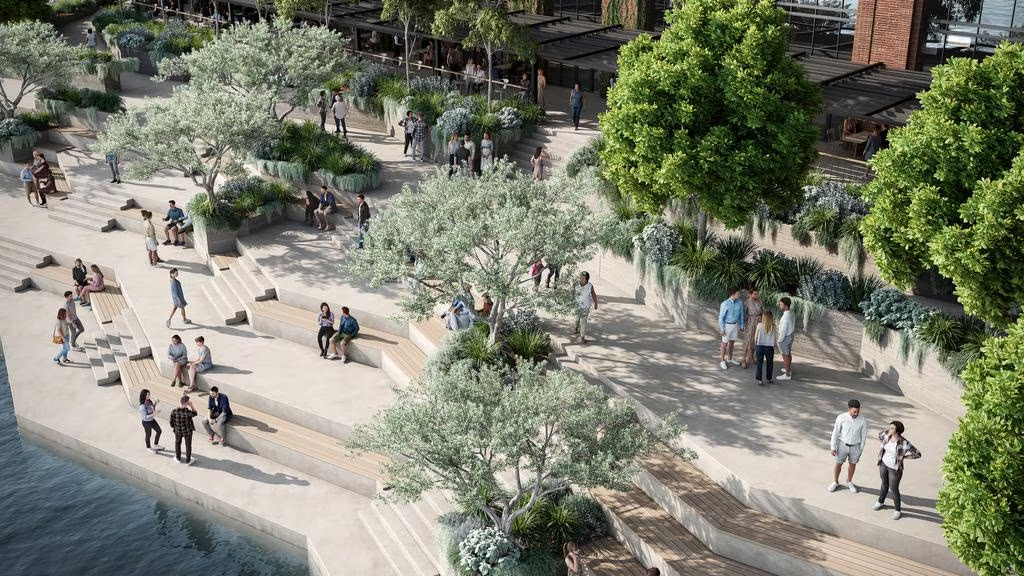
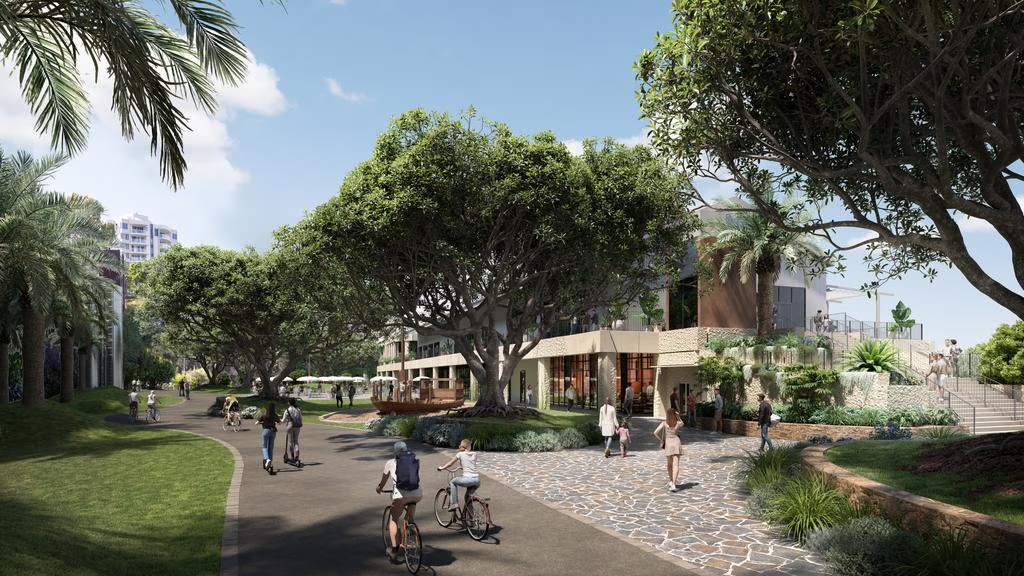
The plan addresses this directly, proposing better pedestrian walkways to connect the campus to the gardens and the riverfront. These connections would allow students, staff and visitors to move fluidly between the academic precinct and some of Brisbane’s best public spaces, making Gardens Point feel less like an island and more like an extension of the city.

Courtyards and plazas link the campus to nearby parklands, creating a more open, welcoming and connected space for the public. Photo Credit: QUT

The Campus Master Plan positions the Gardens Point and Kelvin Grove campuses as vibrant, collaborative hubs that foster innovation, creativity and real-world impact, while ensuring QUT’s physical environment remains people-centred, flexible and future-focused.

A Plan Decades in the Making

QUT Vice-Chancellor Professor Margaret Sheil said the vision had been shaped by genuine consultation. “By aligning with Brisbane’s broader growth and development strategy, the Campus Master Plan ensures QUT remains accessible, future-ready and central to the city’s economic, social and cultural life,” she said.

The masterplan reflects five years of engagement with staff, students, industry partners and the broader community, highlighting recurring themes including the need for more collaborative spaces, better connections to the surrounding city and a campus environment that supports both academic excellence and student wellbeing.

The full document spans both the Gardens Point and Kelvin Grove campuses and provides a high-level framework to guide development, investment and renewal across the next decade and beyond. Expressions of interest for the first elements of the plan, focusing on student accommodation at Kelvin Grove, are already underway, signalling that the university is moving from vision to action.

The full Campus Master Plan is available to download at here. Enquiries can be directed to masterplan@qut.edu.au.


Published 13-April-2026

Prime Fortitude Valley Development Site Hits Market With 40-Storey Potential Near Olympic Precinct

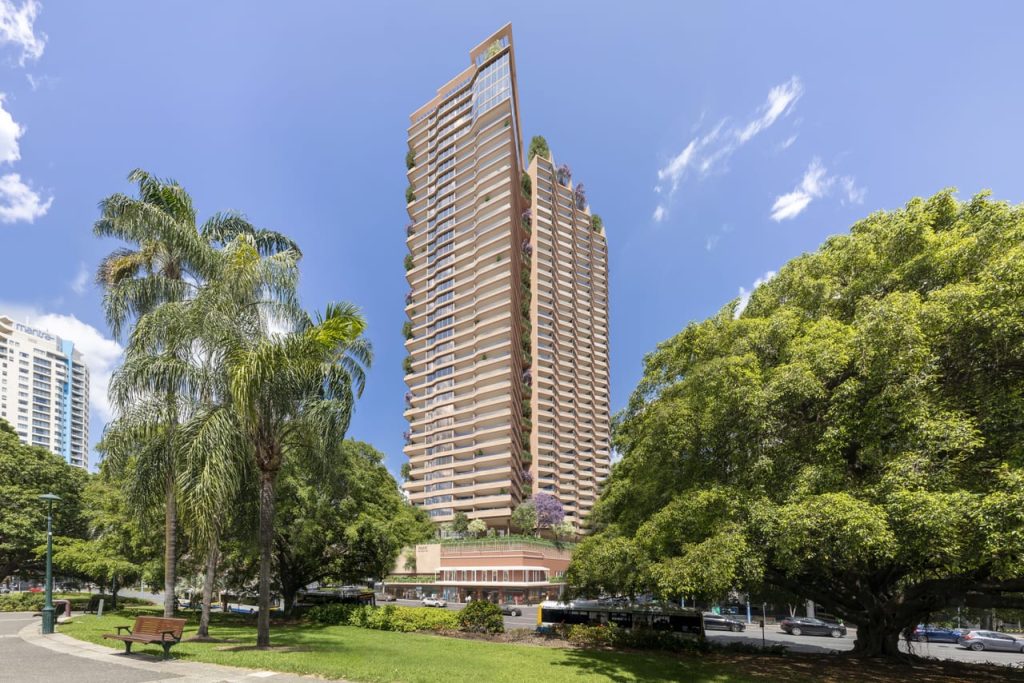
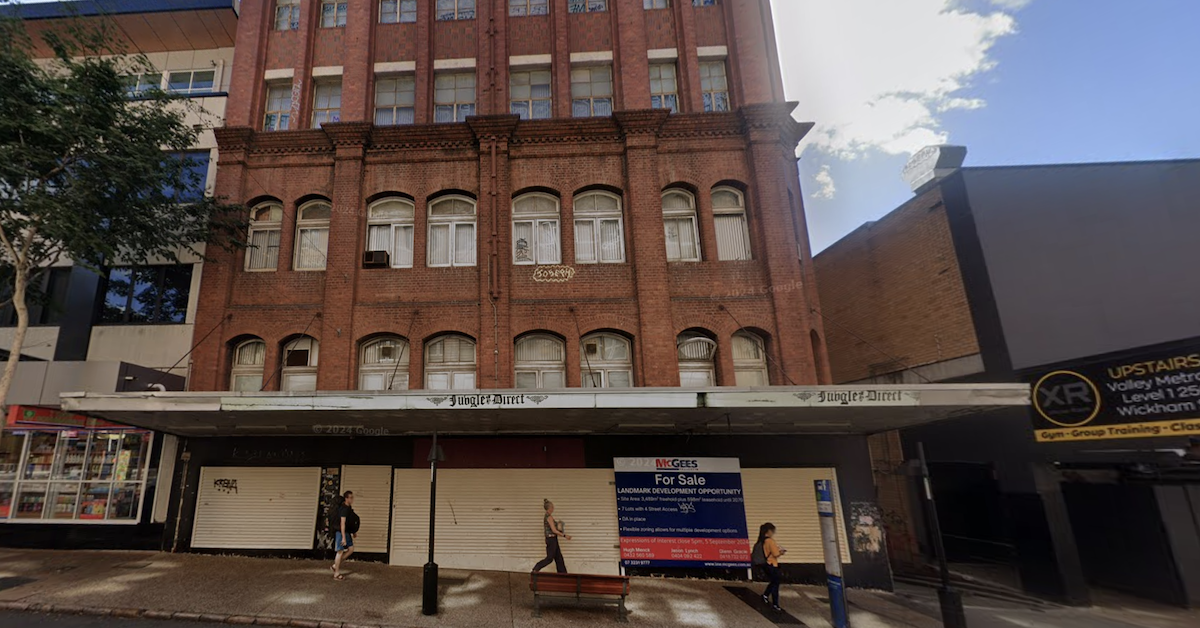
A prominent development site at 70-82 Wickham Street in Fortitude Valley has launched to market with concept plans for towers up to 40 storeys, positioning developers to meet Brisbane’s growing need for apartments ahead of the 2032 Olympic and Paralympic Games.


Colliers Queensland‘s Brendan Hogan and Troy Linnane have been appointed to sell the site known as Landmark Brisbane, spanning 2,416 square metres across three street frontages. The property sits at the convergence of Brisbane CBD, Fortitude Valley and New Farm, placing it at the heart of the city’s most dynamic lifestyle, employment and growth corridors.

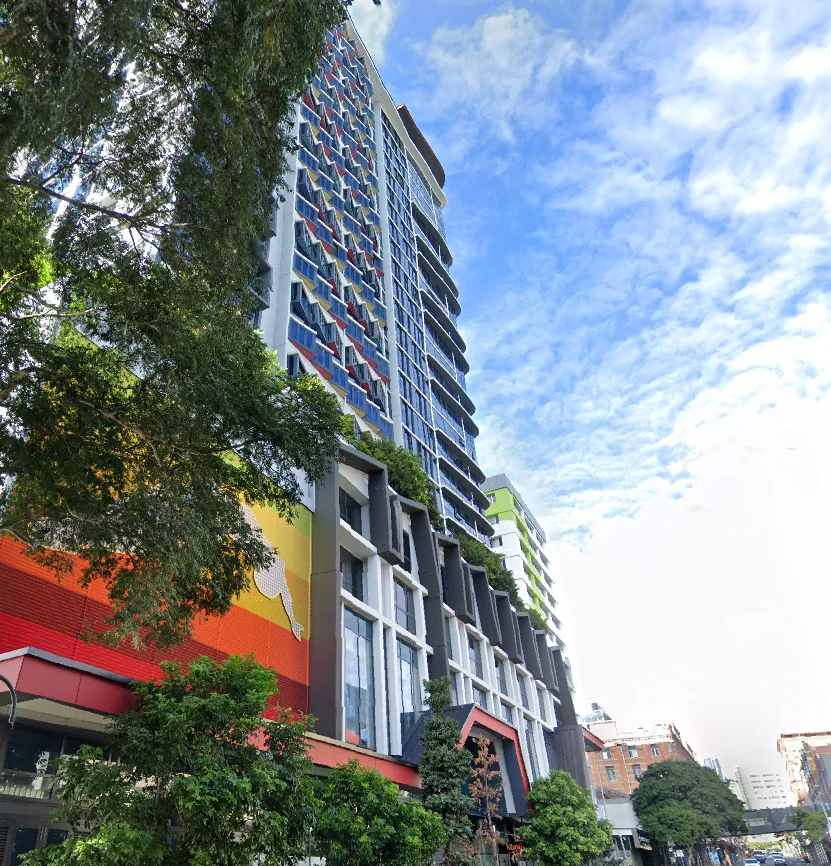
Concept plans prepared by architects Cottee Parker outline development scenarios of 25 and 40 storeys, delivering more than 350 apartments under both build-to-sell and build-to-rent scenarios, subject to approval. The site currently hosts a two-storey retail and commercial complex.

Gateway Location Near Howard Smith Wharves

Hogan said the development site is positioned close to Howard Smith Wharves, Brisbane’s premier riverfront dining and entertainment precinct, and only a 15-minute walk to the Victoria Park Olympic precinct. This proximity to Olympic infrastructure adds appeal for developers looking to capitalise on the Games-driven demand for accommodation.

Brisbane's development site
Photo Credit: Louise Fitzgerald-Baker / Instagram

Inner-city Brisbane is experiencing acute undersupply of apartments, with vacancy rates below one percent and prestige developments in the inner-city are setting new benchmarks, with some luxury projects now commanding upwards of $20,000 per square metre. Market analysts currently rank Brisbane’s growth fundamentals as the strongest among eastern seaboard capitals, driven by persistent undersupply and interstate migration.

360-Degree Views and Strategic Position

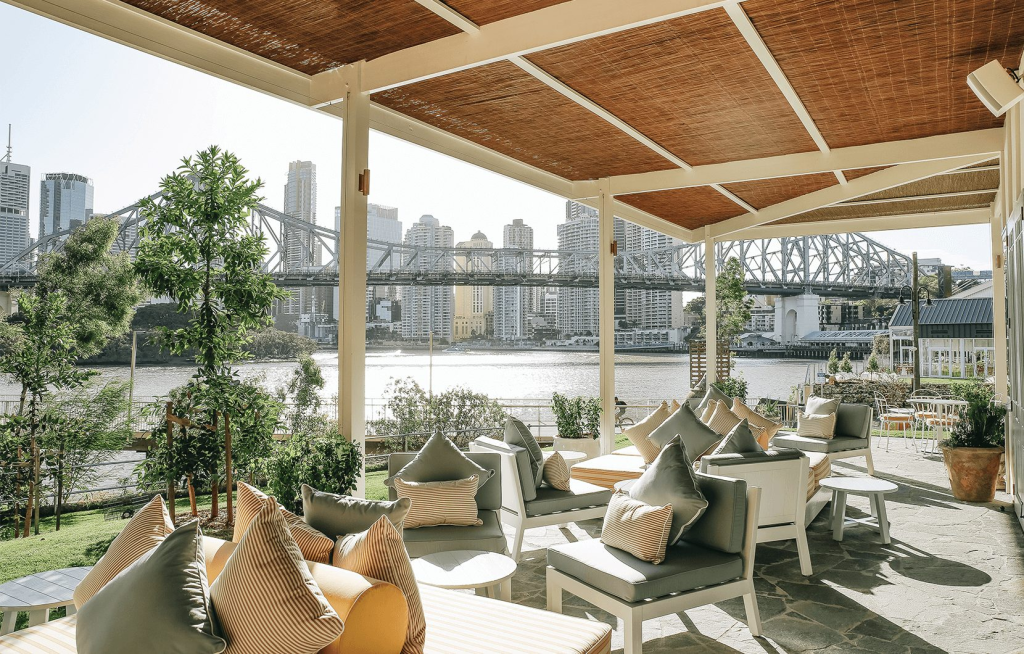
The proposed tower heights unlock potential for 360-degree views, offering future residents uninterrupted outlooks over the CBD, Story Bridge, and Brisbane River. The surrounding Fortitude Valley precinct is undergoing rapid gentrification, underpinned by premium residential developments, lifestyle-driven demand and strong population growth.

Linnane said South East Queensland’s population growth is driving unprecedented demand for inner-city apartments, making high-quality development sites in prime locations increasingly scarce. The site’s gateway positioning, river and skyline views, and proximity to the Olympic precinct create a once-in-a-generation opportunity to develop a world-class project.

Strong Market Interest Expected

Colliers has already seen strong market interest from a range of local, interstate and offshore developers, as well as institutional investors and high net worth individuals. The expressions of interest campaign for the Fortitude Valley development site closes March 19, with multiple parties expected to compete for the opportunity.

The site joins other major Fortitude Valley development sites currently on the market, including a Barry Parade property with approval for dual towers of 27 and 37 storeys comprising 490 apartments. The cluster of development opportunities reflects Fortitude Valley’s position as a key growth area for Brisbane’s residential market ahead of the 2032 Games.


Published 16-February-2026.

Building Height Changes Planned For Fortitude Valley

A new sustainable growth precinct plan has been outlined for Fortitude Valley, proposing increased building heights and upgraded connections while maintaining the precinct’s established live music identity.


A Precinct Facing Its First Major Update

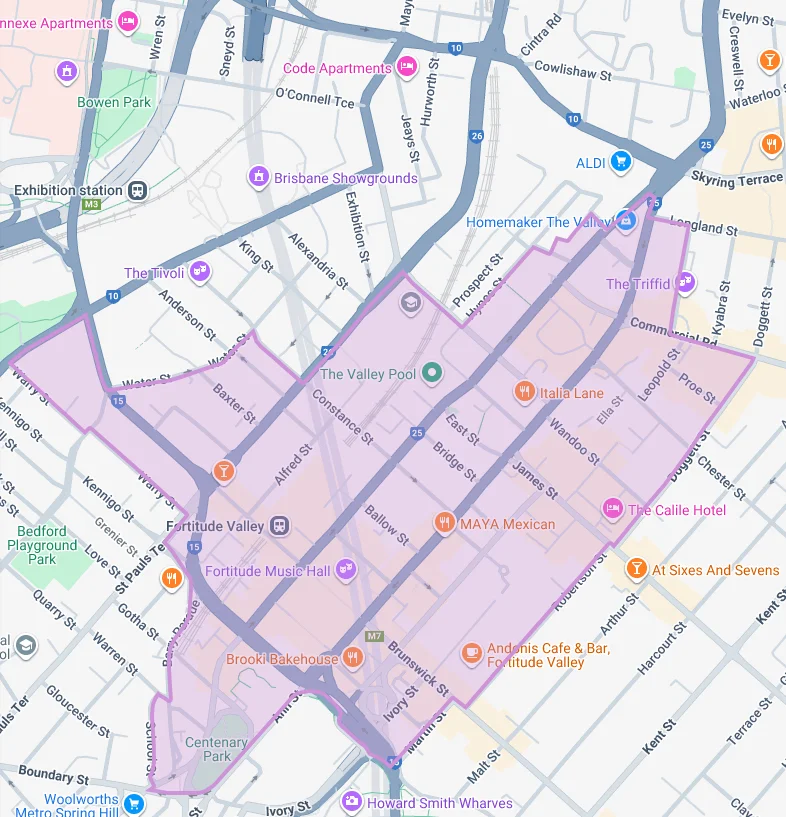
Fortitude Valley is set for its most significant planning change in more than 15 years. Current height settings range from eight storeys in the Warner Street and James Street area, to 20 storeys in the Valley Gateway and up to 30 storeys in the Valley Heart.

Recent height increases in South Brisbane and West End reflect broader shifts across Brisbane, with new towers emerging in well-connected locations. The Fortitude Valley plan follows the same direction as the city responds to a growing population.

Photo Credit: BCC

Where New Heights May Rise

The sustainable growth precinct plan outlines areas where additional height may be considered. These zones include land surrounding Fortitude Valley Station and sections of Wickham Street, Ann Street and Brunswick Street.

The precinct already accommodates about 11,500 residents and nearly 28,000 workers. The proposed update aims to support new housing and commercial options in a location that is already linked to major public transport and employment centres.

Keeping the Live Music Identity Strong

Fortitude Valley remains one of Australia’s most active entertainment hubs, with one of the highest concentrations of live music venues in the country. The plan highlights the precinct’s day-and-night-time role and retains this identity as a core feature of its renewal.

Preparing For Brisbane 2032

Improved access to Brisbane 2032 Olympic and Paralympic Games venues is a key part of the proposal. Plans include better walking and cycling routes, clearer wayfinding and renewed public spaces designed to support increased movement through the precinct before and after the Games.

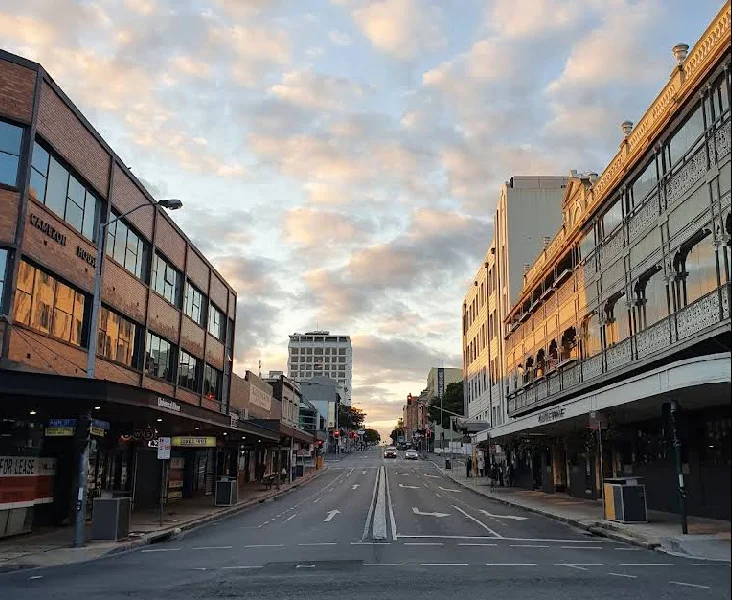
Fortitude Valley growth plan
Photo Credit: Google Maps Street View

A Vision For Mixed-Use Neighbourhoods

The updated plan sets priorities that include housing diversity, stronger links between destinations, enhanced cultural and creative activity, and support for heritage character. It also seeks to boost active streets and public spaces, reflecting the precinct’s 24/7 role across entertainment, retail and hospitality.

Community Feedback Begins Soon

Local business groups have welcomed efforts to revitalise the precinct, particularly with the approach of the Brisbane 2032 Games. Community consultation will run from 8 December 2025 to 15 February 2026, forming the first stage of investigations and early engagement.

What Happens Next


A draft precinct plan is scheduled for release in 2026. Further consultation and refinement will continue through 2026 and 2027. Final adoption is anticipated in 2027, after which the updated plan will be integrated into Brisbane’s planning framework.

Published 26-Nov-2025

Fortitude Valley Pool to Host Global Swimming Showcase

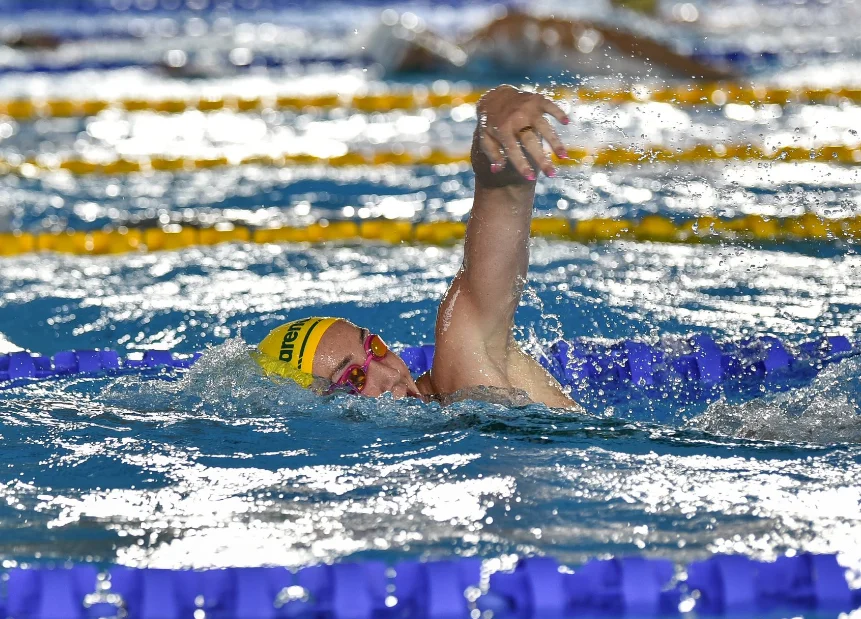
An international swimming showcase will unfold at The Valley Pool in Fortitude Valley, where Australia’s leading swimmers will compete against some of the world’s top champions in a new fast-paced event format.


New Global Swimming Event Comes to Fortitude Valley

Swimming Australia has confirmed the launch of Australia vs The World, an international competition that will take place at The Valley Pool in Fortitude Valley on 12 December 2025. The event forms part of a broader strategy to host more high-profile domestic meets in the lead-up to the Brisbane 2032 Olympic Games.

The showcase will feature Australia’s Dolphins, including world and Olympic champions Kaylee McKeown, Cam McEvoy and Mollie O’Callaghan, racing against global stars such as Great Britain’s Duncan Scott, Italy’s Thomas Ceccon and the Netherlands’ Marrit Steenbergen.

Australian Dolphins Swim Team
Photo Credit: Australian Dolphins Swim Team/Facebook

Building Momentum Toward Brisbane 2032

The Fortitude Valley meet represents the first in a new series designed to strengthen the profile of Australian swimming and create more opportunities for athletes to compete on home soil. It also aims to connect elite swimmers with local communities, bringing the excitement of international racing closer to fans.

Short-Distance Racing Brings a New Edge to the Pool

A key feature of the event will be the introduction of 25-metre races — a world-first initiative following the success of a trial at the Australian Short Course Championships in Melbourne. During that test event, McEvoy recorded an unofficial 9.36-second time over the distance, highlighting the potential for shorter, more dynamic race formats.

Swimming Australia has positioned this new approach as a way to modernise the sport, making it more entertaining and accessible for audiences both at the venue and through live broadcast.

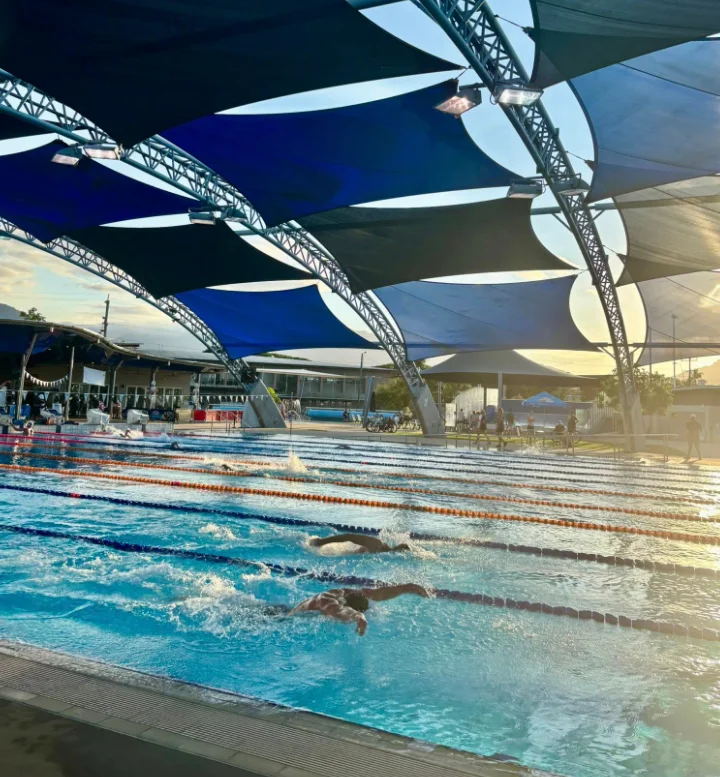
Fans to Experience Swimming Up Close at The Valley Pool

The Australia vs The World meet will deliver a fan-focused experience built around close racing and crowd interaction. With limited seating available, general admission tickets sold out shortly after release, though some resale options remain accessible through Ticketek Marketplace.

The event will begin at 6:30 p.m., with gates and box office opening from 5:30 p.m. The competition will be broadcast live and free on Nine and 9Now, allowing nationwide viewing.

Fortitude Valley Pool
Photo Credit: Australian Dolphins Swim Team/Facebook

Top Australian and International Athletes on the Blocks

The athlete roster features a mix of established and emerging swimmers. The Australian line-up includes McKeown, O’Callaghan, McEvoy, Sam Short, Matt Temple and Elijah Winnington. International representatives include Ceccon, Scott, Isabel Gose, Lukas Martens and Steenbergen.

The meet will serve as both a showcase of current stars and a preview of potential future Olympians, reflecting Swimming Australia’s effort to develop a stronger domestic presence for world-class competition.

Fortitude Valley Takes Centre Stage in Swimming Innovation


Australia vs The World marks a significant step for Swimming Australia’s event strategy, positioning Fortitude Valley as a hub for innovation in the sport. Combining elite competition with a new entertainment-driven format, the meet signals the start of a new era for Australian swimming ahead of Brisbane 2032.

Published 6-Nov-2025

Riverstage Upgrade Plans in Brisbane CBD Move Forward

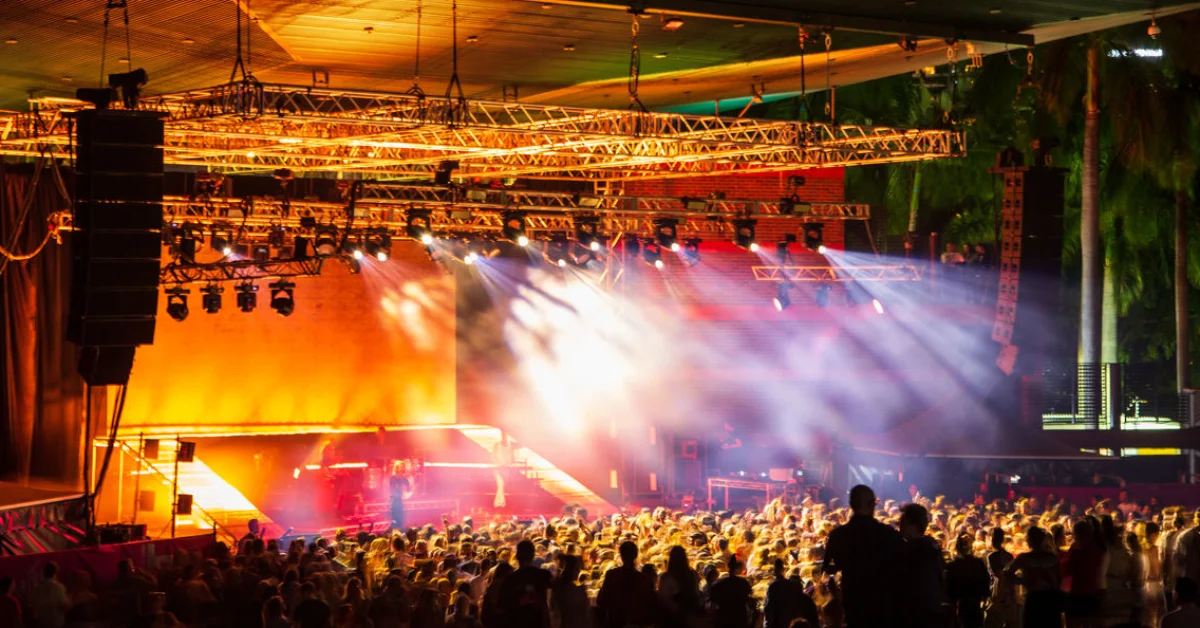
Riverstage in Brisbane CBD is set for a multimillion-dollar upgrade, with private operators invited from 22 September 2025 to invest under a long-term lease arrangement.


Background and Context

Riverstage, located behind the Brisbane Botanic Gardens, opened in 1989 as part of Brisbane’s cultural legacy following Expo ’88. It has since hosted leading local and international performers including Powderfinger, Lorde, Benson Boone and Teddy Swims. In the past financial year, 38 events drew about 245,000 attendees.

Riverstage upgrade
Photo Credit: BCC

Planned Upgrade

Council confirmed on 2 September 2025 that an expression of interest campaign will open on 22 September 2025. The process will seek proposals from experienced operators to deliver significant investment in Riverstage. The venue will remain in public ownership while being leased to a private partner for operation.

Planned upgrades include new and improved facilities and advanced sound management systems designed to address noise impacts. The upgrade is being positioned as part of Brisbane’s preparation for the 2032 Olympic and Paralympic Games, when the city will require more world-class venues.

Industry Interest

Construction leader Scott Hutchinson, who helped develop Fortitude Music Hall, has expressed interest in taking on the project. Earlier this year, he suggested a $50 million investment could deliver a roof over the stage area, soundproofing to minimise noise reaching surrounding areas, and a cover for around 3,000 people at the front of the venue. He also raised issues such as resident noise complaints and ticket resellers using bots to secure large portions of tickets, leading to quick sell-outs for major acts.

Riverstage Brisbane
Photo Credi: Google Maps

Public-Private Model

The funding approach follows a model in which private investment is exchanged for a long-term lease. This arrangement has been promoted as a way of upgrading facilities without direct cost to residents, while allowing public funds to focus on transport, parks and road projects.

Community and Cultural Impact

Industry organisations have welcomed the upgrade. Economic and cultural leaders said it would attract international acts, create more opportunities for local performers, and strengthen Brisbane’s standing as an events destination. They noted Riverstage’s role as a lasting cultural venue since Expo ’88 and emphasised that investment is needed to make it more accessible and suitable year-round.

Looking Ahead


By 2032, Brisbane is expected to have both a new indoor arena at the Gabba and an upgraded Riverstage, enhancing the city’s capacity to host large-scale entertainment and cultural events. The outcome of the expressions of interest process later this year will determine the future operator and the scope of the redevelopment.

Published 13-Sep-2025

Squash Representatives Engage Brisbane 2032 Team in Olympic Talks

Squash representatives met with Brisbane 2032 organisers in Brisbane City to discuss the sport’s potential inclusion in the Olympic Games. They highlighted its growing global profile and contribution to Australia’s sporting heritage.


Squash Leaders Meet Brisbane 2032 Team

On 13 March, key figures, including World Squash President Zena Wooldridge, Squash Australia President Matt Schmidt, CEO Rob Donaghue, five-time World Open champion Sarah Fitz-Gerald and Professional Squash Association COO Lee Beachill, met with Brisbane 2032 CEO Cindy Hook and Sports Director Brendan Keane. They discussed the sport’s potential contribution to Brisbane 2032.

Brisbane 2032
Photo Credit: Pexels

Squash’s Olympic Ascent and Australian Legacy

Including squash in LA28 has already spurred innovation and investment in the sport. Australia, a dominant force in squash history, holds the record for the most World Team Championship titles and has produced numerous legends in the game. Squash Australia’s recent funding boost for its high-performance strategy covers the next two Olympic cycles leading up to Brisbane 2032. This further underlines the sport’s growing significance.

The meeting coincided with the Australian Open, which has been elevated to a Gold-level PSA Squash Tour event. This year’s tournament is held at Squash Australia’s glass court in South Bank Piazza.

Squash’s Potential Contribution to Brisbane 2032

During the discussions, Ms Wooldridge emphasised squash’s dynamic nature, accessibility, and relatively low cost of integrating it into the Brisbane Games. She expressed gratitude for the open dialogue with Brisbane 2032 organisers and stated that the conversation helped build a mutual understanding of opportunities and challenges.

Squash in Olympics games
Photo Credit: Pexels

Looking Ahead: Squash’s Road to Brisbane 2032


While no formal commitments were made, the meeting marked progress in positioning squash for inclusion in Brisbane 2032. With its sporting heritage in Australia and increasing international recognition, squash is positioning itself as an exciting addition to the Olympic program.

Published 18-Mar-2025

Brisbane’s Own Greg Norman Takes on a New Challenge—Shaping the 2032 Olympics

Brisbane’s Olympic preparations are gaining a homegrown boost, with Greg Norman joining the Games’ organising team. The committee, operating out of Brisbane City, is at the centre of the city’s Olympic vision.


Read: Roar vs Wellington Phoenix: Brisbane Look to End Losing Streak, Reignite Title Push


Local Connection Runs Deep for Former World No.1

For Brisbane residents, Norman’s ties to the city run deeper than many realise. Before becoming the “Great White Shark” who dominated world golf for 331 weeks as World No. 1, he honed his skills in Brisbane’s northern suburbs. He worked at the Royal Queensland Golf Club, which fittingly will serve as the venue for the Olympic golf events in 2032.

Greg Norman
Photo Credit: CC-BY 2.0 / Ted Van Pelt / Flickr

Reflecting on the appointment, Norman said, “In my youth in the ’70s, I worked in the golf shop at Royal Queensland. Now that course will be the home of golf at Brisbane 2032.”

Greg Norman, a Strategic Appointment for Brisbane’s Global Ambitions

Minister for Sport Anika Wells highlighted Norman’s ability to contribute to Brisbane’s Olympic ambitions, citing his four decades of global sporting experience and business acumen. The appointment comes as Norman transitions from his role as CEO of LIV Golf, bringing fresh strategic insight to the organising committee.

Greg Norman
Photo Credit: CC-BY 2.0 / Ted Van Pelt / Flickr

OCOG President Andrew Liveris reinforced the significance of his involvement, stating, “What better Queensland sports brand than Greg Norman? He will help elevate our state and our city on the global stage over the next seven years.”

Business Expertise Meets Sporting Legacy

Beyond his sporting achievements, Norman brings substantial business expertise to the role. As chairman and CEO of the Greg Norman Company, he has overseen successful ventures in apparel, interior design, real estate, and golf course design – experience that could prove invaluable in Brisbane’s Olympic development.

Norman replaces retiring politician Graham Perrett MP on the 24-person organizing board, with his first OCOG meeting scheduled for 5 April. The appointment represents a significant boost for Brisbane’s Olympic preparations, bringing together local knowledge and global expertise.


Read: New Vision for Waterfront Pavilion, A Key Element of Waterfront Brisbane


For Brisbane, Norman’s appointment bridges the city’s sporting heritage with its Olympic future. As preparations for the 2032 Games continue to transform the city, having a local figure of Norman’s calibre on board offers both practical expertise and symbolic significance.

Speaking to the aspirations of his hometown, he affirmed, “We will prove our credentials as world leaders in events, sport, and hospitality at Brisbane 2032 and create an incredible legacy for this state.”

Published 31-January-2025

Got Big Ideas For Fortitude Valley for Brisbane 2032? Here’s How You Can Share Them!

Here’s an idea. An elevated open space and active transport link within Fortitude Valley, which will provide a broader connection loop from Victoria Park through to New Farm, to be built in time for the Brisbane 2032 Games? Find out how you can support this idea or share your own.


Read: Mass Closure at Eagle St Pier As Waterfront Brisbane Redevelopment Looms


Luke Micali, a senior landscape architect at Vee Design in collaboration with Mike Jones put forward this concept at the ‘Inner Spark,’ a Council initiative where locals are invited to share their big ideas and help shape the future of the inner city in time for the Brisbane 2032 Olympic and Paralympic Games.

Dubbed as “LeBron Link,” the elevated open space will provide a broader connection loop from Victoria Park through to New Farm, ultimately connecting major destinations and green space and providing much-needed equitable green space.

A lot the good projects in the city, such as Howard Smith Wharves, the Green Bridge program, and Queen’s Wharf once came from big ideas from locals.

Other Futuristic Ideas

block park
Photo credit: Brisbane City Council

Tessa Leggo of Fred St suggested ‘The Block Park,’ where all streets bounded by Stanley, Wellington, Ipswich and Balaclava, will feature parkland style streetscape and car travel is local only.

brisbane 2032
Photo credit: Brisbane City Council

Architects at FORM suggested ‘Frog’s Hollow Civic Space,’ a new civic space on the corner of Albert and Mary streets that provides a green focus opposite the new Cross River Rail Station and further reinforces the green spine between the City Botanic Gardens and Roma Street Parklands.

inner spark
Photo credit: Brisbane City Council

Business South Bank put forward a ‘City-wide Bougainvillea Path,’ a wayfinding device that helps links all of the significant places in Brisbane.

“Extend the South Bank Bougainvillea arbour to not only create a welcoming, safe, subtropical trail that promotes and encourages walking throughout the inner city but provides a beautiful and iconic backdrop for the city,” Business South Bank wrote.

Share Your Ideas!

What would you like Brisbane to look like, and beyond? Get your creativity flowing and share your big ideas with the community or vote from among the ones submitted by other residents.

You can share your big ideas for Brisbane under seven themes:

  • Welcoming – Create more to see and do, promote access and inclusion
  • Connected – Improve the cycle network, enhance river connections, upgrade public transport, improve connections to inner city green space
  • Animated – Stage iconic events, deliver creative lighting, grow the visitor economy
  • Beautiful – Green our city, create walkable streets, activate small spaces
  • Future focused – Facilitate growth, plan our Brisbane 2032 Olympic and Paralympic Games legacy, elevate our global city
  • Green – Clean, green, sustainable, carbon positive
  • Resilient – Ability to respond, adapt and rebuild to challenging conditions

To learn more about the Inner Spark project or to submit your own idealis, visit Brisbane City Council’s website or phone Council on 07 3403 8888.