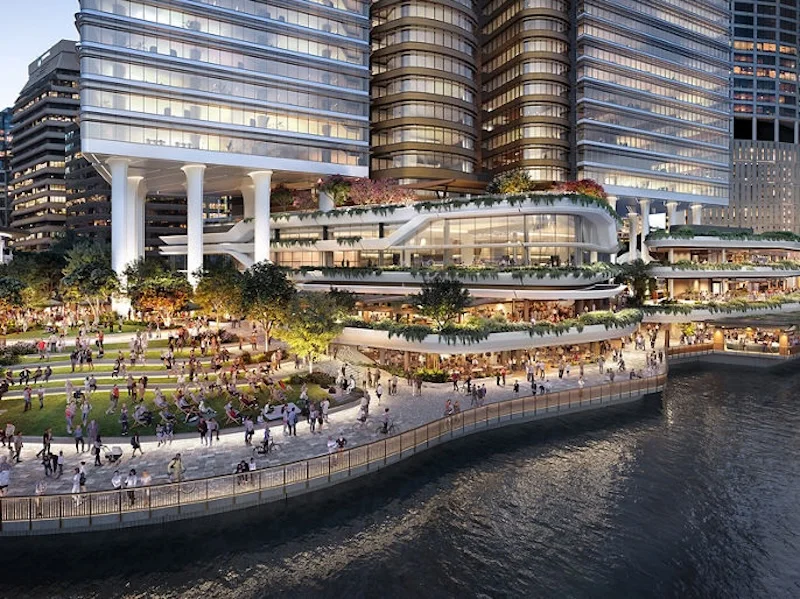



Historic Treasury Building to Become Griffith’s New AI and Cyber Security Hub

Griffith University’s School of Information and Communications Technology, home to Queensland’s top-ranked artificial intelligence programme, will move from its Nathan campus into the heart of Brisbane’s CBD from 2027. The move establishes the heritage-listed Treasury Building as the state’s most significant urban technology and AI learning hub.


The transformation of the Treasury Building—formerly operated as a casino by The Star Entertainment Group and acquired by Griffith for $67.5 million—marks a major milestone in the adaptive reuse of Queensland’s heritage architecture. COX Architecture is leading the design and fitout of the iconic landmark.

The campus will welcome its first intake of students in 2027, eventually accommodating roughly 6,000 students and 200 staff members at full operation.

A building that has always shaped Queensland’s story

The Treasury Building on Queen Street is one of Brisbane’s most significant heritage-listed structures, its ornate Baroque Revival sandstone façade remaining a fixture of the CBD skyline for more than a century. It began life as Queensland’s colonial treasury, transitioned through phases as a public service building, and most recently served as a casino.
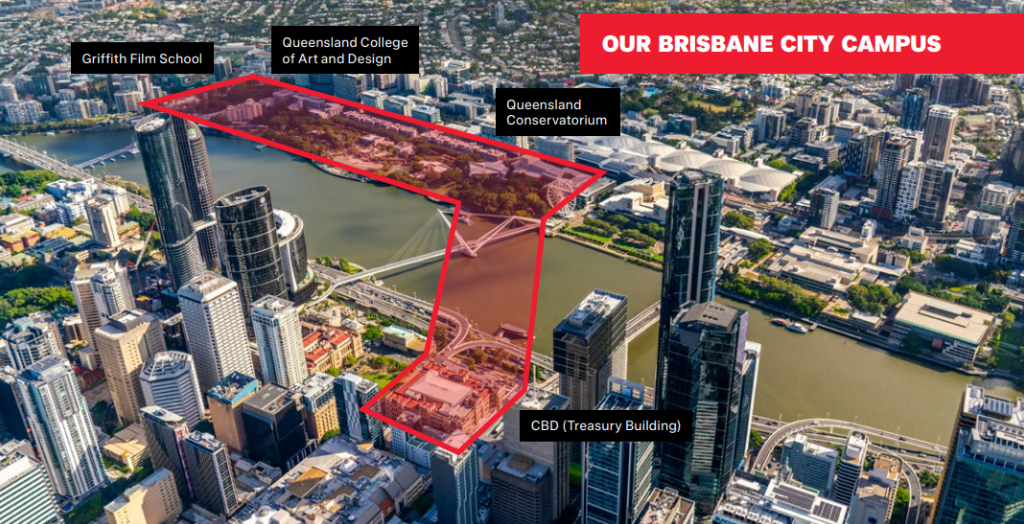
Photo Credit: Griffith University

Now, it begins its next chapter as a purpose-built learning environment.

The decision to bring Griffith’s ICT school into this central space is a deliberate strategy to bridge academia and industry. Professor Ernest Foo, who leads the school, noted that the central location offers unmatched opportunities for collaboration.
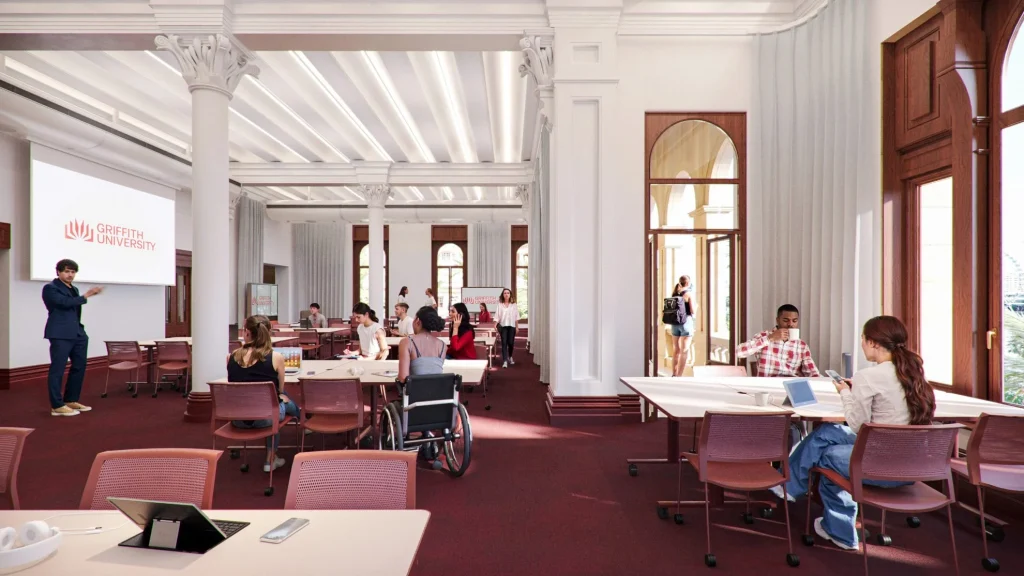
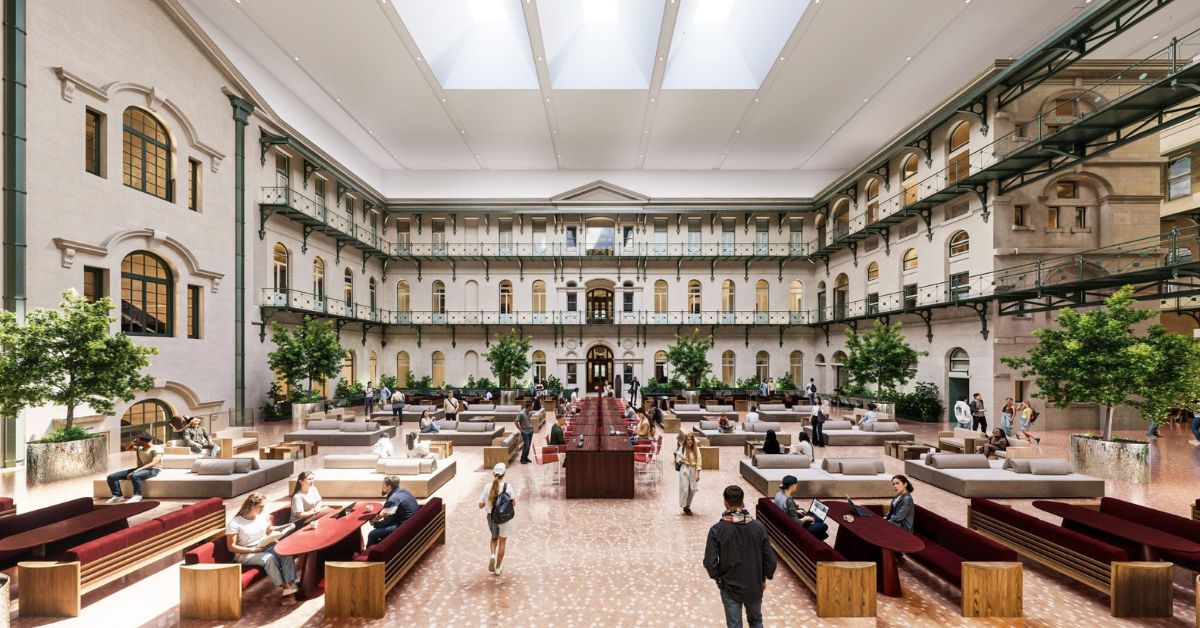
Photo Credit: COX

“Bringing ICT students together in the Treasury Building will offer so many opportunities to build connections that they’ll take into their future careers,” Professor Foo said. “The Treasury Building will allow us to build on the work we currently do to connect students from across disciplines to collaborate and work with industry partners in real-world scenarios.”

AI and cyber security at the centre of the vision

The ICT school’s relocation anchors the Treasury’s identity as a technology hub focused on two critical disciplines: artificial intelligence and cyber security. Professor Foo explained that AI sits at the core of the school’s teaching and research initiatives.
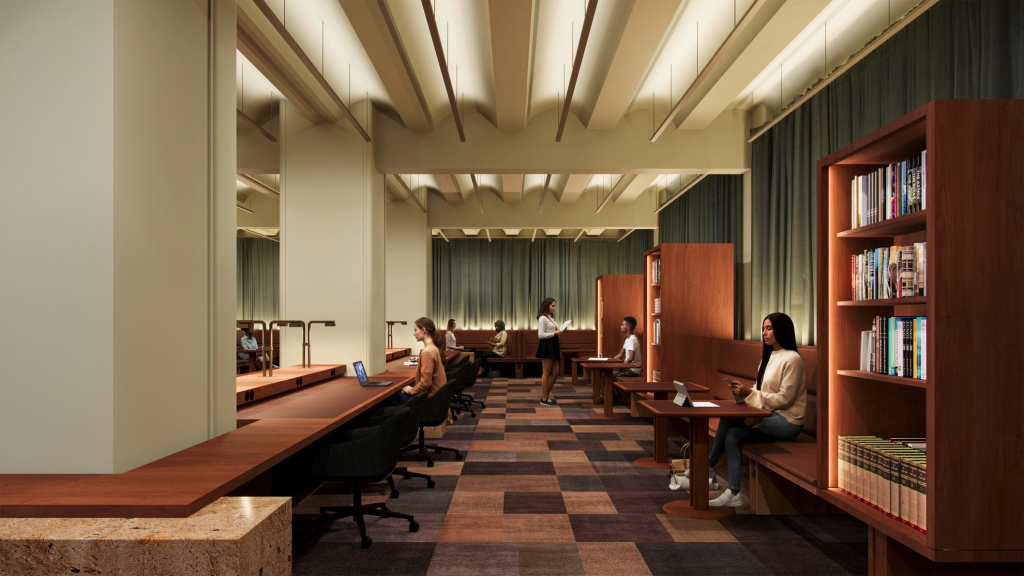
Photo Credit: COX

“Artificial intelligence is one of those big disruptors in the modern world,” Professor Foo said. “It’s changing the way we work. And it’s not one of those things to be feared so much, but it’s one of those things that we can take advantage of.”

Griffith was the first university in Queensland to offer a dedicated Bachelor of Cyber Security degree, alongside its master’s programme. Professor Foo highlighted that industry demand for specialist cyber security professionals continues to outpace the supply of graduates.
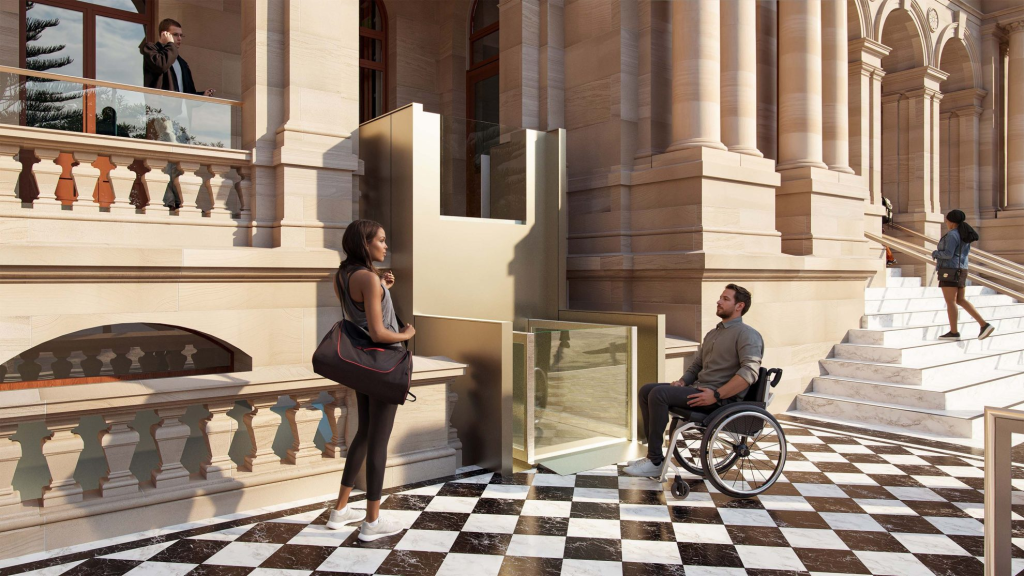
Photo Credit: COX

“From listening to industry, we’ve found that there’s a big need for more people with that specialist knowledge. Being located in the Treasury Building in Brisbane will help us to meet that need.”

The university will run its signature industry simulation events and tech hackathons directly from the CBD campus. These practical intensives bring together students from IT, business, law, and criminology to tackle real-world digital threats, delivering the exact cross-disciplinary experience modern employers demand.

Students who are already thinking about what it means

Master of Cyber Security student Henry Ng said the Treasury Building’s combination of heritage and technology makes the move unique.

“I think it’s really interesting to see a historic building like the Treasury Building being used for a future-focused field like IT,” Ng said. “That contrast between heritage and technology makes it quite unique.”

For Ng, the CBD location changes the texture of student life by lowering the barrier to professional networking.

“Being in the CBD also means we’re closer to industry, so it creates more opportunities to connect what we learn with what’s happening in the real world,” he said. “Being in the city also means more people will see and interact with Griffith students, which builds a stronger presence and makes the experience feel more dynamic.”

This perspective reflects how modern universities are integrating directly into city infrastructure. Griffith’s teaching framework is guided by an Industry Advisory Board—a panel of sector experts who align curriculum with current industry needs to ensure graduates possess highly targeted, hirable skills.
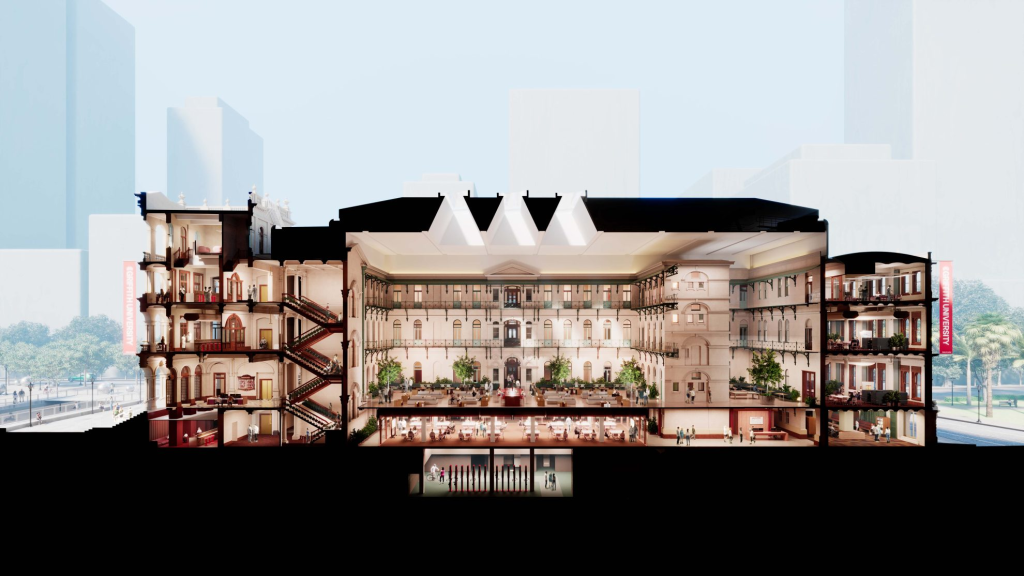
Photo Credit: COX

What opens alongside ICT

The Treasury Building will not function exclusively as an AI and technology hub. The campus will also house undergraduate and postgraduate business and law degrees, alongside postgraduate and executive education programmes.

By drawing thousands of local and international students directly into the heart of the city, the central hub will inject significant economic activity into the Brisbane CBD.

The new Brisbane City campus will complement Griffith’s existing presence at South Bank, home to the Queensland College of Art and Design, the Griffith Film School, and the Queensland Conservatorium.

Construction is currently underway, and the Treasury Building campus will officially open to students in 2027.


Published 6-May-2026
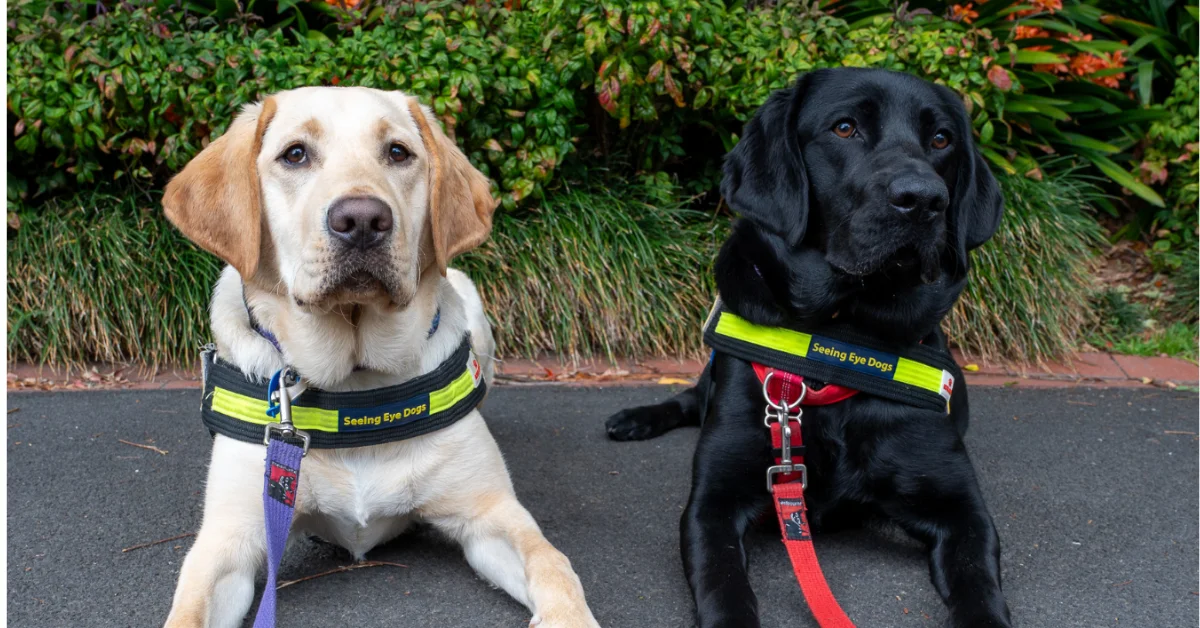
Meet the Puppies: Seeing Eye Dogs Take Over Brisbane CBD for Guide Dog Day 

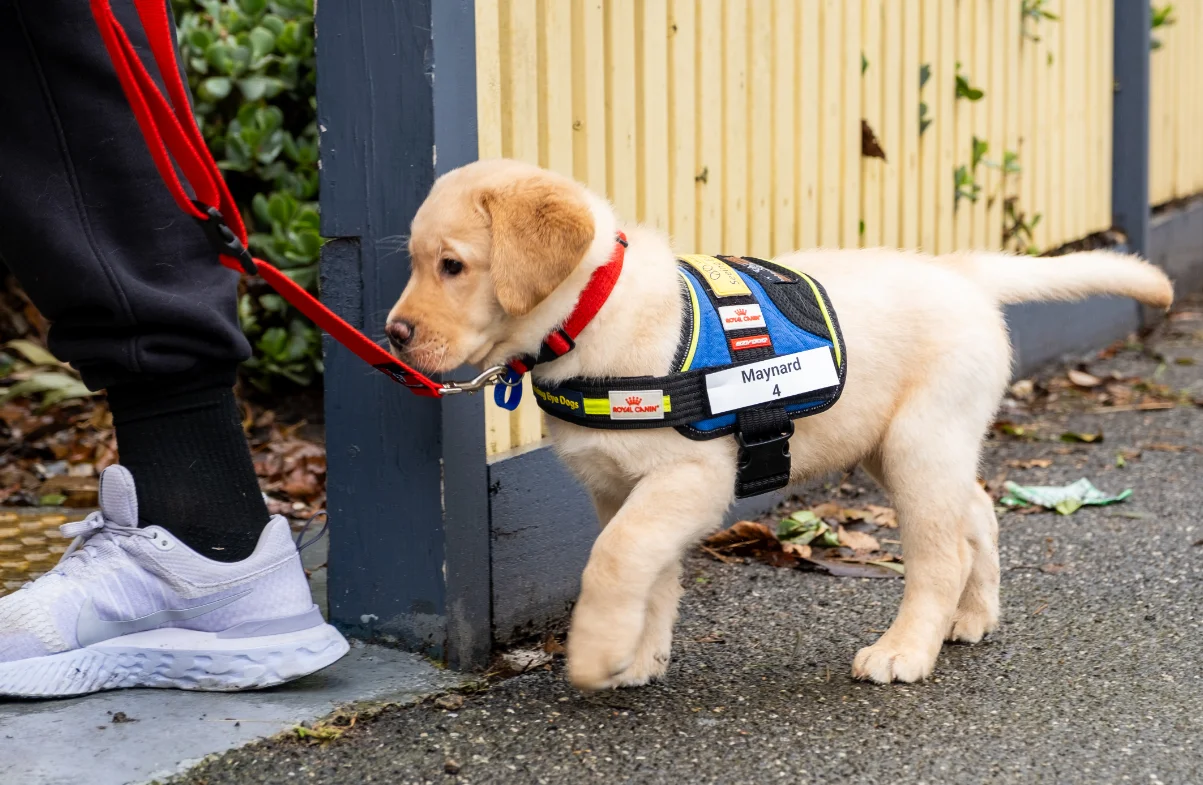
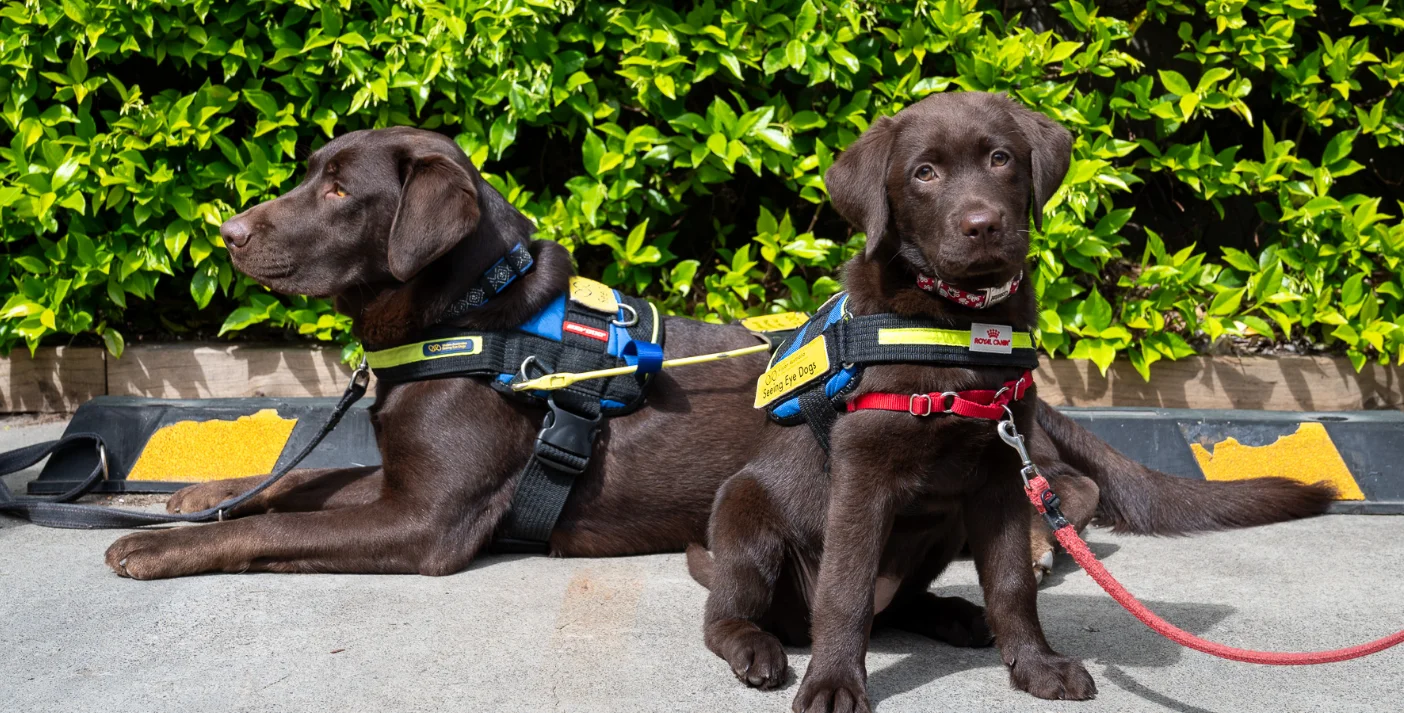
A group of Seeing Eye Dog puppies will make their way through Brisbane CBD, drawing attention and curiosity as they walk from Central Station to the Botanic Gardens for International Guide Dog Day.


A Walk That Draws Attention

The walk will see puppies-in-training, alongside volunteers and trainers, make their way through the city before arriving at The Gardens Club café on Gardens Point Road. Running from 10:30 am to 11:30 am on 29 April, the Brisbane CBD event brings together those involved in the development of Seeing Eye Dogs, from early training through to placement.

It marks a day dedicated to recognising the work behind each dog, including the role of trainers, veterinary staff, volunteers, donors and the people who rely on them.

International Guide Dog Day
Photo Credit: Vision Australia

Opening the Program to the Public

What begins as a walk through the city settles into a more relaxed gathering at the gardens. At The Gardens Club, members of the public are encouraged to come down, enjoy a coffee and spend time with the puppies while learning more about Seeing Eye Dogs and the services available.

The event offers an opportunity to ask questions, explore volunteer roles and understand how the program supports people who are blind or have low vision. Informal moments, including time spent with the puppies, sit alongside conversations about how each dog is prepared for its future role.

 Vision Australia
Photo Credit: Vision Australia

The Journey Behind Each Dog

While the interaction may be brief, the path behind each puppy is extensive. It takes around two years of training and care before a Seeing Eye Dog becomes fully qualified, with the cost of raising and preparing a single dog in excess of $50,000.

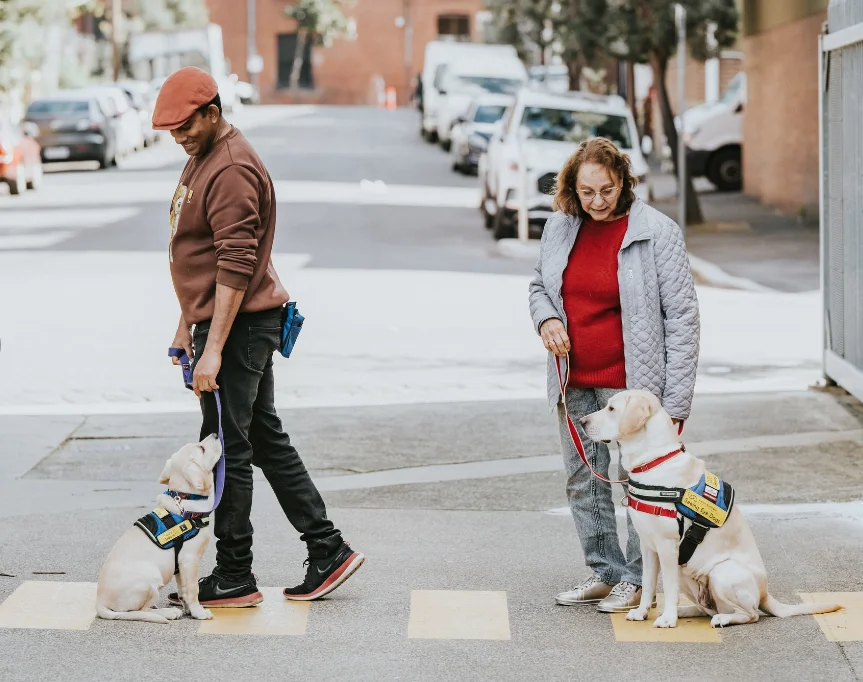
Across Australia, more than 260 active handlers are currently supported by working Seeing Eye Dogs. Their role is to assist people who are blind or have low vision to move through daily life with greater mobility and independence.

As the only national provider, trainer and breeder of Seeing Eye Dogs in Australia, Vision Australia Seeing Eye Dogs supports people across the country through every stage of this process.

Seeing Eye Dogs
Photo Credit: Vision Australia

Part of a Wider Day of Recognition

The Brisbane CBD walk takes place as part of International Guide Dog Day, held each year on the last Wednesday in April. The day recognises the broader journey of Seeing Eye Dogs and the people involved in their development.


Similar activities are taking place across Queensland, Victoria and New South Wales, bringing together clients, volunteers and dogs in coordinated walks and community events.

Published 27-Apr-2026

Man Sleeps Rough in Brisbane Streets as Pet Ban Blocks Temporary Housing

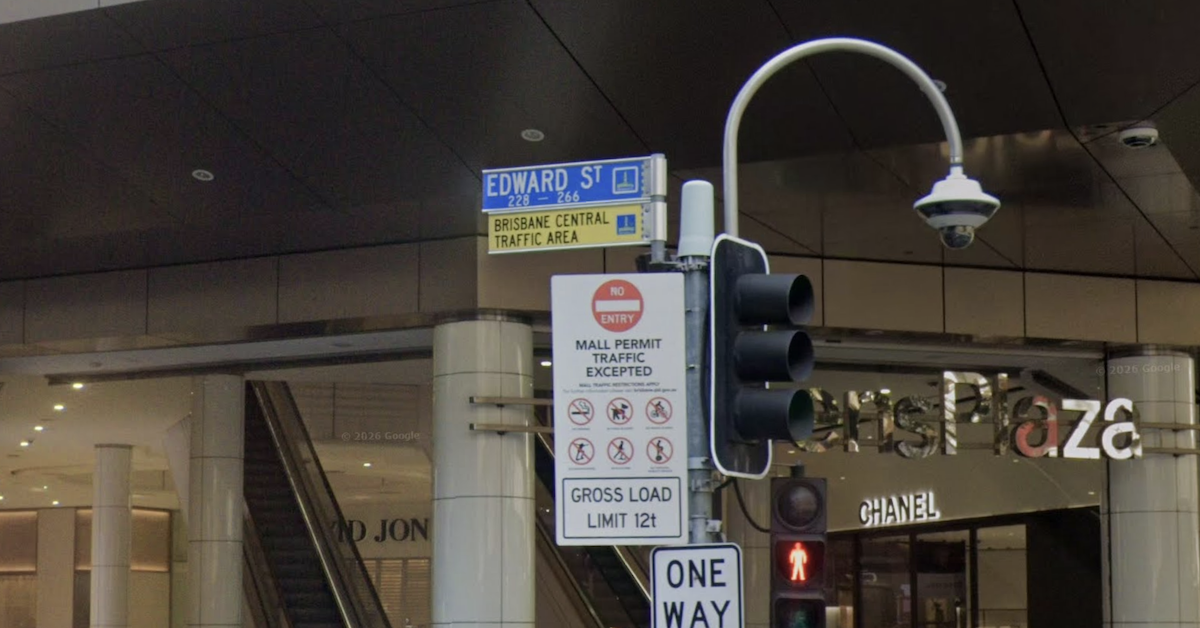
In the heart of Brisbane CBD, where commuters pass the corner of Adelaide and Edward streets, a man is choosing to sleep rough with his German Shepherd. He could have left the streets and enter temporary housing, but the offer came with a condition he would not accept: he has to leave his dog behind.


A hard choice on a city footpath

Reports cited that Steve James was offered temporary accommodation through Queensland’s housing system, but he did not take it after being told his dog could not stay with him. He has treated the animal as family and was not prepared to surrender the one companion that has stayed with him, living on the street. His case has drawn attention because it shows how a housing offer can still leave someone with no real option. 

Mr James’s situation is visible on a busy city corner. Animal welfare and housing groups say pets are often a source of safety, routine and emotional support for people sleeping rough. Losing a pet can mean losing the one stable relationship they still have.

Queensland pet rules do not reach every housing setting

Queensland renters have stronger protections than they once did. The state’s rules on renting with pets say tenants can ask to keep an animal, and property owners must respond within a set time frame. The Queensland Government’s rental law changes have been in place since October 2022 and cover many private rentals and social housing tenancies.

But the same protections do not always apply to short-term accommodation used for people who are homeless. Advice from Tenants Queensland shows that pet rules can vary depending on the type of housing agreement. Mr James’s temporary accommodation is often not a normal rental home.

Motels are part of the housing response

Queensland’s Enhanced Outreach Guidelines show that short-term accommodation, including hotels and motels, can be used when people need immediate shelter and no long-term home is ready.

Those placements can help people leave unsafe conditions quickly. But because they are often run by commercial operators, pet policies can be different. A person may be offered a bed but still be unable to bring an animal with them.

Research from the Australian Housing and Urban Research Institute has found that companion animals can affect access to private rentals, social housing, emergency housing and homelessness services. The research also notes that restrictions on pets can stop people from accepting accommodation.

Queensland’s housing shortage has made these decisions harder, with tens of thousands of people waiting for long-term housing. The QCOSS social housing evidence brief also points to high demand across the state. When long-term housing is not available, temporary rooms become a larger part of the system.

Nationally, the Australian Institute of Health and Welfare tracks the large number of people who seek help from specialist homelessness services each year. Many need crisis support, short-term accommodation, or help to stay housed.

Animal groups help people keep their pets

Larger dogs can also be harder to place, making the problem more difficult for owners who cannot easily find temporary care. The Animal Welfare League Queensland has supported people experiencing homelessness by providing pet food, veterinary help and other care through community outreach. The group has worked with people whose animals are part of their support system.

National charity Pets of the Homeless Australia also helps people care for pets during hardship. Its work centres on keeping people and animals together where possible, rather than forcing owners to give up pets because they cannot afford care.

On a Brisbane CBD footpath, Mr James’ situation shows how this crisis is also about finding a place that fits a person’s real life, including the animal that may be helping them get through each day.


Published 24-April-2026

What QUT’s CBD Campus Could Look Like by 2050

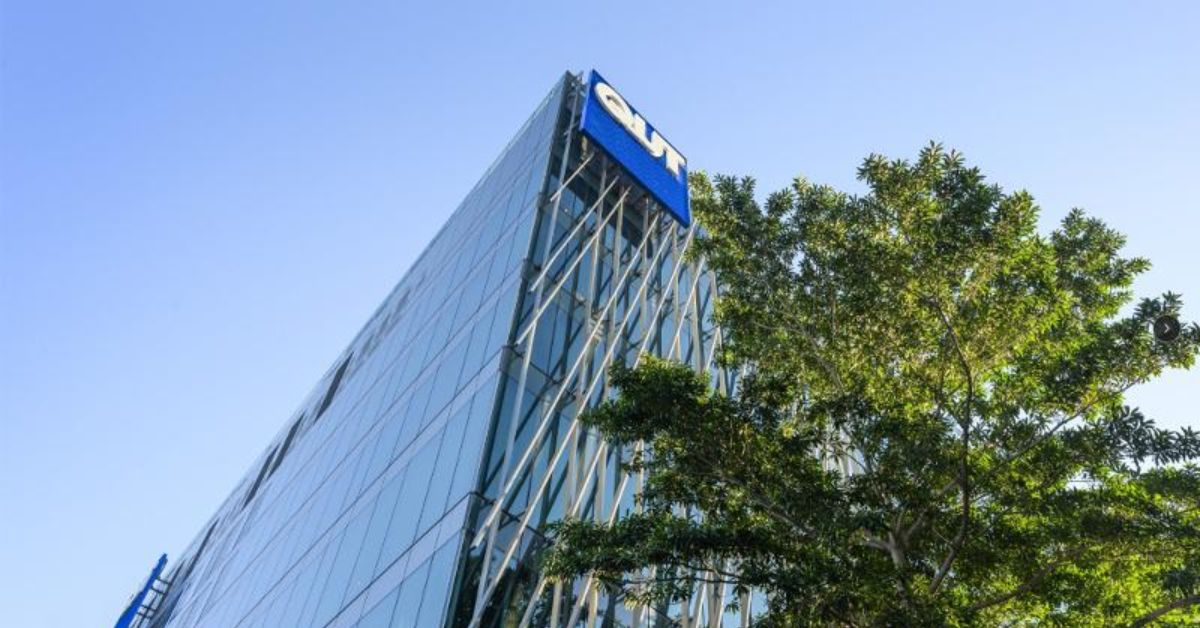
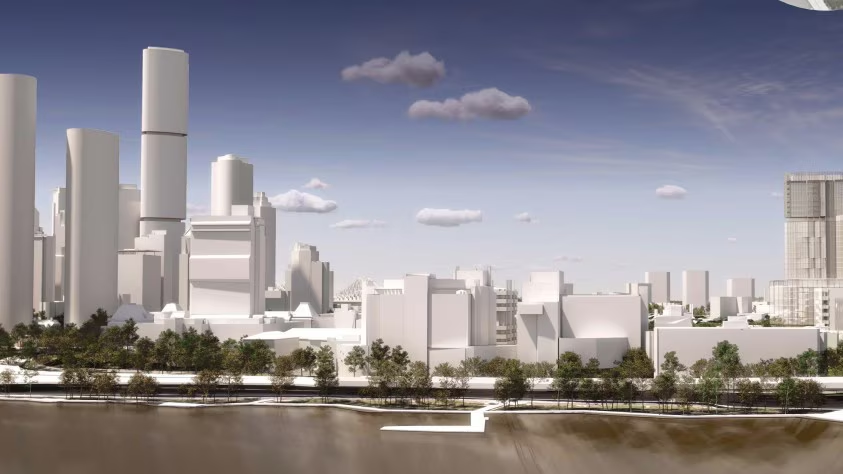
A 25-year vision for Queensland University of Technology‘s riverside Gardens Point campus in Brisbane’s CBD proposes purpose-built science and engineering precincts, a new business and law faculty building co-located with a conference centre, hotel and student accommodation, and dramatically improved connections to the City Botanic Gardens and the Brisbane River.


Released in March, the 2026 to 2050 Campus Master Plan outlines the most ambitious redevelopment of the Gardens Point campus since QUT’s establishment as a university in 1989, positioning the site as a genuine city-shaping precinct in the lead-up to Brisbane 2032 and beyond.

Gardens Point campus sits in Brisbane’s city centre beside the river and the City Botanic Gardens. At its centre stands a heritage building dating to 1862. The masterplan leverages this riverside setting to better connect the campus with the surrounding city.

Science, Engineering and a Whole New Precinct for Business and Law

The most structurally significant proposals for Gardens Point involve the creation of dedicated, purpose-built precincts for science and engineering. These proposals consolidate and upgrade facilities currently spread across the campus, giving the university’s technical and research disciplines a more coherent physical home.

Photo Credit: QUT

The plan also delivers a new building for QUT’s business and law faculties, co-located with a conference centre, hotel and student accommodation in a mixed-use development that activates the campus beyond typical university hours. QUT’s architecture and built environment, business, engineering, information technology, law, mathematics and science students are based at Gardens Point, right in the centre of Brisbane, and the new building would serve as a landmark focal point for that community.

Getting the River Connection Right

One of the consistent themes to emerge from five years of community and staff engagement that shaped the masterplan was the sense that Gardens Point has never fully capitalised on its extraordinary location beside the Brisbane River and the City Botanic Gardens.

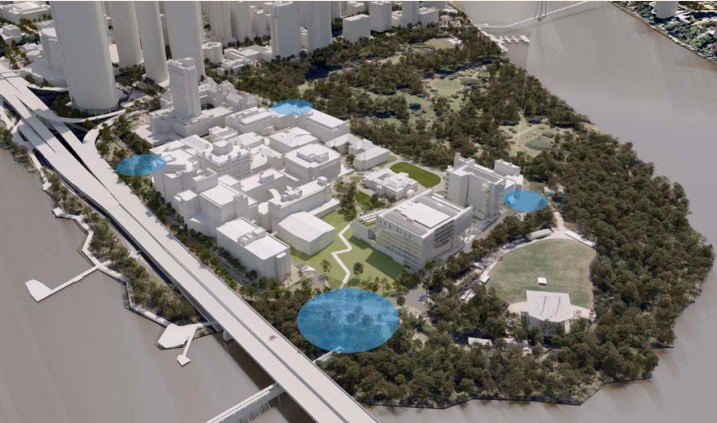
Arrival points will be reimagined as clear, welcoming gateways that strengthen QUT’s presence and invite the community and public in. Photo Credit: QUT

The plan addresses this directly, proposing better pedestrian walkways to connect the campus to the gardens and the riverfront. These connections would allow students, staff and visitors to move fluidly between the academic precinct and some of Brisbane’s best public spaces, making Gardens Point feel less like an island and more like an extension of the city.

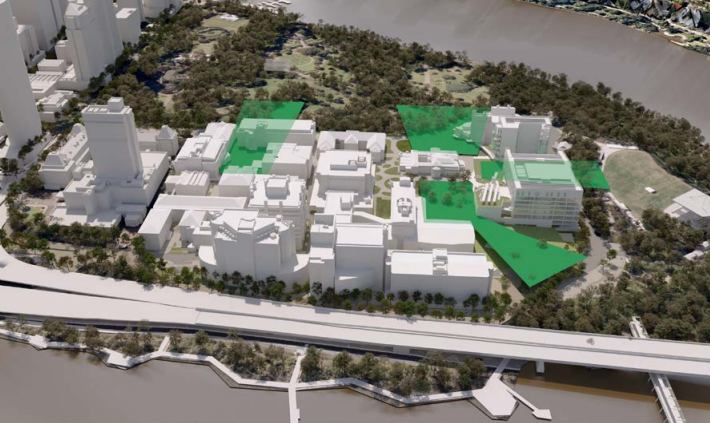
Courtyards and plazas link the campus to nearby parklands, creating a more open, welcoming and connected space for the public. Photo Credit: QUT

The Campus Master Plan positions the Gardens Point and Kelvin Grove campuses as vibrant, collaborative hubs that foster innovation, creativity and real-world impact, while ensuring QUT’s physical environment remains people-centred, flexible and future-focused.

A Plan Decades in the Making

QUT Vice-Chancellor Professor Margaret Sheil said the vision had been shaped by genuine consultation. “By aligning with Brisbane’s broader growth and development strategy, the Campus Master Plan ensures QUT remains accessible, future-ready and central to the city’s economic, social and cultural life,” she said.

The masterplan reflects five years of engagement with staff, students, industry partners and the broader community, highlighting recurring themes including the need for more collaborative spaces, better connections to the surrounding city and a campus environment that supports both academic excellence and student wellbeing.

The full document spans both the Gardens Point and Kelvin Grove campuses and provides a high-level framework to guide development, investment and renewal across the next decade and beyond. Expressions of interest for the first elements of the plan, focusing on student accommodation at Kelvin Grove, are already underway, signalling that the university is moving from vision to action.

The full Campus Master Plan is available to download at here. Enquiries can be directed to masterplan@qut.edu.au.


Published 13-April-2026

Ram Raid Hits Hermès Store in Brisbane CBD Overnight

A luxury retail store in Brisbane CBD was ram-raided in the early hours after offenders used a stolen vehicle to smash through the storefront and flee with high-end items.


Luxury Store Targeted In Coordinated Entry

A group of offenders carried out a rapid ram raid on a Hermès store in Brisbane CBD, using a stolen white Mercedes SUV to force entry through the front of the building along Edward Street.

The vehicle was driven into the store shortly after 3:00 a.m. on 6 April 2026, allowing the group to gain immediate access. The entry was brief, with offenders moving quickly inside before removing a selection of high-value goods.

Items taken included handbags, jewellery and clothing, with some Hermès handbags known to retail for more than $80,000. The total value of the theft remains unclear.

Brisbane CBD retail crime
Photo Credit: QPS/Facebook

Multiple Vehicles Used In Swift Escape

The operation involved more than one vehicle, with offenders transferring stolen goods into a second car waiting nearby.

A third vehicle was also used in the escape, with the offenders fleeing the scene in two vehicles. The Mercedes used to breach the storefront was abandoned at the site.

The vehicle had been stolen days earlier from a residential property in Coorparoo on 1 April 2026. A second vehicle taken during the same incident has not been recovered.

Near Apprehension In Brisbane CBD

Responding officers arrived quickly and came close to intercepting one of the offenders before the group managed to evade capture.

Police indicated the group may have fled south, with a possible route including the Story Bridge. Investigators have appealed for public assistance, particularly from anyone with CCTV or dashcam footage captured in and around Brisbane CBD at the time.

Authorities are also monitoring for any high-end Hermès items that may be offered for sale online. The abandoned vehicle is undergoing forensic examination as part of ongoing inquiries.

Brisbane CBD crime scene
Photo Credit: QPS/Facebook

Family Impact After Vehicle Theft

The vehicle used in the ram raid had been taken during an earlier break-in at a residential car park, where two cars were stolen within minutes by masked individuals.

The incident was witnessed by a child inside the home, and the aftermath has affected the family’s sense of safety. Locks at the home and business were changed following the theft.

In the days after the initial incident, there were reports of the stolen vehicle being driven erratically within the local area before it was later used in the Brisbane CBD ram raid.

Damage And Disruption Along Retail Strip

Following the ram raid, emergency crews attended the site and scaffolding was installed to support the damaged frontage. Forensic teams examined the interior for evidence.

The store remains closed until further notice, with visible damage to the entrance and interior displays.


The incident has drawn attention due to its location in a well-monitored section of Brisbane CBD, where such offences are considered uncommon.

Published 8-Apr-2026

Brisbane ANZAC Day Parade 2026: Three Historic Milestones Mark Commemoration in the CBD

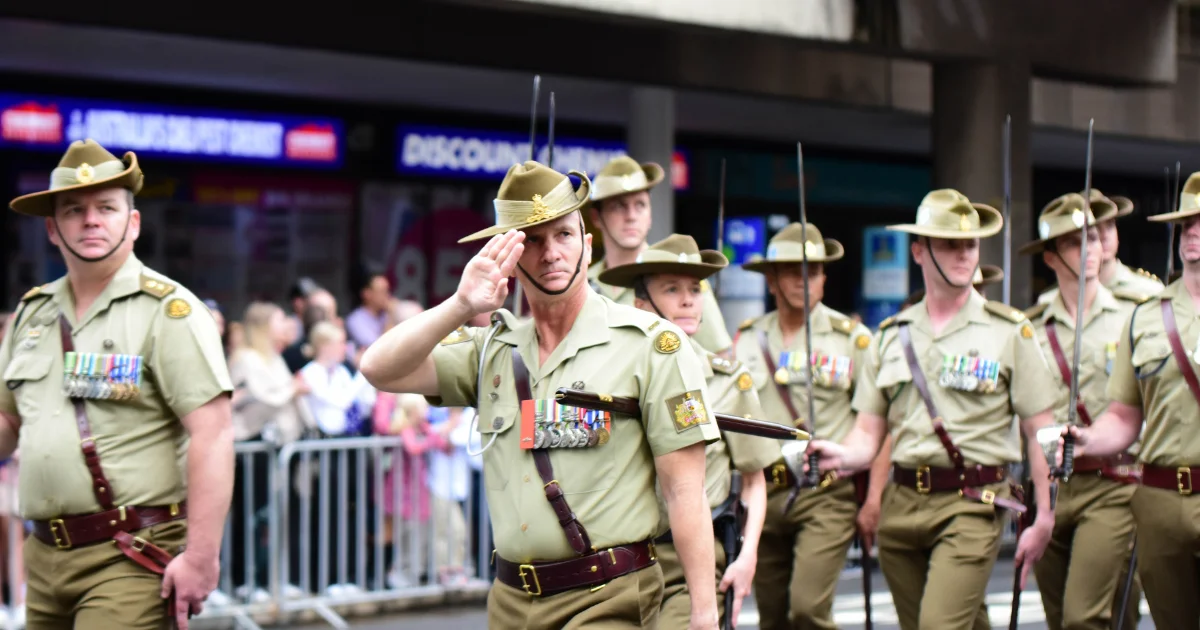
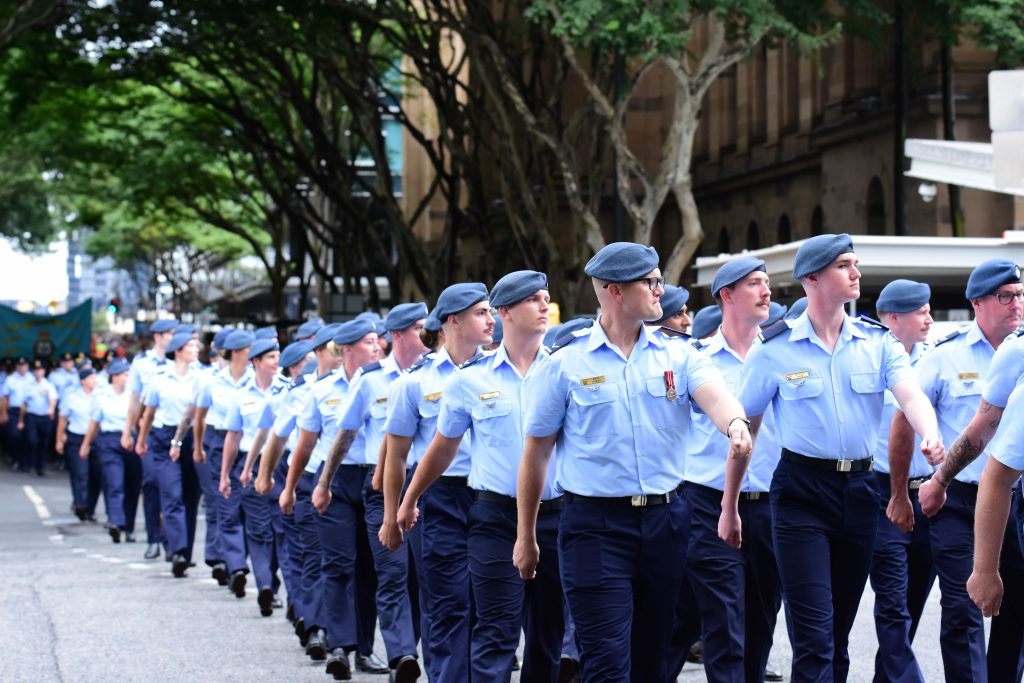
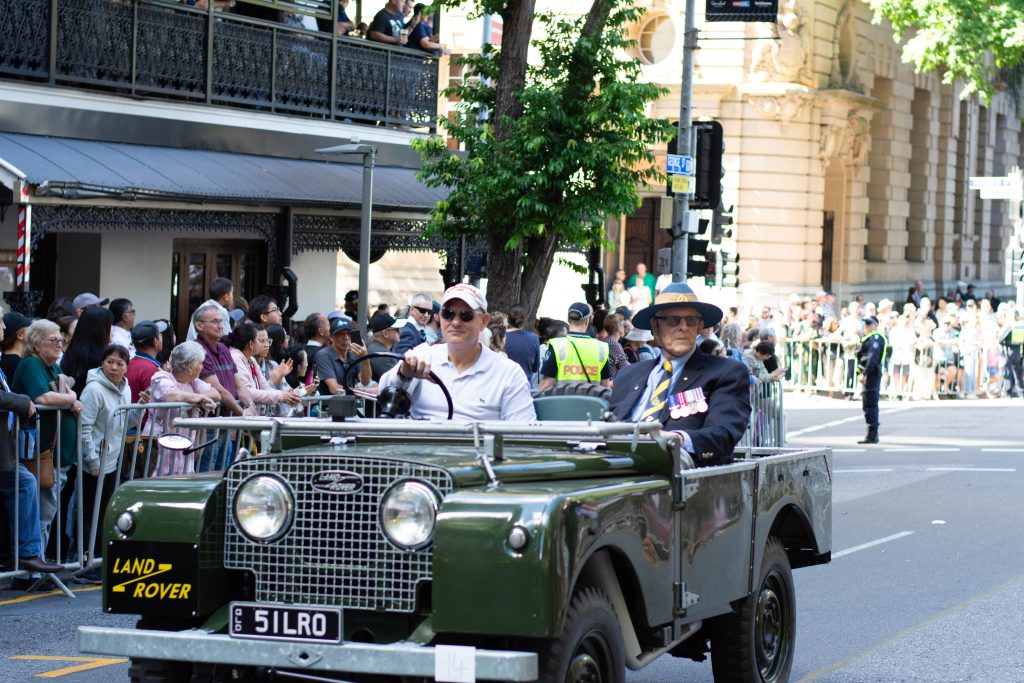
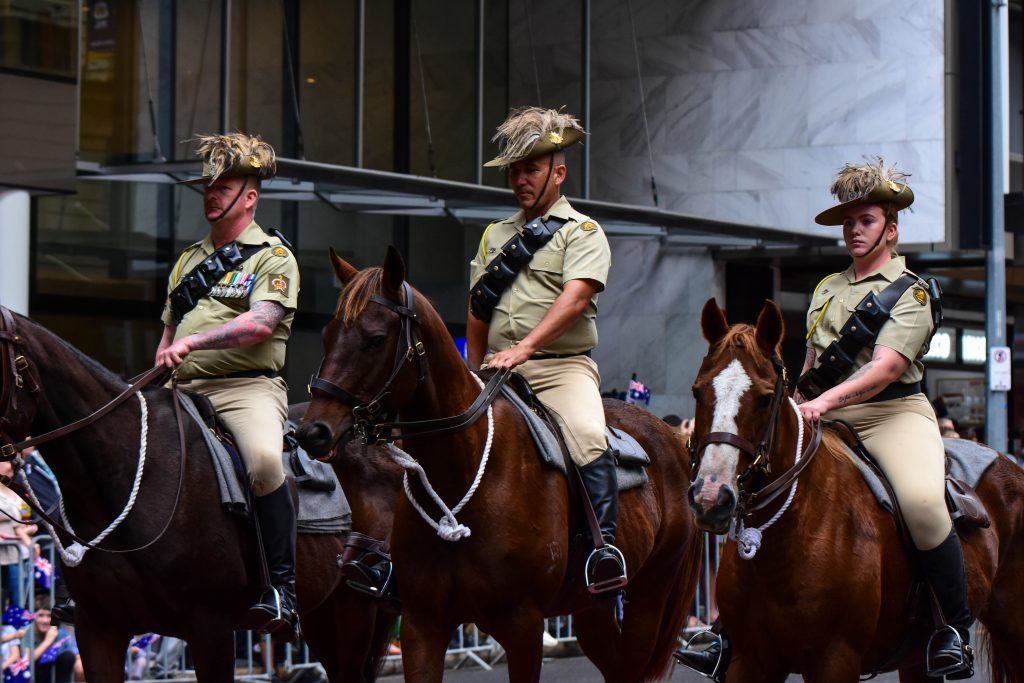
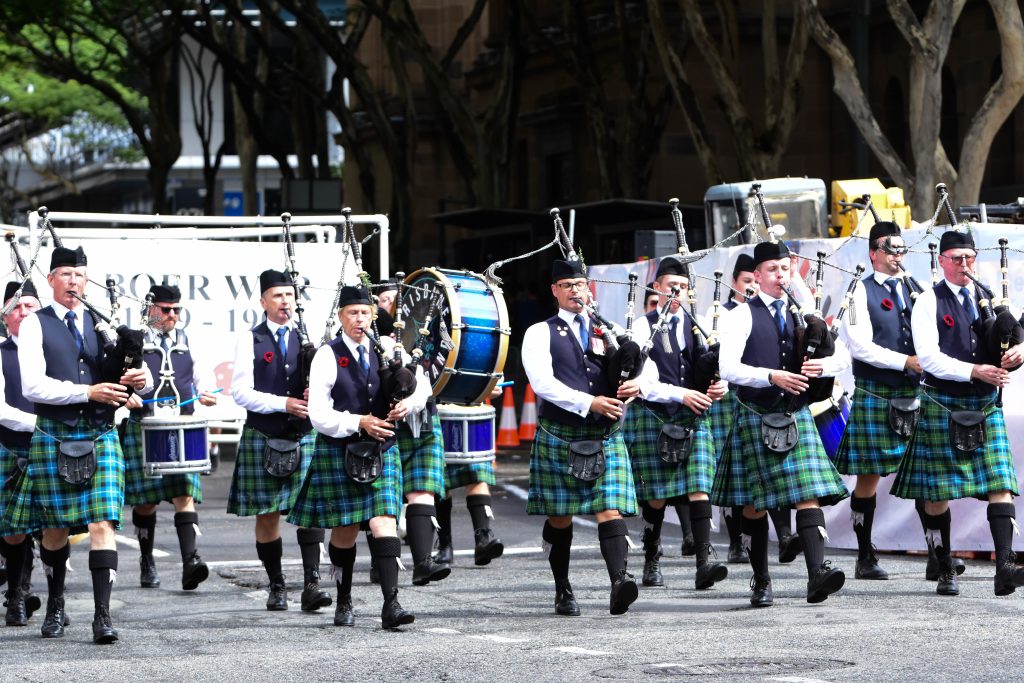
This year’s ANZAC Day Parade returns to Brisbane’s CBD on Saturday, 25 April, marking three landmark anniversaries: 125 years of the Royal Australian Navy, 111 years since the Gallipoli landings, and 110 years since the first ANZAC Day Parade held on Australian soil.

The procession steps off at 9:45am with the reading of the declaration at King George Square, weaving through George Street, Adelaide Street, and Creek Street before concluding at 12:30pm. More than 2,000 serving Navy, Army and Air Force personnel, alongside veterans, descendants, youth organisations and community groups, are expected to march.


Read: ANZAC Day: The Resilience of Cecily Lydia Fearnley, Brisbane Girls’ Grammar Alumna


For spectators, Adelaide and Creek Streets offer the best vantage points, with accessible viewing areas available along the route. The parade will also be broadcast live for those unable to attend in person.

A Year of Significant Anniversaries

Photo supplied

In 2026, three significant anniversaries converge within the one commemoration.

The Royal Australian Navy, which traces its origins to the Commonwealth Naval Forces before being formally established in 1911, turns 125 this year. Over that time, the Navy has defended Australia’s shores, supported global security, and served on humanitarian and peacekeeping missions worldwide.

Photo supplied

Australia also reflects on 111 years since the Gallipoli landings, recognising the bravery of those who fought in a chapter of the ANZAC legacy that echoes across generations. And in a remarkable piece of local history, Brisbane holds the distinction of having hosted Australia’s very first ANZAC Day Parade, 110 years ago.

‘Australia’s Story of Service Belongs to All of Us’

ANZAC Day Parade
Photo supplied

ANZAC Day Parade Brisbane Committee Chairperson Kerry Gallagher AM said the 2026 event underscored that remembrance was a shared responsibility.

“This year’s anniversaries remind us that Australia’s story of service belongs to all of us,” Mr Gallagher said. “You don’t need to be a veteran to take part. If you want to honour someone who served, support the community, or simply stand in respect, this Parade welcomes you. Every person can contribute to the spirit of ANZAC Day.”

ANZAC Day Parade
Photo supplied

Event Executive Director Scott Mackie echoed the inclusive spirit of the occasion.

“On ANZAC Day, we see families, school groups, veterans, serving personnel and volunteers come together with a shared sense of purpose,” Mr Mackie said. “We have a rare opportunity in 2026 to recognise the Navy’s 125 years of service and to reflect on 111 years since Gallipoli, milestones that deepen our understanding of the sacrifices made.”

Cr Adrian Schrinner has urged locals from across the city and surrounding suburbs to come along and be part of the day.

“Brisbane is proud to have hosted Australia’s first ANZAC Day Parade 110 years ago,” Cr Schrinner said. “This year, we also mark 111 years since Gallipoli and 125 years of service from the Royal Australian Navy, milestones that highlight the depth of our city’s ANZAC legacy. The ANZAC Day Parade is for everyone, whether you’re a veteran, volunteer, family member or there to pay your respects.”


Read: Six Ways to Commemorate Anzac Day From Your Home


How to Get Involved

The 2026 parade places a renewed emphasis on community participation, inviting every Queenslander, whether marching, volunteering or spectating, to play a role in honouring the service and sacrifice of Australian and New Zealand defence personnel.

Whether you’re heading in from Fortitude Valley, New Farm, Teneriffe or further afield, organisers are encouraging everyone to come along, whether marching, volunteering or simply standing in respect.

Visit Anzac Day Parade’s website for more information.

Published 1-April-2026

Birkenstock Opens First Queensland Store In Brisbane CBD

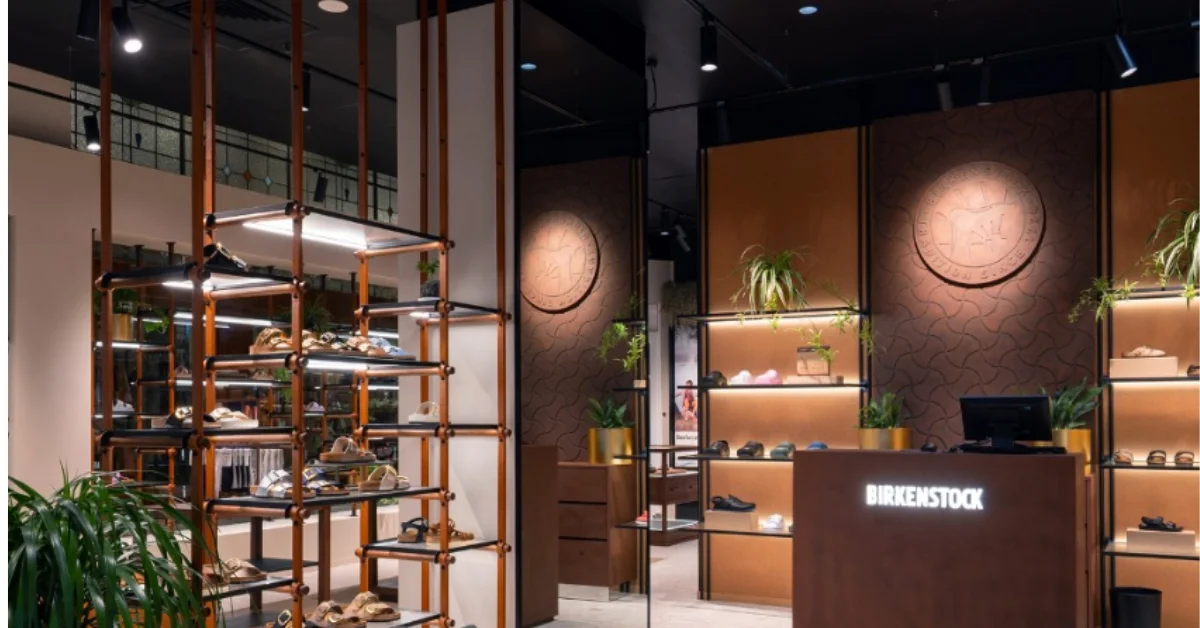
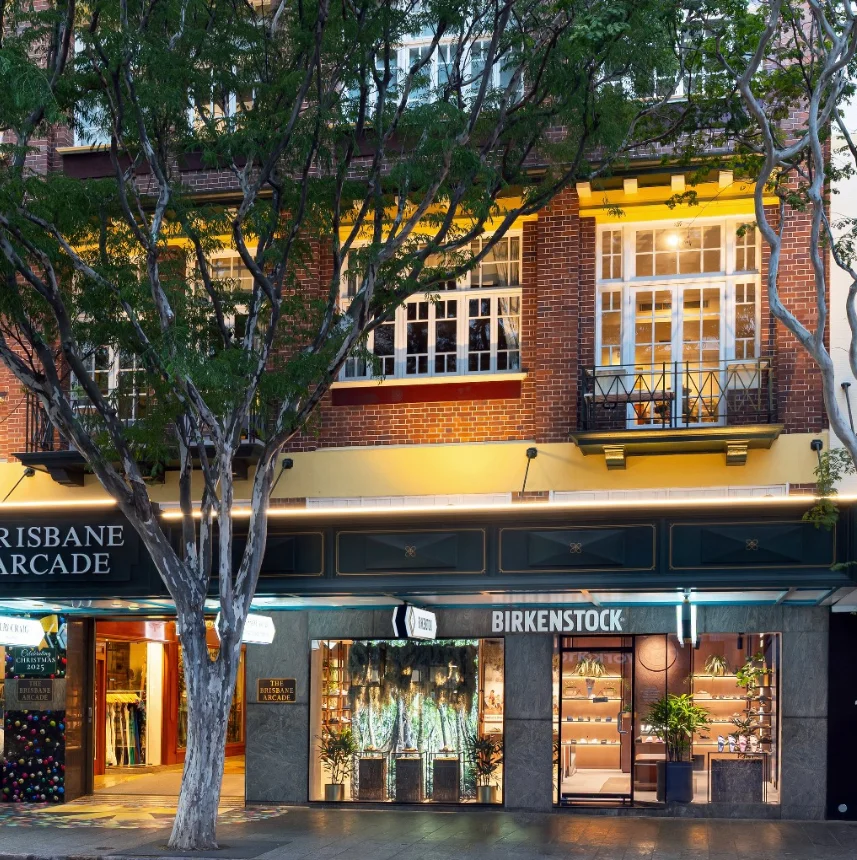
Birkenstock has opened its first Queensland store in Brisbane CBD, establishing a retail presence inside the heritage-listed Brisbane Arcade.


Brisbane CBD Location Inside Historic Arcade

The new Brisbane CBD Birkenstock store is located at Brisbane Arcade, 117 Adelaide Street. The Arcade has been heritage-listed since 1924 and has long housed fashion retailers and artisan jewellers.

Queensland retail
Photo Credit: Birkenstock/LinkedIn

The brand stated the location aligns with its longstanding focus on craftsmanship. The opening marks Birkenstock’s first official store in Queensland.

According to company information, the Brisbane CBD site operates as a partner store. The addition brings the brand’s total store count to four across Australia’s east coast. The Sydney store is also listed as a partner store, while two other locations are operated directly by the company.

footwear brand Australia
Photo Credit: Birkenstock/LinkedIn

Media Launch And Public Activation

The store opening was marked by a media evening held earlier in February 2026. Invited guests were given a preview of the retail space, with archived Birkenstock pieces displayed as part of the event.

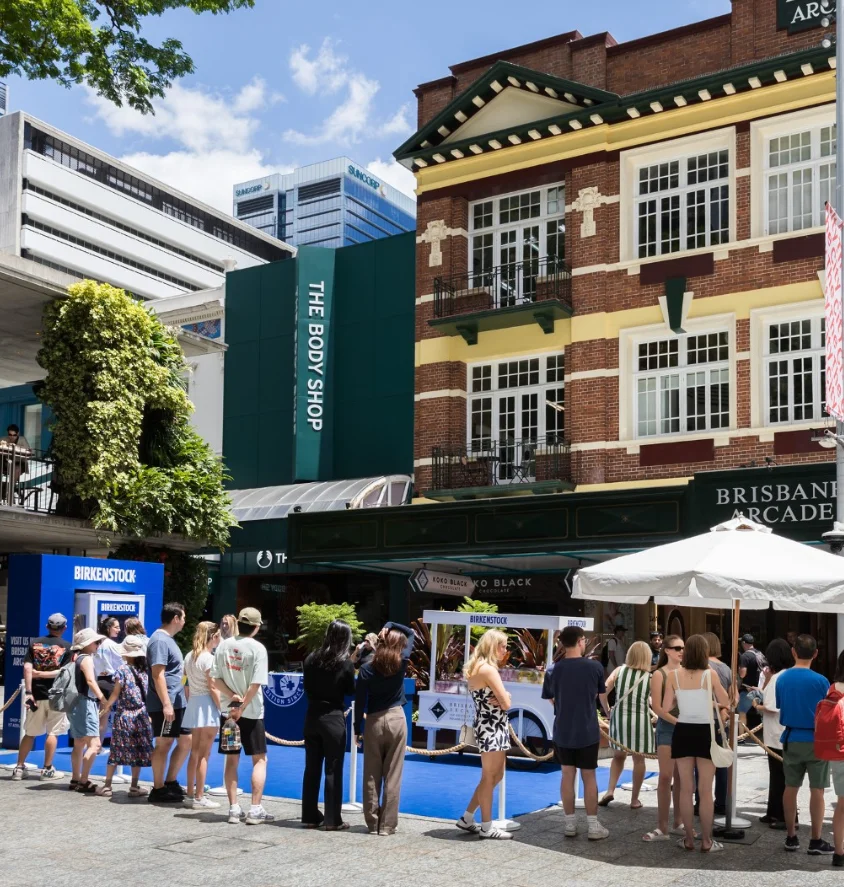
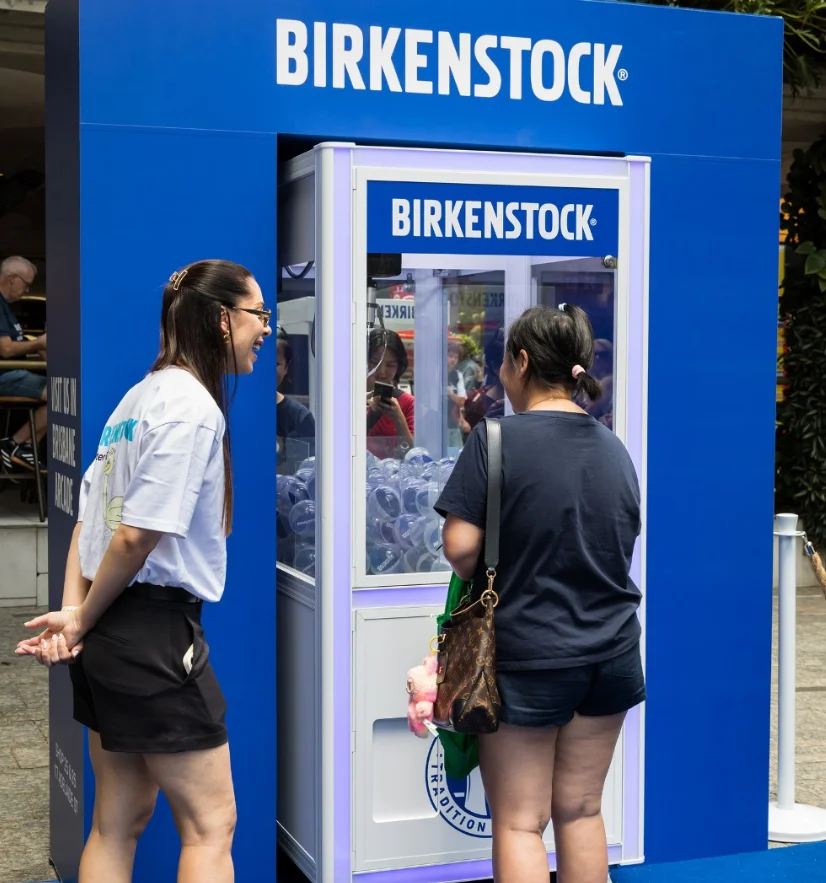
A two-day public activation followed at Queen Street Mall. The activation included a branded claw machine and complimentary refreshments. Visitors were also offered vouchers, foot care products and tote bags during the promotion.

Birkenstock Brisbane
Photo Credit: Birkenstock/LinkedIn

Acquisition Background And National Expansion

The Brisbane CBD Birkenstock opening follows the acquisition of Birkenstock Australia Pty. Ltd., the brand’s long-standing distributor. The transaction was finalised by the end of October 2025.

Birkenstock Australia has operated since the 1990s and employs around 60 staff. For the financial year ending June 30, 2025, the business recorded annual revenue of $88.6 million. The company is headquartered in Melbourne, operates an online store, and maintains a distribution network of more than 300 business-to-business partners.


The Brisbane CBD store opening continues Birkenstock’s expansion across Australia, extending the brand’s direct retail footprint into Queensland.

Published 27-Feb-2026

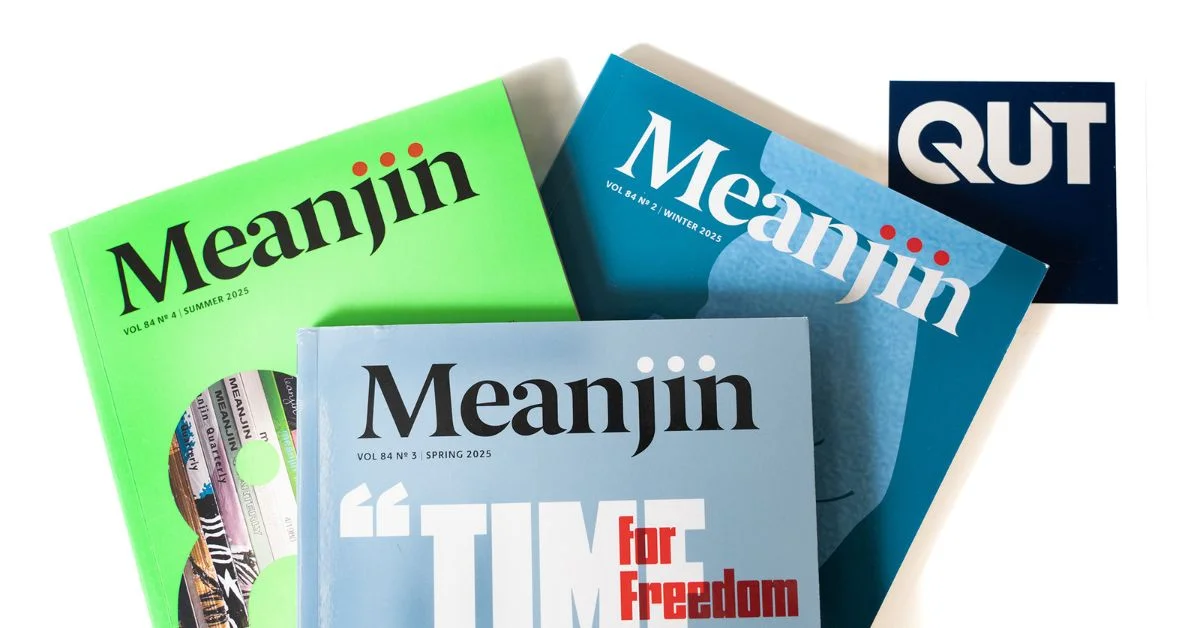
Literary Magazine Meanjin Returns to Brisbane After 80 Years Under QUT Custodianship

Queensland University of Technology at Gardens Point will become the new custodian of Meanjin, bringing Australia’s second-oldest literary magazine back to Brisbane 80 years after it relocated to Melbourne.


The 85-year-old journal is heading back to the city that gave it its name. While Clem Christesen first pulled the inaugural Meanjin Papers together in suburban Greenslopes in 1940, bringing the masthead to QUT’s Gardens Point campus marks a massive symbolic return to the heart of the river city. After 80 years in Melbourne, the journal is finally back on the Turrbal and Yugara lands where its story began.

Melbourne University Press announced in September 2025 that Meanjin would close due to financial pressures, with editor Esther Anatolitis and deputy editor Eli McLean made redundant and the final issue released in December. The announcement triggered immediate backlash from Australia’s literary community, including authors Jennifer Mills, Anna Krien, Claire G Coleman and former editors Sophie Cunningham and Jonathan Green.

Gardens Point Campus to Host National Literary Icon

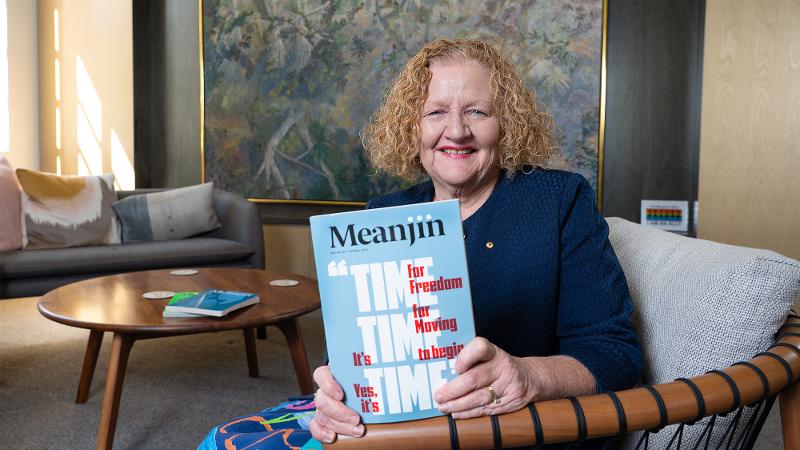
QUT Vice-Chancellor Professor Margaret Sheil said the university is delighted to bring Meanjin home to Meanjin/Magandjin, the Turrbal and Yugara word for the lands where Gardens Point campus now stands. Since its foundation, the literary magazine has been instrumental in shaping Australian literary and intellectual culture, providing a vital platform for critical discussion and a showcase for emerging writers.

Professor Margaret Sheil
Photo Credit: QUT

The university will appoint an editorial board to ensure the journal’s independence, values and standards are maintained, and will recruit an editor through a national competitive search. QUT will take time to thoughtfully re-establish the journal in Queensland and consider how to most effectively reinvigorate Meanjin while respecting its founding vision and literary legacy.

Complementing Creative Writing Programs

Professor of Creative Writing Kári Gíslason said QUT has a distinguished group of alumni writers who have gone on to become renowned Australian authors. The partnership affirms how creativity, literature and excellence in writing allow people to think deeply and connect ideas in imaginative ways to the world around them.

The journal will complement the focused, high-quality creative writing program within the QUT School of Creative Arts at Gardens Point. Meanjin’s move to QUT sends a message to students that this connection between creative excellence and intellectual engagement remains as true now as it ever was.

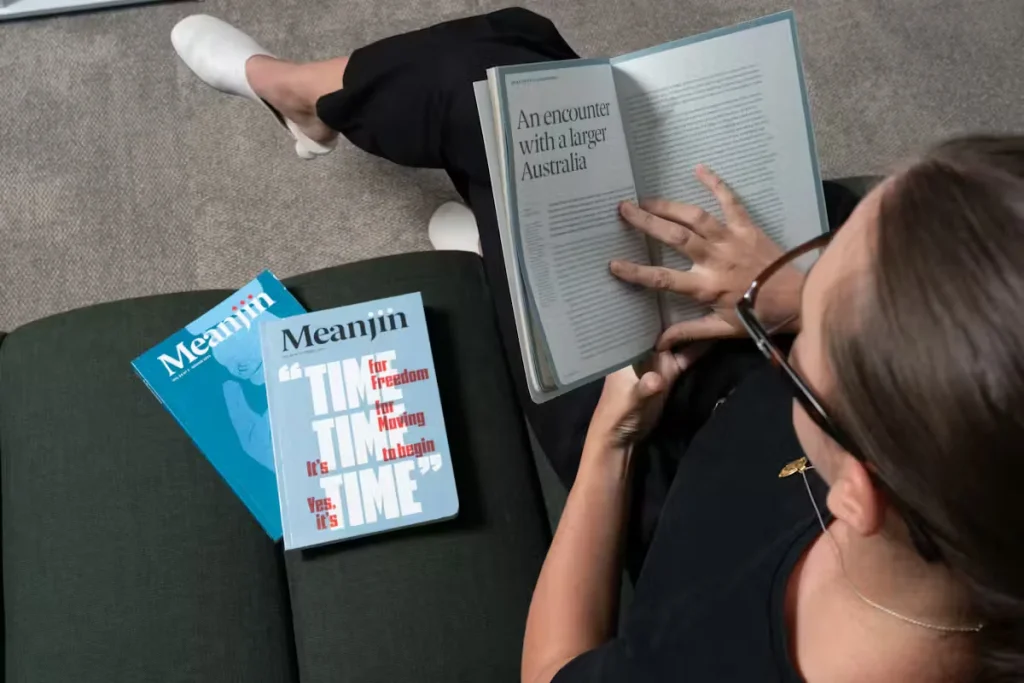
Literary magazine Meanjin
Photo Credit: QUT

Timeline for Revival Remains Open

Principal policy adviser John Byron, a published author and former executive director of the Australian Academy of the Humanities, said rehoming the journal will take considerable work and QUT will take the time to do it properly. The university is a long way off releasing the next issue, as it has no editor, production staff or editorial board yet, but will get there.

The transfer is already underway and work now begins in earnest. QUT understands the scale of the privilege it has been afforded and will take good care of Meanjin, Byron said.

Literary Community Response

Former Meanjin editor Jonathan Green said the news of the journal’s return was a delightful surprise and it is lovely to think the literary magazine will be journeying back to Brisbane where its adventure began. Academic Ben Eltham, a long-running contributor, called the return a victory for everyone who fought to save this vital masthead for the future of Australian literature.

The timing aligns with Queensland’s plans to elevate the creative economy, support local talent and showcase the state’s unique stories and culture to a global audience ahead of the Brisbane 2032 Olympic and Paralympic Games. Melbourne University Press Chair Warren Bebbington said QUT’s understanding of the journal’s legacy surpassed those of other expressions of interest received from organizations wanting to take over the publication.


Published 16-February-2026.

Brisbane Artist Renee Kire Brings Colour and Movement to Museum of Brisbane Entryway

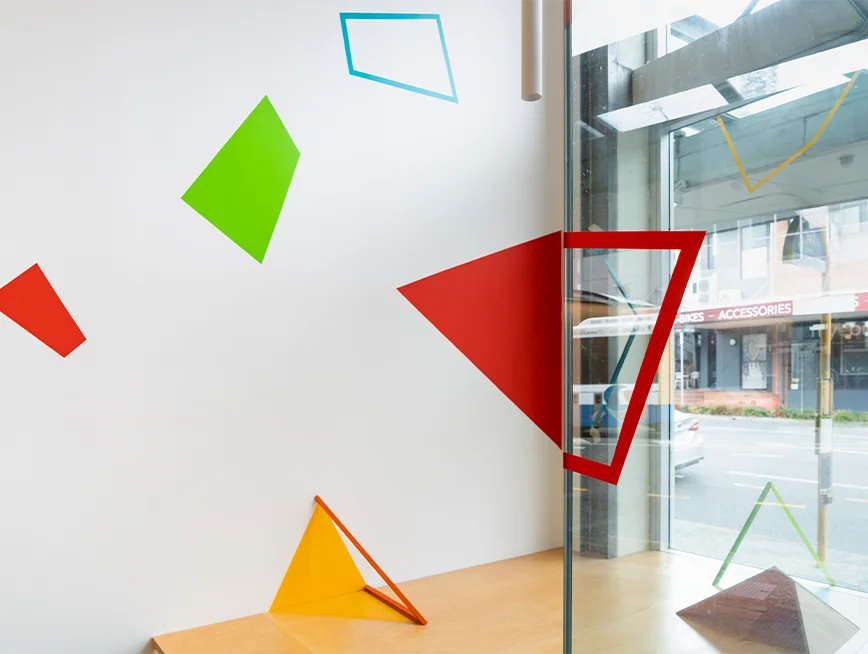
Brisbane-based artist Renee Kire is transforming the Museum of Brisbane entryway with bold vinyl graphics and sculptural timber elements as the institution’s first Artist in Residence for 2026.


From March 6, visitors entering the Level 3 City Hall space will encounter Kire’s large-scale installation splashing colour, rhythm and movement across walls and ceilings in the museum’s main thoroughfare. The project marks ten years since the artist moved from the Sunshine Coast to Brisbane to pursue her creative career.

The installation responds directly to the architecture of City Hall and the surrounding cityscape visible from the museum. Kire describes being initially overwhelmed by the amount of space available but came to appreciate the character of the historic building, noting no two walls are the same with numerous different planes and angles shaping her approach to forms, colours and interactions.

Working within a heritage-listed building presented challenges including restrictions on what could and couldn’t be done to the space. Kire notes the most difficult aspect became developing the works digitally and translating scale from screen to real life, requiring adjustments to how forms, colours and interactions would exist in the physical space.

Approach and Philosophy

Renee Kire approaches Minimalism from a contemporary feminist perspective, themes that she says remain central to why she creates. These influences shape each project she undertakes, whether explicitly stated or operating beneath the surface. For this installation, thinking through Minimalist and feminist lenses guided the forms, colours and interactions she developed, encouraging repetition and inclusivity for all visitors.

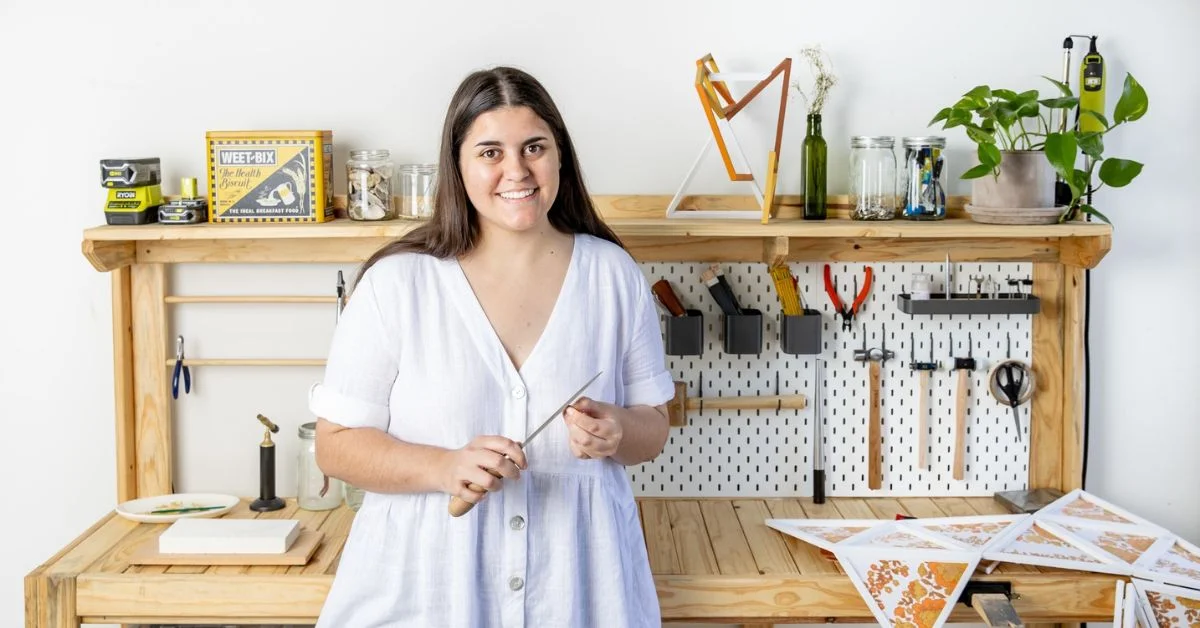
Renee Kire
Photo Credit: Louis Lim / Museum of Brisbane

The artist creates work intended to be accessible across ages and backgrounds rather than targeting specific audiences. Her two-year-old niece responds to colours while her grandmother appreciates composition and how different shapes interact. Kire hopes her work sparks curiosity for anyone who encounters it, whoever they are.

Her practice often encourages people to slow down and look closely at their surroundings. In the busy transitional space of the museum entrance, she hopes the forms and colours will catch attention and invite people to pause momentarily to notice details they might otherwise miss in a heritage building space many pass through without close observation.

Community Participation Element

Part of the installation will be co-created with the community through hands-on workshops during the residency period. Renee Kire says she looks forward to stepping back and seeing how people interpret the shapes and colours she has been immersed in over several months of development, noting the different ways people think and create when interacting with the work.

The workshops allow Brisbane residents to contribute directly to an artwork in one of the city’s most prominent cultural institutions, creating an element of shared ownership in the finished installation.

Museum of Brisbane Context

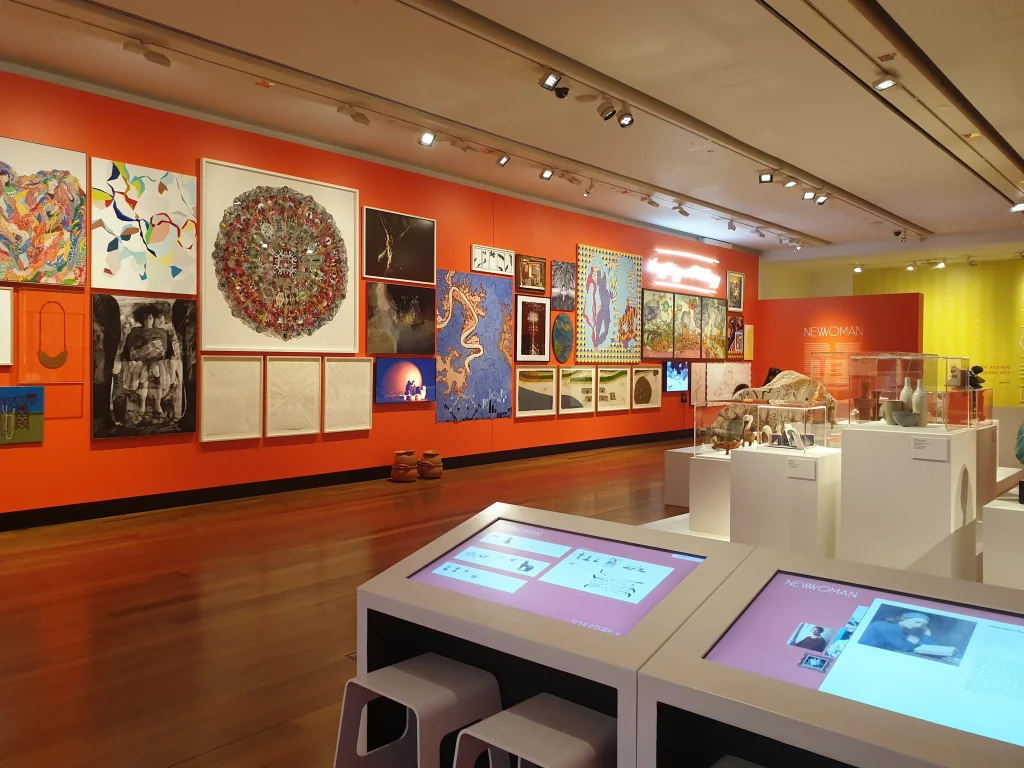
Museum of Brisbane occupies Level 3 of Brisbane City Hall at King George Square, serving as the city’s leading history and art museum. The institution presents exhibitions, events, workshops and tours exploring Brisbane’s art, culture and social history. The museum is open 10am to 5pm during weekdays and weekends with free general admission.

Museum of Brisbane
Photo Credit: Danielle Berry / Google Maps

The Artist in Residency program, supported by Tim Fairfax AC, provides opportunities for artists to create site-specific works within the museum environment. The program demonstrates the museum’s commitment to supporting contemporary Brisbane artists while enhancing the visitor experience through temporary installations in museum spaces.

City Hall itself holds significance as one of Brisbane’s most recognisable heritage buildings in the CBD. The building’s distinctive clock tower and classical architecture make it a landmark for both visitors and residents navigating central Brisbane. The museum’s location within City Hall adds layers of historical context to contemporary art installations like Kire’s project.

Previous Work and Recognition

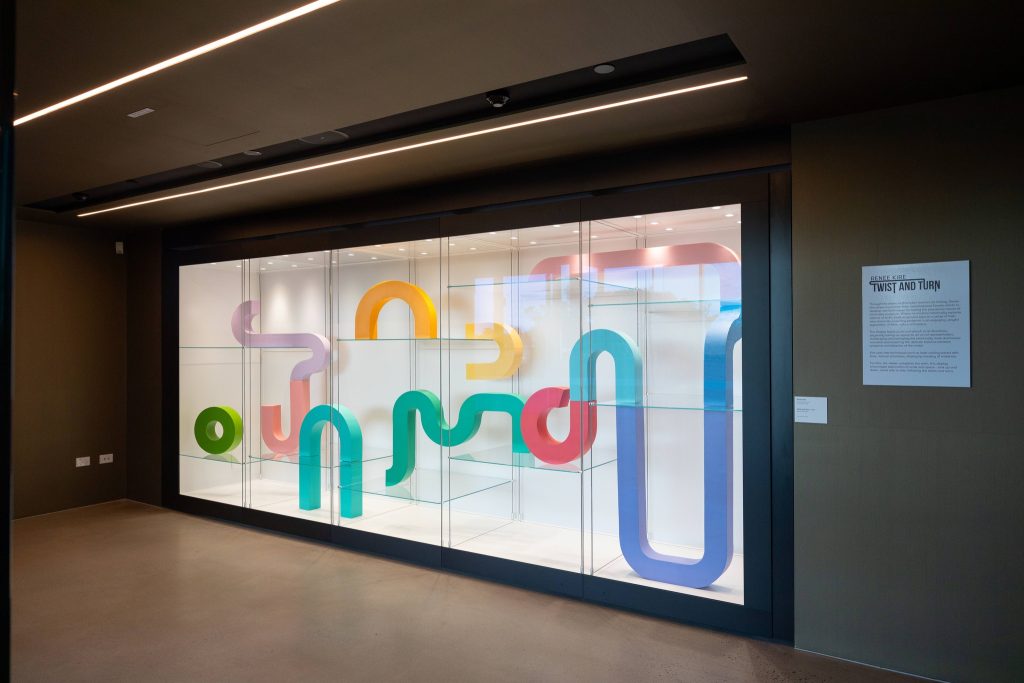
Renee Kire works from her East Brisbane studio creating sculptural forms that explore playful curves and interactions. Reviews of her previous exhibition at Rockhampton Museum of Art noted her consistent employment of large-scale aesthetics and soft pastel colour palettes.

Twist and Turns by Renee Kire
Photo Credit: Rockchampton Museum of Art / Facebook

Her work has been compared to feminist minimalist sculpture, presenting what critics describe as a positive approach to domestic spaces through curves that invite interaction.

The curved prisms in her work require higher woodworking skills to create. Apart from some computer numerical control cutting, Kire painstakingly fashions the forms herself. Her constructions feature bends singular in direction and plane, with aspects twisted across additional axes by aligning consecutive sections at right angles, creating what observers describe as squiggle-like forms that could transport viewers back to childhood memories.

Shifting Perspectives by Renee Kire
Photo Credit: Louis Lim / Museum of Brisbane

The Museum of Brisbane residency represents Kire’s largest and most public commission to date, positioning her work where thousands of visitors will encounter it as they access exhibitions and programs throughout the six-month installation period.

Repeat Visitor Experience

Because the work forms part of the museum’s everyday environment rather than a discrete exhibition, visitors may encounter it multiple times. Renee Kire hopes people experience the space the way she did while developing the work, discovering new details each visit in what might otherwise be an overlooked transitional area.

She notes that each time she spent time in the entrance during development, new details emerged including subtle shifts in light, repetitive nature of shapes, and small architectural features she had not noticed before. Repeat visits should allow people to discover these layers and notice something new each time they pass through.

The installation runs from March 6 through September 6, 2026, providing a substantial timeframe for both regular museum visitors and Brisbane CBD workers to engage with the work multiple times across changing seasons and light conditions.

Accessibility and Public Engagement

The entrance location ensures maximum visibility and accessibility for the installation. Unlike gallery-based exhibitions that require deliberate visits, Kire’s work will be encountered by everyone accessing Museum of Brisbane programs including school groups, tourists, families and regular visitors to City Hall.

This positioning aligns with broader movements in contemporary art practice toward engaging public audiences in everyday spaces rather than exclusively within traditional gallery contexts. The installation demonstrates how temporary public art can activate heritage buildings and enhance visitor experiences in cultural institutions.

For Fortitude Valley and Brisbane CBD residents who regularly visit City Hall for various civic purposes beyond museum attendance, the installation adds an element of visual interest and creative energy to a familiar heritage building. The work contributes to Brisbane’s identity as a city supporting contemporary artistic practice alongside preservation of historic architecture.

More information about the workshop is available here.


Published 07-February-2026.

Brisbane City and Kangaroo Point Riverwalk Restored After Long Closure

Brisbane City and Kangaroo Point are now reconnected along a major riverfront route, with the upgraded CBD Riverwalk reopening and restoring a direct walking and cycling link near the Kangaroo Point Bridge approaches.


The upgraded strip was fenced off since 2023 during works at the Waterfront Brisbane site. Developers say the reopened section will connect Charlotte Street to Alice Street, restoring a continuous riverside route from the Story Bridge to the City Botanic Gardens.

A wider shared path through Brisbane City

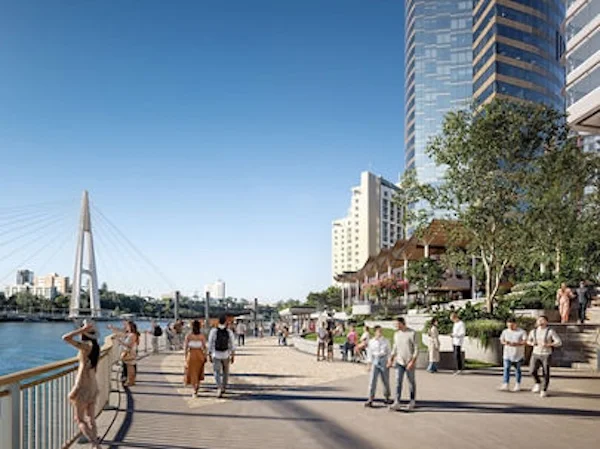
The reopened section runs between the Riparian building and the Stamford Plaza area, giving people a direct riverside connection between the ends of Charlotte and Alice streets. Plans for the rebuilt walkway show it reaching up to 15 metres wide in places, with new concrete paths and steel railings designed for both commuters and recreational users.

Project information released for Waterfront Brisbane describes the rebuilt Riverwalk as a shared zone for pedestrians and cyclists, with multiple access points intended to improve movement between Eagle Street and the river’s edge.

Photo Credit: Waterfront

This part of the Riverwalk is near the city-side access to the Kangaroo Point Bridge, which links Scott Street in Kangaroo Point to the corner of Alice Street and Edward Street in the CBD. With the Riverwalk section reopening, walkers and riders should have a more direct route along the waterfront and into the bridge approaches, rather than relying on detours.

The closure has been a sore point for some active transport users, with community cycling groups previously raising concerns about a key public route being blocked for a private development.

Work continues…

While the Riverwalk section is returning soon, work around it will continue. Hoardings are expected to screen construction activity linked to the broader Waterfront Brisbane build as works progress toward an estimated late 2028 completion.

The wider riverfront plan includes new public space and future dining areas set back from the path, along with landscaping described as subtropical or tropical in style. Plans also flag cyclist end-of-trip facilities, including bike storage and e-bike servicing. Developers say the rebuilt public realm is being shaped to keep the walkway usable while the larger site takes shape.

Photo Credit: Waterfront

The bigger development beside it

The Riverwalk works sit alongside Waterfront Brisbane, a major redevelopment of the former Eagle Street Pier precinct, led by Dexus with builder John Holland. Public project material describes a future mix of two office towers, retail, food venues and public space, with the Riverwalk intended to be a key part of how people move through the area. John Holland previously confirmed its involvement in the project’s stage works on its company update page.

Dexus has previously cited weather and the complexity of building alongside the river as factors behind delays and cost pressures, while stating that the Riverwalk reopening has been prioritized.

Nearby routes are reopening, too

The Riverwalk announcement follows recent changes to other key pedestrian links, including ongoing works associated with the Story Bridge restoration program, which Brisbane City Council says has delivered new footpath decking and accessibility upgrades as part of longer-term works.


For regular CBD walkers, office workers, and riders commuting between Brisbane City and Kangaroo Point, the Riverwalk reopening is set to bring back a familiar waterfront line — now rebuilt to handle heavier daily use.

Published 29-Jan-2026