



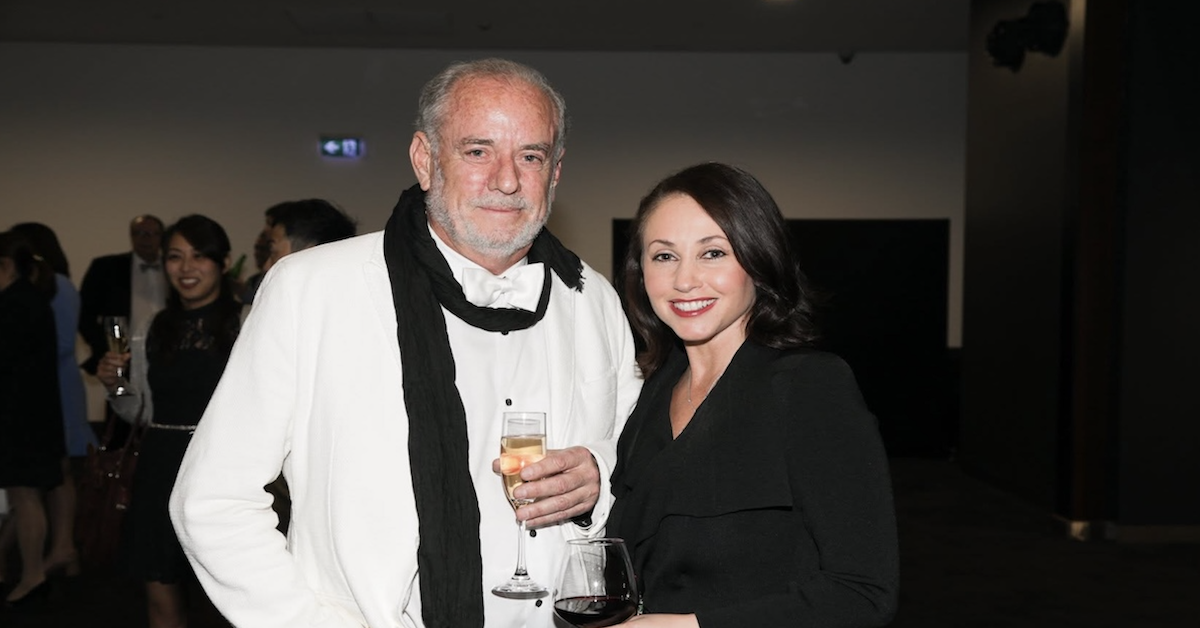
John Kilroy, Who Helped Shape Brisbane’s Dining Culture, Dies at 73

For many Brisbane diners, a meal at Cha Cha Char was more than a steak dinner. It was where business lunches were held, milestones were celebrated and visitors experienced a city whose food scene was coming into its own. Behind much of that rhythm was John “Killer” Kilroy.


Born on a grazing property in western Queensland, Kilroy brought his country roots into a hospitality career that spanned more than four decades. He became one of the restaurateurs credited with helping shape Brisbane’s dining culture by championing Queensland beef, supporting local producers and creating venues that became part of the city’s story.

Now, Kilroy is being remembered not only for the restaurants he built, but for the influence he had on Brisbane’s hospitality industry.

Kilroy died at the age of 73 after being reported missing in Brisbane on Monday, 29 June 2026. Queensland Police said officers found the body of a 73-year-old man in a car park near Howard Street in Brisbane City after receiving a missing person’s report earlier that day. Police said the death is not being treated as suspicious and that a report will be prepared for the coroner.

A country upbringing shaped his philosophy

Kilroy believed diners should know where their food came from, especially the beef that became the centrepiece of his restaurants. He was among the early Brisbane restaurateurs to identify the properties supplying the beef on his menus, strengthening the connection between Queensland producers and the dining experience.

Over more than 40 years, he owned and operated pubs, restaurants and function venues across Queensland, earning respect for his business knowledge and commitment to customer service.

The restaurant that became a Brisbane landmark

When Cha Cha Char opened at Eagle Street in 1997, Brisbane’s restaurant scene was growing rapidly. Over the next two decades, the steakhouse became one of the city’s best-known dining destinations, welcoming business leaders, politicians, visiting celebrities, interstate travellers and families marking special occasions.
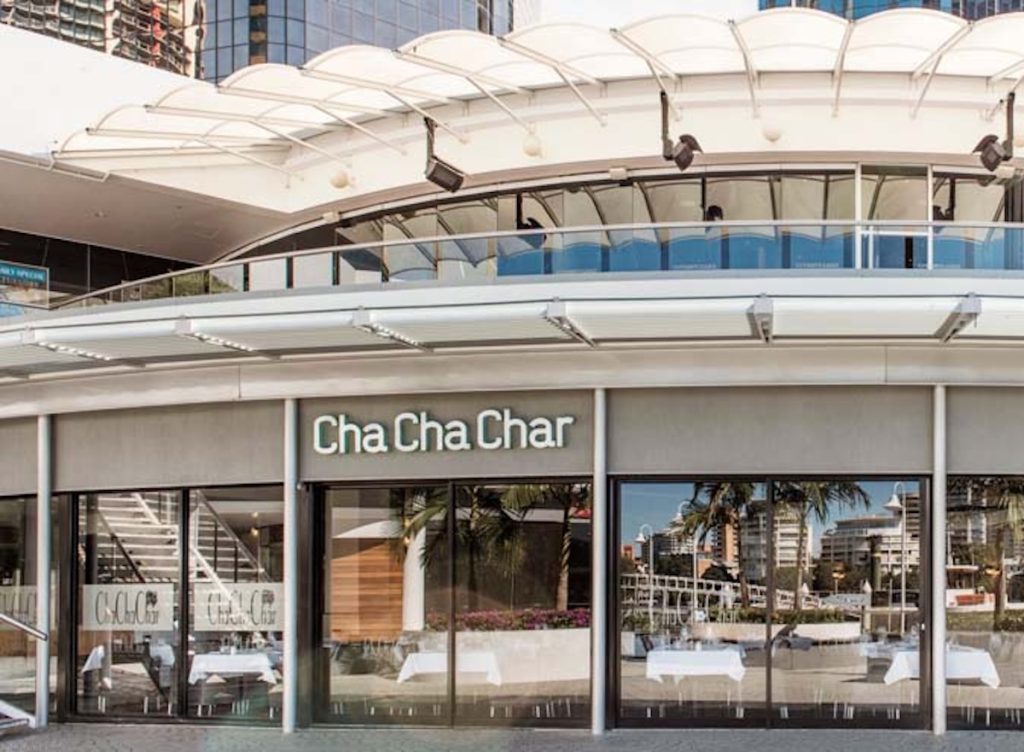
Cha Cha Char owned by John Kilroy
Photo Credit: Hidden City Secrets

Kilroy combined premium Australian beef with attentive service and a welcoming atmosphere. After selling Cha Cha Char in 2020, he retired to Hervey Bay, leaving behind a restaurant that had become closely associated with Brisbane hospitality.

Tributes reflect a career built on respect

The tributes that followed news of Kilroy’s death reflected the regard he earned throughout Queensland’s hospitality industry.

Long-time friend and fellow restaurateur Andy Georges remembered operating alongside Kilroy at Eagle Street, describing him as someone who valued friendship over rivalry.

Hairdressing entrepreneur Steve “Stefan” Ackerie remembered Kilroy as a generous and colourful host whose restaurants reflected his personality.

Gambaro Group director John Gambaro described Kilroy as one of the pioneers who helped shape Brisbane’s restaurant industry, while former employees, customers and fellow hospitality workers remembered him as someone who gave people opportunities and made a lasting impression.

His final days in Brisbane

Media reports said Kilroy had been staying with friends in Brisbane while receiving cancer treatment.

Friends quoted in those reports said he went for a walk on Sunday evening but did not return, prompting a missing person’s report and a police search.


A lasting place in Brisbane’s story

John Kilroy’s legacy extends well beyond the restaurants he owned. It lives on in the Queensland producers he supported, the hospitality professionals whose careers crossed his path and the memories created by thousands of diners who gathered around his tables.

Published 1-July-2026

Multi-Level Dining Precinct to Transform Heritage Site in Brisbane City

The Coal Board building, a heritage-listed building in the Brisbane CBD, is set to be transformed into a multi-level dining precinct and hospitality hub.


The former Coal Board Building, located at 169 Mary Street, has a rich history dating back to 1887-1888 when it was constructed as a warehouse for Queensland pastoralists and city officials William Allan and William Graham. 

Brisbane City Heritage Site
Photo Credit: DA/A006671505

The land was originally granted to John Balfour in 1852, before being acquired by Allan in 1885, with Graham joining as co-owner in 1887. Both men were involved in several business ventures, including the Royal Bank of Queensland, established in 1885, and their partnership with BD Morehead & Co. Designed by architect Richard Gailey, the building reflects the rapid commercial expansion of Brisbane during the 1880s. 

Its location near the wharves of the Brisbane River made it a key part of the warehouse precinct that emerged in the area, alongside other notable buildings such as the Metro Arts Building and Spencer’s Building. 

Over the years, the building has housed a variety of tenants, including J & B Sniders, importers of china and glass, and McMurtie & Co., boot manufacturers. In recent years, the site has been home to hospitality venues such as the Buffalo Bar, reflecting the area’s evolving commercial landscape.

Brisbane City dining precinct
Photo Credit: DA/A006671505

Breathing New Life Into Historic Spaces 

The transformation of the 130-year-old Coal Board Building is being spearheaded by Anyday Group, known for popular venues like Agnes, Honto, Same Same, Bianca, and Agnes Bakery. 

Based on the development application (A006671505) submitted to BCC, the building would soon house a multi-level dining precinct featuring multiple distinct restaurants and bars.

The architectural design is being handled by J.AR Office, recognised for their work on Central, Gerard’s Bistro, and the newly opened Norte and Sueno, with interiors curated by Tamsin Johnson, whose signature style can be seen in Rae’s Guesthouse in Byron.

Brisbane City Heritage Site transforms to dining area
Photo Credit: DA/A006671505

The proposed development aims to retain and adapt the historic building’s architectural elements while introducing new uses that cater to the dynamic hospitality scene of Brisbane City. The approved plans include:

  • Preserving the building’s iconic late Victorian façade and original brick archways.
  • Reversing the previous plan to enclose existing arched openings within the internal party wall on Levels 1 and 2, ensuring open circulation.
  • Introducing a window-style wall opening on Level 1 to enhance staff visibility and serving efficiency.
  • Removing a previously approved rectilinear wall opening on Level 2, as it is no longer required for internal circulation.
Level 1 floor plan for new dining area at 169 Mary Street
Photo Credit: DA/A006671505
Level 2 floor plan for new dining area at 169 Mary Street
Photo Credit: DA/A006671505
Archway inside the heritage building
Photo Credit: DA/A006671505

Exploring Alternatives: A Careful Balancing Act

169 Mary Street heritage site proposed building plans
Photo Credit: DA/A006671505

Earlier proposals included fully enclosing the internal archways to create separate commercial spaces; however, the current plan prioritises maintaining open circulation to enhance the visitor experience while respecting the building’s historical integrity.

What to Expect Next 

With approvals in place, construction work is expected to commence in the coming months, focusing on preserving the site’s architectural significance while ensuring compliance with heritage regulations. 


The new multi-level dining precinct is anticipated to open in 2025, offering a unique blend of heritage charm and contemporary hospitality experiences.

Published 21-Jan-2025