



Brisbane Gets a Blooming Good Surprise as CJ Hendry’s Flower Shop Arrives

CJ Hendry’s Flower Shop, the travelling pop-up that drew hour-long queues at Sydney’s Royal Botanic Garden last month, is heading to Fortitude Valley as the only other Australian stop on its 2026 tour.


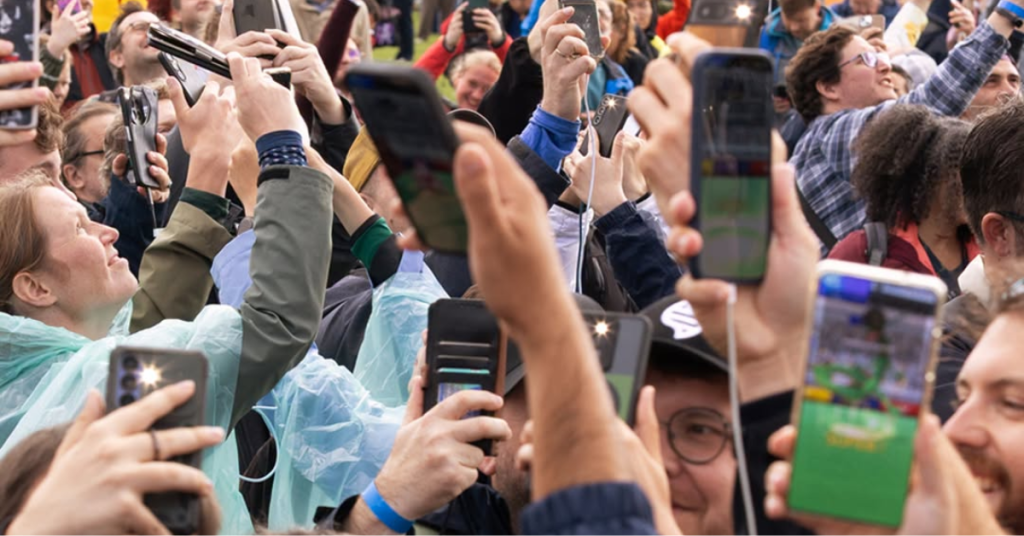
The pop-up will run at 1 Arthur Street from 25 June to 12 July. Every fabric flower costs $5, and every visitor receives one free on entry. There is no limit on how many you can buy. If Sydney’s response is any guide, Fortitude Valley could be in for some serious foot traffic.

Hendry quietly announced the Brisbane dates through her online calendar, and locals were quick to take notice.

From Brisbane to Brooklyn

Hendry was born in South Africa and raised in Brisbane, studying architecture at QUT and also finance, before walking away from both to pursue art full-time in 2013.

She sold her designer wardrobe on eBay to fund the transition, drew from early morning until late at night seven days a week, and built a following entirely through Instagram before galleries or representation entered the picture.

By 2015 she had relocated to New York, where she is now based in Brooklyn. Her hyperrealistic large-scale drawings of luxury objects, rendered in her signature layered scribbling technique, command five to six-figure prices from collectors internationally. Her right hand is insured for $10 million.

She has described Brisbane as the place where she can simply switch off. “Brisbane is very calming for me,” she has said. The Flower Shop returning here is not an accident.

Inside the Flower Shop

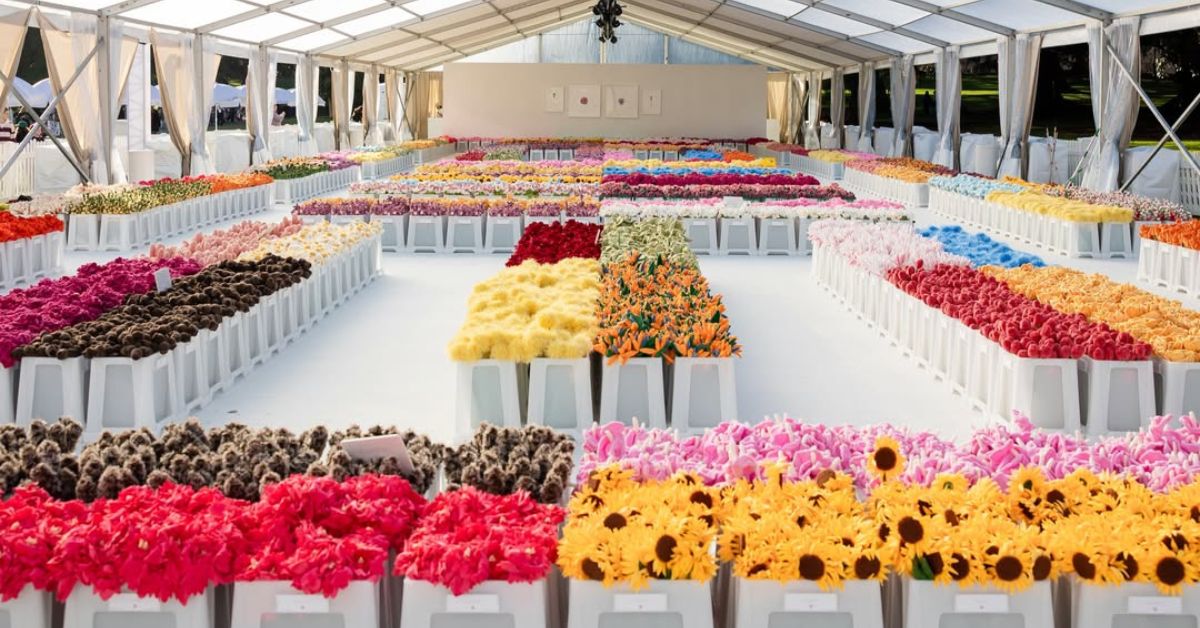
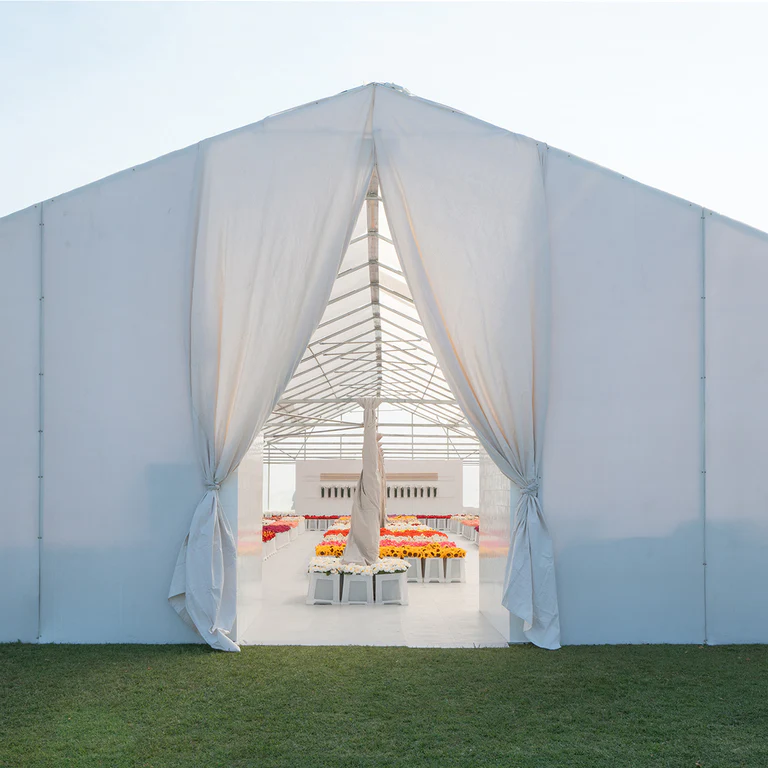
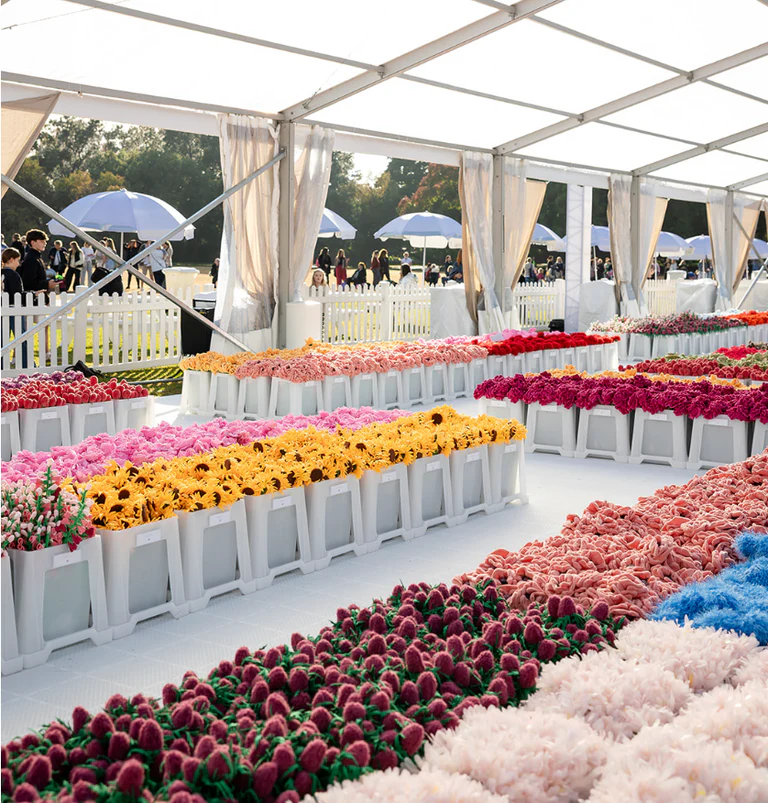
The Flower Shop is an in-person-only travelling market built entirely around Hendry’s fabric flowers, each one handcrafted from felt and fabric in different shapes, sizes, colours and textures.

Buckets overflow with blooms of every variety imaginable: classic roses and tulips alongside more surrealist forms, and Australian-exclusive designs including native florals such as wattle and gum nuts, which sold out in Sydney.

Photo Credit: @cj_hendry/Instagram

The concept draws on the same sense of play that runs through all of Hendry’s work: ordinary objects transformed into something slightly unreal, where the pleasure is in noticing the craftsmanship up close. At $5 a stem with a free flower on entry, it is also one of the more accessible encounters with a genuinely world-famous artist’s practice.

Photo Credit: @cj_hendry/Instagram

The Flower Shop has visited Singapore, Melbourne, Hong Kong and New York, where a permanent retail store now operates. Sydney and Hong Kong permanent stores are to follow. The Brisbane pop-up is a two-and-a-half week window only.

Getting there and what to bring

1 Arthur Street sits in Fortitude Valley, close to Brunswick Street and accessible from the Valley train station. Street parking is limited on weekday evenings and weekends, so public transport or rideshare is the practical choice.

Tips from the Sydney crowd: arrive early, check the Flower Shop’s Instagram before you go to shortlist your favourites, and bring something to carry your stems home in.

The CJ Hendry Flower Shop runs 25 June to 12 July at 1 Arthur Street, Fortitude Valley. Entry is free. Follow @cj_hendry for updates as opening day approaches.


Published 4-June-2026

Brisbane’s Night at The Parkland Returns Bigger Than Ever for 2026

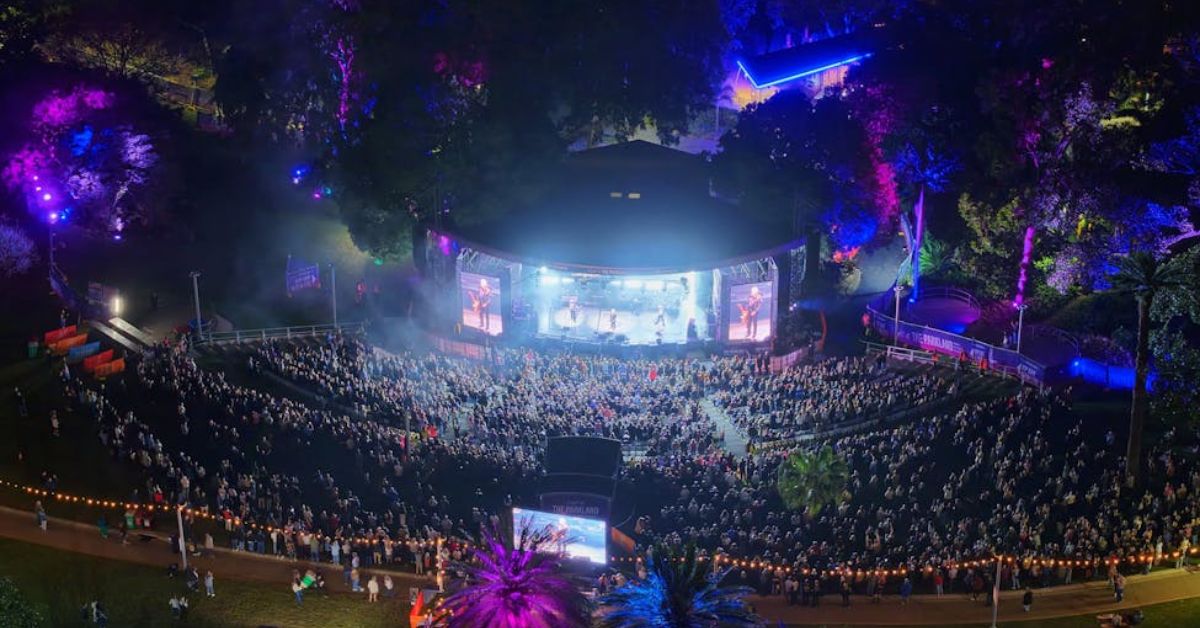
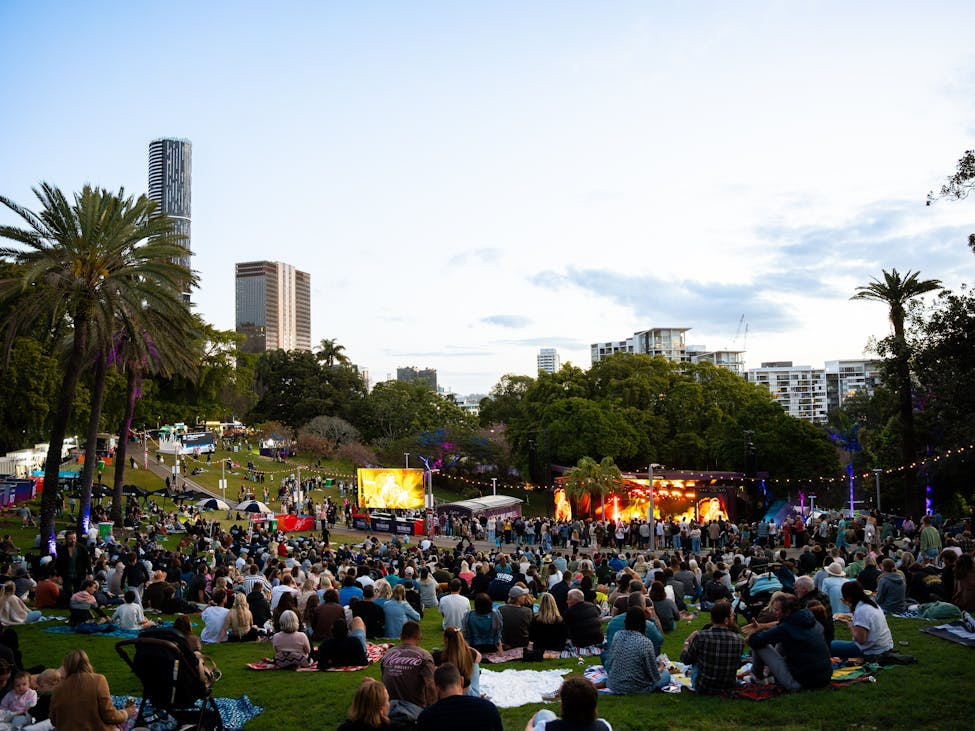
Night at The Parkland returns to Roma Street Parkland for its second season in September, bringing nine open-air concerts across three weekends as part of Brisbane Festival’s 2026 program.


The concert series, presented by Toyota in association with Brisbane Festival, runs from 4 to 20 September 2026. Organisers expanded the program following strong attendance during last year’s debut season. General public tickets go on sale from 9am on 2 June.

Promoters Second Sunday have built the 2026 lineup around a mix of Australian ARIA winners and one international headliner: Grammy-nominated American singer-songwriter Aloe Blacc, making his first Australian live appearance in seven years.

The full September schedule

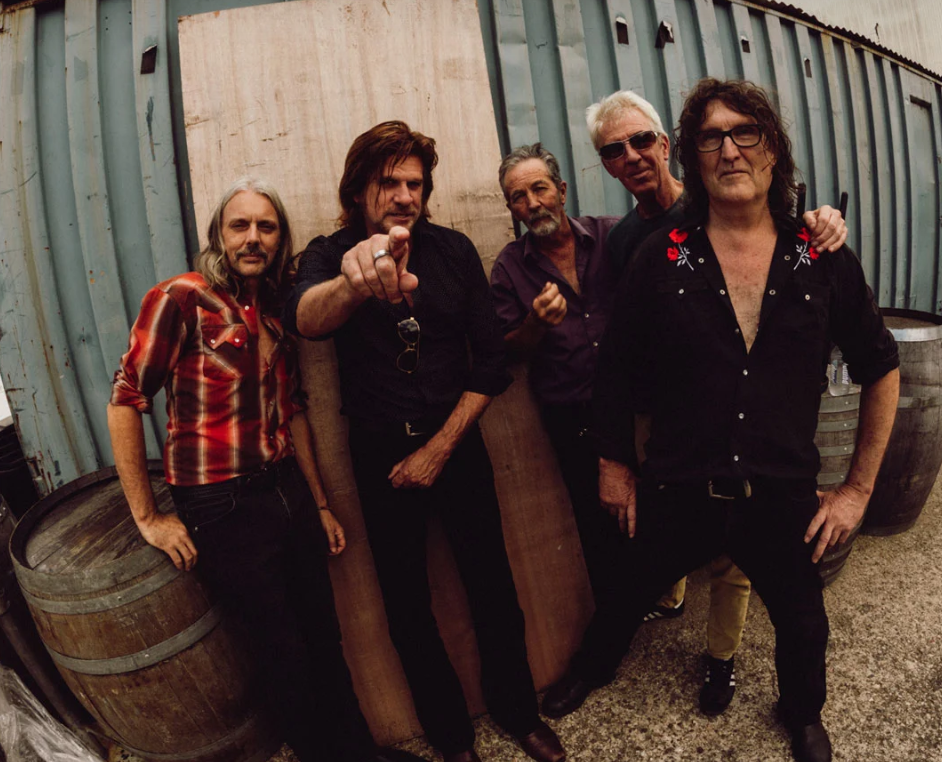
The series opens on Friday 4 September with The Cruel Sea, joined by special guests Magic Dirt, to celebrate the 30th anniversary of the double-platinum, number-one album Three Legged Dog. Katie Noonan brings her critically acclaimed Jeff Buckley’s Grace show to the parkland the following evening, fresh from a national tour of more than 25 sold-out performances.

Photo Credit: Night At The Parkland

Sunday 6 September features Yesterday’s Gone: The Fleetwood Mac Legacy, with Fanny Lumsden, Charlie Collins and Karen-Lee Andrews sharing the stage for the tribute show.

Photo Credit: Night At The Parkland

Aloe Blacc headlines Friday 11 September as part of his Wake Me Up tour. The Temper Trap follow on Saturday 12, and Human Nature bring their All The Hits Live show to the parkland on Sunday 13 September.

Photo Credit: Night At The Parkland

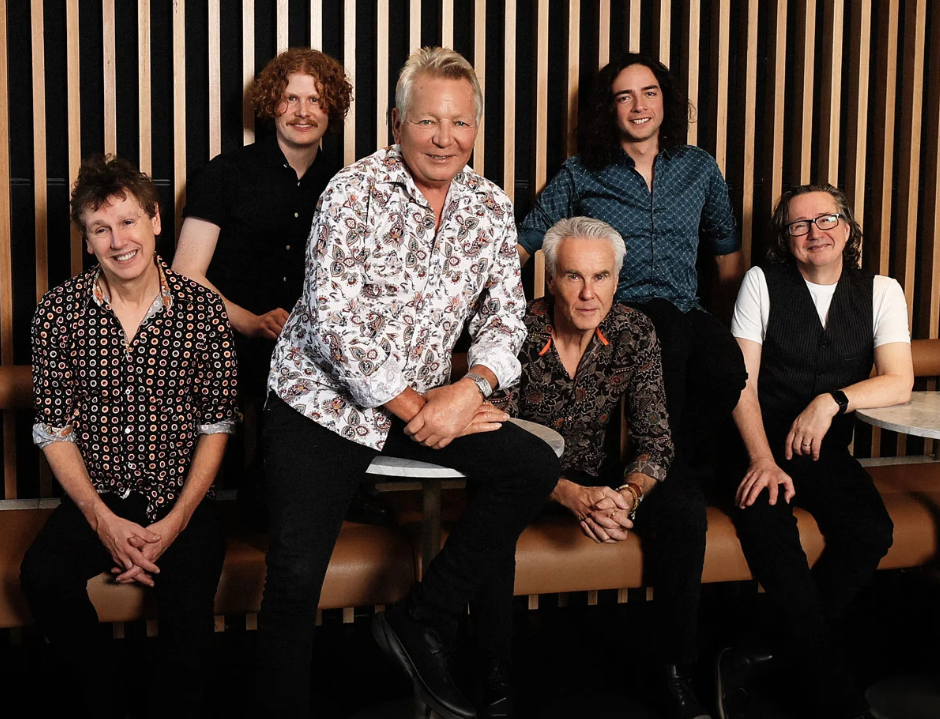
The final weekend opens with Icehouse on Friday 18 September, returning after a sold-out appearance in the 2025 season. PNAU take Saturday 19, performing an unseated, dancing-encouraged set of hits alongside tracks from their forthcoming album AHHCade, due in late July. Missy Higgins closes the series on Sunday 20 September.

Support acts across the series include Vandalism Angel, Jo Davie, Georgia Fields, Birren, Wilsn, Clea, Lastlings, Jaymon Bob, Ally Row, Kyla Belle, Alice Ivy, Hazel Mei, Jem Cassar-Daley and more.

An outdoor setting that suits the music

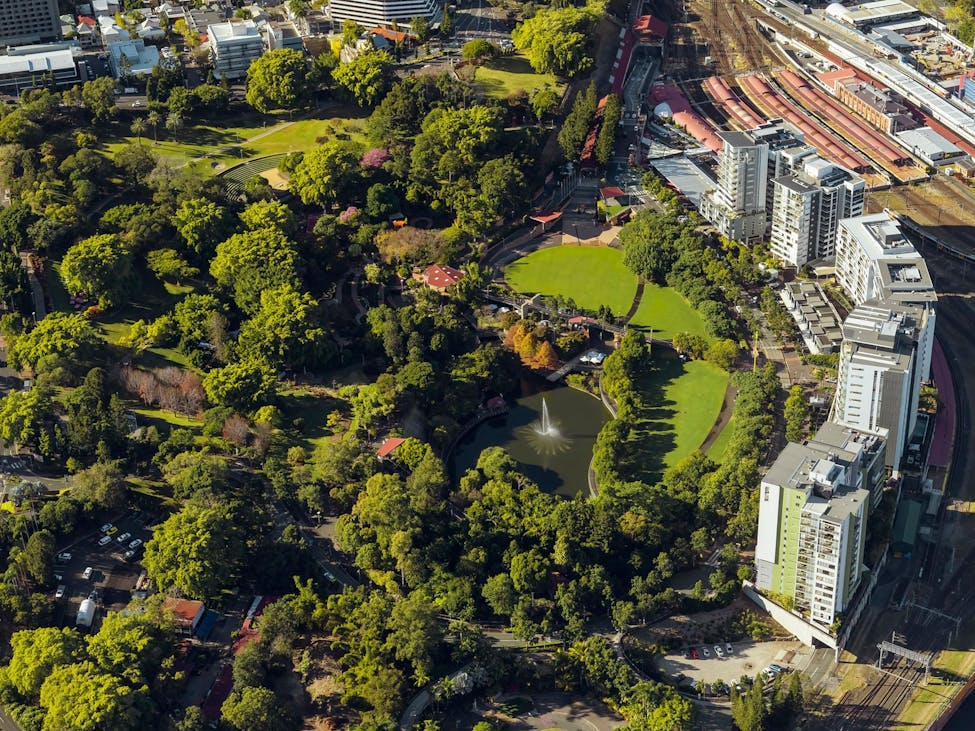
Roma Street Parkland sits at the northern edge of Brisbane’s CBD and is described as the world’s largest subtropical garden in an urban centre. The setting — tiered gardens, mature trees, open lawns — makes it a genuinely distinctive alternative to the arena circuit, and the 2025 season proved there is an appetite in Brisbane for exactly this kind of outdoor live music experience.

Second Sunday co-founder Cameron Coghlan said the expanded program reflects the response to last year’s debut. “We’re incredibly proud to see Night at The Parkland return for its second year, building on a strong debut and creating even more opportunities for audiences to enjoy great live music in a unique outdoor setting,” he said.

Brisbane Festival Artistic Director Ebony Bott added that the series had quickly established itself as a standout live music event for the city. “We’re excited to welcome Night at The Parkland back to Brisbane Festival in 2026, bigger, bolder and expanded across three incredible weekends,” she said.

Tickets and information

General public tickets go on sale today, Tuesday 2 June, at 9am AEST. Full lineup details, individual show information and tickets are available at here. Getting to Roma Street Parkland is straightforward, with trains running directly to Roma Street Station and buses servicing the underground busway or street-level stops right outside.


Published 2-June-2026

Howard Smith Wharves Expansion Approved With Brisbane’s First Over-River Pool

Artemus Group has received approval for a $500 million expansion of Howard Smith Wharves, bringing Brisbane’s first over-river swimming pool, a 106-room boutique hotel and 8,500 square metres of new public space to the heritage-listed precinct beneath the Story Bridge.


The development approval, granted this week, fires the starting gun on a transformation the Fortitude Valley precinct’s developers have been planning since lodging the application in September 2024.

Dubbed HSW 2.0, the expansion represents the most ambitious change to the site since the original $110 million redevelopment opened in November 2018, and it lands with a clear deadline in sight: the 2032 Olympic and Paralympic Games.

Brisbane’s first over-river pool

The standout element of the approved design is the over-river pool, the first of its kind in Brisbane. Positioned to extend out over the Brisbane River, the pool forms part of a broader bar and dining precinct that will replace the existing Rivershed venue.

Photo Credit: DA A006618899

Renderings show an open-air structure that puts swimmers directly above the river, with the Story Bridge and cliffs of Kangaroo Point as the backdrop.

No Brisbane venue has built a pool over the river before. The concept draws on precedents in cities like Paris, where floating pools on the Seine have long been part of how the city uses its waterway, and it fits the broader pattern of cities reclaiming their rivers as recreational infrastructure rather than industrial remnants or backdrop scenery.

Photo Credit: DA A006618899

Artemus Group founder Adam Flaskas framed the approval as a defining moment for both the precinct and Brisbane’s relationship with its river.

“This is a once-in-a-generation opportunity for Brisbane,” Flaskas said. “Howard Smith Wharves has always been about connecting people with this magnificent river, and with this announcement we take that vision to an entirely new level.”

A precinct built on Depression-era foundations

Howard Smith Wharves carries genuine historical weight. The wharves were built between 1939 and 1942 as part of a relief employment programme during the Great Depression, constructed in conjunction with the Story Bridge directly above them.

The site served the Howard Smith Co Ltd coastal shipping company until the 1960s, hosted World War II air-raid shelters, and then sat largely abandoned for decades before being listed on the Queensland Heritage Register in 1997.

Photo Credit: DA A006618899

Artemus Group secured the site in 2015 and spent three years transforming it into the vibrant precinct locals know today. The riverside hub features 13 restaurants, cafes, and bars, including Felons Brewing Co, Yoko, Greca, Stanley, and Ciao Papi, alongside Crystalbrook Vincent hotel and Howards Hall.

It became the first site in Brisbane to achieve Heritage Hero Status from the National Trust, recognised for its management of built, environmental and cultural heritage across the one development.

Photo Credit: Howard Smith Wharves

The 2018 version of Howard Smith Wharves gave the precinct its identity. HSW 2.0 is designed to deepen it.

Everything else the expansion includes

Beyond the over-river pool, the approved plans include a nine-storey, 106-room boutique hotel to be built atop a substantially upgraded Felons Barrel Hall. The revamped hall will be designed to attract larger music and entertainment events, addressing one of the current site’s capacity limitations.

Two new cliffside lifts will improve access to the precinct from Bowen Terrace above, addressing a long-standing friction point for visitors who find the staircase descent from the valley’s upper streets steep or difficult. Cascading riverfront stairs will create a more gradual connection between the precinct and the water’s edge.

Photo Credit: DA A006618899

The pontoon infrastructure, which will provide private boat mooring and improved river access for tourism operators, is designed to be flood-resilient, a significant engineering consideration for any structure built over the Brisbane River. The new public realm totals 8,500 square metres, a 30 per cent increase on the current site’s outdoor space.

Howard Smith Wharves chief executive Luke Fraser said every design decision had been guided by a single question.

“How do we create something that Brisbane will be proud to show the world in 2032 and for decades beyond?” he said.

What comes next

The full build is targeted for completion ahead of the 2032 Games. Construction timelines have not yet been confirmed publicly, though the development approval means the project can now move into detailed design and tender phases. The Bougainvillea House event venue will also be redeveloped from its current single storey into a two-storey building as part of the broader works.

Howard Smith Wharves is at 5 Boundary Street, Fortitude Valley. For updates on the HSW 2.0 development and precinct bookings, click here.


Published 28-May-2026

Agnes Unveils Biggest Menu Shake-Up Since Opening in Fortitude Valley

Agnes, the fire-driven restaurant tucked inside a heritage brick warehouse on Agnes Street in Fortitude Valley, has unveiled its most substantial menu overhaul to date, introducing 25 new dishes inspired by Spanish and Mediterranean flavours.


Agnes feels almost like it was meant to be there all along — a street with the same name, a stripped-back warehouse of brick and concrete, and a kitchen that runs entirely without gas or electricity.

Nearly six years on, Agnes has become one of the most recognised restaurants in Brisbane not by reinventing itself each season but by staying firmly committed to a single idea: fire as the only means of cooking, and produce as the only point of difference.

The new menu, unveiled in May 2026 by co-owner and culinary director Ben Williamson, does not abandon that idea. It sharpens it.

A change in the kitchen that prompted a rethink

The menu shift follows the departure of group chef Adam Wolfers, who stepped away earlier this year to take on a similar creative role at Sydney restaurant group Esca. Wolfers had been a significant part of Agnes’s culinary identity, and his exit gave Williamson both the reason and the space to approach the menu from scratch.

Photo Credit: Adam Wolfers/Facebook

The result is 25 new dishes that Williamson describes as a return to the restaurant’s original instincts: fewer elements, better produce, and the fire left to do most of the talking.

“Working with fire is the art of managing a primal element, compelling our team to cook with intuition,” Williamson says. “Our new menu reflects this philosophy, stripping back unnecessary elements and focusing on quality produce, allowing the ingredients and fire to speak for themselves. I wrote this menu from the ground up to take Agnes back to its roots.”

The Spanish and Mediterranean lean is a notable shift in emphasis, though not entirely a surprise for a kitchen that has always drawn on a broad palette of influences. Williamson’s background includes time cooking in the Middle East and years at Gerard’s Bistro before Agnes opened, and that restlessness with any single culinary tradition has always fed into what ends up on the plate.

The new dishes

The new menu reads like a list of things that shouldn’t work together until they do. Scorched Mallorquin toast arrives with honeycomb, fennel seeds and guindillas, the sweet and the sharp and the pickled finding their alignment. Chistorra, a Catalan-style chorizo, is roasted in cider.

Coral trout comes in pil pil sauce with burnt lemon, the Basque technique of emulsifying fish collagen into a silky, almost gelatinous sauce lending the dish a texture that few other cooking methods could achieve.

The kitchen at Agnes burns ironbark, applewood, cherrywood and olivewood, each chosen for how differently it interacts with whatever is being cooked. That level of specificity is what separates the fire-cooking here from a novelty act, and it is that same specificity that underpins the new dishes.

Not everything changes. The smoked tomato toast remains, a dish that has become close to non-negotiable for regulars. The sourdough crumpet with yellowfin tuna and crème fraîche also stays on, a combination that has been quietly perfecting itself since the restaurant opened.

Two set menus and a new cocktail list

Alongside the food, Agnes has introduced two set menus for groups of two or more. One sits at $89 per person, the other at $139, each combining dishes from the new menu with a selection of the restaurant’s classics. The format suits the way Agnes is best experienced: not as a series of individual choices, but as a meal that builds across the table.

The cocktail list has also been overhauled, this time with a Once Upon a Time in Hollywood theme. Two of the new drinks are the Did I Say Something Funny, Stuntman, combining kalamansi, chamomile, gin, apricot and peated rice, and the Spahn Ranch, made with tequila, bee pollen, raspberry and lime.

Whether the film reference is a wink or a genuine structural conceit barely matters when the drinks are that specific about their ingredients.

Sunday bookings carry a 10 per cent surcharge and public holidays a 15 per cent surcharge. Duck dishes are available to preorder at least 24 hours before a booking by emailing seatme@agnesrestaurant.com.au.

Agnes is at 22 Agnes Street, Fortitude Valley, and opens Tuesday to Thursday from 5.30pm, Friday and Saturday from 11.30am, and Sunday from 5.30pm. Phone (07) 3067 9087. Bookings are available here.


Published 27-May-2026

Fortitude Valley Gets a Taste of the Viral Dirty Soda Craze

Local entrepreneurs Madi and Will have transformed a quirky American beverage trend into Australia’s first permanent dirty soda shop, bringing customisable soft drinks to the vibrant streets of Fortitude Valley.


A Fresh Take on Soft Drinks

Originating in the United States over a decade ago, dirty soda is a unique twist on standard carbonated drinks. The concept involves taking a basic soft drink, such as cola or sparkling water, and mixing it with flavoured syrups, fresh fruit purées, and a splash of cream. Originally created as a sweet substitute for coffee and alcoholic beverages, the drinks recently gained global attention through American reality television. 

Seeing the trend grow overseas, business owner Madeline Holthe wanted to bring the experience to her local community. After a successful run operating out of a brightly coloured pop-up trailer at various Brisbane markets in early 2024, she and co-founder Will expanded the operation into a permanent storefront.

Retro Vibes and Custom Flavours

Located in California Lane, the new shop called What’s Poppin’ offers a highly visual and nostalgic experience. The founders designed the space themselves, decorating it with pink splash walls, bright blue tiles, and neon signs. While there is not much seating inside, the scenic laneway provides a great place for visitors to walk and enjoy their drinks. The menu features 30 signature options using bases like Coke Zero, Mountain Dew, and energy drinks. 

A crowd favourite is the signature drink called Sodies, which blends Coca-Cola with fresh lime, coconut, and coconut cream. Another popular choice is the Ocean soda, made with Blue Curacao, passionfruit, and coconut creamer. Customers can also completely customise their orders, a feature Holthe believes allows adults to feel the childhood excitement of visiting a lolly shop. Alongside the drinks, the store serves cookies in flavours like Nutella and Biscoff, with plans to add hot toasted sandwiches soon.

A Nationwide Beverage Shift

Starting the business was not completely smooth at first. Holthe noted that Australian consumers are sometimes slow to adopt new trends, initially making the early months of the business challenging. However, she observed that once locals tasted the unique flavour combinations, they quickly became regular customers. The success of What’s Poppin’ has sparked a wider movement across the country. 

Similar independent shops are now appearing in Sydney and Melbourne. Even major fast-food chains are taking notice, with McDonald’s testing a range of iced dirty sodas in Queensland and Victoria, while Hungry Jack’s recently introduced a dirty cola mixed with coffee-style creamer and coconut syrup.


Planning a Visit

For those wanting to try the dessert-style drinks, the shop is located at 22 McLachlan Street in Fortitude Valley. The store operates Tuesday through Sunday, offering daytime service throughout the week along with extended late-night hours until 10 p.m. on Fridays and Saturdays to cater to the busy weekend laneway crowd.

Published Date 25-May-2026

Brisbane’s Golden Triangle Welcomes Its Newest Commercial Tower

The $700 million 360 Queen Street tower has officially opened in Brisbane’s Golden Triangle, bringing a 33-storey premium office building to the CBD that will hold the title of the city’s newest commercial tower until Dexus’ North Tower at Waterfront Brisbane completes in late 2028, a gap of more than two and a half years.


The joint venture between Charter Hall and Investa, developed through the Charter Hall Prime Office Fund and Investa Commercial Property Fund, marked the official opening on 1 May 2026 after a build that ran approximately 12 months beyond its original schedule, navigated through a period Carmel Hourigan, Charter Hall’s Office CEO, describes simply as “one of the hardest periods working in office.”

“Going through the Covid pandemic, cyclones, flooding, a massive cost escalation and productivity issues was challenging for the joint venture partners,” Hourigan said.

The building is 95 per cent pre-committed and currently half full, with tenants progressively completing fit-outs and relocating across the coming months.

From a 40-storey plan to a 33-storey building

The tower that opened bears only a partial resemblance to what was first proposed. The original concept was a 40-storey building, and scaling it back to 33 storeys was, by Investa CEO Pete Menegazzo’s own account, not a smooth internal process.

Photo Credit: 360 Queen Street

“When decisions were made we were just coming out of Covid and so there were still a lot of questions about what was going on in the office market in the longer term and higher levels for precommitments were a risk,” Menegazzo said. “It was a healthy debate we needed to have.”

The decision proved well-calibrated. By the time the building reached completion, the Brisbane office market had moved firmly in its favour, with the newest tenants paying a net effective rent approximately 40 per cent higher than HopgoodGanim Lawyers and BDO, who both signed in early 2022 as the first tenants committed to the building.

Photo Credit: 360 Queen Street

Hourigan acknowledged the early commitment to those businesses: “The early birds certainly got the worm.”

Inside 360 Queen Street

Designed by Blight Rayner Architecture and built by Hutchinson Builders, 360 Queen Street delivers premium office floors alongside a suite of amenities built around the direction that workplace design has been moving.

Photo Credit: 360 Queen Street

A dedicated wellness centre, a multi-functional conference and business hub, a curated retail laneway, cafes and an activated ground plane bring a mix of uses to the building that reflects the contemporary expectation that premium offices need to be destinations rather than simply places to sit at a desk.

Photo Credit: 360 Queen Street

Positioned within the Golden Triangle, the 360 Queen Street tower sits right on the CBD’s northern gate, putting both Fortitude Valley and the major law and finance hubs within arm’s reach. 

The joint venture intends to hold the asset long-term.

“I think we’ll just enjoy it,” Hourigan said.

Brisbane’s premium pipeline is thin from here

The significance of 360 Queen Street for Brisbane’s office market extends beyond the building itself. With its completion, Brisbane effectively exits its current pipeline of premium office supply for more than two years.

The next major addition will be Dexus’ North Tower, the taller of the two towers in the $2.5 billion Waterfront Brisbane development on the northern edge of the CBD, which is due for completion at the end of 2028.

For tenants seeking large-floor-plate premium space in Brisbane between now and late 2028, the choices are effectively fixed. That supply constraint, combined with the continued migration of tenants from older-stock buildings to premium assets, underpins the rental growth trajectory that has already made 360 Queen Street’s newest leases substantially more expensive than its founding ones.

For leasing enquiries at 360 Queen Street, click here.


Published 7-May-2026

Historic Treasury Building to Become Griffith’s New AI and Cyber Security Hub

Griffith University’s School of Information and Communications Technology, home to Queensland’s top-ranked artificial intelligence programme, will move from its Nathan campus into the heart of Brisbane’s CBD from 2027. The move establishes the heritage-listed Treasury Building as the state’s most significant urban technology and AI learning hub.


The transformation of the Treasury Building—formerly operated as a casino by The Star Entertainment Group and acquired by Griffith for $67.5 million—marks a major milestone in the adaptive reuse of Queensland’s heritage architecture. COX Architecture is leading the design and fitout of the iconic landmark.

The campus will welcome its first intake of students in 2027, eventually accommodating roughly 6,000 students and 200 staff members at full operation.

A building that has always shaped Queensland’s story

The Treasury Building on Queen Street is one of Brisbane’s most significant heritage-listed structures, its ornate Baroque Revival sandstone façade remaining a fixture of the CBD skyline for more than a century. It began life as Queensland’s colonial treasury, transitioned through phases as a public service building, and most recently served as a casino.

Photo Credit: Griffith University

Now, it begins its next chapter as a purpose-built learning environment.

The decision to bring Griffith’s ICT school into this central space is a deliberate strategy to bridge academia and industry. Professor Ernest Foo, who leads the school, noted that the central location offers unmatched opportunities for collaboration.

Photo Credit: COX

“Bringing ICT students together in the Treasury Building will offer so many opportunities to build connections that they’ll take into their future careers,” Professor Foo said. “The Treasury Building will allow us to build on the work we currently do to connect students from across disciplines to collaborate and work with industry partners in real-world scenarios.”

AI and cyber security at the centre of the vision

The ICT school’s relocation anchors the Treasury’s identity as a technology hub focused on two critical disciplines: artificial intelligence and cyber security. Professor Foo explained that AI sits at the core of the school’s teaching and research initiatives.

Photo Credit: COX

“Artificial intelligence is one of those big disruptors in the modern world,” Professor Foo said. “It’s changing the way we work. And it’s not one of those things to be feared so much, but it’s one of those things that we can take advantage of.”

Griffith was the first university in Queensland to offer a dedicated Bachelor of Cyber Security degree, alongside its master’s programme. Professor Foo highlighted that industry demand for specialist cyber security professionals continues to outpace the supply of graduates.

Photo Credit: COX

“From listening to industry, we’ve found that there’s a big need for more people with that specialist knowledge. Being located in the Treasury Building in Brisbane will help us to meet that need.”

The university will run its signature industry simulation events and tech hackathons directly from the CBD campus. These practical intensives bring together students from IT, business, law, and criminology to tackle real-world digital threats, delivering the exact cross-disciplinary experience modern employers demand.

Students who are already thinking about what it means

Master of Cyber Security student Henry Ng said the Treasury Building’s combination of heritage and technology makes the move unique.

“I think it’s really interesting to see a historic building like the Treasury Building being used for a future-focused field like IT,” Ng said. “That contrast between heritage and technology makes it quite unique.”

For Ng, the CBD location changes the texture of student life by lowering the barrier to professional networking.

“Being in the CBD also means we’re closer to industry, so it creates more opportunities to connect what we learn with what’s happening in the real world,” he said. “Being in the city also means more people will see and interact with Griffith students, which builds a stronger presence and makes the experience feel more dynamic.”

This perspective reflects how modern universities are integrating directly into city infrastructure. Griffith’s teaching framework is guided by an Industry Advisory Board—a panel of sector experts who align curriculum with current industry needs to ensure graduates possess highly targeted, hirable skills.

Photo Credit: COX

What opens alongside ICT

The Treasury Building will not function exclusively as an AI and technology hub. The campus will also house undergraduate and postgraduate business and law degrees, alongside postgraduate and executive education programmes.

By drawing thousands of local and international students directly into the heart of the city, the central hub will inject significant economic activity into the Brisbane CBD.

The new Brisbane City campus will complement Griffith’s existing presence at South Bank, home to the Queensland College of Art and Design, the Griffith Film School, and the Queensland Conservatorium.

Construction is currently underway, and the Treasury Building campus will officially open to students in 2027.


Published 6-May-2026

What QUT’s CBD Campus Could Look Like by 2050

A 25-year vision for Queensland University of Technology‘s riverside Gardens Point campus in Brisbane’s CBD proposes purpose-built science and engineering precincts, a new business and law faculty building co-located with a conference centre, hotel and student accommodation, and dramatically improved connections to the City Botanic Gardens and the Brisbane River.


Released in March, the 2026 to 2050 Campus Master Plan outlines the most ambitious redevelopment of the Gardens Point campus since QUT’s establishment as a university in 1989, positioning the site as a genuine city-shaping precinct in the lead-up to Brisbane 2032 and beyond.

Gardens Point campus sits in Brisbane’s city centre beside the river and the City Botanic Gardens. At its centre stands a heritage building dating to 1862. The masterplan leverages this riverside setting to better connect the campus with the surrounding city.

Science, Engineering and a Whole New Precinct for Business and Law

The most structurally significant proposals for Gardens Point involve the creation of dedicated, purpose-built precincts for science and engineering. These proposals consolidate and upgrade facilities currently spread across the campus, giving the university’s technical and research disciplines a more coherent physical home.

Photo Credit: QUT

The plan also delivers a new building for QUT’s business and law faculties, co-located with a conference centre, hotel and student accommodation in a mixed-use development that activates the campus beyond typical university hours. QUT’s architecture and built environment, business, engineering, information technology, law, mathematics and science students are based at Gardens Point, right in the centre of Brisbane, and the new building would serve as a landmark focal point for that community.

Getting the River Connection Right

One of the consistent themes to emerge from five years of community and staff engagement that shaped the masterplan was the sense that Gardens Point has never fully capitalised on its extraordinary location beside the Brisbane River and the City Botanic Gardens.

Arrival points will be reimagined as clear, welcoming gateways that strengthen QUT’s presence and invite the community and public in. Photo Credit: QUT

The plan addresses this directly, proposing better pedestrian walkways to connect the campus to the gardens and the riverfront. These connections would allow students, staff and visitors to move fluidly between the academic precinct and some of Brisbane’s best public spaces, making Gardens Point feel less like an island and more like an extension of the city.

Courtyards and plazas link the campus to nearby parklands, creating a more open, welcoming and connected space for the public. Photo Credit: QUT

The Campus Master Plan positions the Gardens Point and Kelvin Grove campuses as vibrant, collaborative hubs that foster innovation, creativity and real-world impact, while ensuring QUT’s physical environment remains people-centred, flexible and future-focused.

A Plan Decades in the Making

QUT Vice-Chancellor Professor Margaret Sheil said the vision had been shaped by genuine consultation. “By aligning with Brisbane’s broader growth and development strategy, the Campus Master Plan ensures QUT remains accessible, future-ready and central to the city’s economic, social and cultural life,” she said.

The masterplan reflects five years of engagement with staff, students, industry partners and the broader community, highlighting recurring themes including the need for more collaborative spaces, better connections to the surrounding city and a campus environment that supports both academic excellence and student wellbeing.

The full document spans both the Gardens Point and Kelvin Grove campuses and provides a high-level framework to guide development, investment and renewal across the next decade and beyond. Expressions of interest for the first elements of the plan, focusing on student accommodation at Kelvin Grove, are already underway, signalling that the university is moving from vision to action.

The full Campus Master Plan is available to download at here. Enquiries can be directed to masterplan@qut.edu.au.


Published 13-April-2026

Two 15-Storey Co-Living Towers Planned for Constance Street in Fortitude Valley

A development application for two 15-storey towers containing 312 co-living units has been lodged for 24-26 and 26A Constance Street in Fortitude Valley, proposing one of the suburb’s largest purpose-built co-living projects yet in a precinct already transforming rapidly.


The proposal, designed by Rothelowman with planning by Urbis and landscaping by LatStudios, would deliver 312 self-contained one-bedroom rooms across two podium-and-tower buildings on a site of approximately 1,551 square metres. The application was lodged on 27 February 2026 under reference A006972487. Each room includes a private living area, kitchenette and bathroom, with shared facilities including a swimming pool, gym, indoor dining areas, barbecue and outdoor dining spaces, communal seating and landscaped recreation areas distributed across the buildings.

Ground level activation is a prominent feature of the design. A publicly accessible but privately maintained laneway would run through the site, lined with small retail kiosks, a town-square style open space, concierge and resident lounge areas, landscaped seating and planting. The laneway concept connects through from Constance Street and is intended to add a pedestrian dimension to what is currently an underutilised block directly opposite the BMW dealership, about 250 metres from The Wickham hotel.

What Co-Living Means in Practice

Co-living sits somewhere between a traditional apartment and a serviced residence. Each unit in the Constance Street proposal functions as a self-contained room with its own bathroom and kitchenette, but residents share a significantly broader suite of communal amenities than a typical apartment building provides. The model is particularly popular with young professionals, students and short-term residents who prioritise location and community over space, and it typically comes at a lower price point than a comparable standalone apartment.

Two 15-Storey Co-Living Towers Planned for Constance Street in Fortitude Valley
Photo Credit: DA A006972487

The application classifies the units as rooming accommodation and short-term accommodation under Brisbane’s planning scheme, reflecting the flexible way the operator intends to use the building. Urbis notes in its planning report that the proposal is consistent with the planning intent of the Principal Centre Zone and the Fortitude Valley Neighbourhood Plan, both of which support high-density residential development in a location well served by surrounding amenities and public transport.

No on-site car parking is proposed, with 30 bicycle spaces planned instead. The application notes that parts of the block may be susceptible to flooding, a detail that will form part of the formal assessment process.

Fortitude Valley’s Co-Living and Build-to-Rent Boom

The Constance Street proposal arrives in a Valley already thick with development activity. Arklife, the developer behind the current application under the “Arklife Little Constance” branding, previously lodged plans for a 31-storey build-to-rent development nearby on Constance Street with 327 units alongside retail and office space. A separate development application for two build-to-rent towers directly above The Zoo music venue on Ann Street was lodged in 2023. Earlier this year, plans emerged to redevelop the historic former Keating’s Bread Factory between Warry and Kennigo streets with 100 units across 17 storeys.

Photo Credit: DA A006972487

Together, these projects point to Fortitude Valley as one of the most active apartment development corridors in south-east Queensland, driven by its central location, excellent transport links and the strong demand from young professionals and students who want to live close to the inner city without the price tag of New Farm or Teneriffe.

Fortitude Valley sits within Brisbane’s Principal Centre Zone, which explicitly supports high-density residential development, and the suburb’s relative affordability compared to adjoining inner-city precincts continues to attract both developers and renters in large numbers.

Why This Matters to the Fortitude Valley Community

For residents of Fortitude Valley and the surrounding inner-city suburbs, the Constance Street proposal raises questions that are worth engaging with now, before the assessment process concludes. Co-living development at this scale brings genuine benefits, including more housing supply in a high-demand area, ground-level activation through the public laneway and the kind of rooftop and communal amenity that enlivens a streetscape. It also raises practical questions about pedestrian flow through the laneway, the absence of on-site parking in a street with existing congestion pressures and the flooding risk flagged in the application documents.

No public submissions have been received on the application at the time of writing, which means the window for community input remains open. Residents, nearby businesses and anyone with an interest in how the Constance Street block develops can lodge a submission through the development application portal. Submissions should be based on planning grounds and address specific aspects of the proposal such as built form, traffic, flooding, amenity or neighbourhood character.

The application reference is A006972487 and can be viewed in full through this link. The submission period is open and residents are encouraged to engage with the proposal while the formal assessment is underway.


Published 18-March-2026.

Brisbane Crime Thriller Fortitude Valley Heads to ABC in 2027, With Filming Beginning in April

Brisbane’s most colourful inner-city precinct will provide the backdrop for a major new six-part ABC crime drama, with Queensland production company Moving Floor Entertainment set to begin filming Fortitude Valley in the suburb from April 2026 ahead of its 2027 national premiere on ABC TV and ABC iview.


The announcement confirms that one of Brisbane’s most cinematically distinctive and culturally loaded neighbourhoods is finally getting the screen treatment many have long argued it deserves. The series places Fortitude Valley at the centre of a crime thriller that moves through family secrets, underground power structures and the moral compromises that accumulate in a precinct where extremes of wealth and poverty have always coexisted within a few city blocks of each other. For residents and regulars of the Valley, the prospect of seeing their suburb rendered on screen with the full weight of a prestige Australian drama behind it carries a particular kind of significance.

The Series and the Story

Fortitude Valley is a six-part crime thriller exploring underground crime syndicates, family secrets, corruption and power plays set in the Queensland capital. The series stars AACTA Award-winning First Nations actor Hunter Page-Lochard, known for Reckless and The Newsreader, alongside acclaimed actress Kat Stewart, whose credits include Offspring, Black Snow and Five Bedrooms.

ABC crime drama Fortitude Valley starts filming in Brisbane in April 2026 and will air on ABC in 2027.
Photo Credit: QPS

Page-Lochard is not only the lead actor but one of the series’ three co-writers, sharing writing credits with Moving Floor Entertainment co-founders Stephen M. Irwin and Leigh McGrath. Direction falls to Sian Davies, with Andy Walker producing and Ross Allsop serving as co-producer. Executive producers are Irwin, McGrath, Greg Sitch and Page-Lochard, with ABC executive producers Brett Sleigh and Rachel Okine overseeing for the national broadcaster. International distribution is handled by DCD Rights.

The series carries major production investment from Screen Australia, the Australian Broadcasting Corporation and Screen Queensland, and will film and complete post-production entirely within Queensland.

The Company Behind It

Moving Floor Entertainment was founded in 2020 by Brisbane-based writer-producers Stephen M. Irwin and Leigh McGrath, who had previously collaborated for seven years across productions including Harrow, Tidelands and Secrets and Lies. The company launched with a clear commitment to produce high-end drama from Queensland for international audiences, and Fortitude Valley marks its most significant project to date.

The pedigree behind the series is substantial. Irwin co-created the forensic crime series Harrow for the ABC, created and wrote Secrets and Lies, which the ABC Network later remade in the United States, and co-created the Tidelands for Netflix. McGrath co-created and co-executive produced all three seasons of Harrow and co-created Five Bedrooms, which now airs on Paramount Plus, Peacock and BBC One. Both have worked extensively with major broadcasters in the United Kingdom and the United States. Fortitude Valley marks the first project they have brought to screen where Brisbane’s streets are not merely a backdrop but the explicit subject of the story itself.

McGrath graduated from Griffith University in 1994, and his return to produce a landmark series set in his home city represents the kind of career arc that the Queensland screen industry has spent decades working to make possible.

Why Fortitude Valley

The Valley’s particular geography of contrasts, the Chinatown precinct, the heritage-listed Art Deco facades, Brunswick Street’s strip of venues and late-night trade, the social services concentrated along its edges and the significant levels of disadvantage that persist alongside recent gentrification, gives the series a built-in visual and thematic richness that few Australian suburbs can offer. It is a place where multiple Brisbanes overlap: the tourist precinct and the struggling community, the developer’s vision and the street-level reality.

Those contrasts have made Fortitude Valley fertile ground for storytelling across its history. The suburb’s real-world story includes the Fitzgerald Inquiry into police and political corruption that ran from 1987 to 1989 and fundamentally changed the relationship between law enforcement, vice industries and civic power in Queensland. The inquiry’s findings emerged largely from the Valley itself. A crime drama set in contemporary Fortitude Valley carries the weight of that history whether it addresses it explicitly or not, and it gives the series a depth of local cultural memory that purely fictional settings cannot replicate.

What It Means for Queensland Screen

The Fortitude Valley production joins a growing slate of work that positions Queensland as a serious force in the Australian drama landscape. Screen Queensland’s current supported productions include Muster Dogs, Dance with Tom, Troppo Season Two and the upcoming Dustfall. Fortitude Valley, backed by both Screen Australia and Screen Queensland through the Screen Finance Fund and the Post, Digital and Visual Effects Incentive, represents the largest locally created drama production the state has supported in recent years.

Every cast and crew position, every day of location shooting through the Valley’s streets and laneways, every post-production hour completed in Queensland contributes to an industry infrastructure that needs exactly this kind of sustained, high-profile investment to retain and develop the talent pipeline that makes future productions possible.

Filming begins in Brisbane in April 2026. Fortitude Valley airs on ABC TV and ABC iview in 2027.


Published 1-March-2026.