

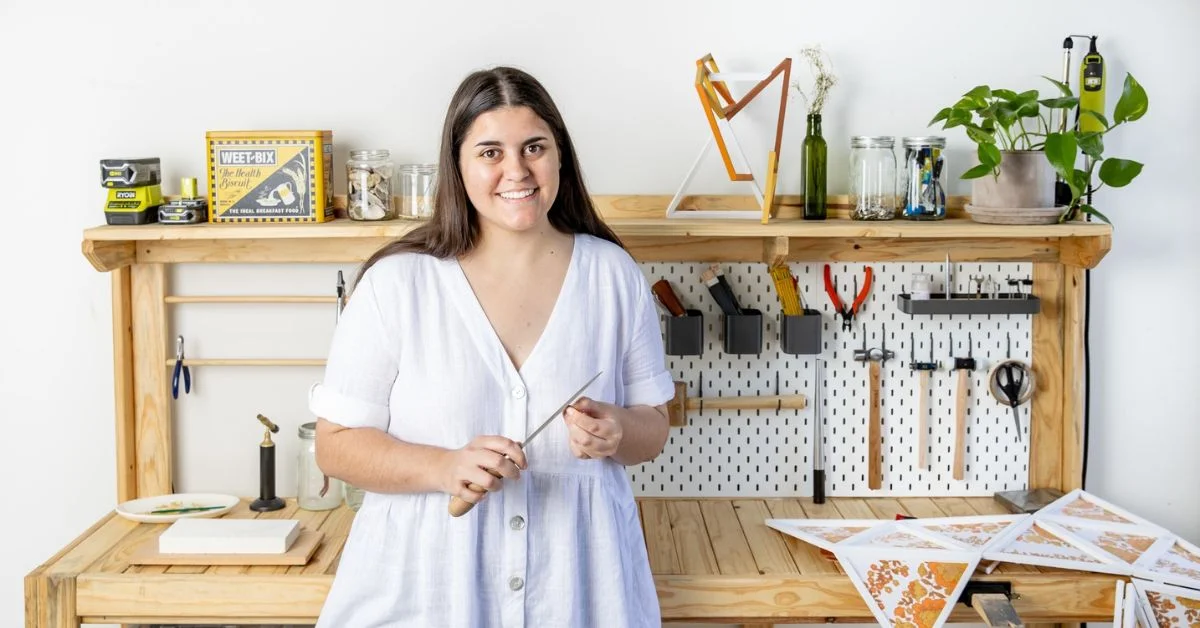
Brisbane-based artist Renee Kire is transforming the Museum of Brisbane entryway with bold vinyl graphics and sculptural timber elements as the institution’s first Artist in Residence for 2026.
From March 6, visitors entering the Level 3 City Hall space will encounter Kire’s large-scale installation splashing colour, rhythm and movement across walls and ceilings in the museum’s main thoroughfare. The project marks ten years since the artist moved from the Sunshine Coast to Brisbane to pursue her creative career.
The installation responds directly to the architecture of City Hall and the surrounding cityscape visible from the museum. Kire describes being initially overwhelmed by the amount of space available but came to appreciate the character of the historic building, noting no two walls are the same with numerous different planes and angles shaping her approach to forms, colours and interactions.
Working within a heritage-listed building presented challenges including restrictions on what could and couldn’t be done to the space. Kire notes the most difficult aspect became developing the works digitally and translating scale from screen to real life, requiring adjustments to how forms, colours and interactions would exist in the physical space.
Approach and Philosophy
Renee Kire approaches Minimalism from a contemporary feminist perspective, themes that she says remain central to why she creates. These influences shape each project she undertakes, whether explicitly stated or operating beneath the surface. For this installation, thinking through Minimalist and feminist lenses guided the forms, colours and interactions she developed, encouraging repetition and inclusivity for all visitors.
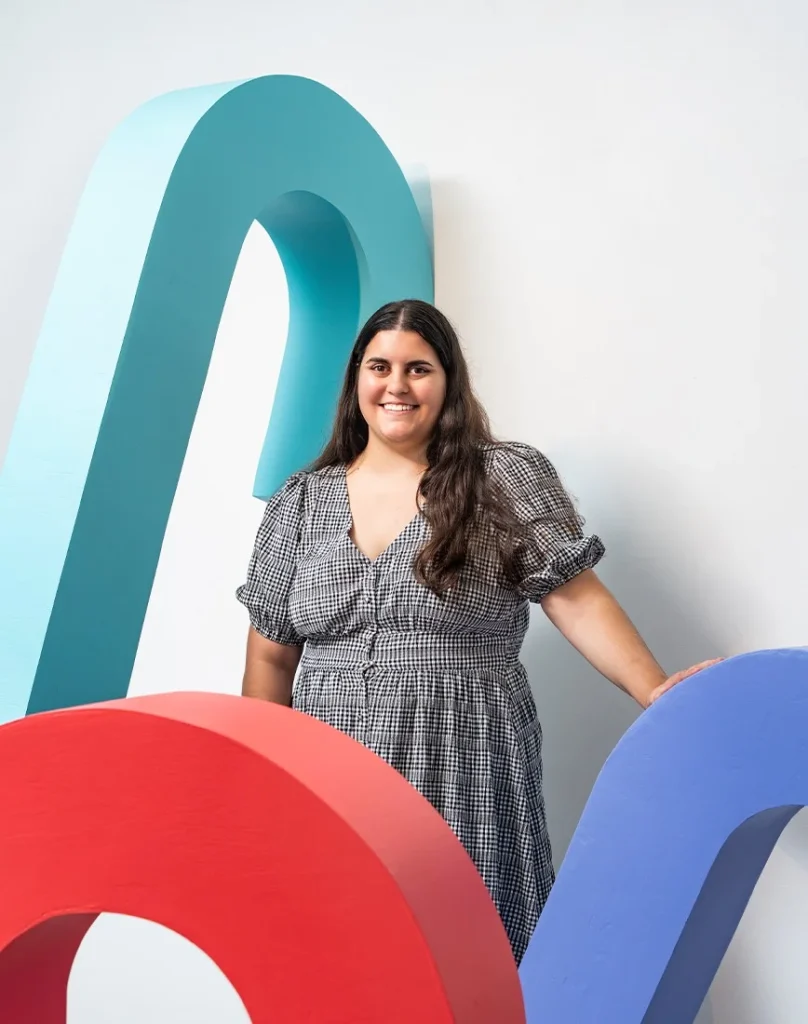
The artist creates work intended to be accessible across ages and backgrounds rather than targeting specific audiences. Her two-year-old niece responds to colours while her grandmother appreciates composition and how different shapes interact. Kire hopes her work sparks curiosity for anyone who encounters it, whoever they are.
Her practice often encourages people to slow down and look closely at their surroundings. In the busy transitional space of the museum entrance, she hopes the forms and colours will catch attention and invite people to pause momentarily to notice details they might otherwise miss in a heritage building space many pass through without close observation.
Community Participation Element
Part of the installation will be co-created with the community through hands-on workshops during the residency period. Renee Kire says she looks forward to stepping back and seeing how people interpret the shapes and colours she has been immersed in over several months of development, noting the different ways people think and create when interacting with the work.
The workshops allow Brisbane residents to contribute directly to an artwork in one of the city’s most prominent cultural institutions, creating an element of shared ownership in the finished installation.
Museum of Brisbane Context
Museum of Brisbane occupies Level 3 of Brisbane City Hall at King George Square, serving as the city’s leading history and art museum. The institution presents exhibitions, events, workshops and tours exploring Brisbane’s art, culture and social history. The museum is open 10am to 5pm during weekdays and weekends with free general admission.
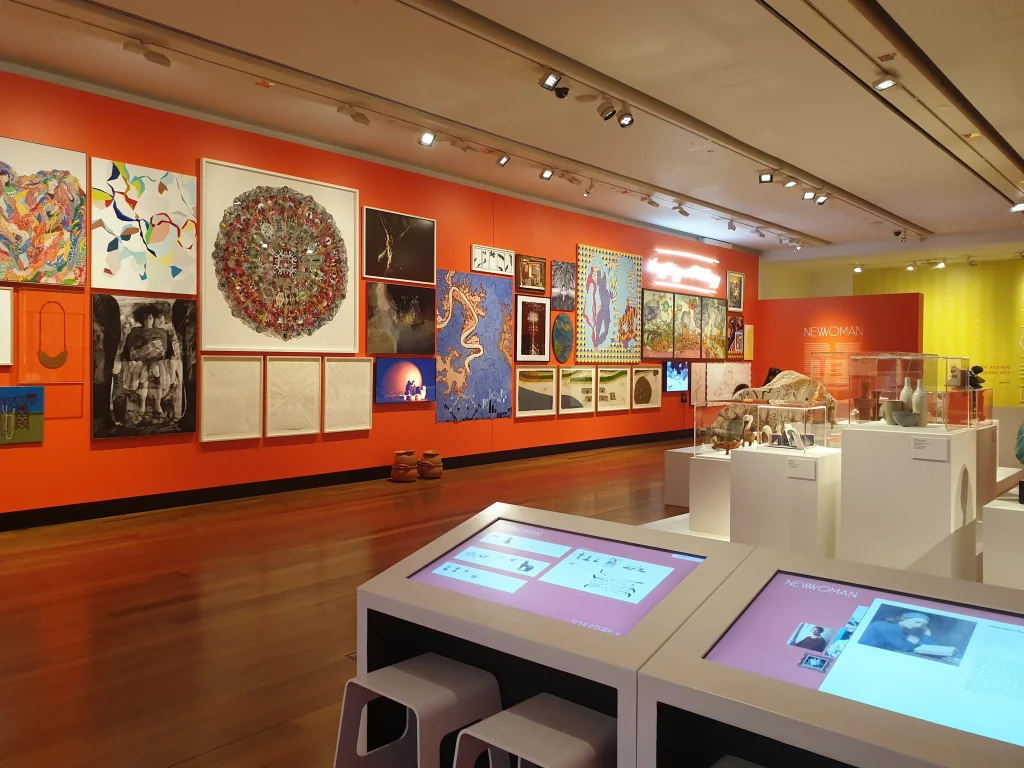
The Artist in Residency program, supported by Tim Fairfax AC, provides opportunities for artists to create site-specific works within the museum environment. The program demonstrates the museum’s commitment to supporting contemporary Brisbane artists while enhancing the visitor experience through temporary installations in museum spaces.
City Hall itself holds significance as one of Brisbane’s most recognisable heritage buildings in the CBD. The building’s distinctive clock tower and classical architecture make it a landmark for both visitors and residents navigating central Brisbane. The museum’s location within City Hall adds layers of historical context to contemporary art installations like Kire’s project.
Previous Work and Recognition
Renee Kire works from her East Brisbane studio creating sculptural forms that explore playful curves and interactions. Reviews of her previous exhibition at Rockhampton Museum of Art noted her consistent employment of large-scale aesthetics and soft pastel colour palettes.
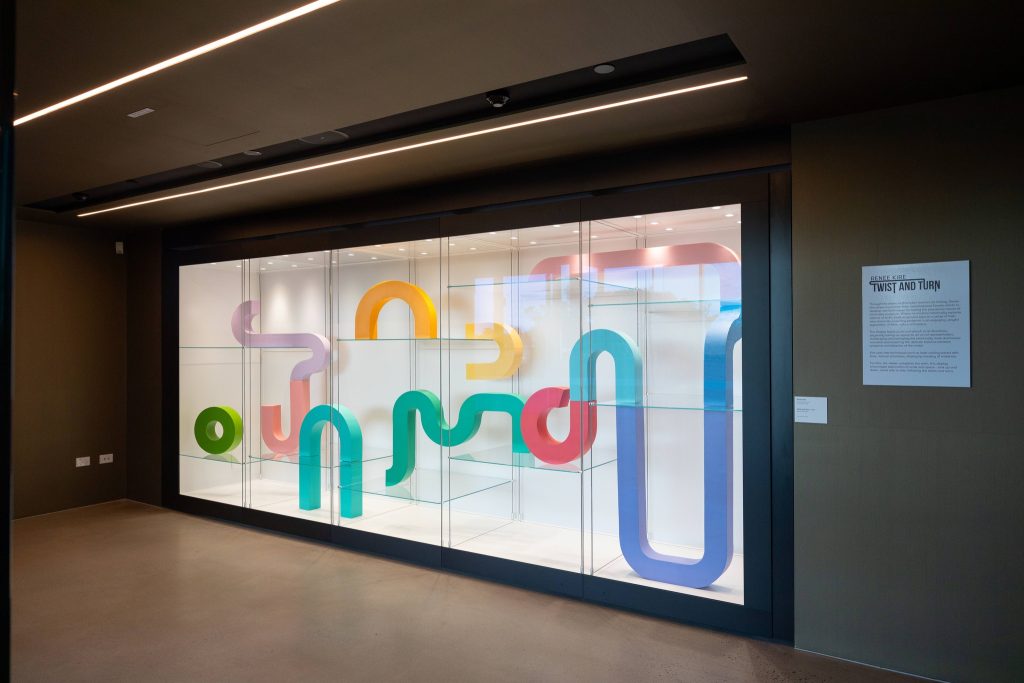
Her work has been compared to feminist minimalist sculpture, presenting what critics describe as a positive approach to domestic spaces through curves that invite interaction.
The curved prisms in her work require higher woodworking skills to create. Apart from some computer numerical control cutting, Kire painstakingly fashions the forms herself. Her constructions feature bends singular in direction and plane, with aspects twisted across additional axes by aligning consecutive sections at right angles, creating what observers describe as squiggle-like forms that could transport viewers back to childhood memories.
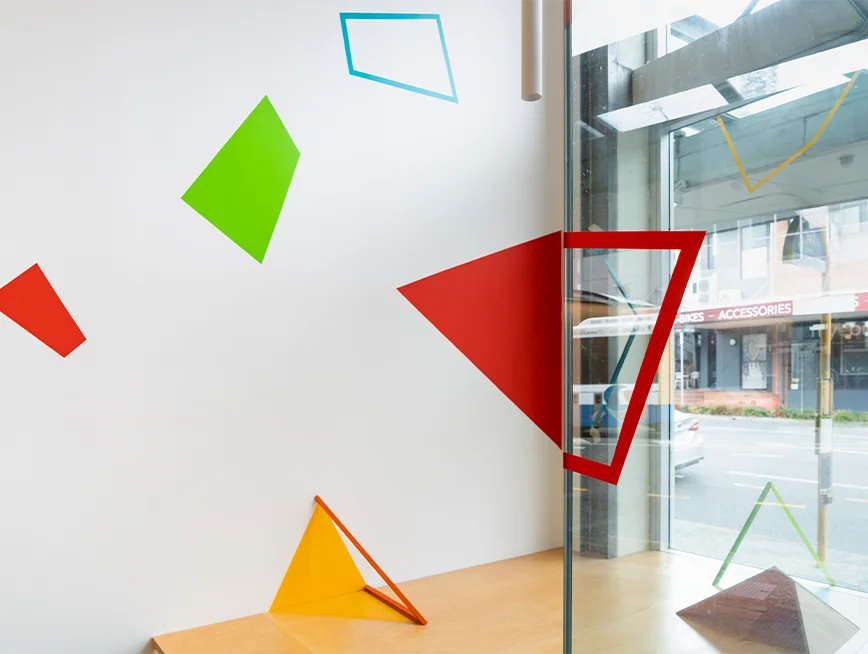
The Museum of Brisbane residency represents Kire’s largest and most public commission to date, positioning her work where thousands of visitors will encounter it as they access exhibitions and programs throughout the six-month installation period.
Repeat Visitor Experience
Because the work forms part of the museum’s everyday environment rather than a discrete exhibition, visitors may encounter it multiple times. Renee Kire hopes people experience the space the way she did while developing the work, discovering new details each visit in what might otherwise be an overlooked transitional area.
She notes that each time she spent time in the entrance during development, new details emerged including subtle shifts in light, repetitive nature of shapes, and small architectural features she had not noticed before. Repeat visits should allow people to discover these layers and notice something new each time they pass through.
The installation runs from March 6 through September 6, 2026, providing a substantial timeframe for both regular museum visitors and Brisbane CBD workers to engage with the work multiple times across changing seasons and light conditions.
Accessibility and Public Engagement
The entrance location ensures maximum visibility and accessibility for the installation. Unlike gallery-based exhibitions that require deliberate visits, Kire’s work will be encountered by everyone accessing Museum of Brisbane programs including school groups, tourists, families and regular visitors to City Hall.
This positioning aligns with broader movements in contemporary art practice toward engaging public audiences in everyday spaces rather than exclusively within traditional gallery contexts. The installation demonstrates how temporary public art can activate heritage buildings and enhance visitor experiences in cultural institutions.
For Fortitude Valley and Brisbane CBD residents who regularly visit City Hall for various civic purposes beyond museum attendance, the installation adds an element of visual interest and creative energy to a familiar heritage building. The work contributes to Brisbane’s identity as a city supporting contemporary artistic practice alongside preservation of historic architecture.
More information about the workshop is available here.
Published 07-February-2026.


