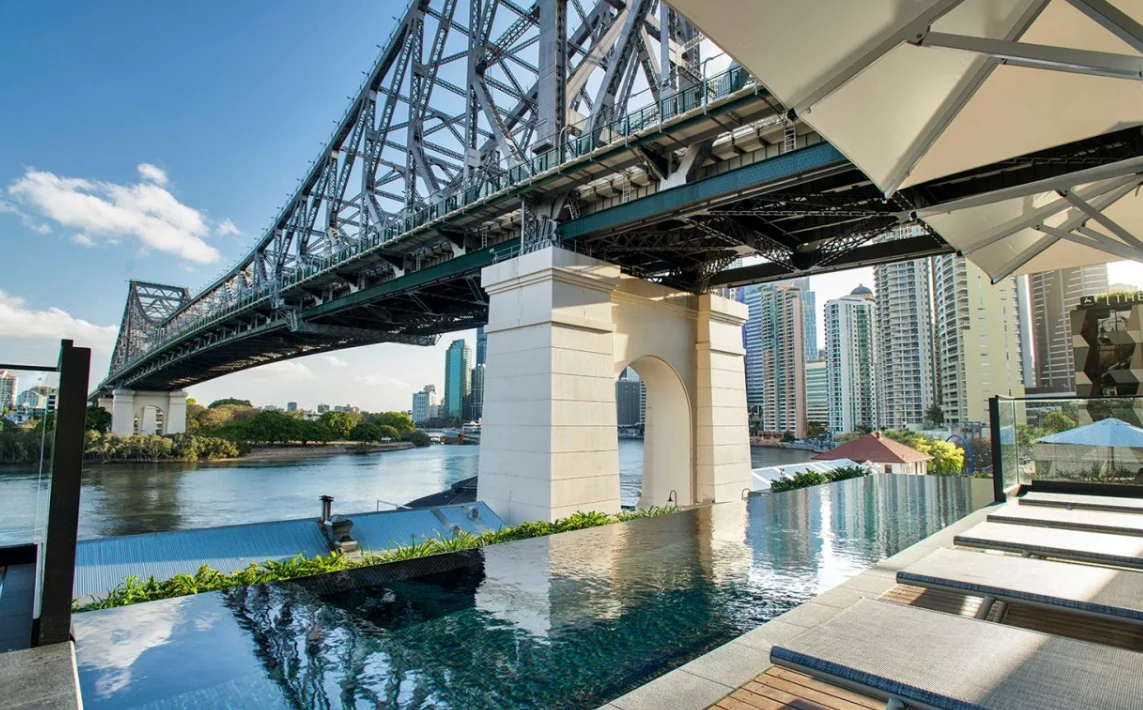
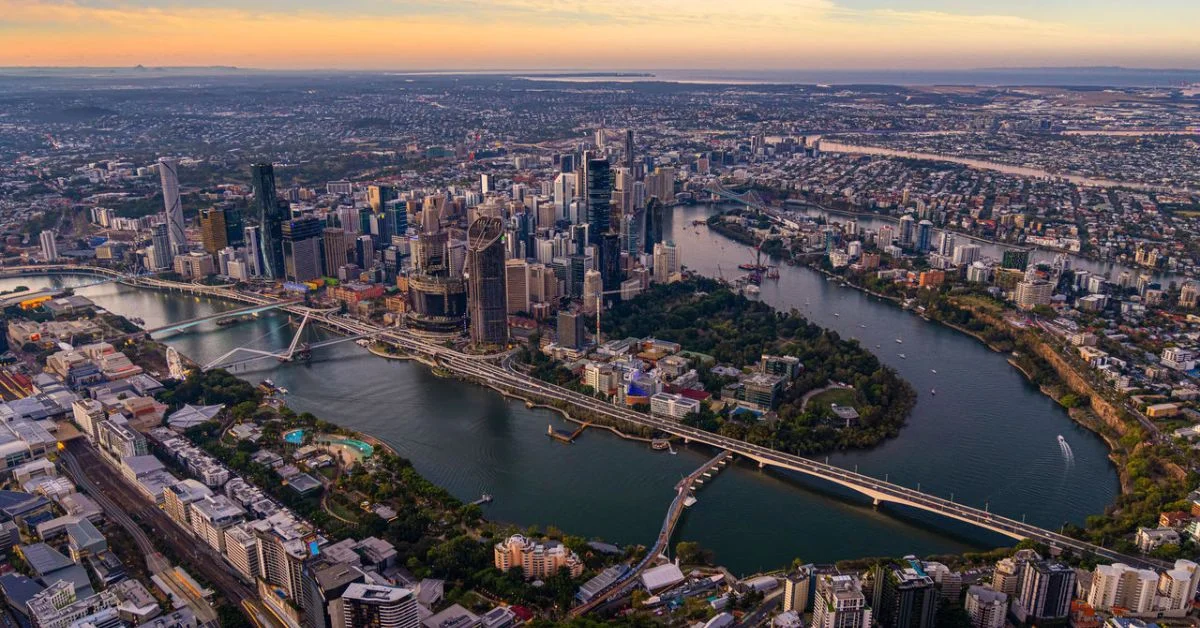
A hotel beneath the Story Bridge at Howard Smith Wharves, near Fortitude Valley, has been listed for sale with price expectations of about $115 million.
Crystalbrook Vincent has been placed on the market through an expressions-of-interest campaign managed by Colliers, with submissions open until April 30.
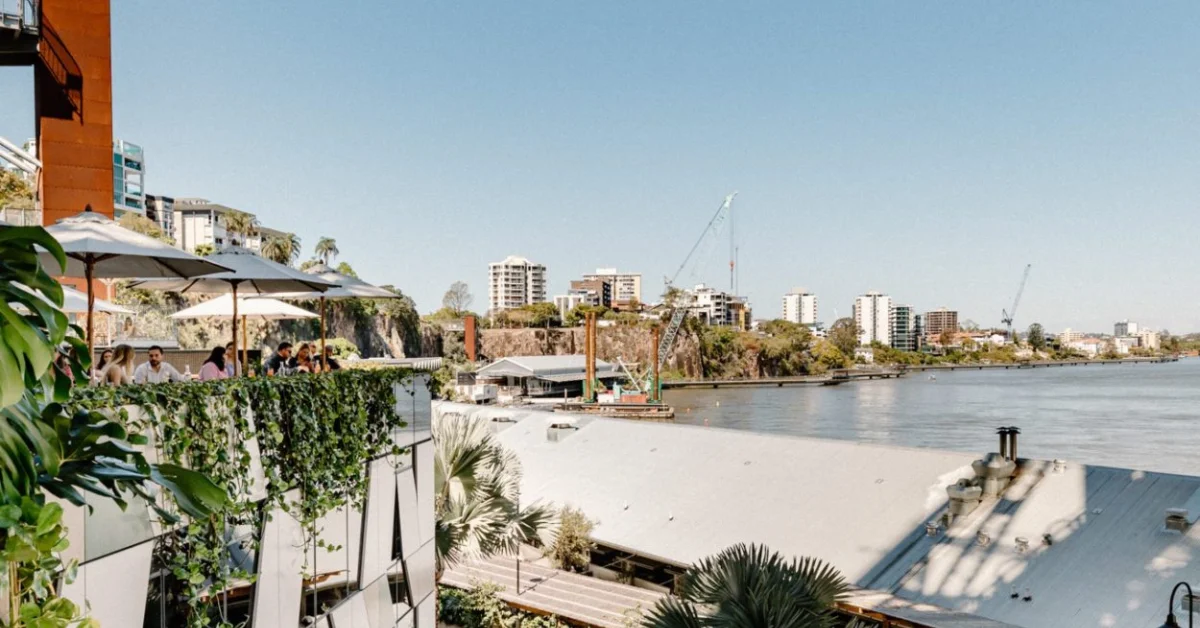
The hotel sits within the Howard Smith Wharves precinct, positioned beneath the Story Bridge and near Fortitude Valley. The location places it within a well-established riverfront area known for steady visitor movement and a mix of hospitality venues.
Photo Credit: Howard Smith Wharves
Price Marks Shift Since Last Sale
The property is owned by the Ghassan Aboud Group through Crystalbrook Hotels and Resorts.
It was acquired in 2021 for about $70 million, with the current price guide of roughly $115 million indicating a notable change in value over five years. The listing is part of a broader move to recycle capital within the group’s portfolio.
Photo Credit: Howard Smith Wharves
What Defines The Property
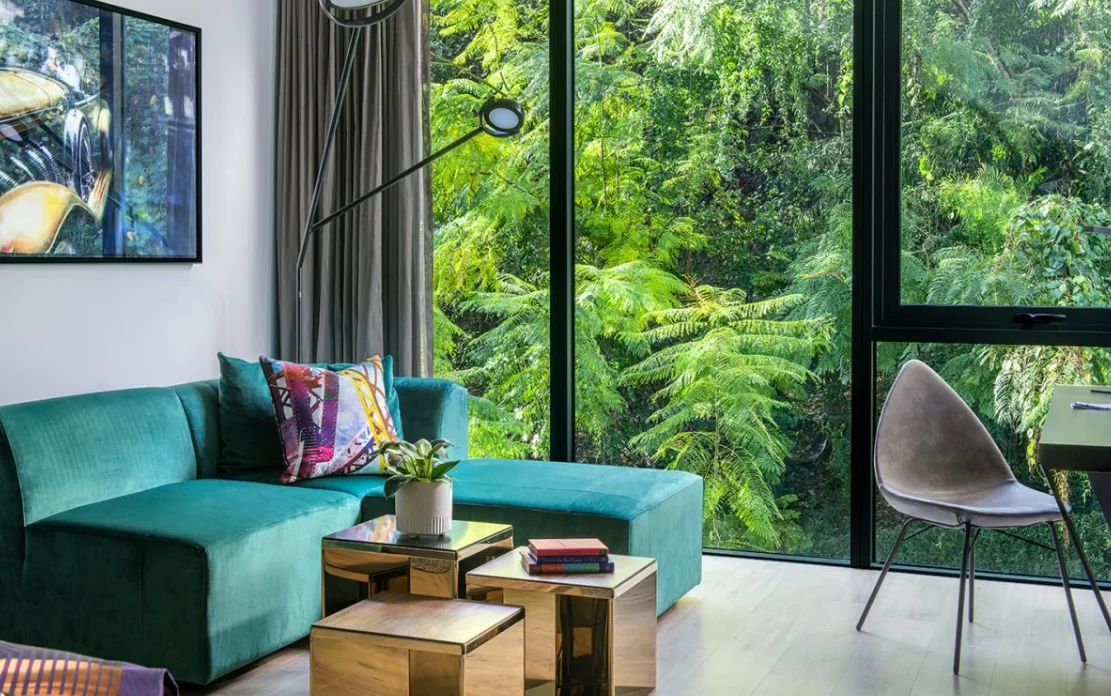
Opened in 2019, the hotel includes 166 rooms and forms part of a purpose-built precinct along the Brisbane River.
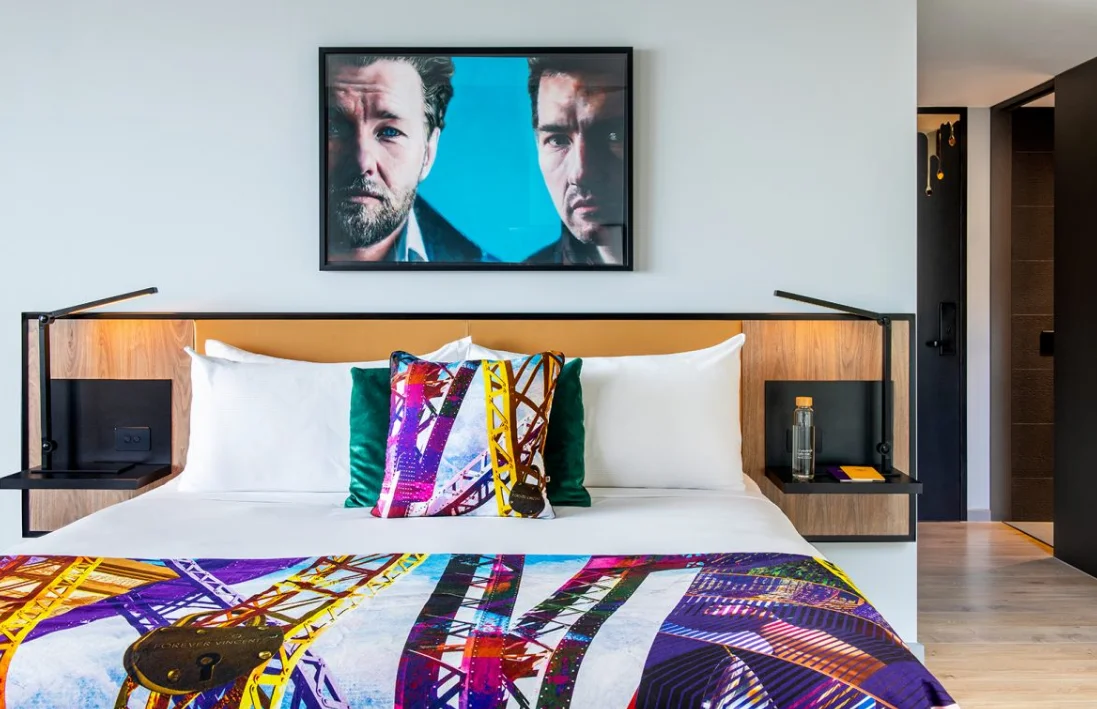
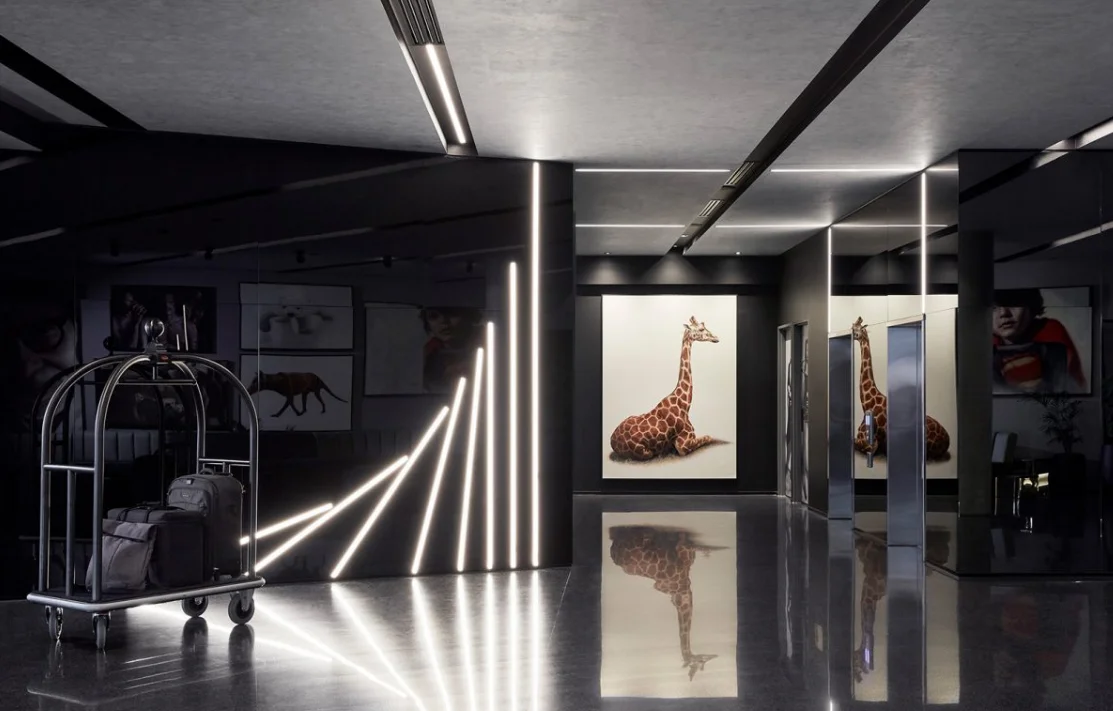
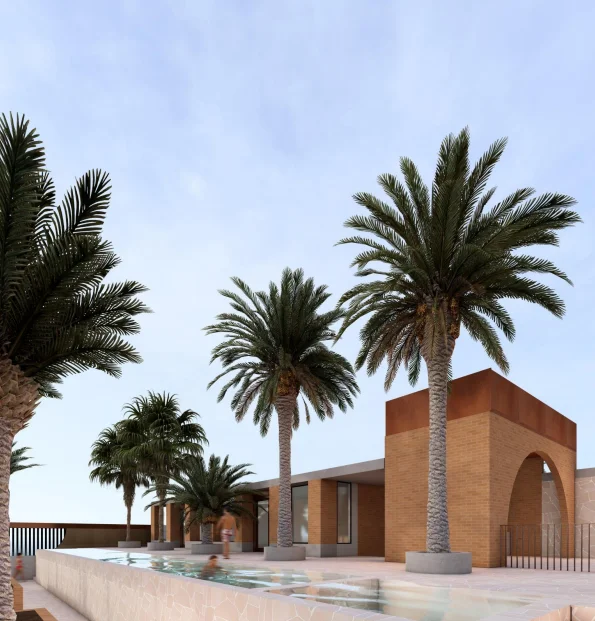
Facilities include a rooftop pool, gym, bar and dining spaces. The interiors incorporate a large collection of works linked to Brisbane artist Vincent Fantauzzo, which remains a defining feature of the property’s design.
Photo Credit: Howard Smith Wharves
Market Conditions Behind The Timing
The timing of the listing aligns with broader conditions across Brisbane’s hotel sector, where demand has increased while new supply remains limited.
Industry figures indicate revenue per available room is around 70 per cent higher than 2019 levels, with average daily rates also rising. At the same time, only 372 hotel rooms are under construction through to 2027.
These factors have narrowed availability across inner-city areas, including precincts near Fortitude Valley.
Photo Credit: Howard Smith Wharves
Development Activity Nearby
The listing comes alongside continued planning activity within Howard Smith Wharves.
A proposed hotel development to the east of Crystalbrook Vincent remains included in documents lodged during the early months of 2026, indicating further potential change within the precinct.
Next Stage For The Listing
The campaign will test investor interest in a hotel asset positioned within a constrained market.
The outcome is expected to reflect broader conditions across Brisbane’s accommodation sector, where demand and limited supply continue to shape activity near Fortitude Valley.
A new jazz club is set to take shape in Fortitude Valley, as The Ruby Jazz Club introduces a speakeasy-inspired space focused on live music, small performances and a more intimate night out in one of Brisbane’s busiest precincts.
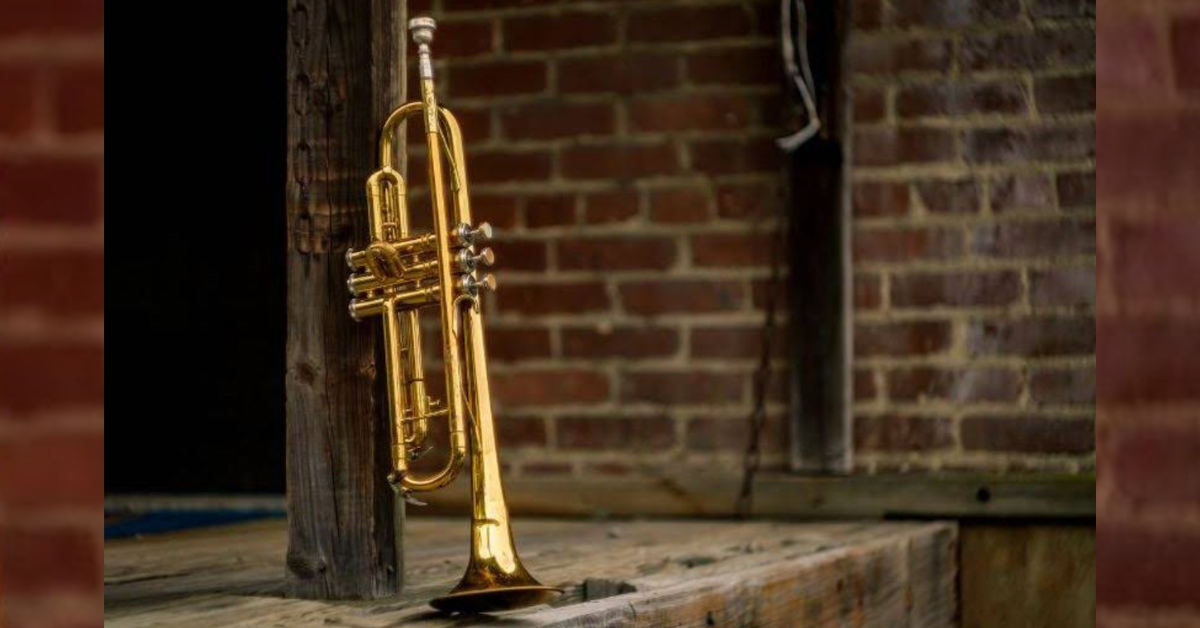
From 23 April, the club will begin welcoming guests into its tucked-away spot along Mead Lane, with an opening gala led by Australian jazz artist Vince Jones. Doors for the event are set for 6:30 p.m., with music running from 7:30 p.m. to 10:00 p.m., marking the start of regular programming in the weeks that follow.
A Different Pace in a Familiar Place
Fortitude Valley has long been known for its fast-moving nightlife, but this new venue offers something more contained. Set slightly off the main strip, the club draws on the idea of a hidden bar, where the experience begins with stepping away from the crowds and into a more focused setting.
The concept is inspired by 1920s speakeasies, where music and conversation shaped the night. Here, the emphasis is on close-up performances and a room designed for listening, rather than large-scale crowds.
A Space Built for Music
Inside, the focus stays firmly on jazz. The club’s program moves between larger, ticketed performances and more relaxed sets, giving space to both touring acts and local musicians.
Created by Brisbane pianist Meredith Brothers, the venue reflects a long-standing connection to the city’s music community. The aim is not just to host shows, but to create a place where artists can return, experiment and grow, while audiences get to experience performances up close.
Spaces like this are rare for local musicians. Smaller rooms can offer something different from bigger stages, where the sound, the room and the audience all feel connected.
Opening Night Sets the Tone
The first nights will centre on Vince Jones, whose career spans five decades. His performances are expected to draw on both familiar material and newer work, giving audiences a sense of the breadth of his music.
His presence at the opening places the venue on a wider map, linking Brisbane’s local scene with artists who have shaped Australian jazz over time.
More Than a Night Out
Beyond the stage, the experience extends to food and drink. Cocktails take cues from earlier eras, paired with a selection of wines, spirits and bourbons. A simple menu allows guests to settle in for the evening, rather than move from place to place.
This dedicated jazz space adds another layer to an area already known for its variety. It offers a slower pace within a fast-moving precinct, where the focus shifts back to music, conversation and time spent in the room.
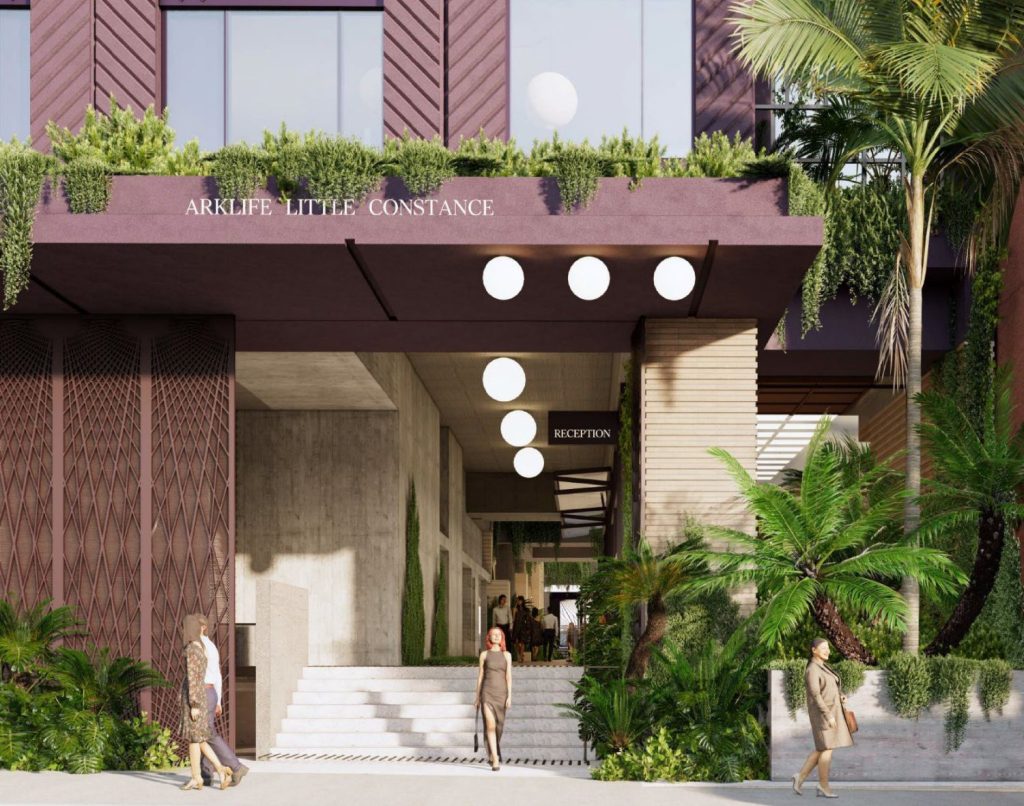
A development application for two 15-storey towers containing 312 co-living units has been lodged for 24-26 and 26A Constance Street in Fortitude Valley, proposing one of the suburb’s largest purpose-built co-living projects yet in a precinct already transforming rapidly.
The proposal, designed by Rothelowman with planning by Urbis and landscaping by LatStudios, would deliver 312 self-contained one-bedroom rooms across two podium-and-tower buildings on a site of approximately 1,551 square metres. The application was lodged on 27 February 2026 under reference A006972487. Each room includes a private living area, kitchenette and bathroom, with shared facilities including a swimming pool, gym, indoor dining areas, barbecue and outdoor dining spaces, communal seating and landscaped recreation areas distributed across the buildings.
Ground level activation is a prominent feature of the design. A publicly accessible but privately maintained laneway would run through the site, lined with small retail kiosks, a town-square style open space, concierge and resident lounge areas, landscaped seating and planting. The laneway concept connects through from Constance Street and is intended to add a pedestrian dimension to what is currently an underutilised block directly opposite the BMW dealership, about 250 metres from The Wickham hotel.
What Co-Living Means in Practice
Co-living sits somewhere between a traditional apartment and a serviced residence. Each unit in the Constance Street proposal functions as a self-contained room with its own bathroom and kitchenette, but residents share a significantly broader suite of communal amenities than a typical apartment building provides. The model is particularly popular with young professionals, students and short-term residents who prioritise location and community over space, and it typically comes at a lower price point than a comparable standalone apartment.
The application classifies the units as rooming accommodation and short-term accommodation under Brisbane’s planning scheme, reflecting the flexible way the operator intends to use the building. Urbis notes in its planning report that the proposal is consistent with the planning intent of the Principal Centre Zone and the Fortitude Valley Neighbourhood Plan, both of which support high-density residential development in a location well served by surrounding amenities and public transport.
No on-site car parking is proposed, with 30 bicycle spaces planned instead. The application notes that parts of the block may be susceptible to flooding, a detail that will form part of the formal assessment process.
Fortitude Valley’s Co-Living and Build-to-Rent Boom
The Constance Street proposal arrives in a Valley already thick with development activity. Arklife, the developer behind the current application under the “Arklife Little Constance” branding, previously lodged plans for a 31-storey build-to-rent development nearby on Constance Street with 327 units alongside retail and office space. A separate development application for two build-to-rent towers directly above The Zoo music venue on Ann Street was lodged in 2023. Earlier this year, plans emerged to redevelop the historic former Keating’s Bread Factory between Warry and Kennigo streets with 100 units across 17 storeys.
Together, these projects point to Fortitude Valley as one of the most active apartment development corridors in south-east Queensland, driven by its central location, excellent transport links and the strong demand from young professionals and students who want to live close to the inner city without the price tag of New Farm or Teneriffe.
Fortitude Valley sits within Brisbane’s Principal Centre Zone, which explicitly supports high-density residential development, and the suburb’s relative affordability compared to adjoining inner-city precincts continues to attract both developers and renters in large numbers.
Why This Matters to the Fortitude Valley Community
For residents of Fortitude Valley and the surrounding inner-city suburbs, the Constance Street proposal raises questions that are worth engaging with now, before the assessment process concludes. Co-living development at this scale brings genuine benefits, including more housing supply in a high-demand area, ground-level activation through the public laneway and the kind of rooftop and communal amenity that enlivens a streetscape. It also raises practical questions about pedestrian flow through the laneway, the absence of on-site parking in a street with existing congestion pressures and the flooding risk flagged in the application documents.
No public submissions have been received on the application at the time of writing, which means the window for community input remains open. Residents, nearby businesses and anyone with an interest in how the Constance Street block develops can lodge a submission through the development application portal. Submissions should be based on planning grounds and address specific aspects of the proposal such as built form, traffic, flooding, amenity or neighbourhood character.
The application reference is A006972487 and can be viewed in full through this link. The submission period is open and residents are encouraged to engage with the proposal while the formal assessment is underway.
A new hospitality venue in Fortitude Valley is combining café, restaurant and rooftop spaces under one concept, as it explores demand for extended trading across different times of day.
Ember & Ash has opened in Fortitude Valley, taking over the former Alfred & Constance site with a format built around separate but connected hospitality spaces.
The venue operates across two locations within the precinct, with a café on Alfred Street and the main restaurant and rooftop on Constance Street. The layout allows the business to run multiple services throughout the day, shifting from morning coffee to daytime dining and evening rooftop activity.
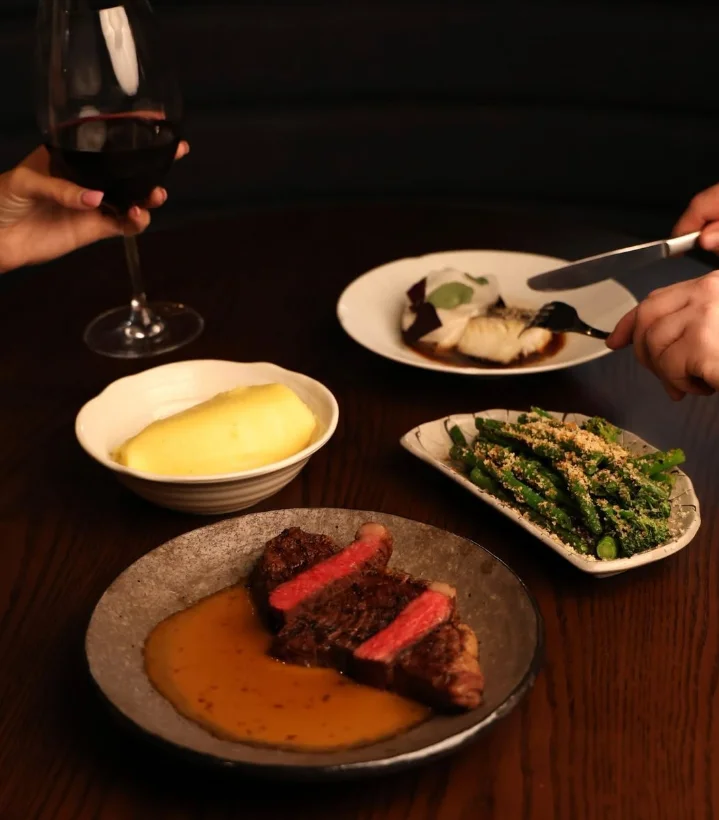
Caption: Steak offering at Ember & Ash in Fortitude Valley featuring a 7+ striploin served with truffled potato mash and wood-fired greens. Photo Credit: Ember & Ash Brisbane/Instagram
Trading Hours Vary Across The Venue
Operating hours differ depending on the space. The café is listed as open Monday to Saturday from 6 a.m. to 12 p.m., while the restaurant operates Wednesday to Sunday from 12 p.m. to late.
The broader concept has also been presented as extending from early morning into late-night trade, positioning the venue within ongoing discussions about longer hospitality hours in Fortitude Valley.
Food And Beverage Offering
The venue’s menu centres on fire-based cooking, with dishes prepared using grill and flame techniques. The restaurant offers a range of small and large plates, including seafood, meat and plant-based options.
Menu items include beef tartare, char-grilled duck breast, slow-roasted pork, seafood dishes and premium steak cuts. Side dishes and desserts are also available, alongside a selection of sauces and accompaniments.
On the rooftop, the offering shifts towards shared plates suited to evening service. Items such as lobster toast, tacos and wagyu-based dishes are featured, alongside cocktails that incorporate charred and botanical elements.
The café focuses on coffee and daytime selections, providing a separate offering earlier in the day.
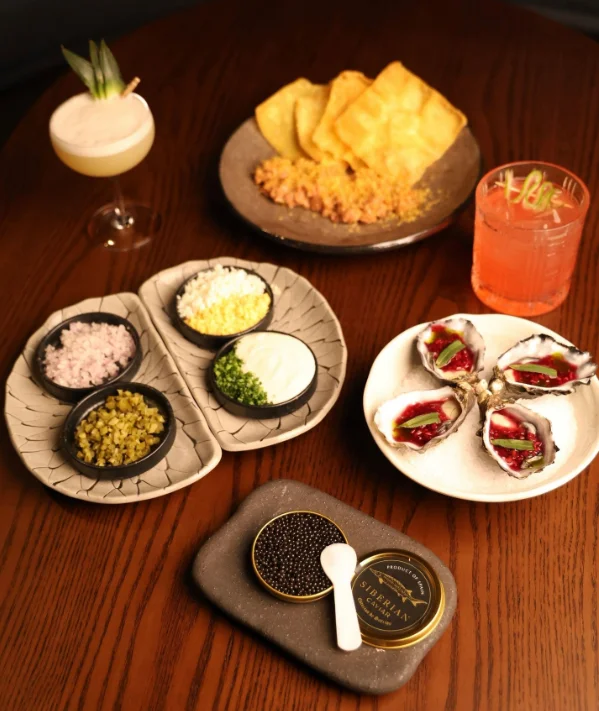
Caption: Snack selection at Ember & Ash in Fortitude Valley featuring Baeri sturgeon caviar and rock oyster with blackberry mignonette and tarragon. Photo Credit: Ember & Ash Brisbane/Instagram
Fortitude Valley And Extended Trading
The venue has been positioned as part of a broader test of how extended trading models may function in Fortitude Valley. Its structure allows continuous use of the space across different trading periods, rather than relying on a single service window.
A hidden speakeasy-style area is also included within the venue, adding a late-night component to the overall concept.
Outlook For The Precinct
It remains unclear whether similar models will expand across the area, however Ember & Ash may provide an early indication of demand for longer operating hours in Fortitude Valley.
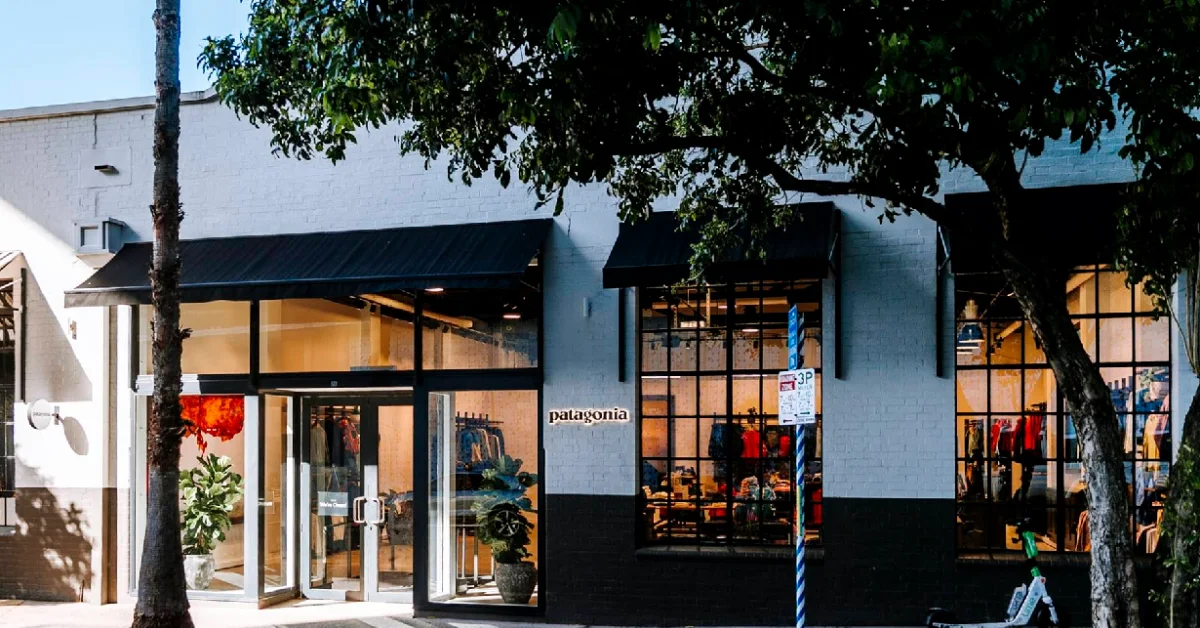
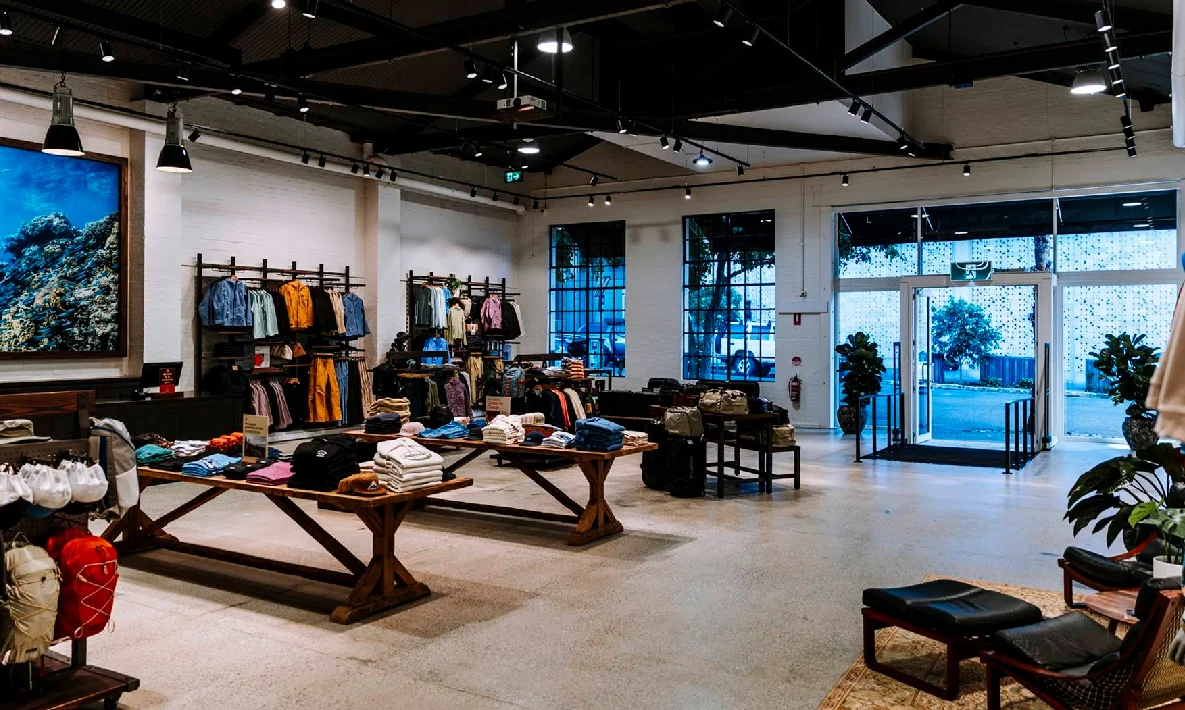
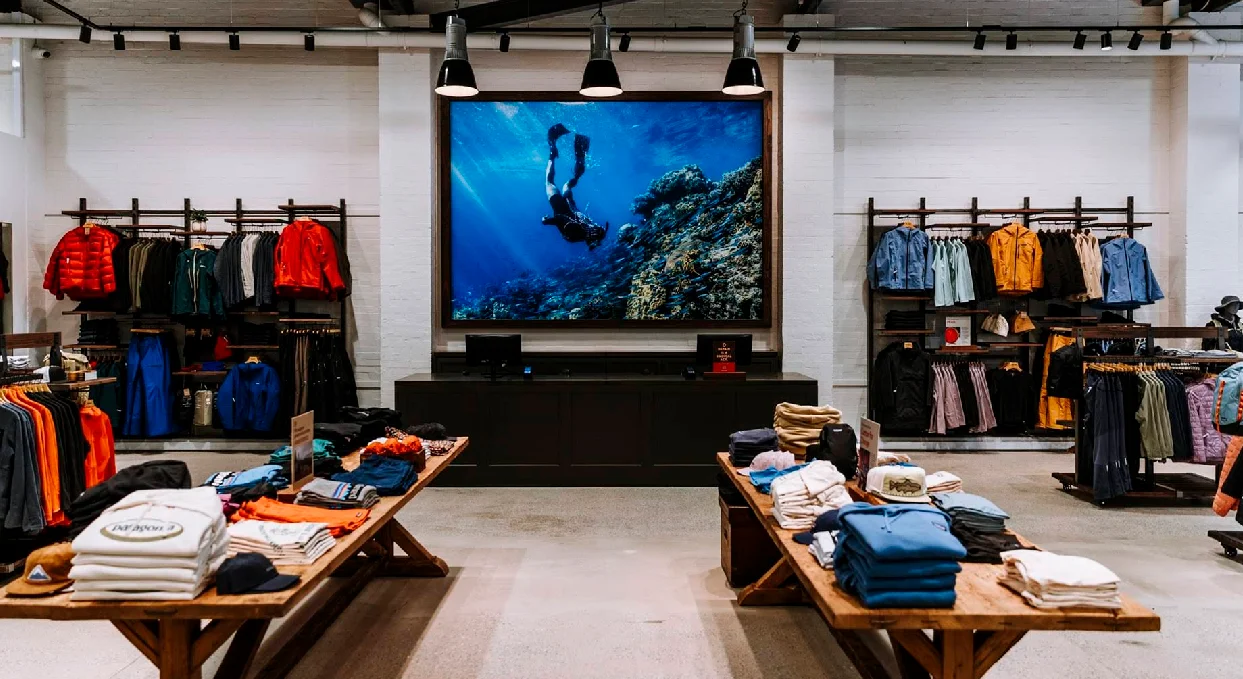
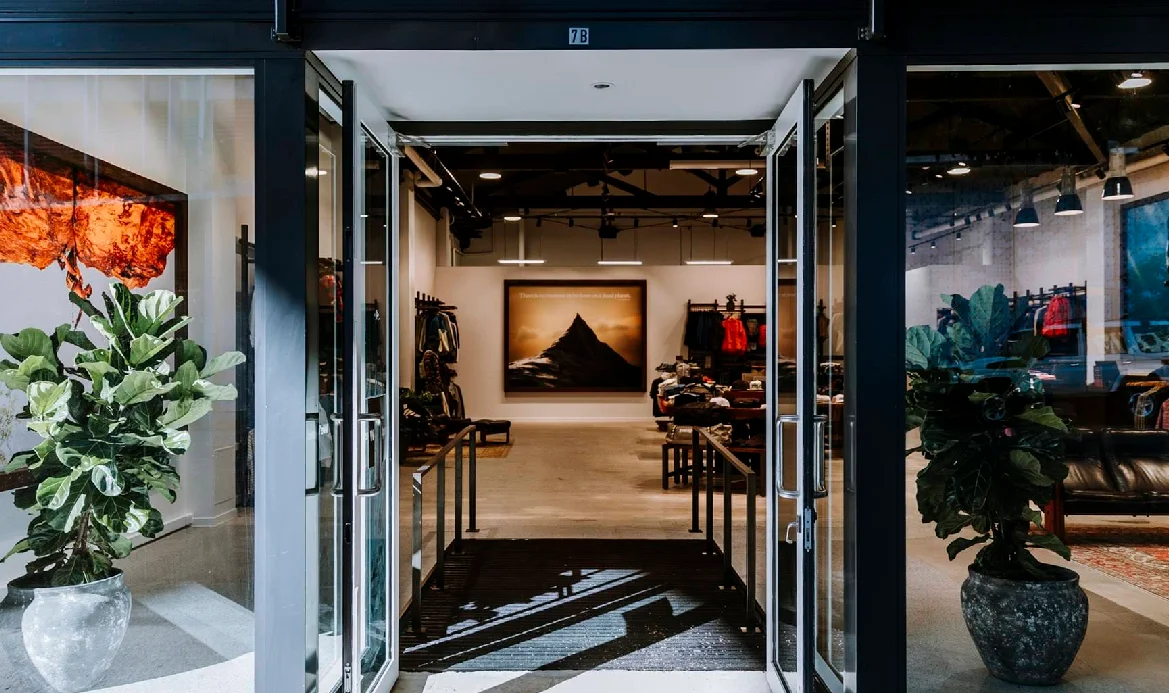
Outdoor apparel company Patagonia has opened a new Brisbane retail store in Fortitude Valley, adding a location that the brand says will also serve as a place for community interaction linked to outdoor activities.
The new store is located at 7 Wandoo Street, within the James Street precinct. Patagonia has positioned the space as more than a retail outlet, describing it as a site where people interested in outdoor environments can gather and connect.
The Fortitude Valley location began operating on Saturday, 28 February 2026, becoming one of two new Australian locations opened by the brand. The Brisbane opening follows the launch of Patagonia’s Hobart store in late 2025.
The store carries outdoor apparel designed for activities including surfing, trail running, climbing, mountain biking and snow sports.
Patagonia has indicated the Fortitude Valley site is intended to support conversations and collaboration among people interested in outdoor recreation and nature-based activities. The space has also been described as a location for learning and engagement connected to the outdoors.
The company has linked the Brisbane store to its wider environmental engagement across Australia and New Zealand, including support for grassroots conservation efforts.
The new store sits within the James Street precinct, an area that includes a range of retail businesses.
Patagonia has also indicated the store may host community-focused events and gatherings connected to outdoor activities. Further information about programming at the Fortitude Valley location is expected to be announced in the coming weeks.
The Fortitude Valley opening adds another Australian location for the brand as it continues to expand its retail presence while linking its stores with community engagement and outdoor activity.
A revised development application has been lodged for a high-rise apartment building at the heritage-listed former bread factory site in Fortitude Valley.
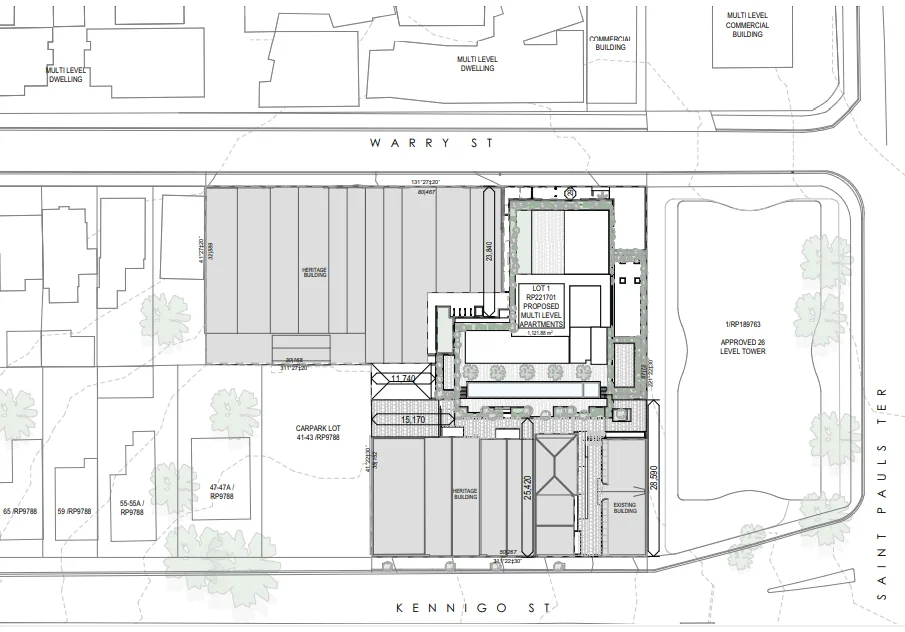
The proposal relates to 36 Warry Street within the complex known as The Baker’s Grounds. An associated property at 39 Kennigo Street is also listed.
The development application, numbered A006963038, was submitted on 17 February 2026 and is recorded as in progress. It seeks approval to carry out building work and a material change of use, with the assessment listed at code level. RG Property Pty Ltd is named as the primary applicant, with Urbis Pty Ltd identified as consultant.
Photo Credit: DA/A006963038
Background Of The Heritage Complex
The brick complex was originally constructed in 1916 as Keating’s Bread Factory. Bread production ceased around the end of World War II.
Parts of the former ovens and stables used for horse deliveries remain on site. The property was listed as a local heritage place in 2004. The site sits between Warry Street and Kennigo Street, about 250 metres from Victoria Park. It is currently used largely as office space under the name The Baker’s Grounds.
Photo Credit: DA/A006963038
Revised Tower Plans In Fortitude Valley
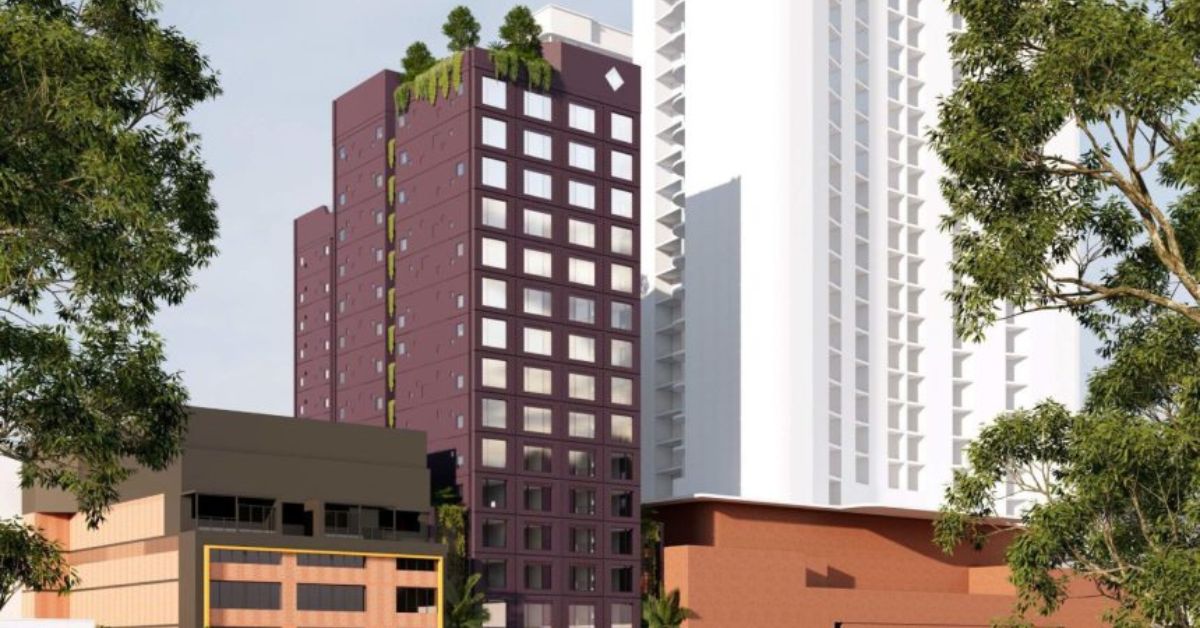
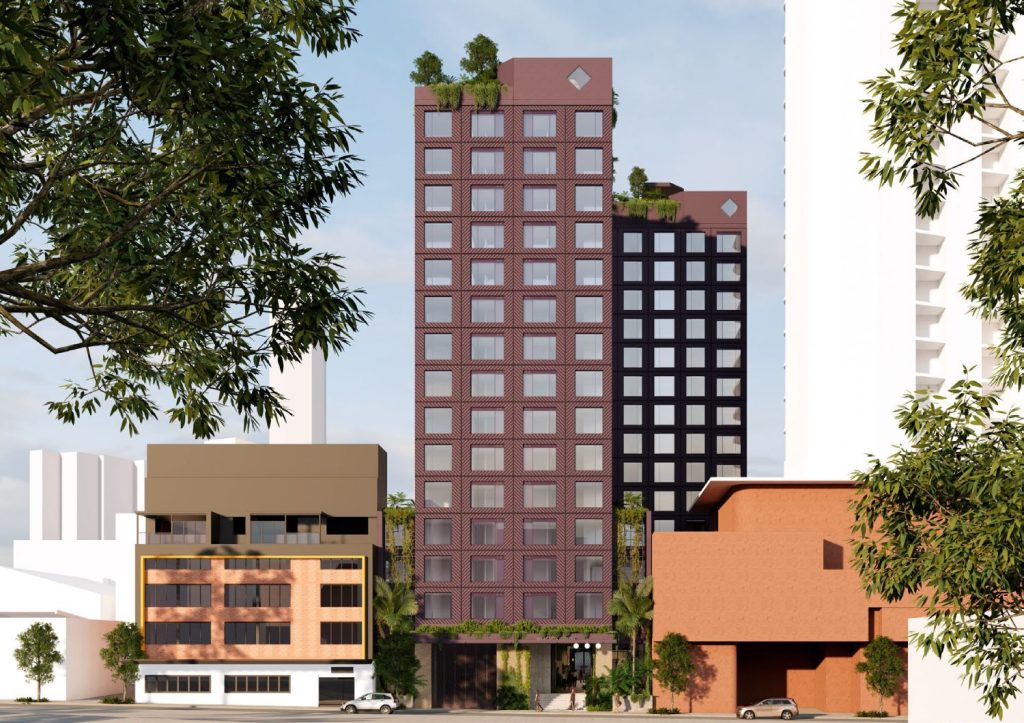
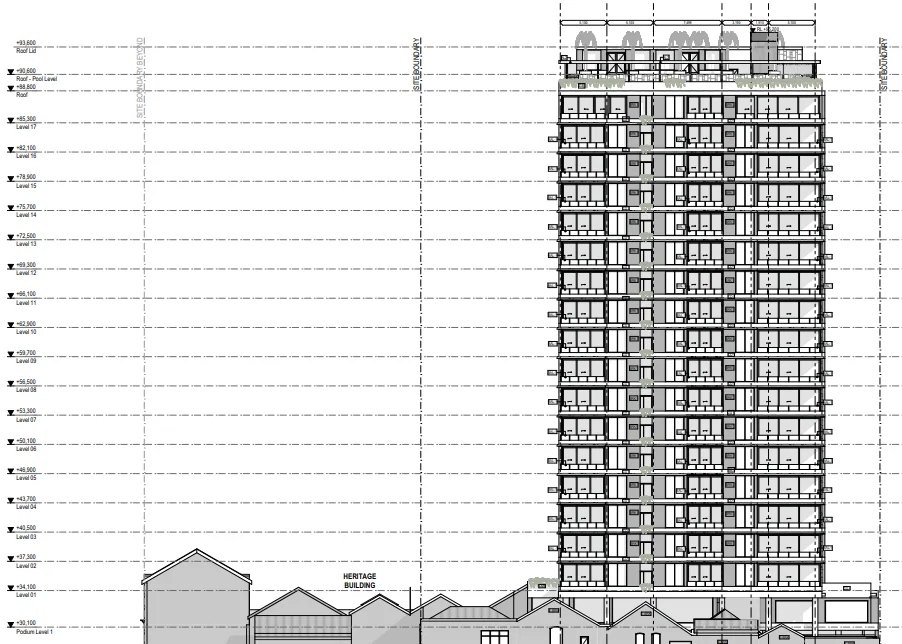
Updated plans describe a residential tower containing 100 apartments. The building height has been reported in two different ways, with one account describing 17 storeys and another referring to 20 storeys.
The revised proposal follows an earlier 15-storey scheme approved in December 2024, which was reported as allowing 111 units. The updated plan reduces the residential yield to 100 apartments. Design documentation for the revised proposal has been prepared by DAH Architecture.
Process milestones include the commencement of the confirmation period on 27 February 2026 and a properly made date of 2 March 2026. A decision notice date is not yet recorded. No construction start date has been confirmed, and existing tenancies continue to operate at the Fortitude Valley site while the application remains under assessment.
Brisbane’s most colourful inner-city precinct will provide the backdrop for a major new six-part ABC crime drama, with Queensland production company Moving Floor Entertainment set to begin filming Fortitude Valley in the suburb from April 2026 ahead of its 2027 national premiere on ABC TV and ABC iview.
The announcement confirms that one of Brisbane’s most cinematically distinctive and culturally loaded neighbourhoods is finally getting the screen treatment many have long argued it deserves. The series places Fortitude Valley at the centre of a crime thriller that moves through family secrets, underground power structures and the moral compromises that accumulate in a precinct where extremes of wealth and poverty have always coexisted within a few city blocks of each other. For residents and regulars of the Valley, the prospect of seeing their suburb rendered on screen with the full weight of a prestige Australian drama behind it carries a particular kind of significance.
The Series and the Story
Fortitude Valley is a six-part crime thriller exploring underground crime syndicates, family secrets, corruption and power plays set in the Queensland capital. The series stars AACTA Award-winning First Nations actor Hunter Page-Lochard, known for Reckless and The Newsreader, alongside acclaimed actress Kat Stewart, whose credits include Offspring, Black Snow and Five Bedrooms.
Photo Credit: QPS
Page-Lochard is not only the lead actor but one of the series’ three co-writers, sharing writing credits with Moving Floor Entertainment co-founders Stephen M. Irwin and Leigh McGrath. Direction falls to Sian Davies, with Andy Walker producing and Ross Allsop serving as co-producer. Executive producers are Irwin, McGrath, Greg Sitch and Page-Lochard, with ABC executive producers Brett Sleigh and Rachel Okine overseeing for the national broadcaster. International distribution is handled by DCD Rights.
The series carries major production investment from Screen Australia, the Australian Broadcasting Corporation and Screen Queensland, and will film and complete post-production entirely within Queensland.
The Company Behind It
Moving Floor Entertainment was founded in 2020 by Brisbane-based writer-producers Stephen M. Irwin and Leigh McGrath, who had previously collaborated for seven years across productions including Harrow, Tidelands and Secrets and Lies. The company launched with a clear commitment to produce high-end drama from Queensland for international audiences, and Fortitude Valley marks its most significant project to date.
The pedigree behind the series is substantial. Irwin co-created the forensic crime series Harrow for the ABC, created and wrote Secrets and Lies, which the ABC Network later remade in the United States, and co-created the Tidelands for Netflix. McGrath co-created and co-executive produced all three seasons of Harrow and co-created Five Bedrooms, which now airs on Paramount Plus, Peacock and BBC One. Both have worked extensively with major broadcasters in the United Kingdom and the United States. Fortitude Valley marks the first project they have brought to screen where Brisbane’s streets are not merely a backdrop but the explicit subject of the story itself.
McGrath graduated from Griffith University in 1994, and his return to produce a landmark series set in his home city represents the kind of career arc that the Queensland screen industry has spent decades working to make possible.
Why Fortitude Valley
The Valley’s particular geography of contrasts, the Chinatown precinct, the heritage-listed Art Deco facades, Brunswick Street’s strip of venues and late-night trade, the social services concentrated along its edges and the significant levels of disadvantage that persist alongside recent gentrification, gives the series a built-in visual and thematic richness that few Australian suburbs can offer. It is a place where multiple Brisbanes overlap: the tourist precinct and the struggling community, the developer’s vision and the street-level reality.
Those contrasts have made Fortitude Valley fertile ground for storytelling across its history. The suburb’s real-world story includes the Fitzgerald Inquiry into police and political corruption that ran from 1987 to 1989 and fundamentally changed the relationship between law enforcement, vice industries and civic power in Queensland. The inquiry’s findings emerged largely from the Valley itself. A crime drama set in contemporary Fortitude Valley carries the weight of that history whether it addresses it explicitly or not, and it gives the series a depth of local cultural memory that purely fictional settings cannot replicate.
What It Means for Queensland Screen
The Fortitude Valley production joins a growing slate of work that positions Queensland as a serious force in the Australian drama landscape. Screen Queensland’s current supported productions include Muster Dogs, Dance with Tom, Troppo Season Two and the upcoming Dustfall. Fortitude Valley, backed by both Screen Australia and Screen Queensland through the Screen Finance Fund and the Post, Digital and Visual Effects Incentive, represents the largest locally created drama production the state has supported in recent years.
Every cast and crew position, every day of location shooting through the Valley’s streets and laneways, every post-production hour completed in Queensland contributes to an industry infrastructure that needs exactly this kind of sustained, high-profile investment to retain and develop the talent pipeline that makes future productions possible.
Filming begins in Brisbane in April 2026. Fortitude Valley airs on ABC TV and ABC iview in 2027.
A new cancer rehabilitation centre opening in Fortitude Valley this Thursday aims to offer Queensland patients access to an Australian-developed therapy designed to ease the side effects of conventional cancer treatment.
The Leading Light Rehab Clinic will provide OncoLaser therapy, a low-level laser treatment developed by the clinic’s co-directors Kate Perkins and Dr Catherine Norton.
The therapy uses photobiomodulation—a process that stimulates cellular energy production—to help manage complications that can arise from chemotherapy, radiation, surgery and immunotherapy. According to Dr Norton, who serves as the clinic’s CEO, the treatment is intended to work alongside standard cancer care rather than replace it.
“It uses low-level laser therapy to support healthy tissue before, during and after chemotherapy, radiation and surgery,” Dr Norton said. The approach focuses on reducing painful side effects rather than treating cancer cells directly.
Ms Perkins, who co-developed the OncoLaser system, said the technology aims to fill gaps in supportive oncological care. “Opening at Leading Light Rehab Clinic allows us to extend these services to more patients in Brisbane in a collaborative healthcare environment,” she said.
The treatment is described as non-invasive and opioid-free, targeting issues such as oral mucositis, radiation dermatitis, delayed wound healing, pain and certain neuropathy symptoms that can result from cancer treatment.
The clinic’s opening event will feature a panel discussion with oncology and integrative health specialists. Dr David Schlecht, a radiation oncologist at The Wesley Hospital, will discuss recent developments in radiation oncology.
“Equally important is ensuring patients have access to supportive therapies that help manage side effects, support healing and maintain quality of life throughout their treatment journey,” Dr Schlecht said.
The clinic plans to work with cancer treatment centres, GPs, surgeons and allied health professionals across the region. OncoLaser has indicated plans to expand its network across regional Australia through partnerships with local health providers.
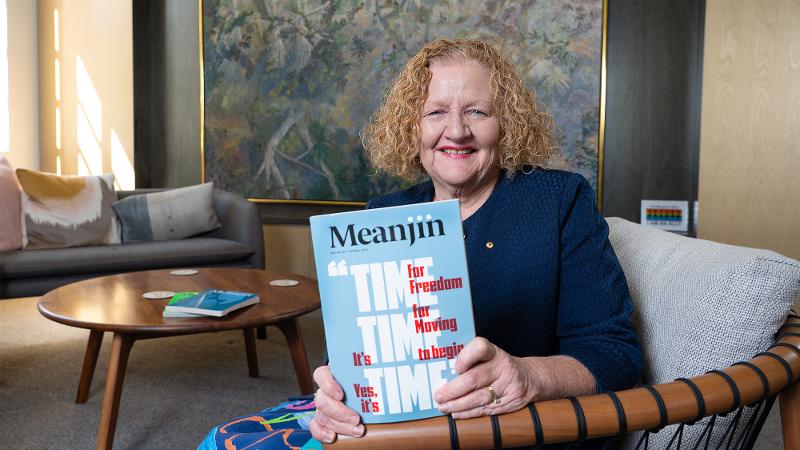
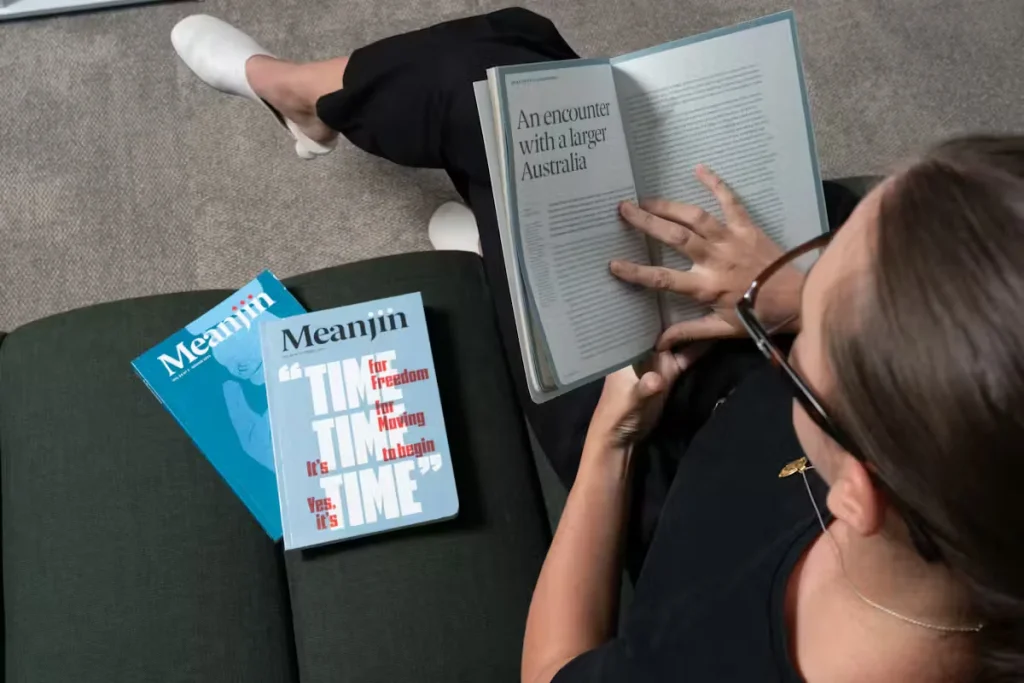
Queensland University of Technology at Gardens Point will become the new custodian of Meanjin, bringing Australia’s second-oldest literary magazine back to Brisbane 80 years after it relocated to Melbourne.
The 85-year-old journal is heading back to the city that gave it its name. While Clem Christesen first pulled the inaugural Meanjin Papers together in suburban Greenslopes in 1940, bringing the masthead to QUT’s Gardens Point campus marks a massive symbolic return to the heart of the river city. After 80 years in Melbourne, the journal is finally back on the Turrbal and Yugara lands where its story began.
Melbourne University Press announced in September 2025 that Meanjin would close due to financial pressures, with editor Esther Anatolitis and deputy editor Eli McLean made redundant and the final issue released in December. The announcement triggered immediate backlash from Australia’s literary community, including authors Jennifer Mills, Anna Krien, Claire G Coleman and former editors Sophie Cunningham and Jonathan Green.
Gardens Point Campus to Host National Literary Icon
QUT Vice-Chancellor Professor Margaret Sheil said the university is delighted to bring Meanjin home to Meanjin/Magandjin, the Turrbal and Yugara word for the lands where Gardens Point campus now stands. Since its foundation, the literary magazine has been instrumental in shaping Australian literary and intellectual culture, providing a vital platform for critical discussion and a showcase for emerging writers.
The university will appoint an editorial board to ensure the journal’s independence, values and standards are maintained, and will recruit an editor through a national competitive search. QUT will take time to thoughtfully re-establish the journal in Queensland and consider how to most effectively reinvigorate Meanjin while respecting its founding vision and literary legacy.
Complementing Creative Writing Programs
Professor of Creative Writing Kári Gíslason said QUT has a distinguished group of alumni writers who have gone on to become renowned Australian authors. The partnership affirms how creativity, literature and excellence in writing allow people to think deeply and connect ideas in imaginative ways to the world around them.
The journal will complement the focused, high-quality creative writing program within the QUT School of Creative Arts at Gardens Point. Meanjin’s move to QUT sends a message to students that this connection between creative excellence and intellectual engagement remains as true now as it ever was.
Principal policy adviser John Byron, a published author and former executive director of the Australian Academy of the Humanities, said rehoming the journal will take considerable work and QUT will take the time to do it properly. The university is a long way off releasing the next issue, as it has no editor, production staff or editorial board yet, but will get there.
The transfer is already underway and work now begins in earnest. QUT understands the scale of the privilege it has been afforded and will take good care of Meanjin, Byron said.
Literary Community Response
Former Meanjin editor Jonathan Green said the news of the journal’s return was a delightful surprise and it is lovely to think the literary magazine will be journeying back to Brisbane where its adventure began. Academic Ben Eltham, a long-running contributor, called the return a victory for everyone who fought to save this vital masthead for the future of Australian literature.
The timing aligns with Queensland’s plans to elevate the creative economy, support local talent and showcase the state’s unique stories and culture to a global audience ahead of the Brisbane 2032 Olympic and Paralympic Games. Melbourne University Press Chair Warren Bebbington said QUT’s understanding of the journal’s legacy surpassed those of other expressions of interest received from organizations wanting to take over the publication.
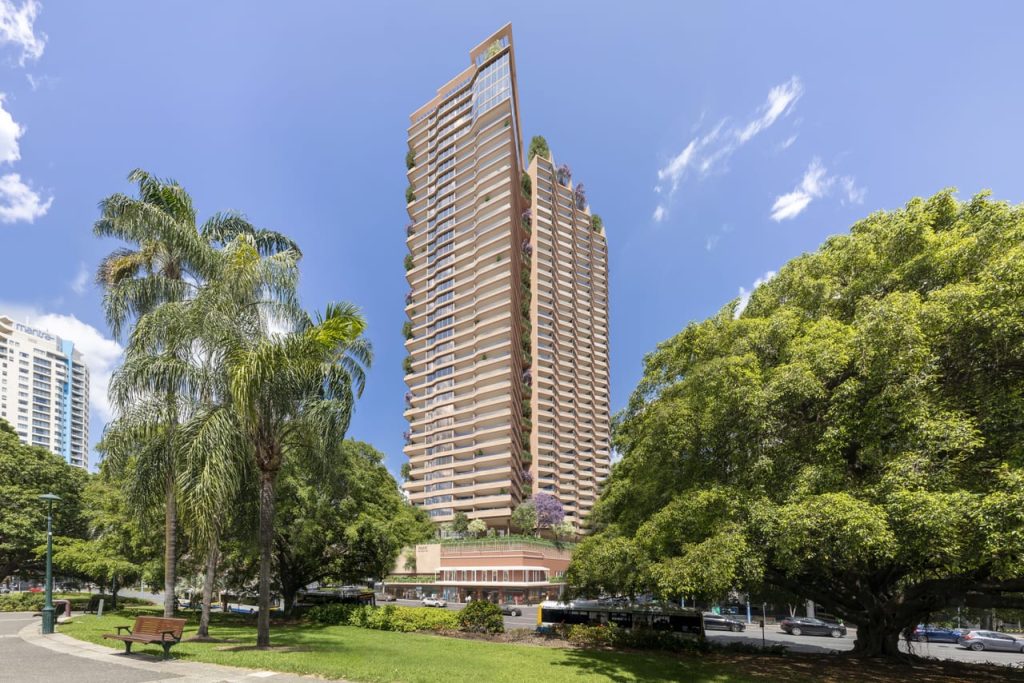
A prominent development site at 70-82 Wickham Street in Fortitude Valley has launched to market with concept plans for towers up to 40 storeys, positioning developers to meet Brisbane’s growing need for apartments ahead of the 2032 Olympic and Paralympic Games.
Colliers Queensland‘s Brendan Hogan and Troy Linnane have been appointed to sell the site known as Landmark Brisbane, spanning 2,416 square metres across three street frontages. The property sits at the convergence of Brisbane CBD, Fortitude Valley and New Farm, placing it at the heart of the city’s most dynamic lifestyle, employment and growth corridors.
Concept plans prepared by architects Cottee Parker outline development scenarios of 25 and 40 storeys, delivering more than 350 apartments under both build-to-sell and build-to-rent scenarios, subject to approval. The site currently hosts a two-storey retail and commercial complex.
Gateway Location Near Howard Smith Wharves
Hogan said the development site is positioned close to Howard Smith Wharves, Brisbane’s premier riverfront dining and entertainment precinct, and only a 15-minute walk to the Victoria Park Olympic precinct. This proximity to Olympic infrastructure adds appeal for developers looking to capitalise on the Games-driven demand for accommodation.
Inner-city Brisbane is experiencing acute undersupply of apartments, with vacancy rates below one percent and prestige developments in the inner-city are setting new benchmarks, with some luxury projects now commanding upwards of $20,000 per square metre. Market analysts currently rank Brisbane’s growth fundamentals as the strongest among eastern seaboard capitals, driven by persistent undersupply and interstate migration.
360-Degree Views and Strategic Position
The proposed tower heights unlock potential for 360-degree views, offering future residents uninterrupted outlooks over the CBD, Story Bridge, and Brisbane River. The surrounding Fortitude Valley precinct is undergoing rapid gentrification, underpinned by premium residential developments, lifestyle-driven demand and strong population growth.
Linnane said South East Queensland’s population growth is driving unprecedented demand for inner-city apartments, making high-quality development sites in prime locations increasingly scarce. The site’s gateway positioning, river and skyline views, and proximity to the Olympic precinct create a once-in-a-generation opportunity to develop a world-class project.
Strong Market Interest Expected
Colliers has already seen strong market interest from a range of local, interstate and offshore developers, as well as institutional investors and high net worth individuals. The expressions of interest campaign for the Fortitude Valley development site closes March 19, with multiple parties expected to compete for the opportunity.
The site joins other major Fortitude Valley development sites currently on the market, including a Barry Parade property with approval for dual towers of 27 and 37 storeys comprising 490 apartments. The cluster of development opportunities reflects Fortitude Valley’s position as a key growth area for Brisbane’s residential market ahead of the 2032 Games.