


Brisbane Gets a Blooming Good Surprise as CJ Hendry’s Flower Shop Arrives

CJ Hendry’s Flower Shop, the travelling pop-up that drew hour-long queues at Sydney’s Royal Botanic Garden last month, is heading to Fortitude Valley as the only other Australian stop on its 2026 tour.


The pop-up will run at 1 Arthur Street from 25 June to 12 July. Every fabric flower costs $5, and every visitor receives one free on entry. There is no limit on how many you can buy. If Sydney’s response is any guide, Fortitude Valley could be in for some serious foot traffic.

Hendry quietly announced the Brisbane dates through her online calendar, and locals were quick to take notice.

From Brisbane to Brooklyn

Hendry was born in South Africa and raised in Brisbane, studying architecture at QUT and also finance, before walking away from both to pursue art full-time in 2013.

She sold her designer wardrobe on eBay to fund the transition, drew from early morning until late at night seven days a week, and built a following entirely through Instagram before galleries or representation entered the picture.

By 2015 she had relocated to New York, where she is now based in Brooklyn. Her hyperrealistic large-scale drawings of luxury objects, rendered in her signature layered scribbling technique, command five to six-figure prices from collectors internationally. Her right hand is insured for $10 million.

She has described Brisbane as the place where she can simply switch off. “Brisbane is very calming for me,” she has said. The Flower Shop returning here is not an accident.

Inside the Flower Shop

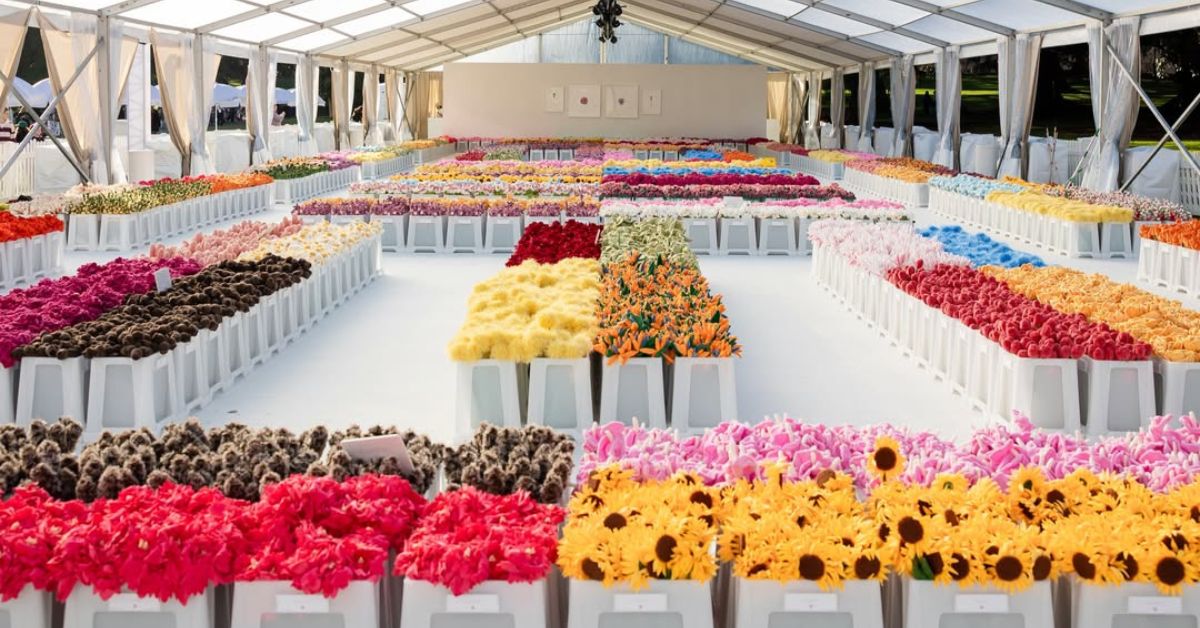
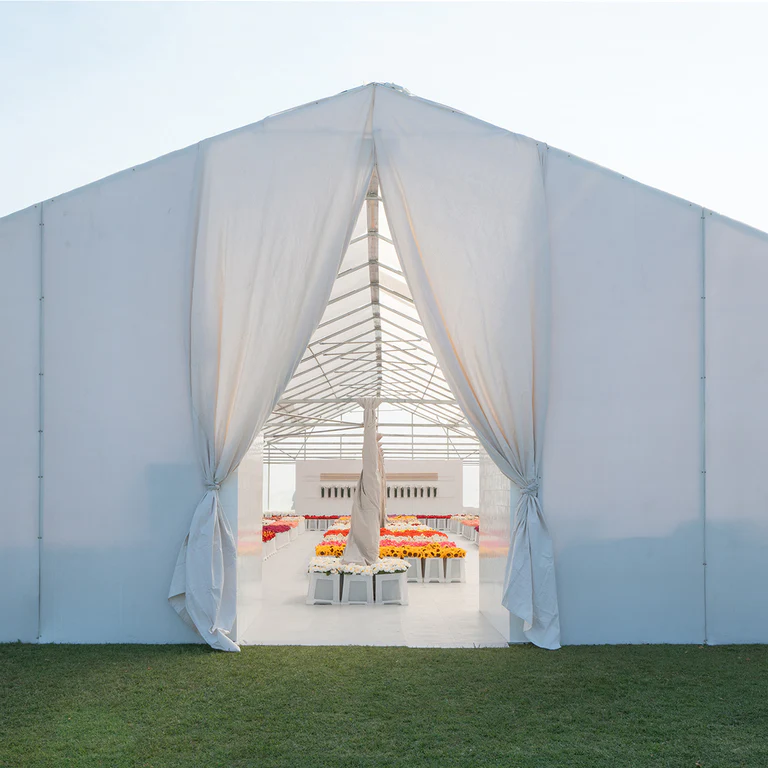
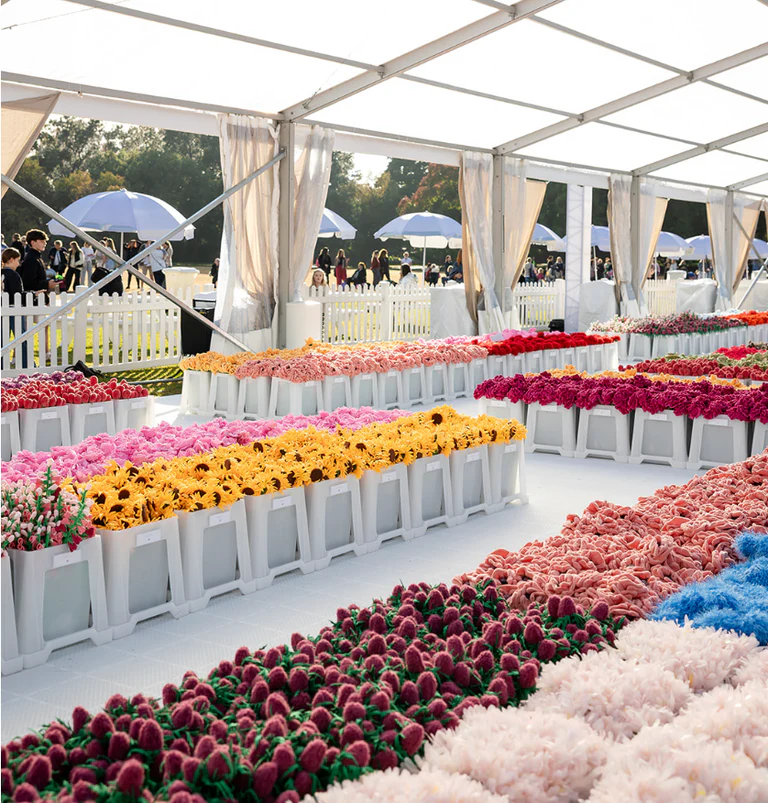
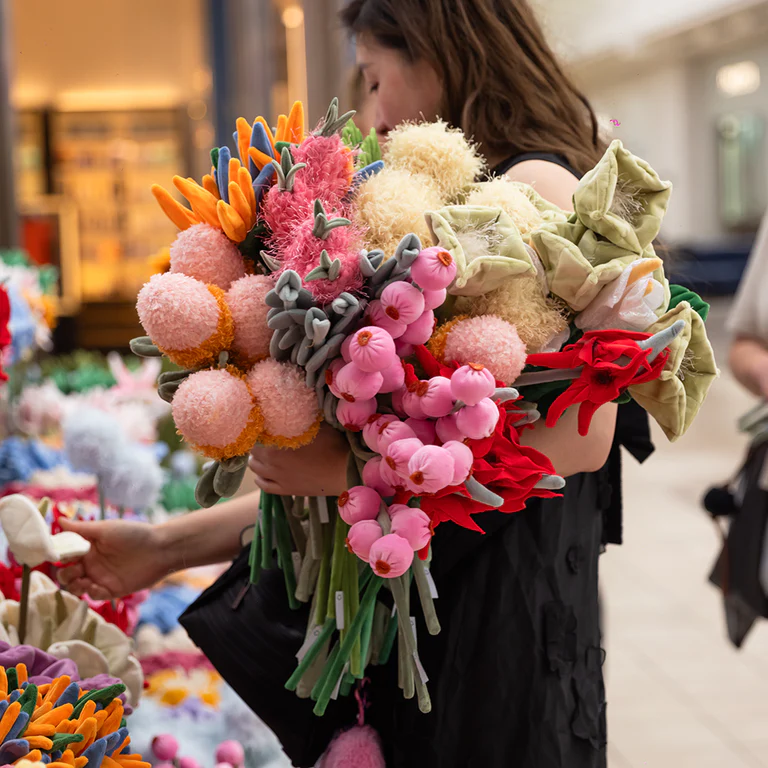
The Flower Shop is an in-person-only travelling market built entirely around Hendry’s fabric flowers, each one handcrafted from felt and fabric in different shapes, sizes, colours and textures.

Buckets overflow with blooms of every variety imaginable: classic roses and tulips alongside more surrealist forms, and Australian-exclusive designs including native florals such as wattle and gum nuts, which sold out in Sydney.

Photo Credit: @cj_hendry/Instagram

The concept draws on the same sense of play that runs through all of Hendry’s work: ordinary objects transformed into something slightly unreal, where the pleasure is in noticing the craftsmanship up close. At $5 a stem with a free flower on entry, it is also one of the more accessible encounters with a genuinely world-famous artist’s practice.

Photo Credit: @cj_hendry/Instagram

The Flower Shop has visited Singapore, Melbourne, Hong Kong and New York, where a permanent retail store now operates. Sydney and Hong Kong permanent stores are to follow. The Brisbane pop-up is a two-and-a-half week window only.

Getting there and what to bring

1 Arthur Street sits in Fortitude Valley, close to Brunswick Street and accessible from the Valley train station. Street parking is limited on weekday evenings and weekends, so public transport or rideshare is the practical choice.

Tips from the Sydney crowd: arrive early, check the Flower Shop’s Instagram before you go to shortlist your favourites, and bring something to carry your stems home in.

The CJ Hendry Flower Shop runs 25 June to 12 July at 1 Arthur Street, Fortitude Valley. Entry is free. Follow @cj_hendry for updates as opening day approaches.


Published 4-June-2026

Howard Smith Wharves Expansion Approved With Brisbane’s First Over-River Pool

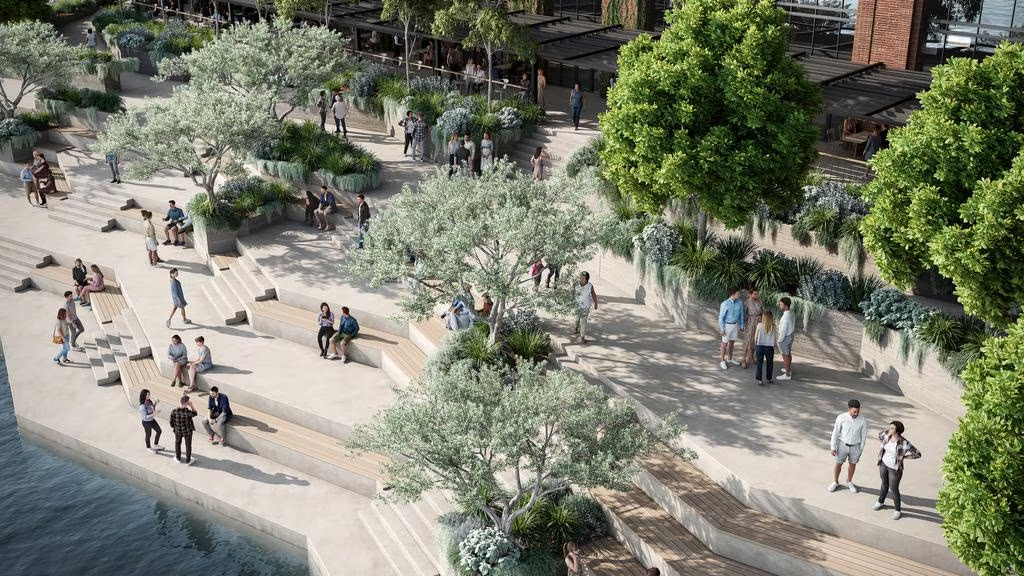
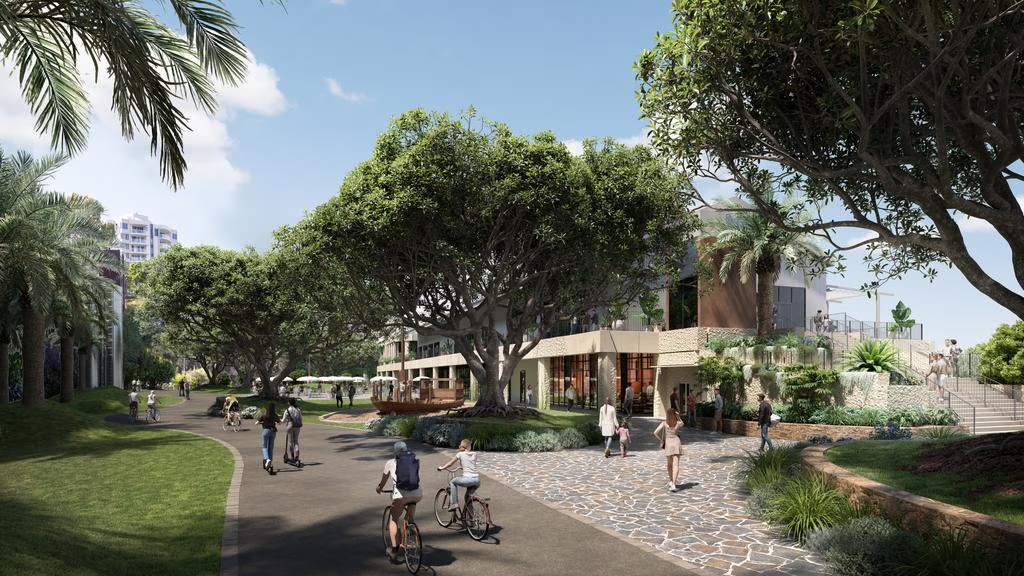
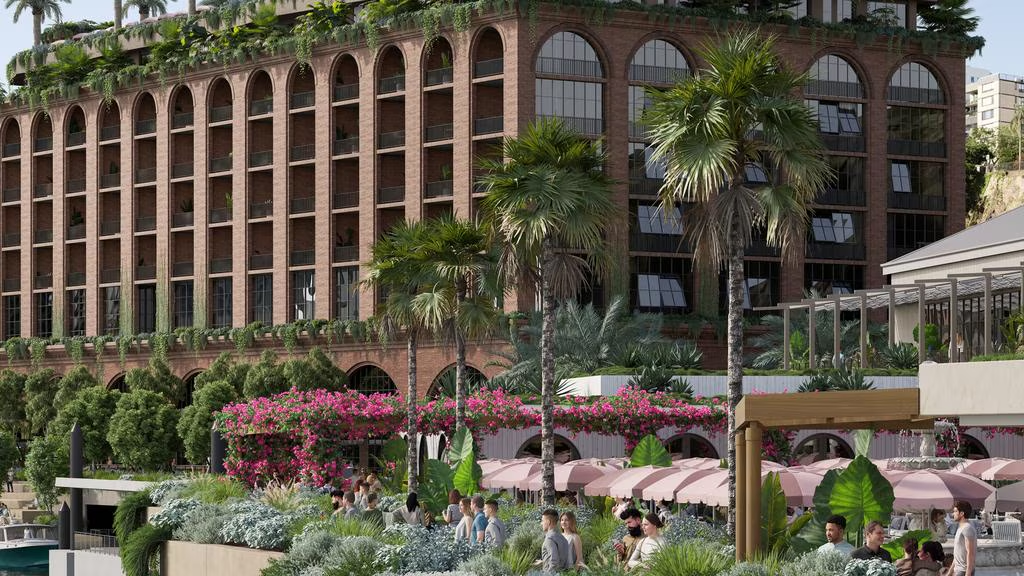
Artemus Group has received approval for a $500 million expansion of Howard Smith Wharves, bringing Brisbane’s first over-river swimming pool, a 106-room boutique hotel and 8,500 square metres of new public space to the heritage-listed precinct beneath the Story Bridge.


The development approval, granted this week, fires the starting gun on a transformation the Fortitude Valley precinct’s developers have been planning since lodging the application in September 2024.

Dubbed HSW 2.0, the expansion represents the most ambitious change to the site since the original $110 million redevelopment opened in November 2018, and it lands with a clear deadline in sight: the 2032 Olympic and Paralympic Games.

Brisbane’s first over-river pool

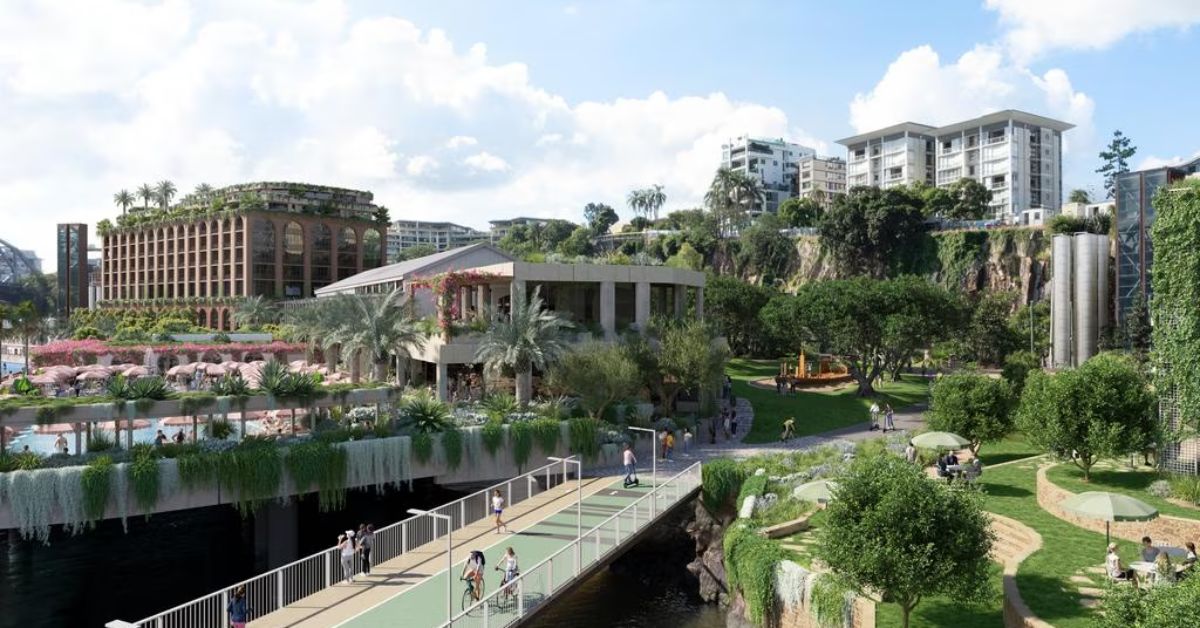
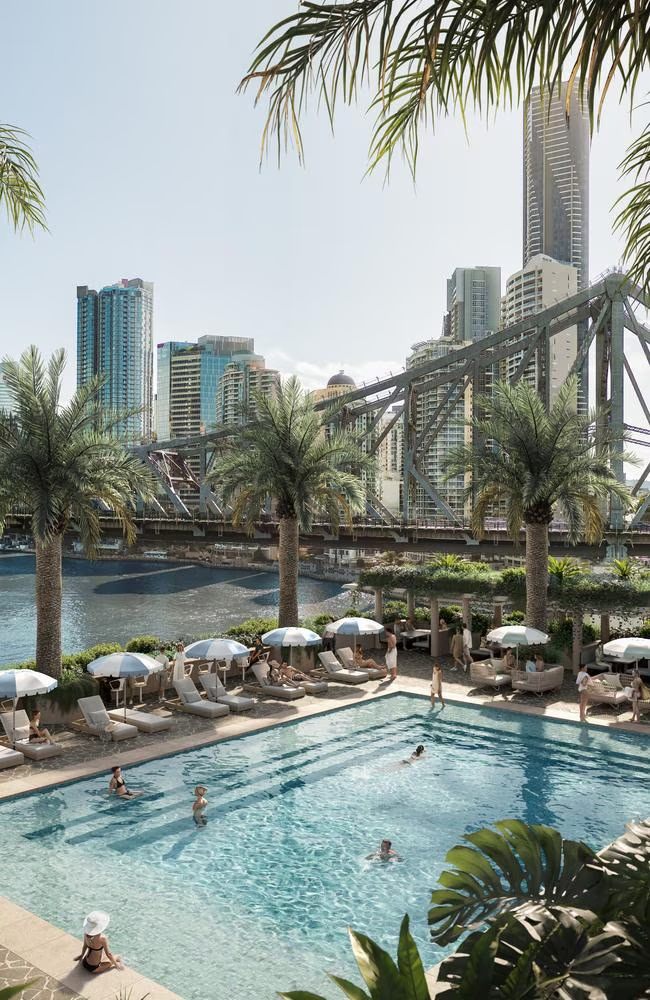
The standout element of the approved design is the over-river pool, the first of its kind in Brisbane. Positioned to extend out over the Brisbane River, the pool forms part of a broader bar and dining precinct that will replace the existing Rivershed venue.

Photo Credit: DA A006618899

Renderings show an open-air structure that puts swimmers directly above the river, with the Story Bridge and cliffs of Kangaroo Point as the backdrop.

No Brisbane venue has built a pool over the river before. The concept draws on precedents in cities like Paris, where floating pools on the Seine have long been part of how the city uses its waterway, and it fits the broader pattern of cities reclaiming their rivers as recreational infrastructure rather than industrial remnants or backdrop scenery.

Photo Credit: DA A006618899

Artemus Group founder Adam Flaskas framed the approval as a defining moment for both the precinct and Brisbane’s relationship with its river.

“This is a once-in-a-generation opportunity for Brisbane,” Flaskas said. “Howard Smith Wharves has always been about connecting people with this magnificent river, and with this announcement we take that vision to an entirely new level.”

A precinct built on Depression-era foundations

Howard Smith Wharves carries genuine historical weight. The wharves were built between 1939 and 1942 as part of a relief employment programme during the Great Depression, constructed in conjunction with the Story Bridge directly above them.

The site served the Howard Smith Co Ltd coastal shipping company until the 1960s, hosted World War II air-raid shelters, and then sat largely abandoned for decades before being listed on the Queensland Heritage Register in 1997.

Photo Credit: DA A006618899

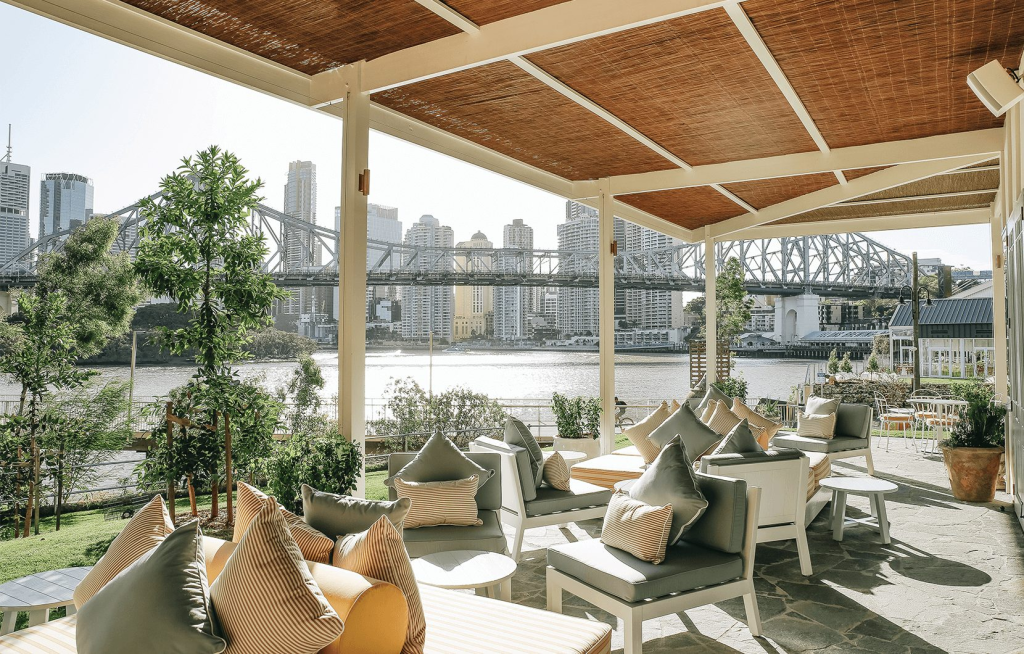
Artemus Group secured the site in 2015 and spent three years transforming it into the vibrant precinct locals know today. The riverside hub features 13 restaurants, cafes, and bars, including Felons Brewing Co, Yoko, Greca, Stanley, and Ciao Papi, alongside Crystalbrook Vincent hotel and Howards Hall.

It became the first site in Brisbane to achieve Heritage Hero Status from the National Trust, recognised for its management of built, environmental and cultural heritage across the one development.

Photo Credit: Howard Smith Wharves

The 2018 version of Howard Smith Wharves gave the precinct its identity. HSW 2.0 is designed to deepen it.

Everything else the expansion includes

Beyond the over-river pool, the approved plans include a nine-storey, 106-room boutique hotel to be built atop a substantially upgraded Felons Barrel Hall. The revamped hall will be designed to attract larger music and entertainment events, addressing one of the current site’s capacity limitations.

Two new cliffside lifts will improve access to the precinct from Bowen Terrace above, addressing a long-standing friction point for visitors who find the staircase descent from the valley’s upper streets steep or difficult. Cascading riverfront stairs will create a more gradual connection between the precinct and the water’s edge.

Photo Credit: DA A006618899

The pontoon infrastructure, which will provide private boat mooring and improved river access for tourism operators, is designed to be flood-resilient, a significant engineering consideration for any structure built over the Brisbane River. The new public realm totals 8,500 square metres, a 30 per cent increase on the current site’s outdoor space.

Howard Smith Wharves chief executive Luke Fraser said every design decision had been guided by a single question.

“How do we create something that Brisbane will be proud to show the world in 2032 and for decades beyond?” he said.

What comes next

The full build is targeted for completion ahead of the 2032 Games. Construction timelines have not yet been confirmed publicly, though the development approval means the project can now move into detailed design and tender phases. The Bougainvillea House event venue will also be redeveloped from its current single storey into a two-storey building as part of the broader works.

Howard Smith Wharves is at 5 Boundary Street, Fortitude Valley. For updates on the HSW 2.0 development and precinct bookings, click here.


Published 28-May-2026

Agnes Unveils Biggest Menu Shake-Up Since Opening in Fortitude Valley

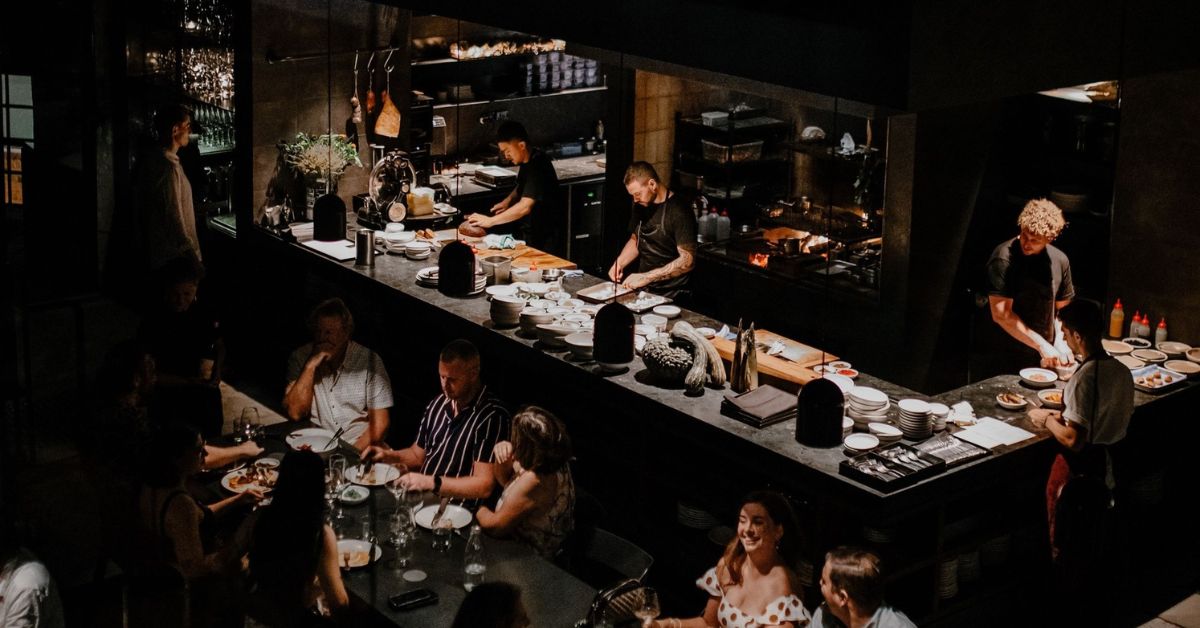
Agnes, the fire-driven restaurant tucked inside a heritage brick warehouse on Agnes Street in Fortitude Valley, has unveiled its most substantial menu overhaul to date, introducing 25 new dishes inspired by Spanish and Mediterranean flavours.


Agnes feels almost like it was meant to be there all along — a street with the same name, a stripped-back warehouse of brick and concrete, and a kitchen that runs entirely without gas or electricity.

Nearly six years on, Agnes has become one of the most recognised restaurants in Brisbane not by reinventing itself each season but by staying firmly committed to a single idea: fire as the only means of cooking, and produce as the only point of difference.

The new menu, unveiled in May 2026 by co-owner and culinary director Ben Williamson, does not abandon that idea. It sharpens it.

A change in the kitchen that prompted a rethink

The menu shift follows the departure of group chef Adam Wolfers, who stepped away earlier this year to take on a similar creative role at Sydney restaurant group Esca. Wolfers had been a significant part of Agnes’s culinary identity, and his exit gave Williamson both the reason and the space to approach the menu from scratch.

Photo Credit: Adam Wolfers/Facebook

The result is 25 new dishes that Williamson describes as a return to the restaurant’s original instincts: fewer elements, better produce, and the fire left to do most of the talking.

“Working with fire is the art of managing a primal element, compelling our team to cook with intuition,” Williamson says. “Our new menu reflects this philosophy, stripping back unnecessary elements and focusing on quality produce, allowing the ingredients and fire to speak for themselves. I wrote this menu from the ground up to take Agnes back to its roots.”

The Spanish and Mediterranean lean is a notable shift in emphasis, though not entirely a surprise for a kitchen that has always drawn on a broad palette of influences. Williamson’s background includes time cooking in the Middle East and years at Gerard’s Bistro before Agnes opened, and that restlessness with any single culinary tradition has always fed into what ends up on the plate.

The new dishes

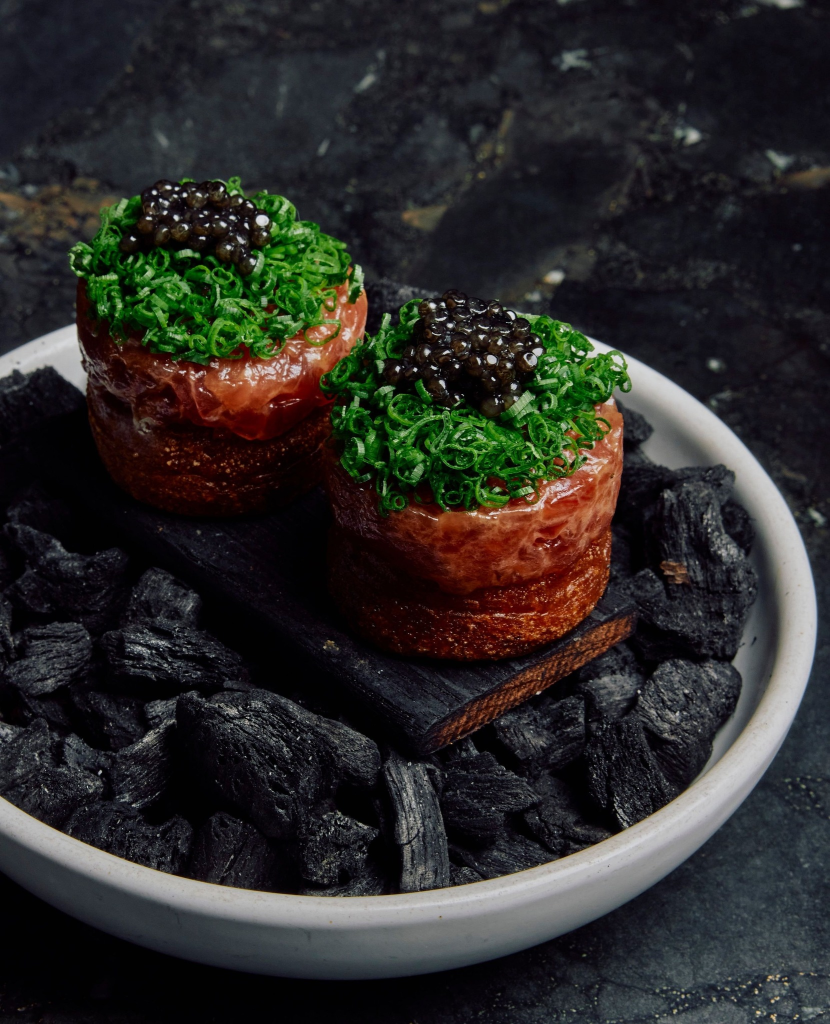
The new menu reads like a list of things that shouldn’t work together until they do. Scorched Mallorquin toast arrives with honeycomb, fennel seeds and guindillas, the sweet and the sharp and the pickled finding their alignment. Chistorra, a Catalan-style chorizo, is roasted in cider.

Coral trout comes in pil pil sauce with burnt lemon, the Basque technique of emulsifying fish collagen into a silky, almost gelatinous sauce lending the dish a texture that few other cooking methods could achieve.

The kitchen at Agnes burns ironbark, applewood, cherrywood and olivewood, each chosen for how differently it interacts with whatever is being cooked. That level of specificity is what separates the fire-cooking here from a novelty act, and it is that same specificity that underpins the new dishes.

Not everything changes. The smoked tomato toast remains, a dish that has become close to non-negotiable for regulars. The sourdough crumpet with yellowfin tuna and crème fraîche also stays on, a combination that has been quietly perfecting itself since the restaurant opened.

Two set menus and a new cocktail list

Alongside the food, Agnes has introduced two set menus for groups of two or more. One sits at $89 per person, the other at $139, each combining dishes from the new menu with a selection of the restaurant’s classics. The format suits the way Agnes is best experienced: not as a series of individual choices, but as a meal that builds across the table.

The cocktail list has also been overhauled, this time with a Once Upon a Time in Hollywood theme. Two of the new drinks are the Did I Say Something Funny, Stuntman, combining kalamansi, chamomile, gin, apricot and peated rice, and the Spahn Ranch, made with tequila, bee pollen, raspberry and lime.

Whether the film reference is a wink or a genuine structural conceit barely matters when the drinks are that specific about their ingredients.

Sunday bookings carry a 10 per cent surcharge and public holidays a 15 per cent surcharge. Duck dishes are available to preorder at least 24 hours before a booking by emailing seatme@agnesrestaurant.com.au.

Agnes is at 22 Agnes Street, Fortitude Valley, and opens Tuesday to Thursday from 5.30pm, Friday and Saturday from 11.30am, and Sunday from 5.30pm. Phone (07) 3067 9087. Bookings are available here.


Published 27-May-2026

QUT Eyes 2032 Role as Campuses Near Olympic Action


Queensland University of Technology (QUT) is aligning both its Gardens Point and Kelvin Grove campuses with Brisbane’s preparations for the 2032 Olympic and Paralympic Games, with a focus on campus upgrades, sport research and industry partnerships.


Campuses tied to growing Olympic precinct

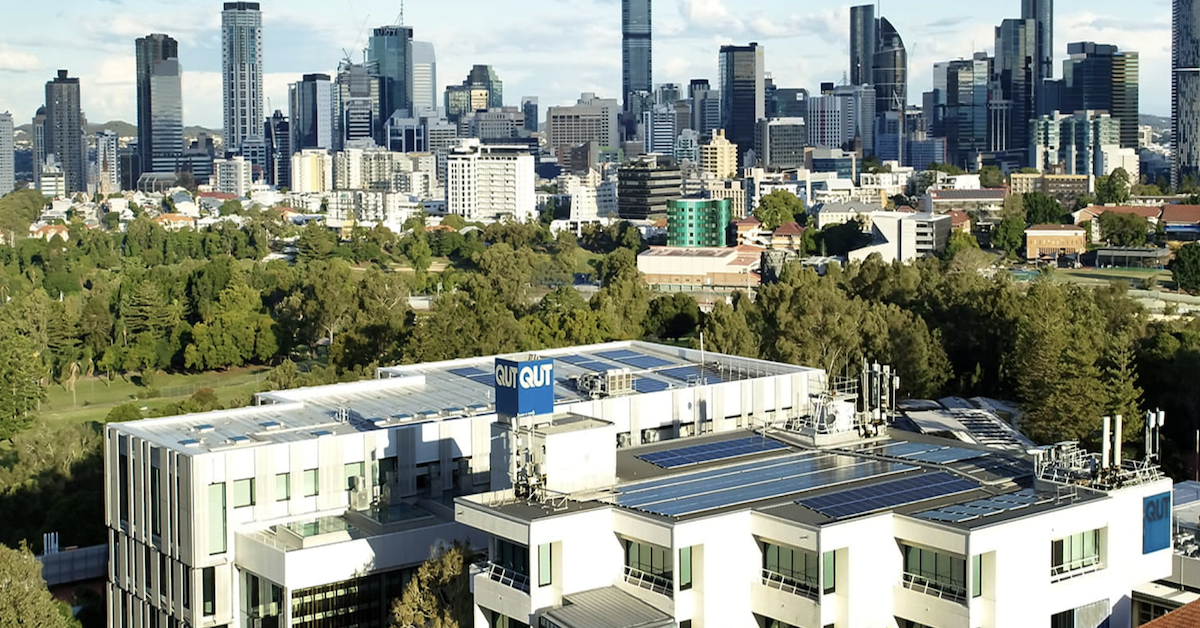
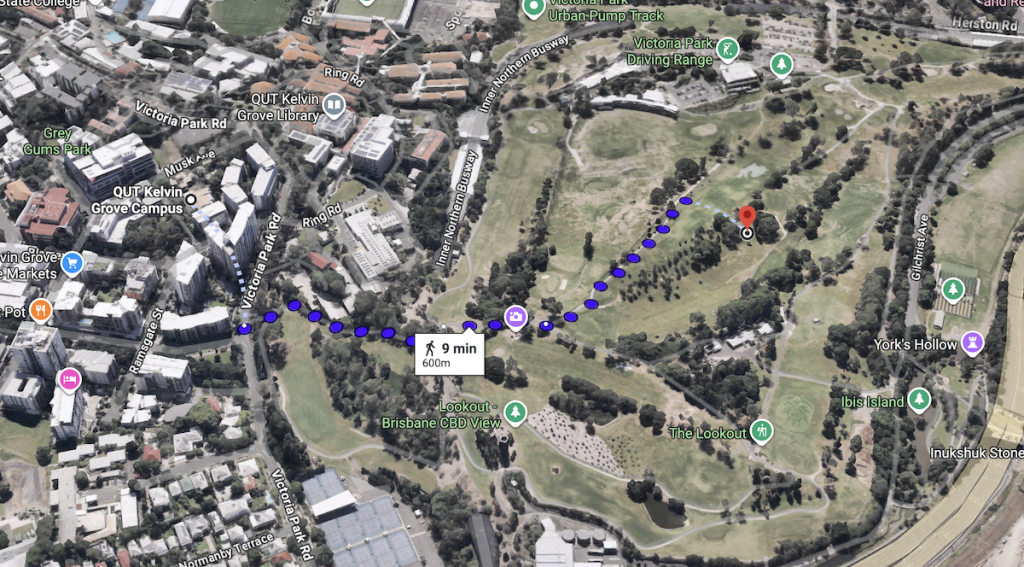
QUT’s Kelvin Grove campus sits next to the planned Victoria Park Olympic stadium and National Aquatic Centre, placing it within what is expected to become a major sporting hub.

The university has indicated the wider Olympic and Paralympic precinct will link with the nearby Herston Health Precinct, forming a connected corridor for sport, health and biomedical research in Brisbane’s inner north.

Photo Credit: Google Maps


At the same time, its Gardens Point campus near the CBD and Fortitude Valley is positioned within the broader inner-city zone expected to see increased activity as the Games approach.

Campus changes planned over next decade

QUT has outlined a long-term master plan covering both campuses, designed to respond to growth linked to Brisbane 2032 and wider city development. The plan includes improving accessibility and safety, making campuses easier to navigate, and creating more flexible teaching and learning spaces. It also focuses on making research and innovation work more visible, allowing stronger links between students, industry and the community.

These changes are being planned alongside major developments such as the Victoria Park redevelopment and the expansion of surrounding health and knowledge precincts.

Facilities support sport and health focus

QUT already has a wide range of sport and health facilities across its campuses, including gyms, aquatic centres, indoor and outdoor courts, a FIFA-accredited field with a running track, and dedicated spaces such as an esports arena and virtual sport studio.

The university also operates health clinics in areas including exercise physiology, podiatry, nutrition, optometry and psychology, which support both student learning and community services.

These facilities are expected to play a role in supporting athlete preparation, research and participation in the lead-up to 2032.

QUT Sport tech van
Photo Credit: QUT

Student programs and innovation projects underway

QUT is running several programs that link students directly to sport and event-related work. Through its Sport Innovation ProtoComp, students work with industry mentors to develop solutions for real-world challenges in sport, including digital tools and performance systems.

The university has also developed projects focused on inclusive sport, including a virtual reality sports wheelchair simulator and an adaptive handcycle trainer that allows wheelchair users to take part in virtual cycling programs.

These initiatives bring together design, engineering, health and technology, reflecting the range of skills needed for large events like the Olympics.

QUT student athletes
Photo Credit: QUT

Global sport conference brings focus to Brisbane

QUT has already brought international expertise to Brisbane through its Future of Sport Conference, held at the Gardens Point campus in March. The event brought together leaders in sport, technology and research to examine how data, innovation and partnerships are shaping the future of sport ahead of the 2032 Games.

The university has indicated the conference reflects its role in linking research with practical outcomes as Queensland prepares for a series of major sporting events. Discussions covered areas such as performance analytics, athlete wellbeing, emerging technologies and the long-term sustainability of sport.

Researchers involved highlighted how data is increasingly used to improve training, reduce injury risk and support athlete wellbeing, with these approaches expected to expand in the lead-up to 2032.


Published 13-April-2026

Two 15-Storey Co-Living Towers Planned for Constance Street in Fortitude Valley

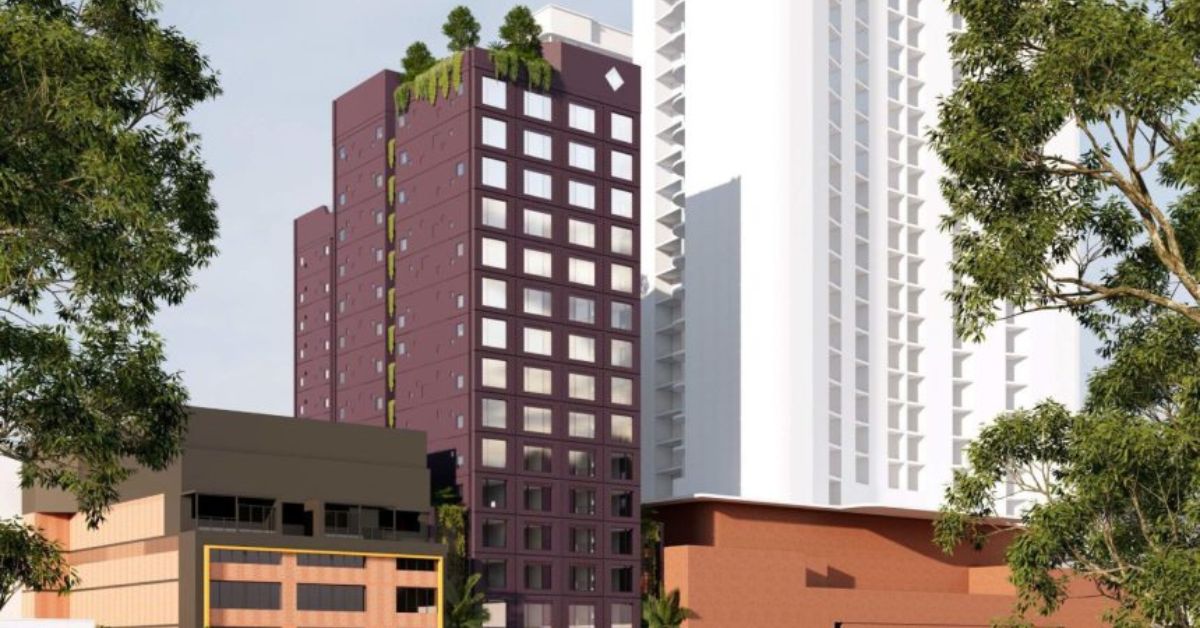
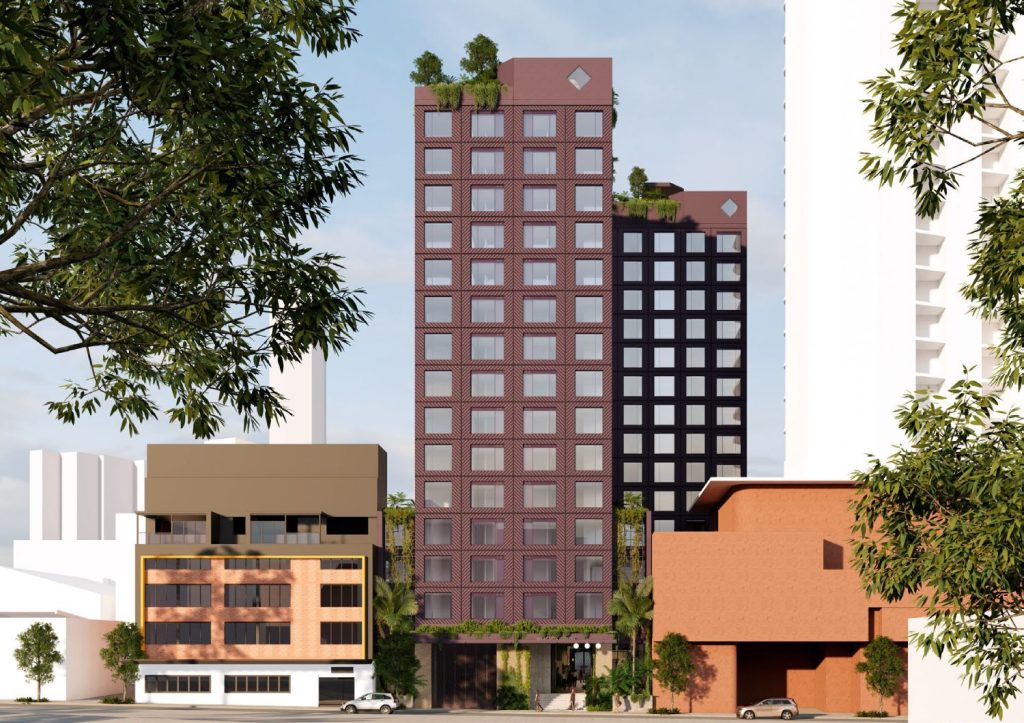
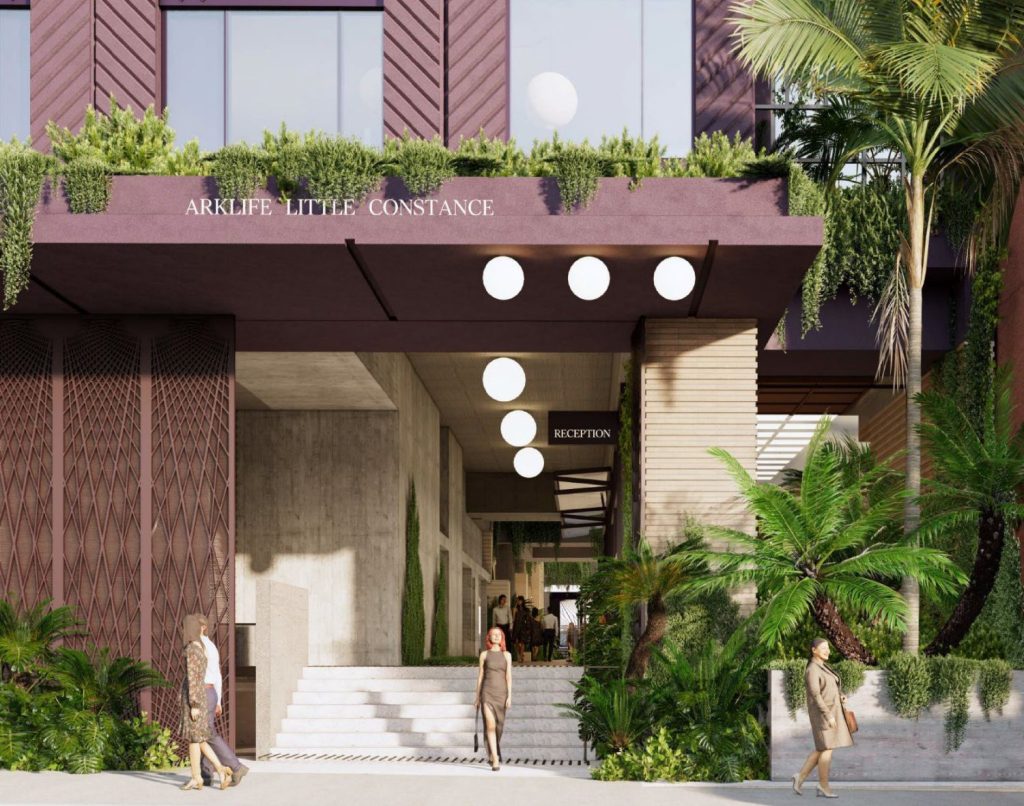
A development application for two 15-storey towers containing 312 co-living units has been lodged for 24-26 and 26A Constance Street in Fortitude Valley, proposing one of the suburb’s largest purpose-built co-living projects yet in a precinct already transforming rapidly.


The proposal, designed by Rothelowman with planning by Urbis and landscaping by LatStudios, would deliver 312 self-contained one-bedroom rooms across two podium-and-tower buildings on a site of approximately 1,551 square metres. The application was lodged on 27 February 2026 under reference A006972487. Each room includes a private living area, kitchenette and bathroom, with shared facilities including a swimming pool, gym, indoor dining areas, barbecue and outdoor dining spaces, communal seating and landscaped recreation areas distributed across the buildings.

Ground level activation is a prominent feature of the design. A publicly accessible but privately maintained laneway would run through the site, lined with small retail kiosks, a town-square style open space, concierge and resident lounge areas, landscaped seating and planting. The laneway concept connects through from Constance Street and is intended to add a pedestrian dimension to what is currently an underutilised block directly opposite the BMW dealership, about 250 metres from The Wickham hotel.

What Co-Living Means in Practice

Co-living sits somewhere between a traditional apartment and a serviced residence. Each unit in the Constance Street proposal functions as a self-contained room with its own bathroom and kitchenette, but residents share a significantly broader suite of communal amenities than a typical apartment building provides. The model is particularly popular with young professionals, students and short-term residents who prioritise location and community over space, and it typically comes at a lower price point than a comparable standalone apartment.

Two 15-Storey Co-Living Towers Planned for Constance Street in Fortitude Valley
Photo Credit: DA A006972487

The application classifies the units as rooming accommodation and short-term accommodation under Brisbane’s planning scheme, reflecting the flexible way the operator intends to use the building. Urbis notes in its planning report that the proposal is consistent with the planning intent of the Principal Centre Zone and the Fortitude Valley Neighbourhood Plan, both of which support high-density residential development in a location well served by surrounding amenities and public transport.

No on-site car parking is proposed, with 30 bicycle spaces planned instead. The application notes that parts of the block may be susceptible to flooding, a detail that will form part of the formal assessment process.

Fortitude Valley’s Co-Living and Build-to-Rent Boom

The Constance Street proposal arrives in a Valley already thick with development activity. Arklife, the developer behind the current application under the “Arklife Little Constance” branding, previously lodged plans for a 31-storey build-to-rent development nearby on Constance Street with 327 units alongside retail and office space. A separate development application for two build-to-rent towers directly above The Zoo music venue on Ann Street was lodged in 2023. Earlier this year, plans emerged to redevelop the historic former Keating’s Bread Factory between Warry and Kennigo streets with 100 units across 17 storeys.

Photo Credit: DA A006972487

Together, these projects point to Fortitude Valley as one of the most active apartment development corridors in south-east Queensland, driven by its central location, excellent transport links and the strong demand from young professionals and students who want to live close to the inner city without the price tag of New Farm or Teneriffe.

Fortitude Valley sits within Brisbane’s Principal Centre Zone, which explicitly supports high-density residential development, and the suburb’s relative affordability compared to adjoining inner-city precincts continues to attract both developers and renters in large numbers.

Why This Matters to the Fortitude Valley Community

For residents of Fortitude Valley and the surrounding inner-city suburbs, the Constance Street proposal raises questions that are worth engaging with now, before the assessment process concludes. Co-living development at this scale brings genuine benefits, including more housing supply in a high-demand area, ground-level activation through the public laneway and the kind of rooftop and communal amenity that enlivens a streetscape. It also raises practical questions about pedestrian flow through the laneway, the absence of on-site parking in a street with existing congestion pressures and the flooding risk flagged in the application documents.

No public submissions have been received on the application at the time of writing, which means the window for community input remains open. Residents, nearby businesses and anyone with an interest in how the Constance Street block develops can lodge a submission through the development application portal. Submissions should be based on planning grounds and address specific aspects of the proposal such as built form, traffic, flooding, amenity or neighbourhood character.

The application reference is A006972487 and can be viewed in full through this link. The submission period is open and residents are encouraged to engage with the proposal while the formal assessment is underway.


Published 18-March-2026.