

Brisbane Cathedral to Glow by Candlelight for Halloween Concert

Brisbane’s St John’s Cathedral will be transformed into a candlelit concert venue for Halloween, with haunting classical compositions, horror film themes and familiar popular music performed by live string quartets beneath the cathedral’s towering Gothic architecture.


The Candlelight: A Haunted Evening of Halloween Classics concerts will take place on Friday, 30 October and Saturday, 31 October 2026, at 6:30 p.m. Organised by entertainment platform Fever, the performances will bring a Halloween-inspired programme to St John’s Cathedral at 373 Ann Street, Brisbane City, with thousands of candles forming part of the setting.
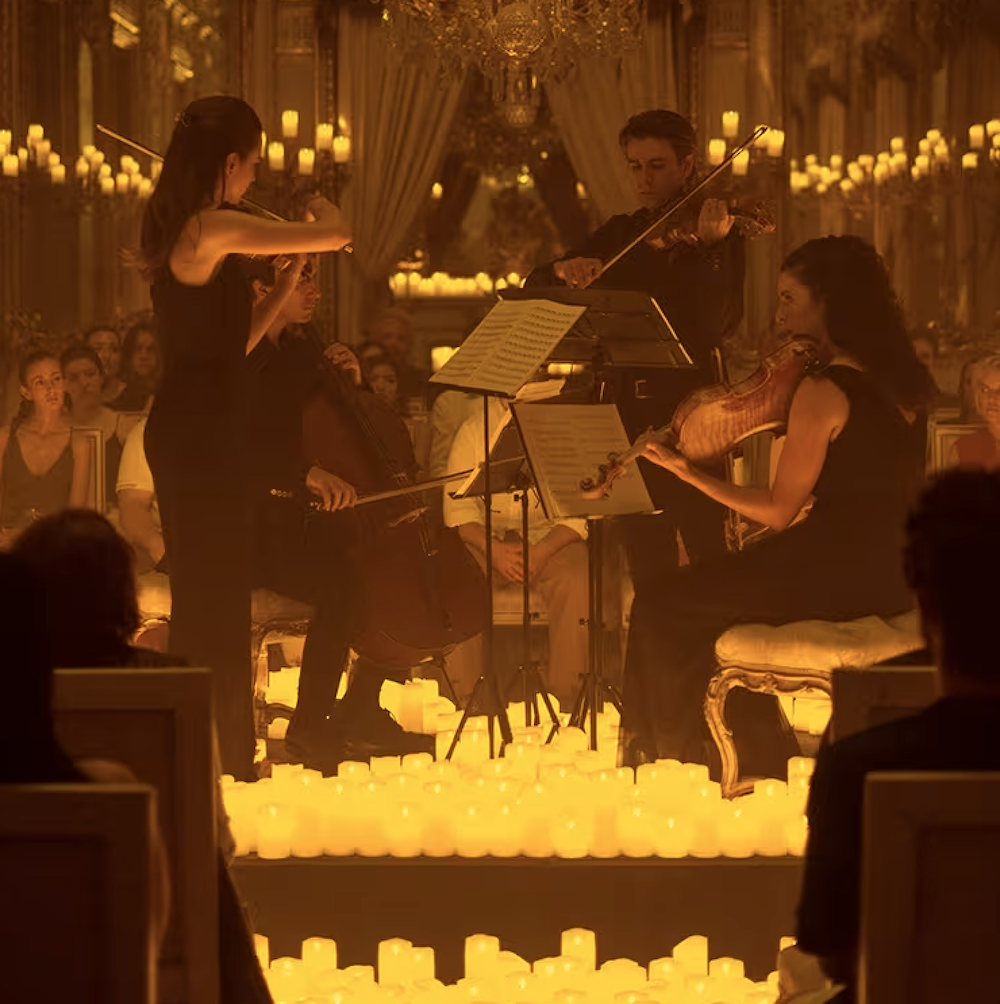
Photo Credit: Fever Up

From Michael Jackson to Hollywood horror

Michael Jackson’s “Thriller” will feature alongside music from some of cinema’s best-known horror and supernatural films, including “Psycho,” “The Nightmare Before Christmas,” “Beetlejuice” and “The Addams Family.”

The programme also includes the “Ghostbusters” theme, “Tubular Bells” from “The Exorcist,” and a medley featuring music associated with “The Shining,” “Candyman” and “Halloween.” An arrangement of “Paint It Black,” featured in the television series “Wednesday,” adds another contemporary connection to the selection.
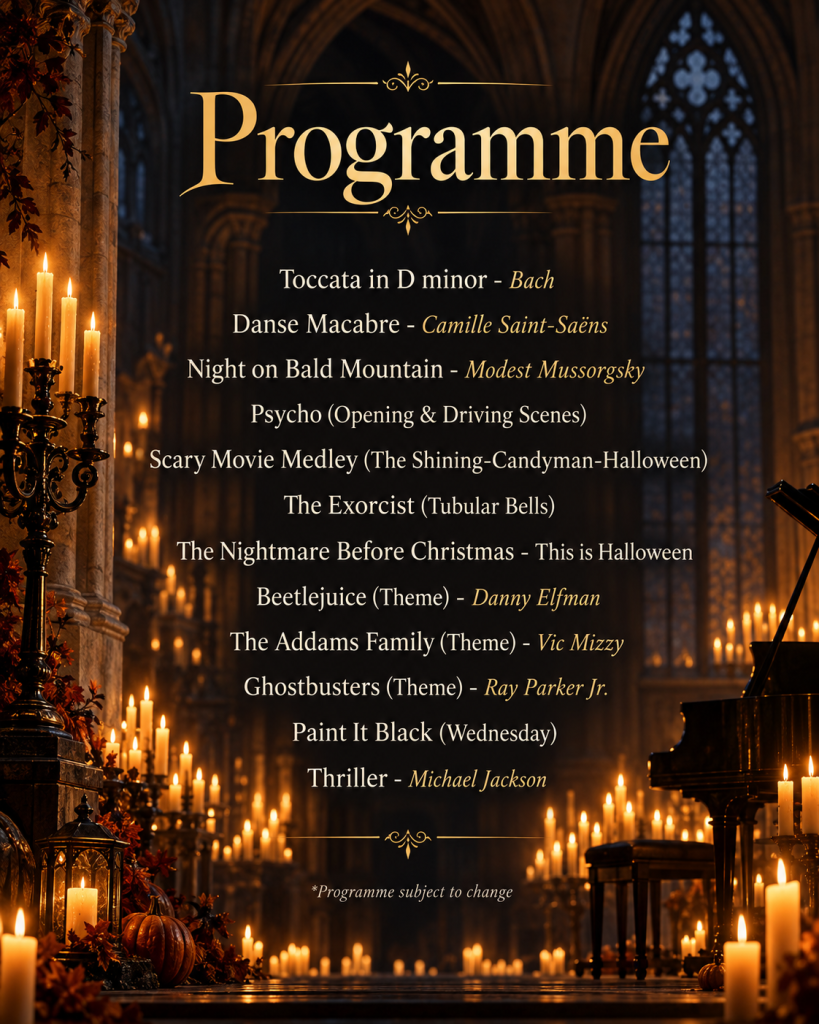
Classical compositions will share the programme with the film and television music. Johann Sebastian Bach’s “Toccata in D Minor,” Camille Saint-Saëns’ “Danse Macabre” and Modest Mussorgsky’s “Night on Bald Mountain” are among the works selected for their dramatic and atmospheric qualities.

The music will be performed through string quartet arrangements rather than original recordings or full orchestral performances. Chromatica is scheduled to perform on 30 October, while Paradiso Strings will take the stage on Halloween night, 31 October. The programme is subject to change. Official programme and performers

A Halloween setting beneath the cathedral’s arches

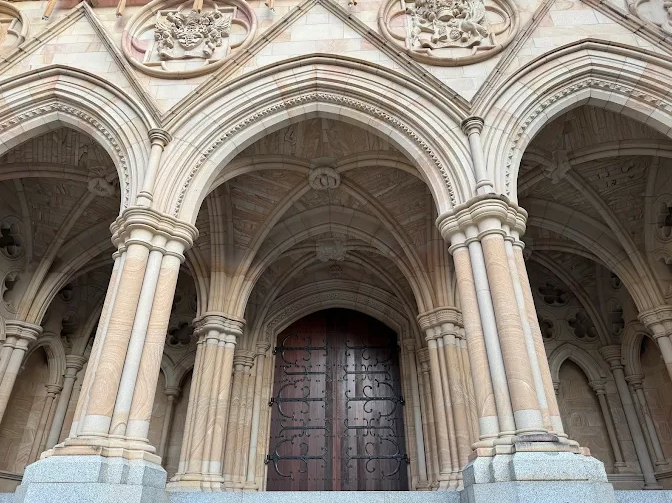
St John’s Cathedral, an Anglican cathedral in Brisbane’s CBD, combines Romanesque and Gothic architectural elements and regularly hosts concerts and other cultural events.

Its stone columns, pointed arches and stained-glass windows will provide the backdrop for the Halloween performances, with the interior illuminated by the warm glow of thousands of candles.

The venue already hosts performances from Fever’s Candlelight series, which presents live instrumental arrangements of classical compositions and music by contemporary artists. The Halloween edition brings together works spanning centuries, from Bach and Mussorgsky to Michael Jackson and modern film soundtracks. Candlelight concerts in Brisbane

Two nights of music, with tickets from $36.50

Each performance is scheduled to run for approximately 65 minutes, with doors opening 30 minutes before the concert and closing five minutes before the scheduled start. Late arrivals will not be admitted.

The concerts are open to audiences aged eight and above, although children younger than 16 must be accompanied by an adult. The cathedral is wheelchair accessible, and seating is allocated on a first-come, first-served basis within each purchased ticket zone.


Tickets are advertised from $36.50 for Zone D, rising to $51.50 for Zone C, $73.50 for Zone B and $105 for Zone A. Premium tickets are listed at $110, although the category was marked as sold out on the event page at the time of checking. Prices and availability may change.

Both performances will begin at 6:30 p.m., with the second concert taking place on Halloween night itself. Further details and bookings are available through the official Fever event page.

Published 8-Oct-2026
Why It Took More Than A Century To Build St John’s Cathedral

Did you know that St John’s Cathedral on Ann Street was built over three separate stages spanning two centuries? From the laying of its foundation stone in 1901 to the completion of its western towers and spires in 2009, the city’s Anglican cathedral took 108 years to realise its original vision and is one of the few Gothic cathedrals in the world completed using traditional hand-cut stone.


Read: Brisbane to Welcome New Archbishop Following Historic Vatican Appointment


Standing at 405 Ann Street in Brisbane City, on the edge of Fortitude Valley, the cathedral tells a story that extends well beyond its architecture. It reflects more than a century of public support and the commitment of generations of architects, stonemasons, clergy and supporters who worked to complete a design first conceived during the Victorian era.

A Vision That Spanned Generations

St John’s Cathedral
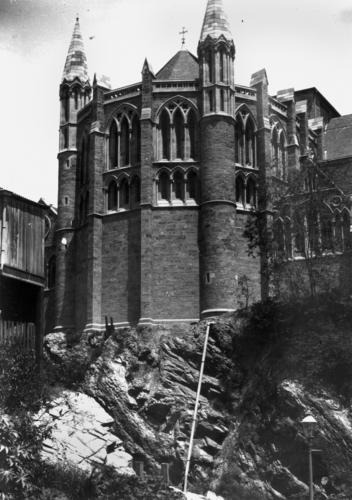
Back view of St John’s Cathedral taken from the cutting in Adelaide Street, ca 1910 (Photo credit: Agriculture and Stock Department, Publicity Branch/Queensland State Archives)

The cathedral project began in the 1880s when William Webber, Brisbane’s third Anglican bishop, commissioned English architect John Loughborough Pearson to prepare plans for a new cathedral. The proposal formed part of celebrations marking Queen Victoria’s Golden Jubilee in 1887 and was intended to be funded through public subscriptions.

Financial constraints meant the cathedral could not be completed in a single campaign. Instead, construction unfolded across three major stages over more than a century.

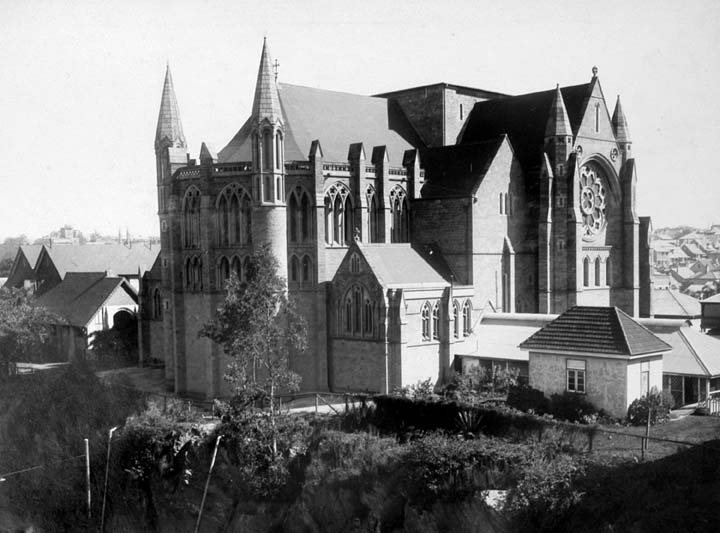
The foundation stone was laid in 1901 by the Duke of Cornwall and York, who later became King George V. The first stage of construction began in 1906 and was completed in 1910, delivering the sanctuary, transepts, choir, Lady Chapel and the first section of the nave.

The apse and crossing in 1927 (Photo credit: Agriculture and Stock Department, Publicity Branch/Queensland State Archives)

Following the Second World War, efforts resumed to complete the cathedral as a war memorial. A new foundation stone was laid in 1947 by Field Marshal Viscount Montgomery of Alamein, although construction did not recommence until 1965. The second stage continued until 1969, extending the nave and laying the groundwork for the final phase.

The third and final stage began in 1989. Supported by public donations, bequests and funding from the Australian, Queensland and Brisbane governments, work continued for two decades before the western towers and copper-clad spires were completed in 2009, bringing Pearson’s original vision to completion 108 years after the foundation stone was laid.

Built Using Traditional Craftsmanship

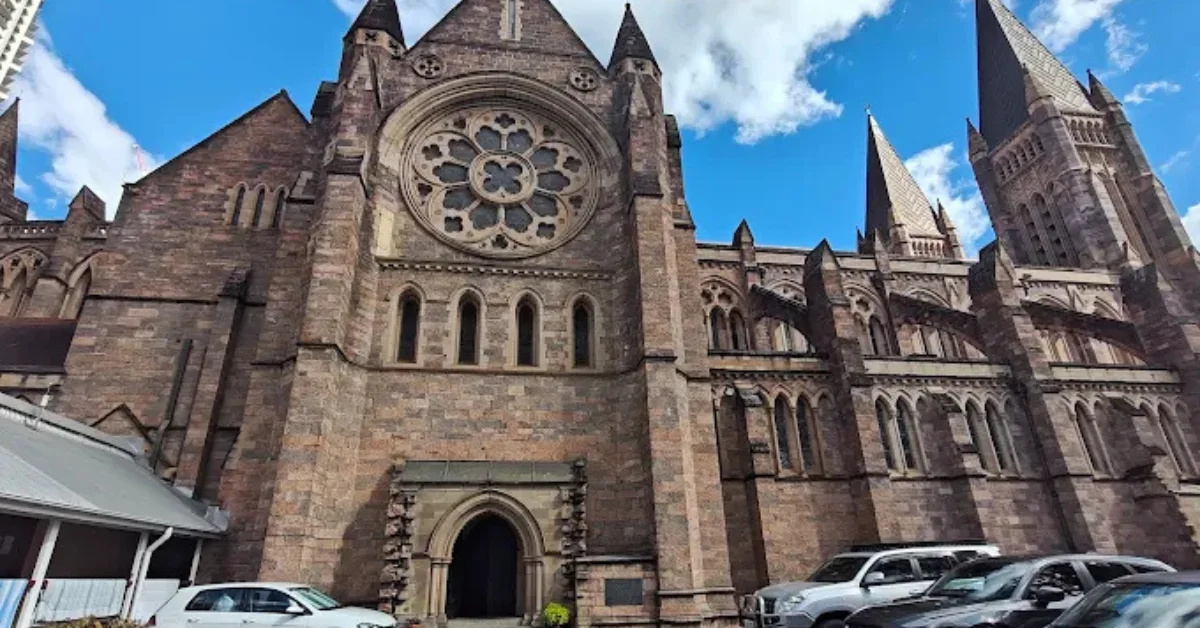
Photo credit: Google Maps/Alex Hu

What makes St John’s Cathedral distinctive is not only how long it took to build, but also the methods used during its construction.

The cathedral was built using traditional medieval construction techniques with load-bearing stone throughout the structure. Skilled stonemasons shaped and laid much of the stone by hand, preserving the original design and construction methods throughout each stage of the project.

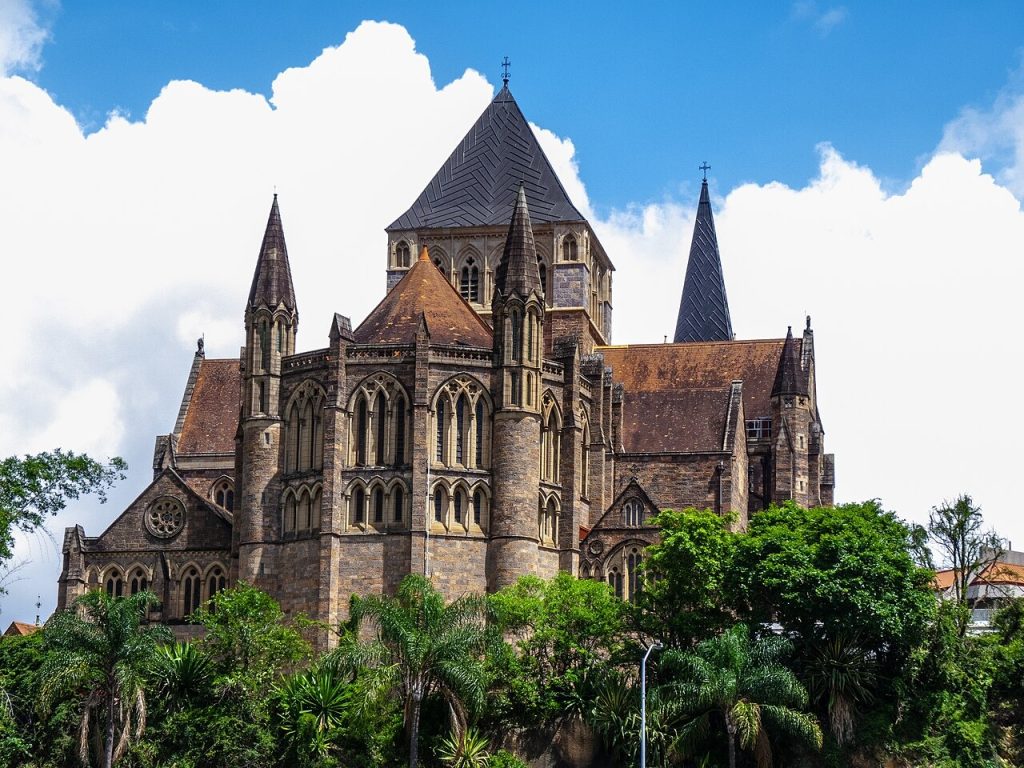
The exterior walls feature Brisbane tuff quarried from the former O’Connelltown quarry at Windsor, giving the cathedral its distinctive brown, pink and mauve appearance. Inside, visitors can find columns carved from Frosterley limestone imported from England, a stone estimated to be around 350 million years old and known for its visible fossilised coral.

The building is also home to the only fully stone-vaulted ceiling in the Southern Hemisphere. Its acoustics produce an echo of around five seconds, complementing the cathedral’s pipe organ, recognised as the largest cathedral organ in Australia.

A Landmark For Brisbane

St John’s Cathedral East End from Queen Street, 2010 (Photo credit: CC BY-SA 4.0/John Robert McPherson/Wikimedia Commons)

Beyond its role as a place of worship, St John’s Cathedral is recognised as one of Brisbane’s important heritage landmarks. Its stained-glass windows incorporate Australian wildlife, while carvings throughout the building include details such as whales and a rainbow serpent woven into the Gothic stonework.

The cathedral continues to host regular services, concerts, guided tours and bell tower tours, welcoming visitors throughout the year.


Read: Archbishop Shane Mackinlay Installed in Fortitude Valley


Its completion in 2009 coincided with Queensland’s Q150 celebrations, during which St John’s Cathedral was recognised as one of the state’s Q150 Icons for its role as a structure and engineering feat.

More than a century after construction first began, the cathedral stands as a lasting example of the vision and persistence behind one of Brisbane’s most distinctive historic buildings.

Published 16-July-2026