

Fortitude Valley commuters will soon have a new number to look for when catching trains through the inner city, with the Rosewood to Nambour route being identified as T1 under South East Queensland’s new rail numbering system.
Read: Fortitude Valley Public Transport Outpaces the Car in New Data
The change is being progressively introduced in August 2026, with line numbers appearing alongside destinations across train and tram passenger information. For Fortitude Valley, T1 links the suburb with Brisbane’s CBD and communities stretching from Rosewood and Ipswich to the Sunshine Coast.
T1 connects a long stretch of the rail network
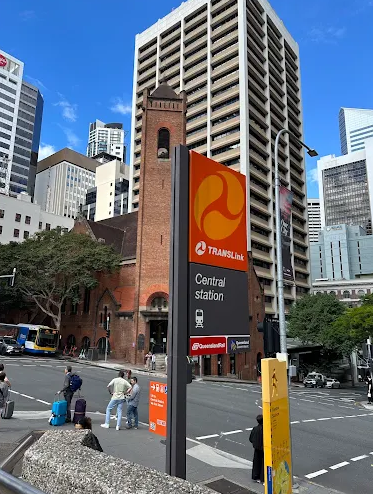
The T1 corridor runs from Rosewood through Ipswich, Goodna, Darra, Indooroopilly and Toowong, continuing through Brisbane’s CBD and Fortitude Valley before heading north through Northgate, Strathpine and Petrie.
The service then continues towards Caboolture, Beerwah, Landsborough and Nambour, with services also extending to Gympie North. That makes T1 one of the longest and most geographically wide-reaching labels in the new numbering system. For passengers in Fortitude Valley, the number provides another way to recognise services travelling along the corridor without relying on the destination name alone.
Translink said the new numbers will be displayed alongside destinations on network maps, signage, the journey planner and onboard information. The rollout does not change timetables, routes or stopping patterns.
The destination will remain visible, meaning a passenger at Fortitude Valley can still check whether a train is heading towards Caboolture, Nambour or another destination while using T1 as an additional identifier.
Better Transport Queensland supported the broader change, describing train line numbering as a common practice internationally and a system that aligns with the way Queensland already labels buses, ferries, and trams.
BTQ president Rowan Gray has said the new labels should make the rail network easier to understand, particularly compared with some of the less familiar service codes that passengers can encounter in journey-planning and mapping systems.
He has also argued that introducing the numbers before Cross River Rail opens gives passengers time to become accustomed to the new system before further changes are made to the network.
Other train lines get their own numbers
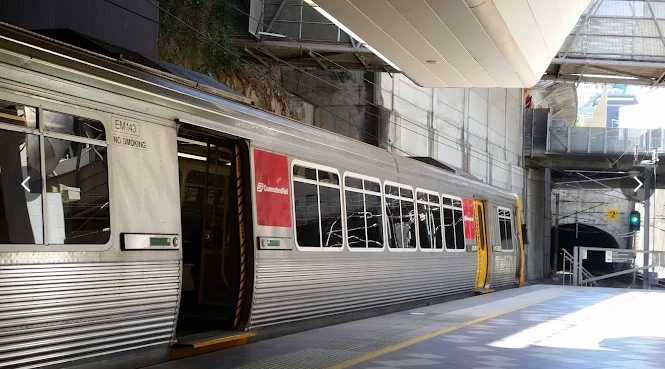
T1 is part of a wider numbering system being introduced across South East Queensland. T2 will run between Springfield Central and Kippa-Ring, linking the western corridor with Brisbane and the Redcliffe Peninsula.
T3 covers the Doomben branch, while T4 connects Cleveland, Brisbane and Shorncliffe. The T5 corridor links Varsity Lakes and the Gold Coast with Brisbane and the Airport, while T6 runs between Beenleigh, Brisbane and Ferny Grove.
Read: Howard Smith Wharves Shared Path Debate Rekindled After Near Miss Near Fortitude Valley
Translink said the numbers are intended to make the network easier to understand, navigate and use, particularly for visitors and customers with accessibility needs.
The number will not change where the trains go. Instead, it provides another reference point for passengers navigating one of the region’s busiest and most extensive rail corridors.
Published 17-August-2026