



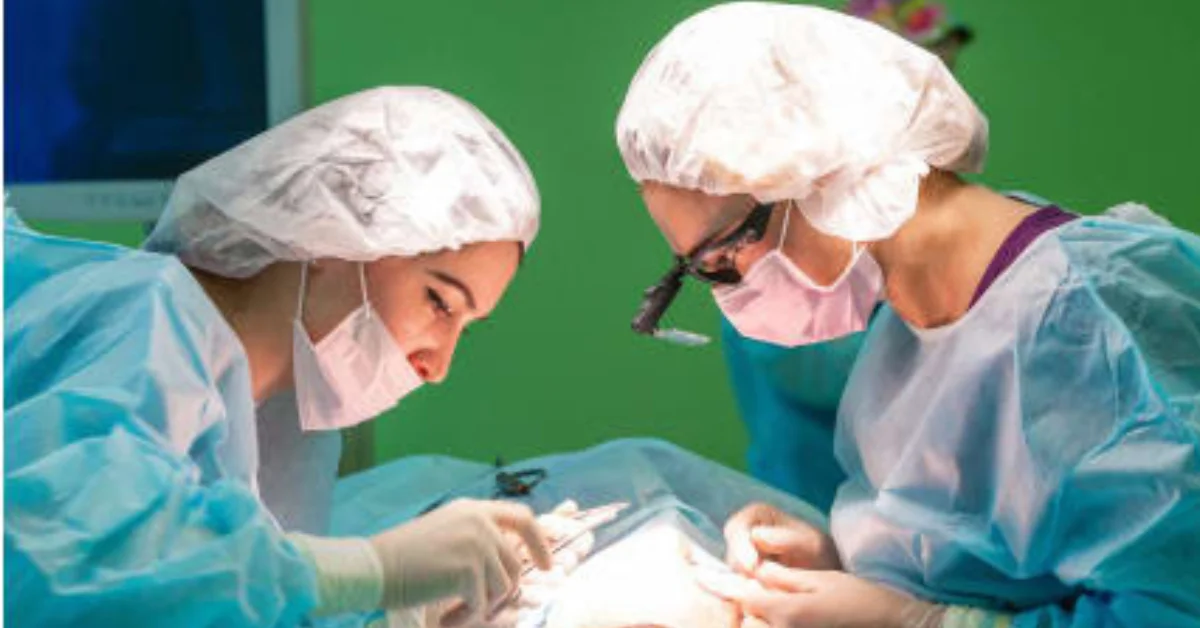
The 2026 Breast Cancer Trials (BCT) Annual Scientific Meeting is underway in Brisbane, bringing together hundreds of researchers, clinicians, and consumer advocates to discuss the latest advances in breast cancer treatment, including findings from a landmark international study that is changing surgical care for patients worldwide.
Read: New Cancer Rehabilitation Centre Opens in Fortitude Valley
Held at Sofitel Brisbane Central from 29 to 31 July, the annual meeting has brought together more than 400 scientists, clinicians, researchers, international specialists and advocates from Australia, New Zealand and overseas. The three-day program features scientific sessions on early breast cancer, surgery, radiotherapy, supportive care, metastatic breast cancer and emerging clinical trials, alongside discussions aimed at shaping the next generation of research.

One of the event’s headline presenters is Swedish breast surgeon Adjunct Professor Jana de Boniface, whose internationally recognised SENOMAC clinical trial is changing surgical care for some people with breast cancer.
Trial challenges traditional surgical practice
Patients whose cancer had spread to nearby lymph nodes have traditionally undergone completion axillary lymph node dissection, a procedure involving the removal of additional lymph nodes from the armpit. While effective in treating cancer, the operation has long been associated with lasting side effects, including lymphoedema, pain and reduced arm movement.

The SENOMAC trial found that for breast cancer patients with limited lymph node involvement, omitting the more extensive surgery did not compromise survival after five years.

According to Dr Nicholas Zdenkowski, Medical Advisor at Breast Cancer Trials, the findings represent an important shift towards more personalised care.
“The SENOMAC trial showed that a less invasive surgical approach reduced post-operative complications, like pain, lymphoedema, and impaired arm function, significantly improving quality of life for those patients, whilst maintaining excellent survival. This individualised approach is now becoming standard of care,” Dr Zdenkowski said.
He added that the research reflects Breast Cancer Trials’ broader focus on improving patients’ quality of life without compromising survival outcomes and said the organisation looked forward to learning more from Adjunct Professor de Boniface during the Brisbane meeting.



Research with a personal impact
The discussion around reducing the extent of surgery also resonates with people who have experienced its long-term effects.
Merryn Carter, Chair of the Breast Cancer Trials Consumer Advisory Panel, said she continues to live with lymphoedema following axillary clearance surgery.
“I had an axillary clearance and now suffer lymphedema,” she said.
“I have daytime compression sleeves, a nighttime compression sleeve, and have had several episodes of cellulitis as a result of my lymphedema. It would be great if more people could be spared this risk of lymphedema in the future.”
Her experience highlights why researchers are increasingly exploring treatment approaches that can maintain excellent cancer outcomes while reducing the physical burden of care.
Brisbane meeting showcases future directions
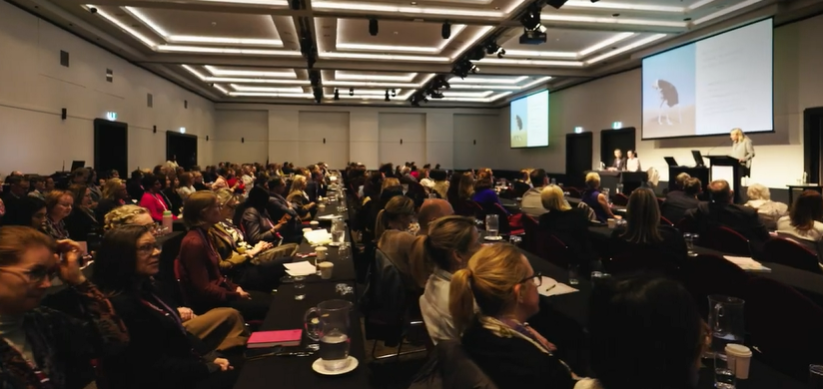
Beyond the SENOMAC trial, the Annual Scientific Meeting provides a forum for specialists to examine the latest clinical evidence and identify future research priorities.
The program includes presentations on clinical and translational research, supportive care, surgery, radiotherapy, metastatic breast cancer, reviews of recent clinical trials and future clinical trials research. Researchers from across Australia and New Zealand are also pitching new concepts for future clinical trials during dedicated concept development sessions.
Karen Price, Chief Executive Officer of Breast Cancer Trials, said the annual conference plays an important role in bringing together the region’s breast cancer research community.
“As Australia and New Zealand’s largest independent, not-for-profit organisation dedicated solely to breast cancer clinical trials research, our event is the highlight of the calendar for the breast cancer research and care community,” Ms Price said.
“This conference attracts leading medical practitioners, clinicians, and clinical trials management personnel from across Australia and New Zealand, all dedicated to improving the quality of life and outcomes for the 56 Australians who are diagnosed with breast cancer every day.”
Read: Raising Hope: Calile Hotel Hosts Cherish Women’s Cancer Foundation Lunch
As the meeting continues in Brisbane, attendees will share the latest evidence, exchange ideas for future studies and explore new approaches designed to improve both survival and quality of life. For patients, the research presented this week reflects a continuing shift towards treatments that are effective, less invasive and more tailored to individual needs.
Published 29-July-2026